Courtesy of Kelvin Zyteng
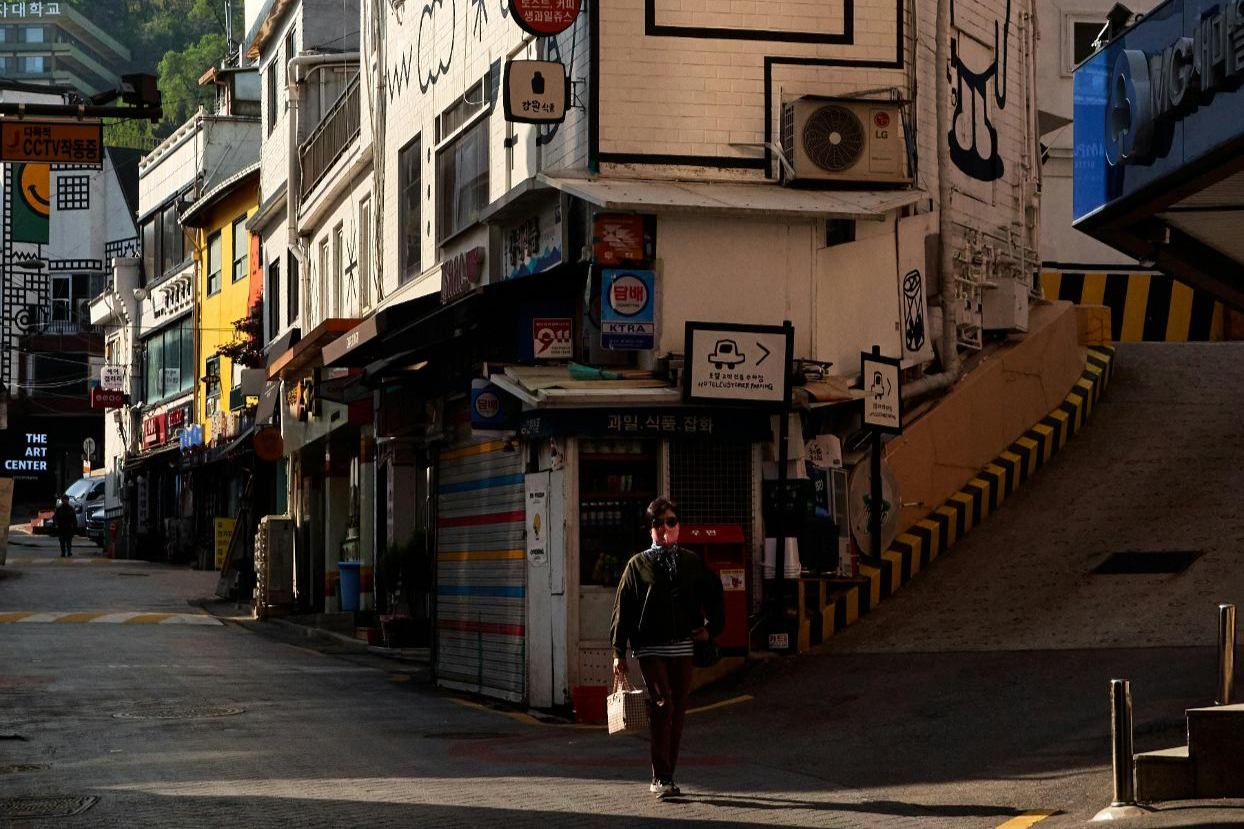
I’m now at the stage where I’ve been living and working in Korea longer than many of my university students have been alive. I remember the toilets that were little more than holes in the ground. The aggressive street-level sounds of men hawking bootleg DVDs and low-sheen neckties from folding tables. The pachinko parlors that lined Jongno. The high-temperature public anxieties of mad cow protests. Individual cigarettes sold illegally out of cardboard boxes at local pharmacies. And the constant wet throat-clearing soundtrack of old Seoul. My god, the spitting.
Much has changed since then. I’ve developed a great burning love for the people and the culture. I throw myself at it – the history, the music, the social concepts, the politics, the art, the food, and the language. While I often give my university lectures in English, I spend my days talking to people in Korean. Discovering the nuances and battling through my own difficulties with the grammar and the vocabulary. Even when uttering a simple hello or thank you, people now look at me with an eye raised: “Where are you from?” they question me. You look like a “them” but you sound like an “us.”
Admittedly, I still have not naturalized and become Korean. I have thought about it, of course. Just the same way that Korean people will move abroad to places like Australia, the US, or the United Kingdom, settle down, have families, become members of society, and then eventually get citizenship, why would I not do that here? It’s the same thing, after all.