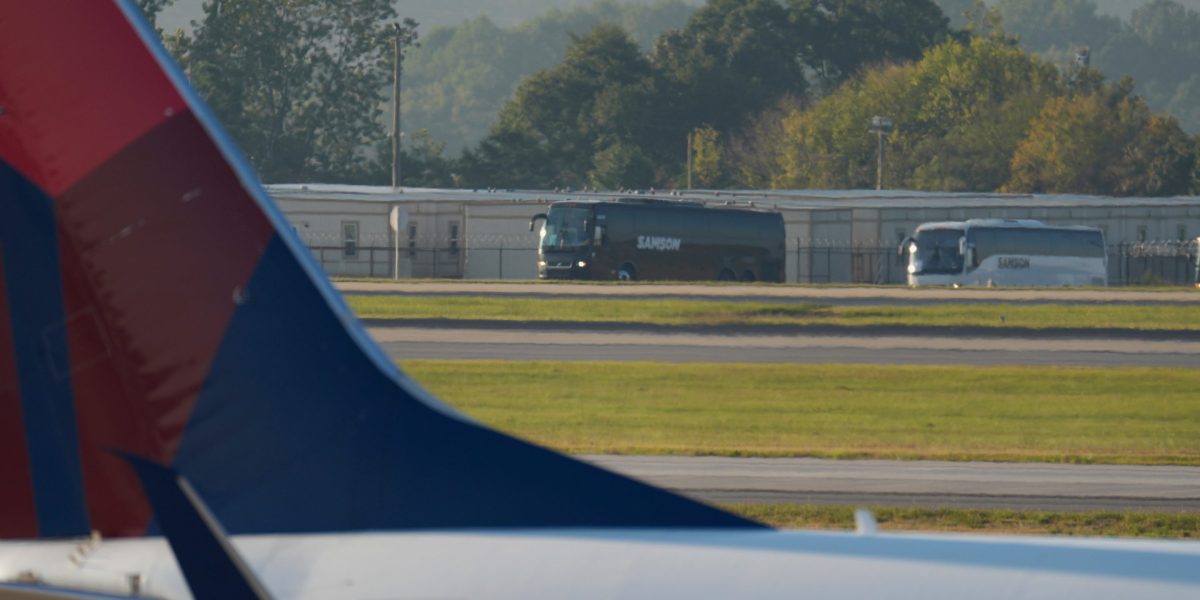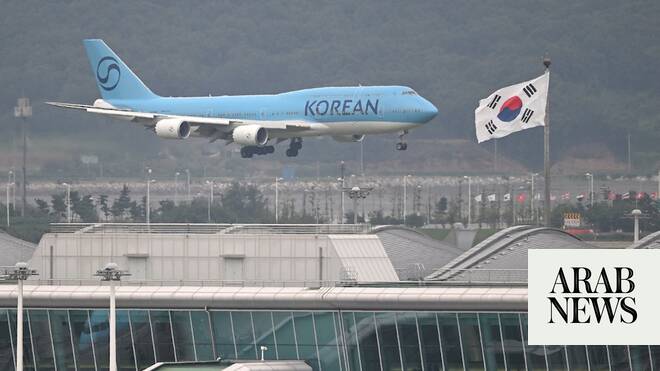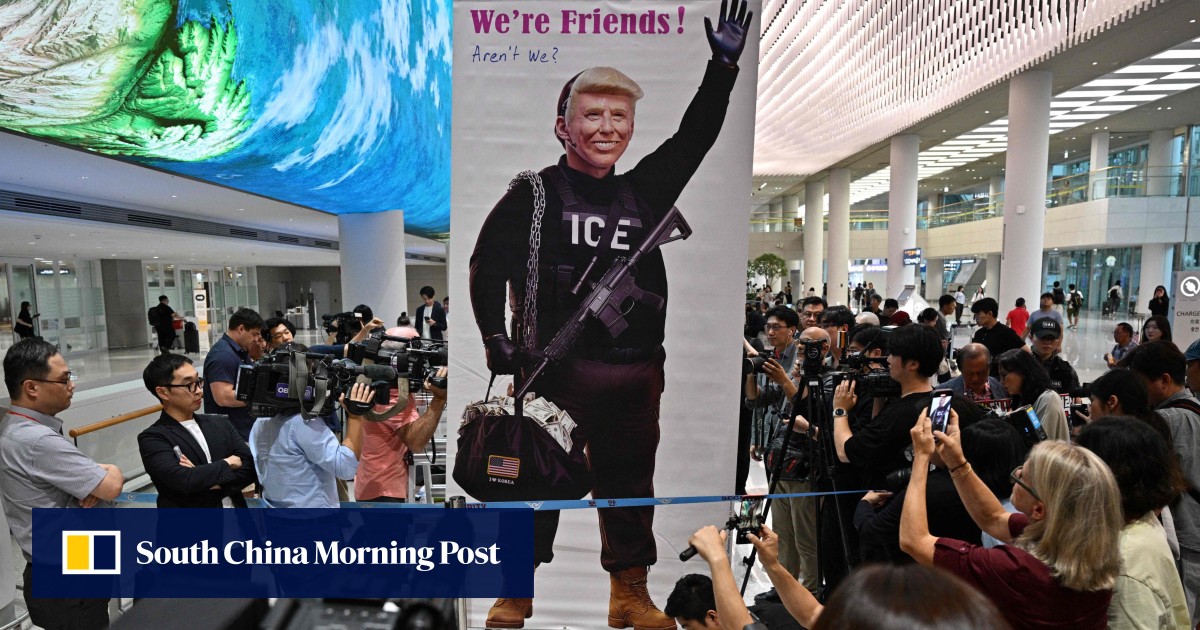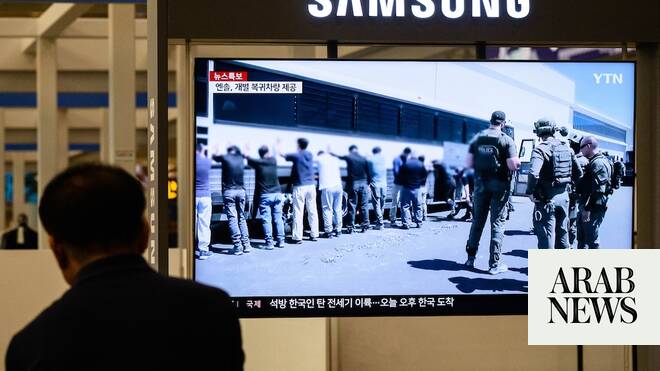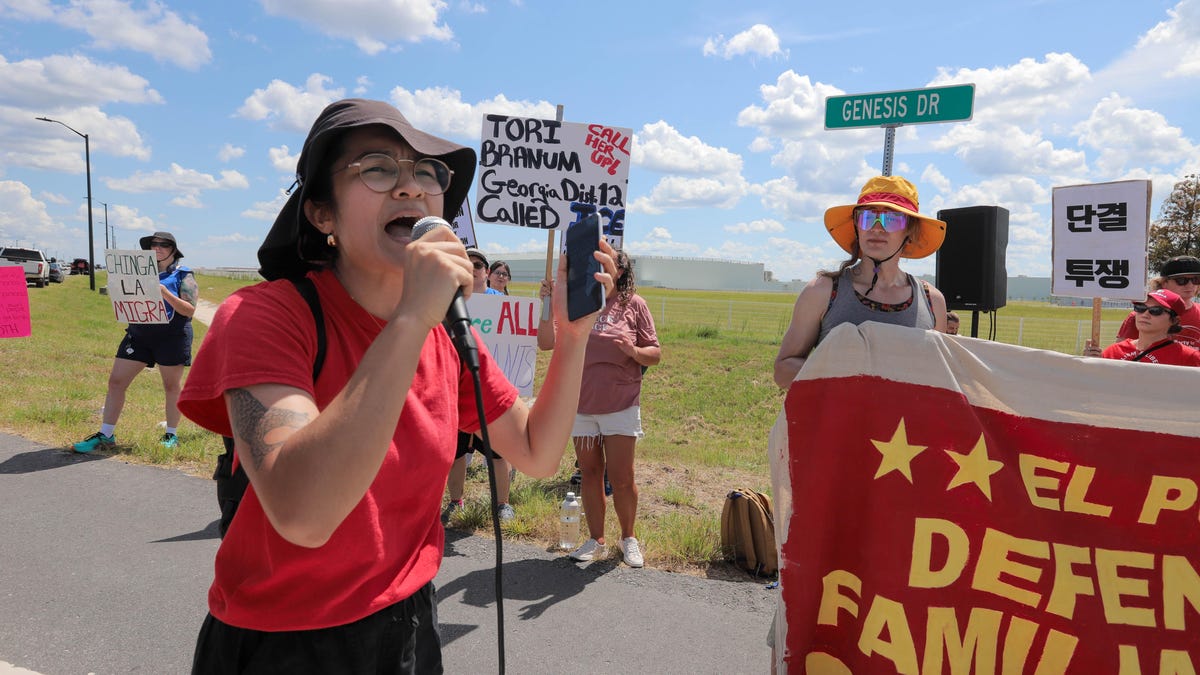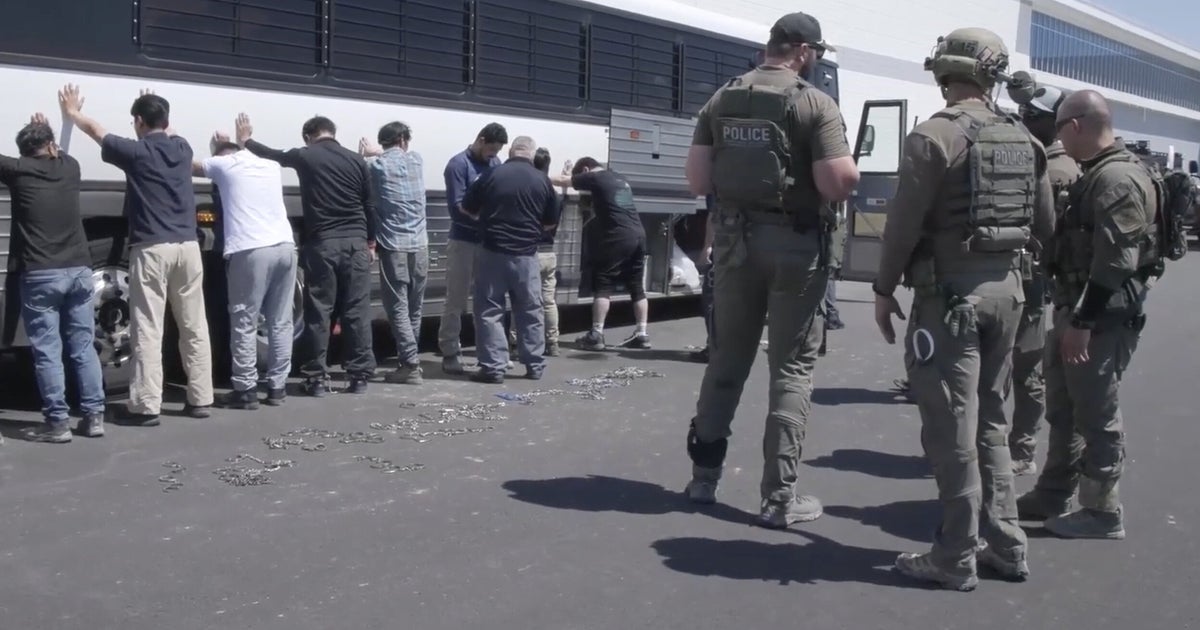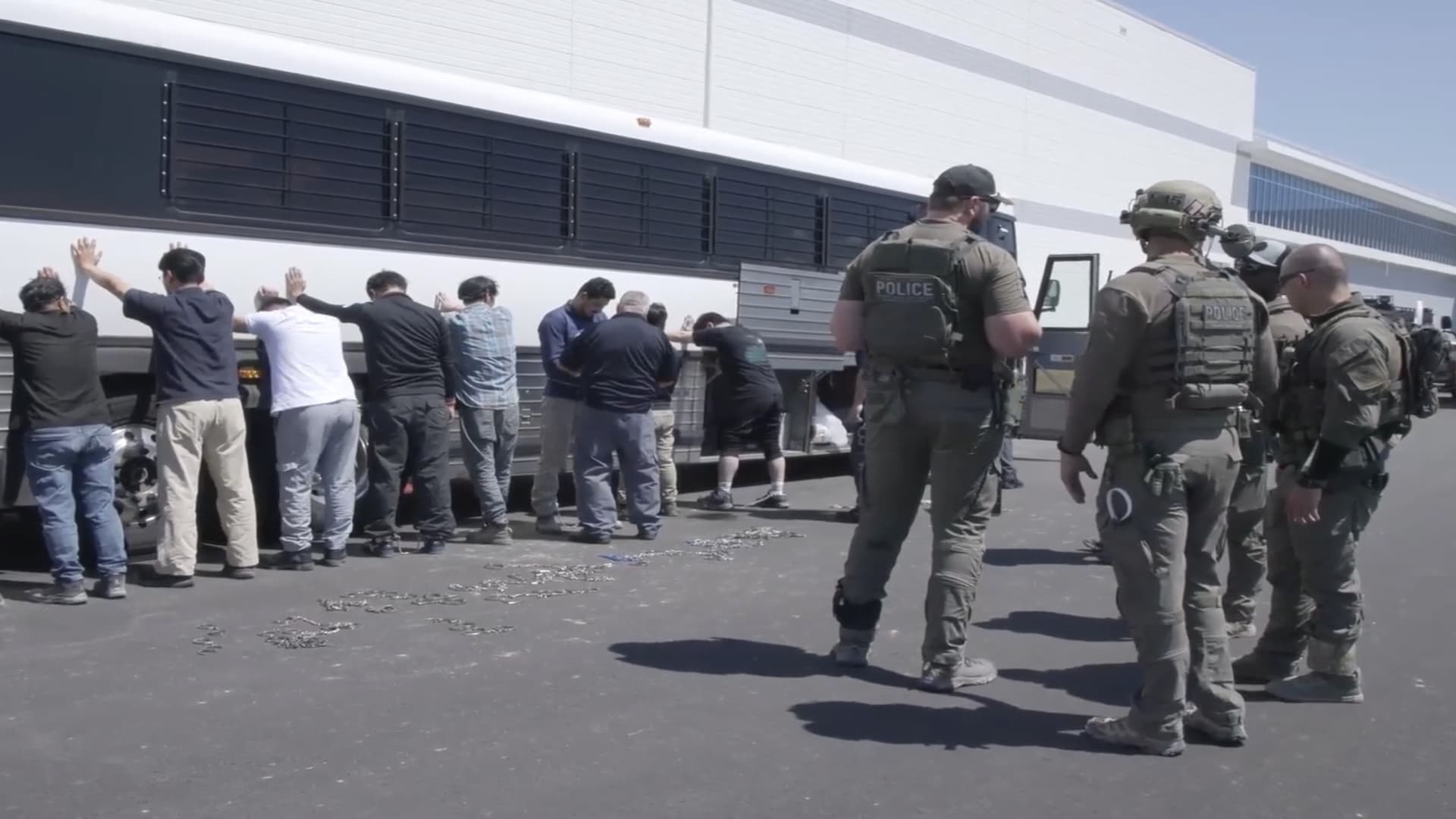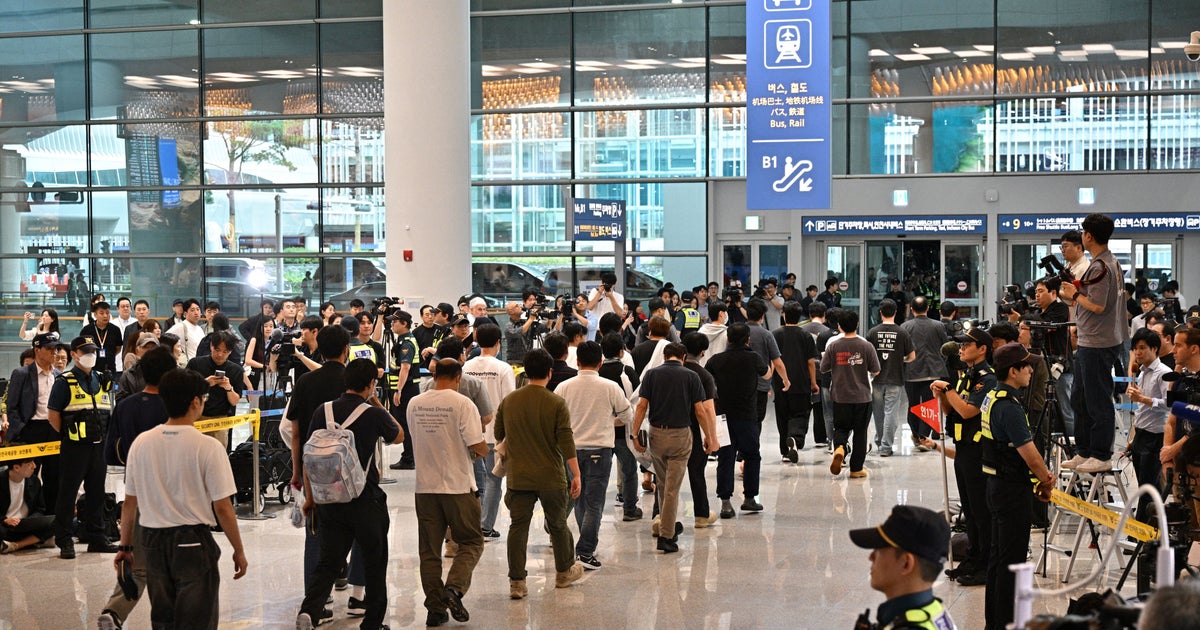
SEOUL, Sept. 11 (UPI) -- The shock of the "mass detention of 316 Koreans" in Georgia was eventually eased as arrangements were made for their return. According to Seoul, 316 Korean workers are scheduled to arrive in Incheon on Friday about 4 p.m.
Soon after the apprehensions, President Donald Trump sought to steady the alliance by striking an optimistic note, suggesting that lawful entry for skilled Korean labor might be allowed if Seoul also invested in training and employing more Americans.
Yet, the episode laid bare deeper challenges that must be addressed if the U.S.-Korea industrial alliance is to rest on firm foundations. At its core, this was a cultural collision -- one that forced both nations to confront long-deferred issues.
If handled wisely, the dispute may prove less a rupture than a painful, but ultimately fortifying, correction, delivered just as Korean investments in America are accelerating in the wake of tariff negotiations.
Roots of the crisis