The mistake most teams make with AI governance is starting in the wrong place.
They start with model choice, prompt logging, or a dashboard that shows usage counts. That is useful, but it is not the enterprise problem. The enterprise problem is this: who had access to a workspace when the code was generated, how was that access granted, how is it revoked, and where does the evidence live after the developer moves on?
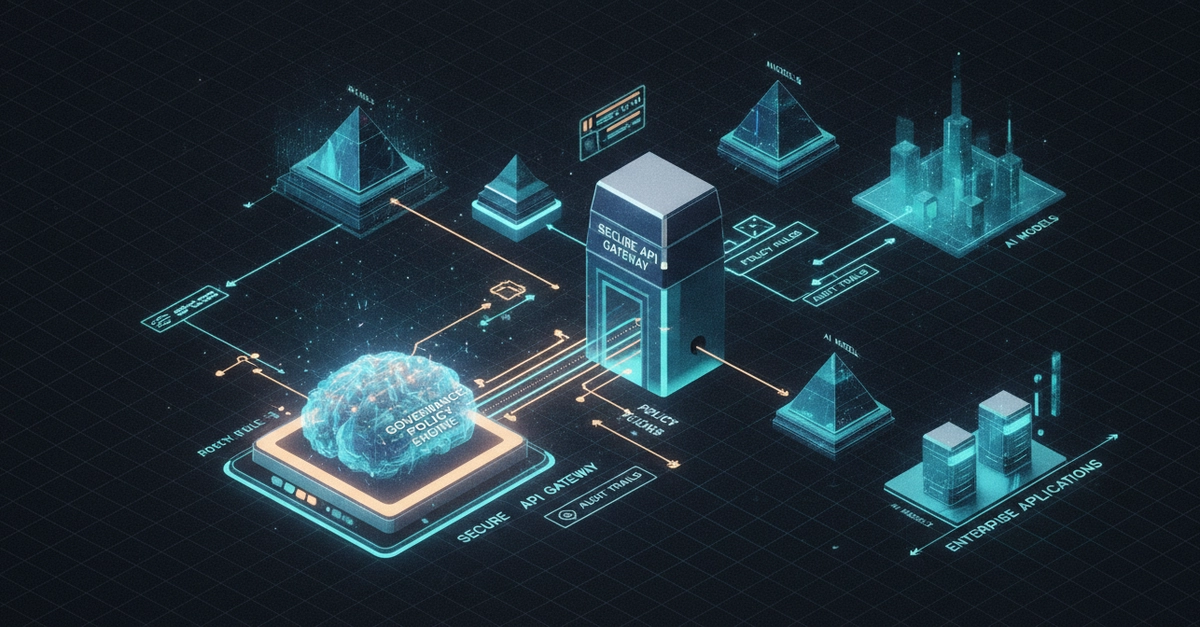
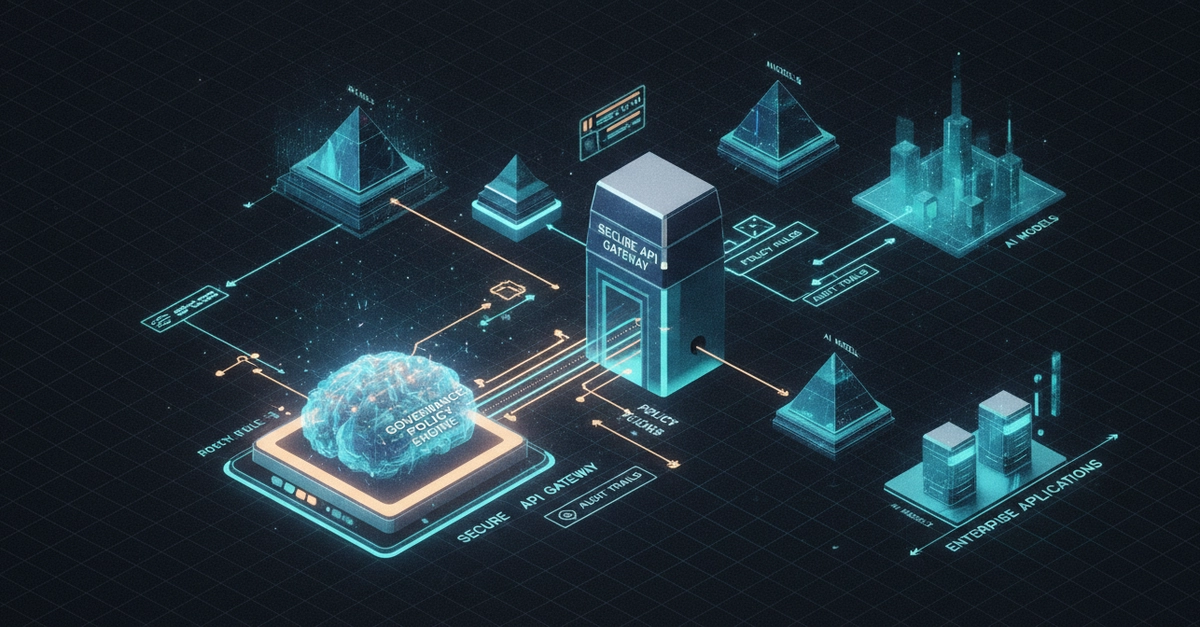
That is the lens I use when I look at LineageLens now. The codebase is not just a capture system. It is a control plane.
It has to be, because AI-generated code becomes sensitive the moment it crosses team boundaries. A prompt often contains internal names, architecture details, hidden assumptions, or even snippets of implementation. If that prompt turns into code, the organization needs more than “we saw the model output once.” It needs a reproducible record tied to identity, scope, and storage.
The first thing the backend now does is protect the boot sequence itself. A setup guard keeps the app behind /setup until the first admin exists. That is not a cosmetic detail. It is the difference between “we shipped a service” and “we shipped a service that knows when it is safe to expose itself.”