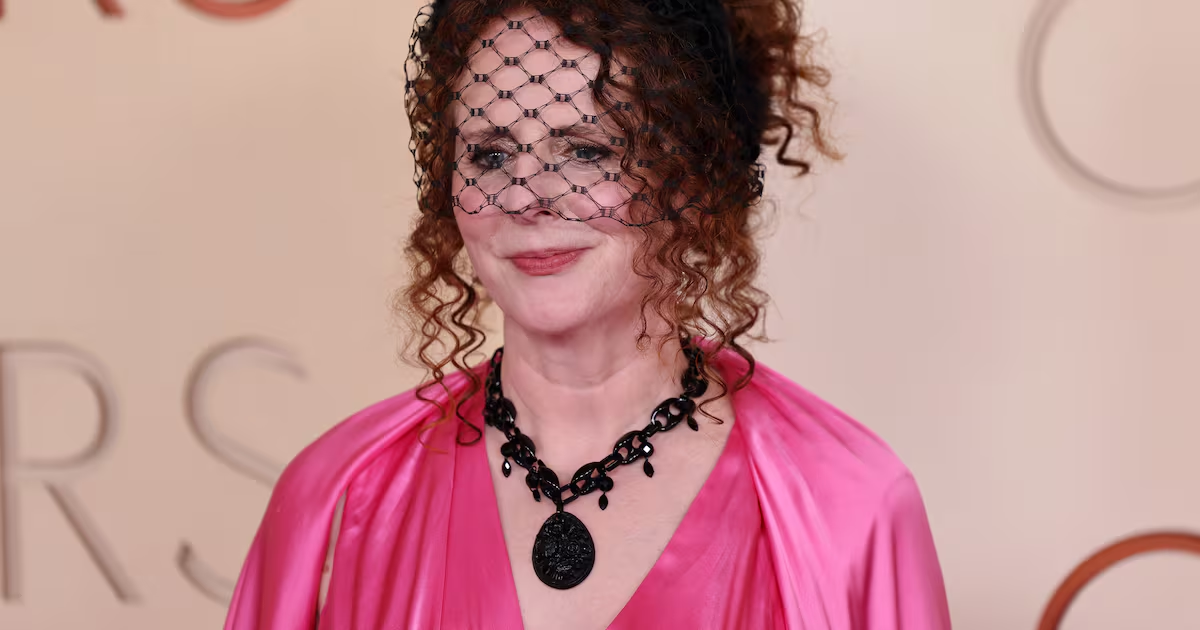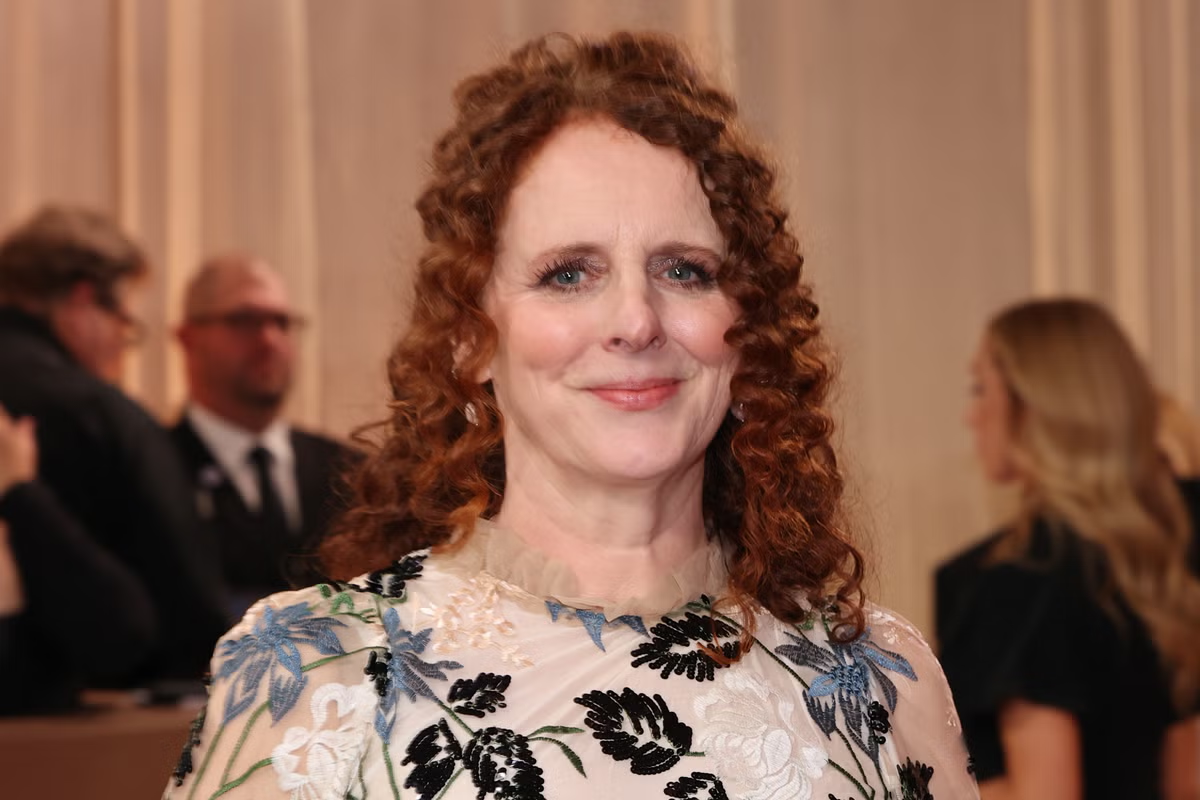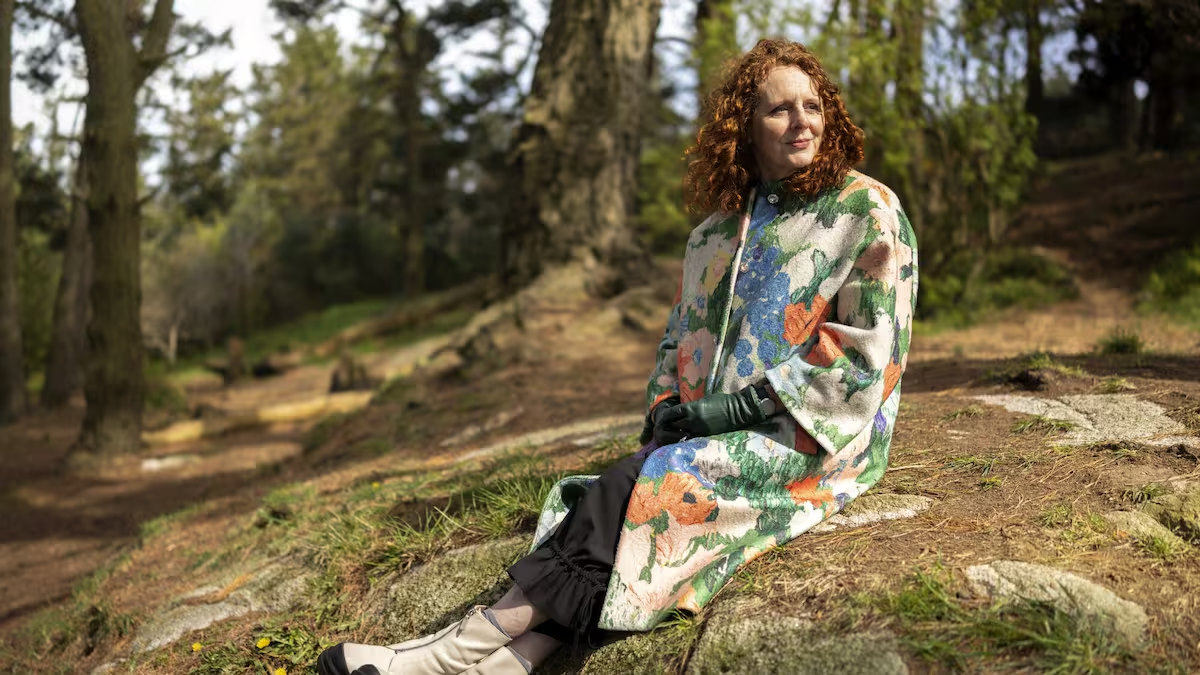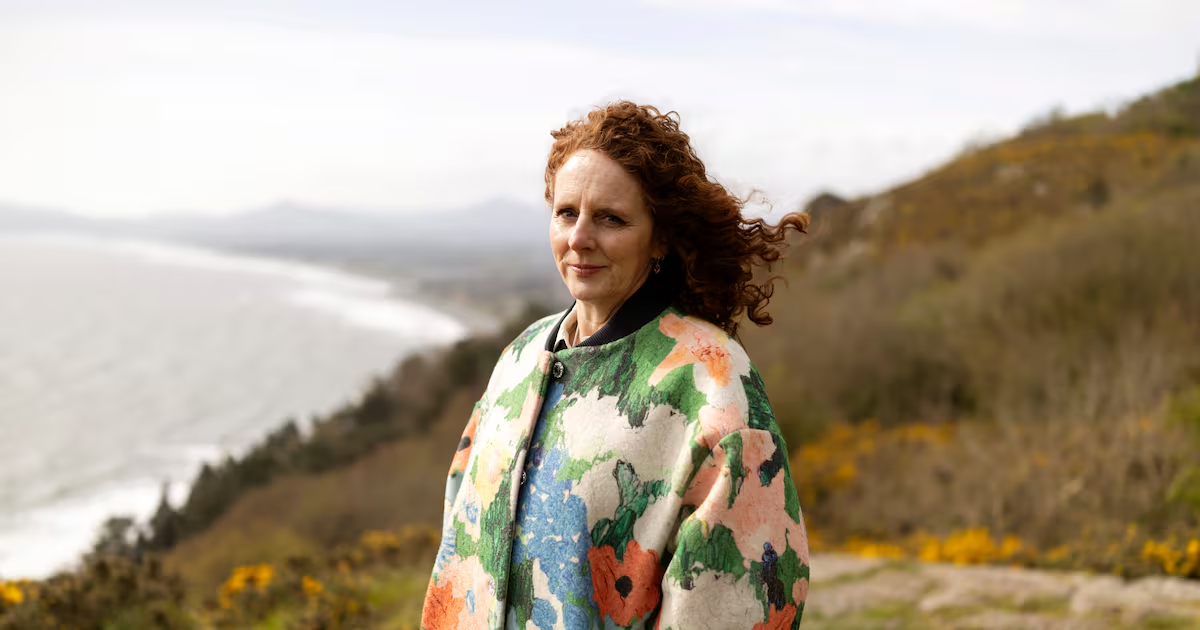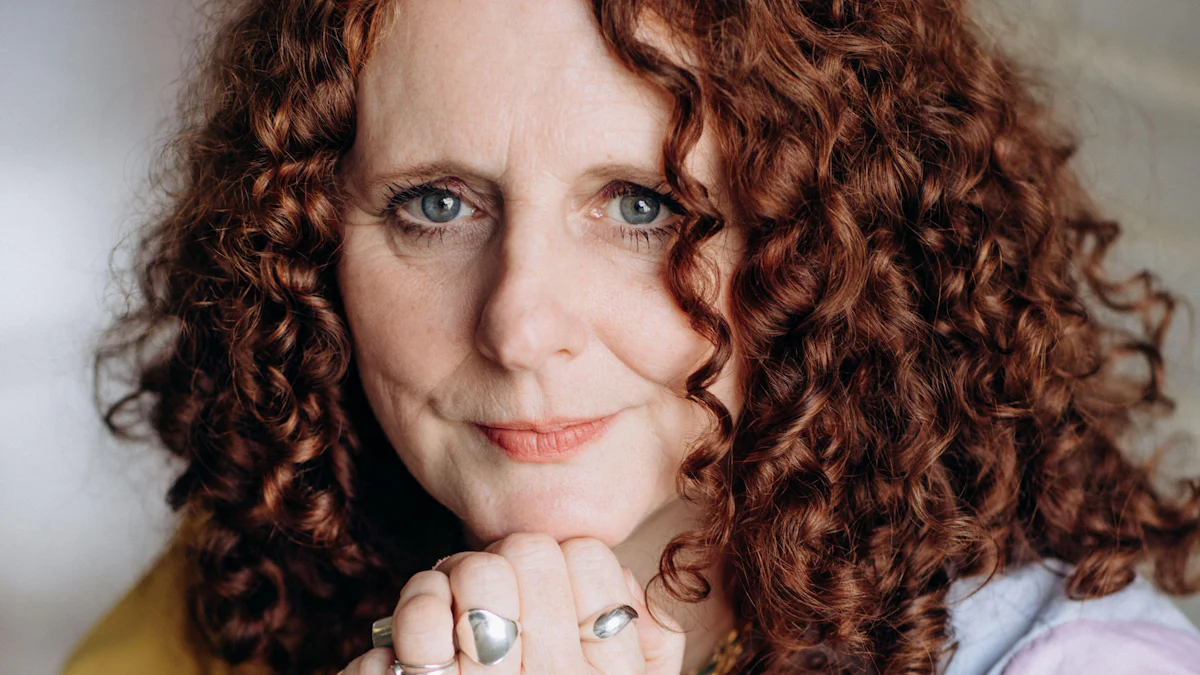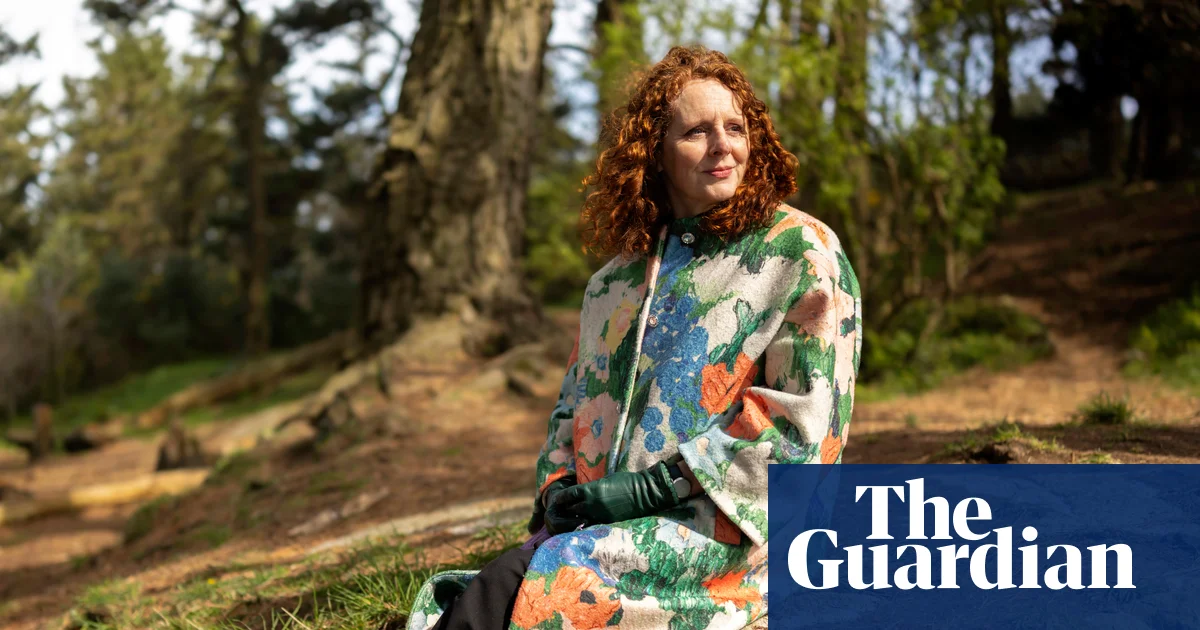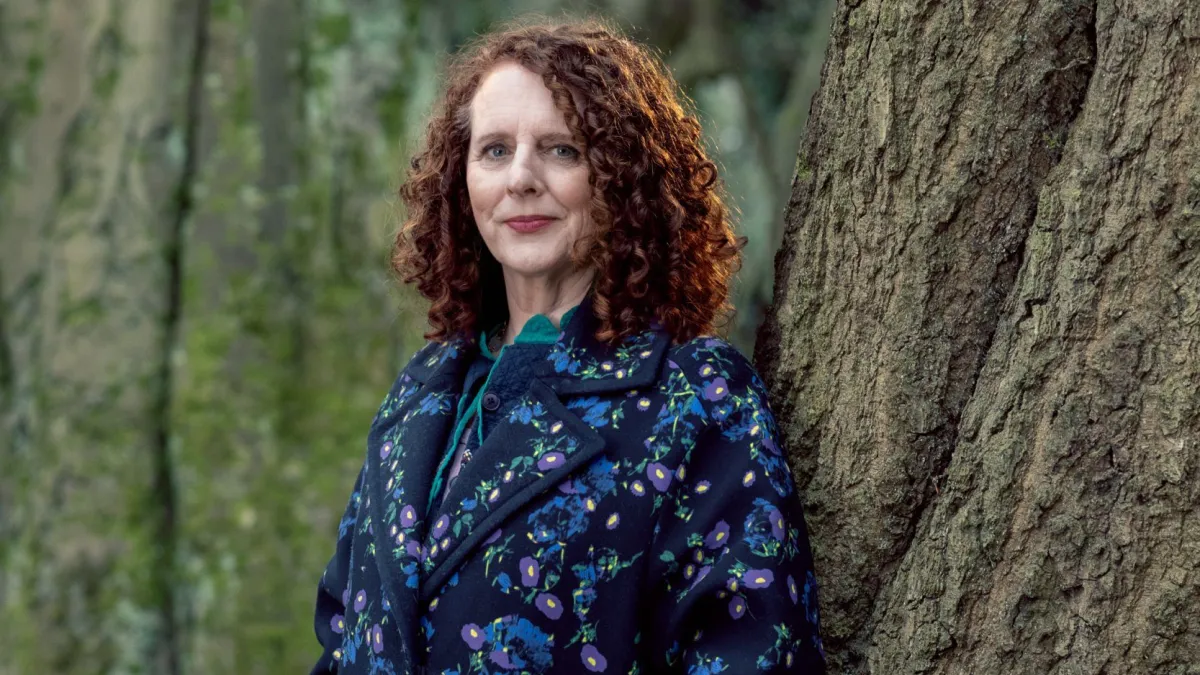
They say that writing is a solitary pursuit. But, from the outside at least, Maggie O’Farrell’s year has been a haze of red carpets, transatlantic flights and glittering awards for the Hollywood adaptation of her bestselling novel Hamnet.
“The whole thing was such a surreal experience,” O’Farrell tells me from her home in Edinburgh. “When I look back now at going to the various awards ceremonies, it was like it didn’t really happen, like some strange dream.” She begins to laugh. “The other day I was going through my wardrobe to find something and I came across the dress that I wore to the Oscars and I thought” – she mimes an expression of abject bewilderment – “‘What’s that?!’”
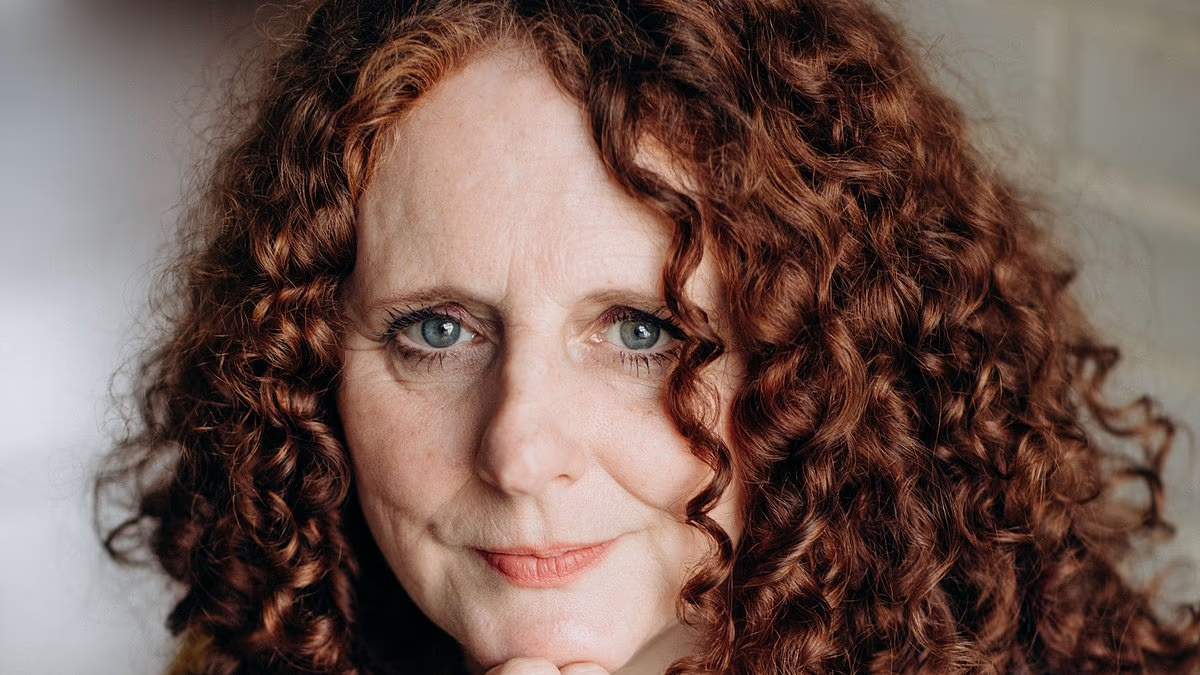
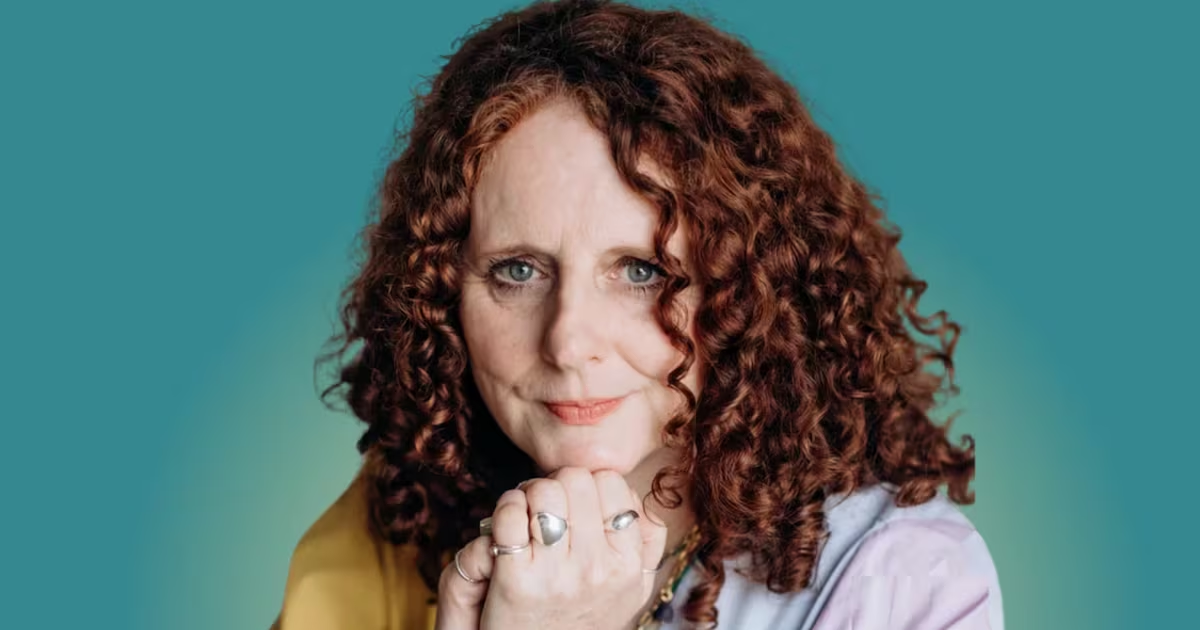
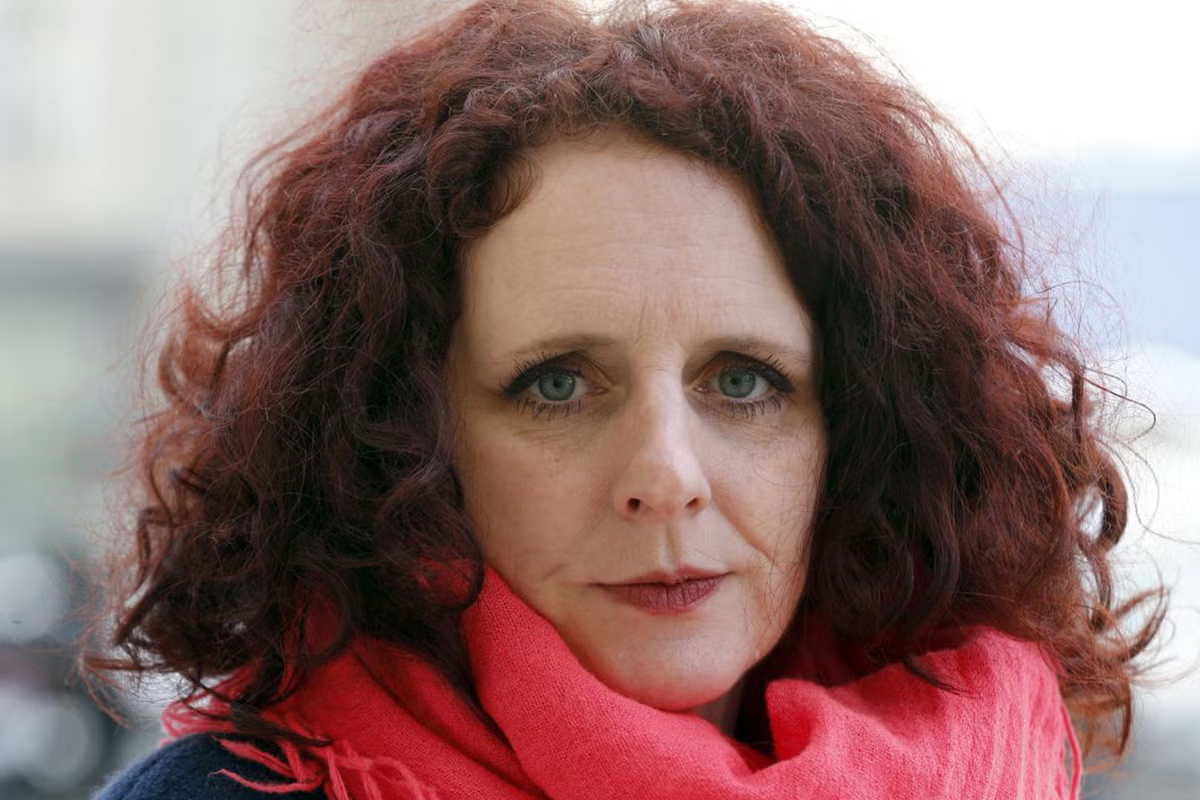
The 53-year-old author is speaking to me in her yoga clothes, sitting at what she tells me is a Sellotape- and school permission form-strewn “admin desk” – she writes elsewhere, in an internet-free hut in the garden. Her bright copper curls frame the oversized, thick-rimmed black glasses she is wearing.
Hamnet, her fictionalised account of the death of Shakespeare’s 11-year-old son, is one of the standout books of the decade so far – beautiful, immersive and devastating. It has sold over two million copies, been translated into 40 languages and won both the 2020 Women’s Prize for fiction, and the Waterstones Book of the Year. Originally, O’Farrell was reluctant to work on the screenplay, but when Nomadland’s Chloe Zhao came on board to direct in 2023, O’Farrell was persuaded to write the script with her. Probably in large part because of this, the film feels wonderfully true to the soul of the novel – a haunting, gorgeously shot paean to nature and motherhood and the love that endures through loss.