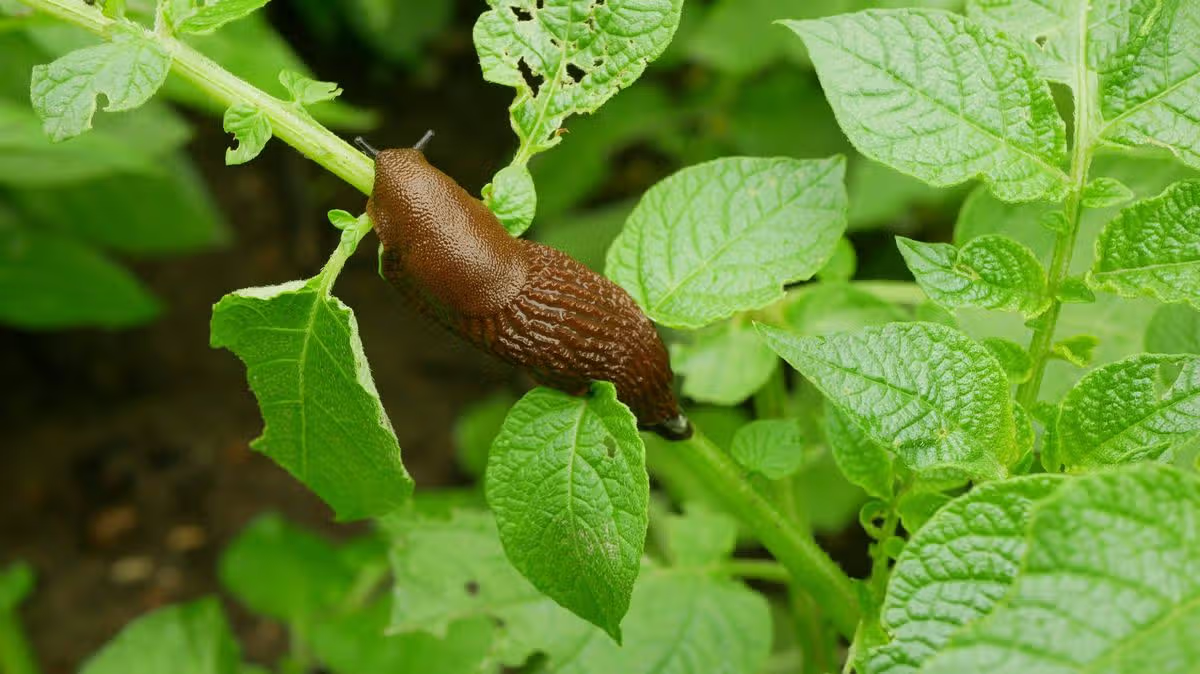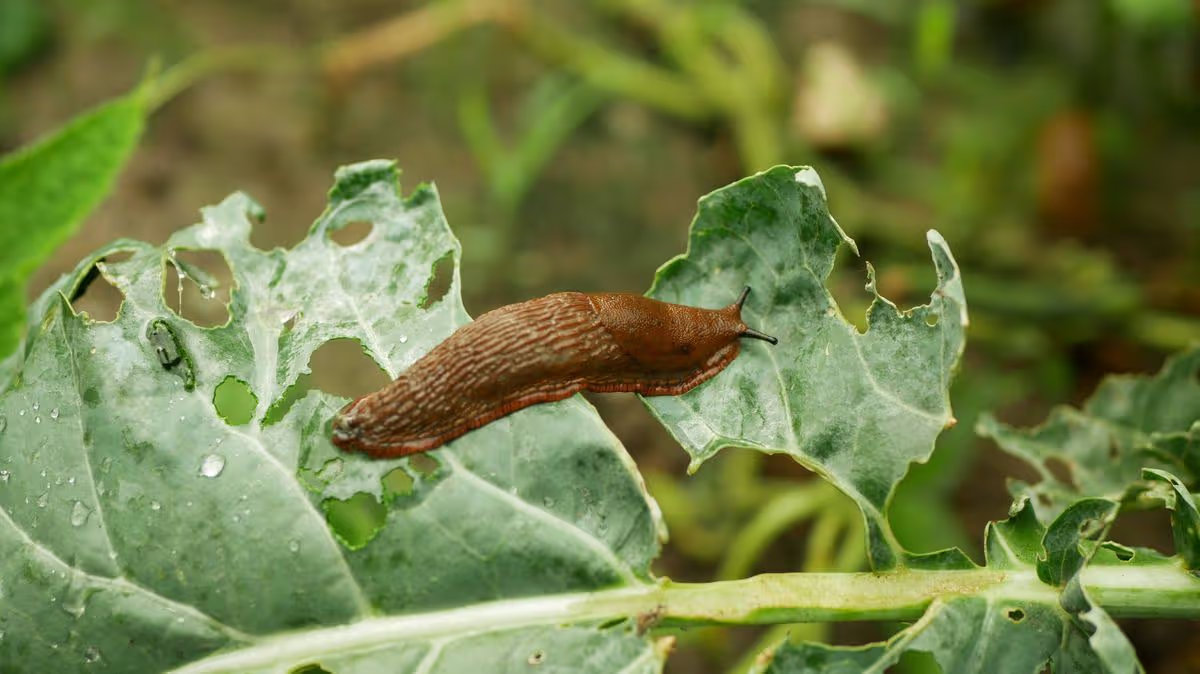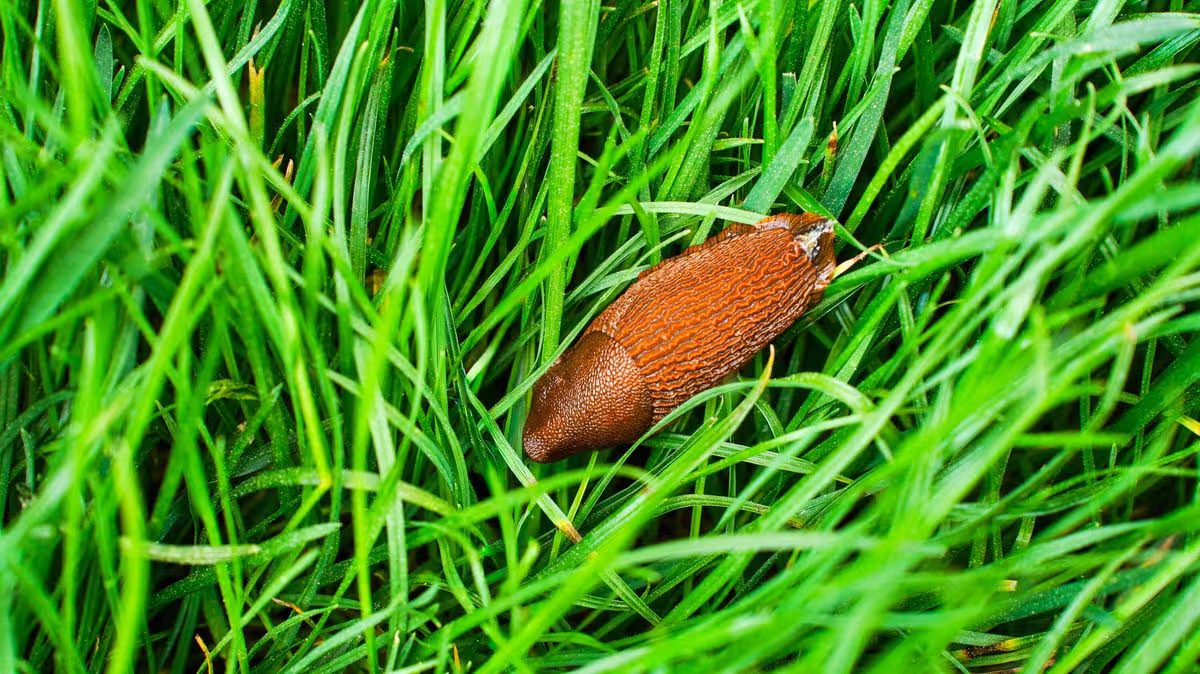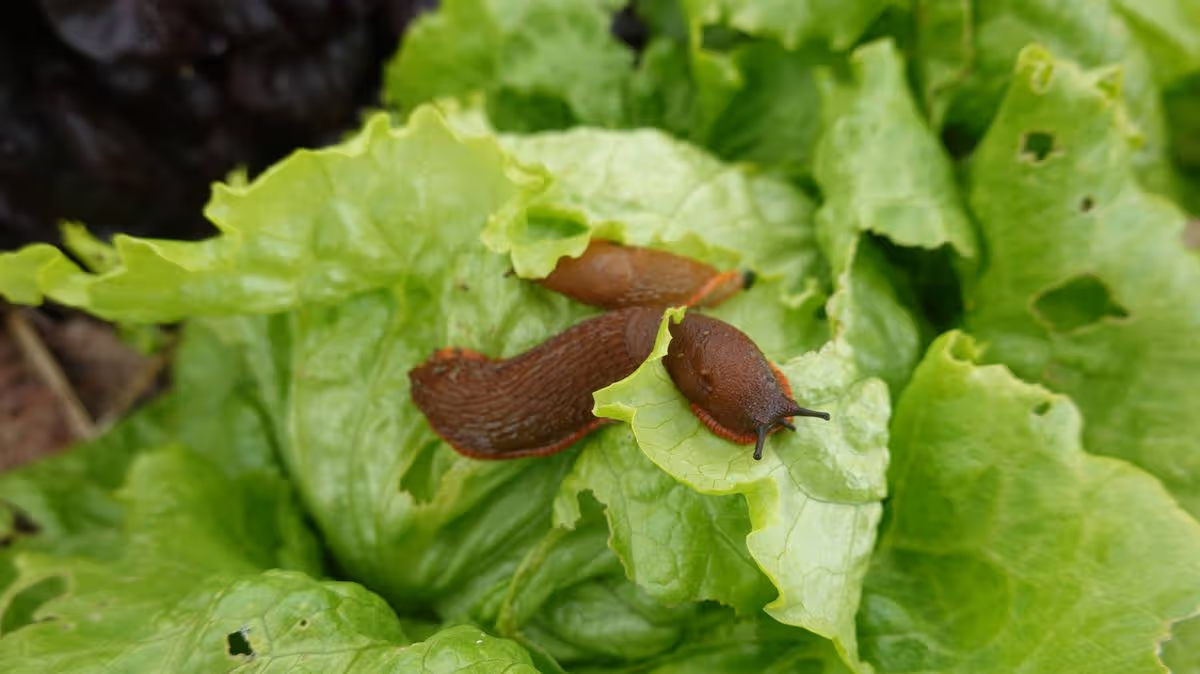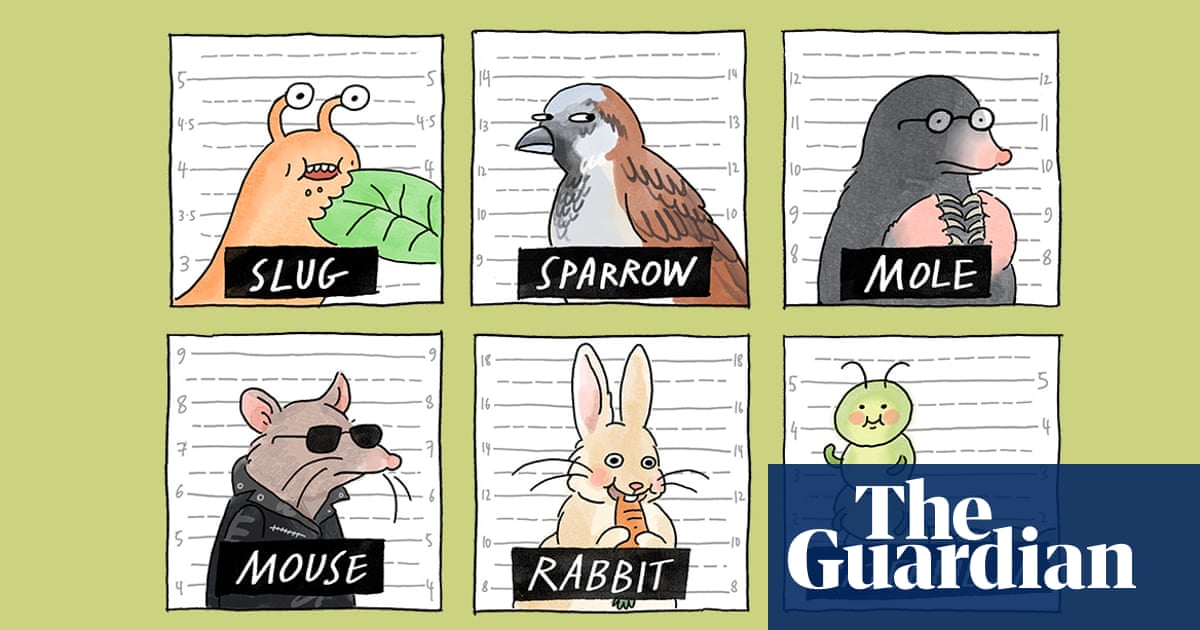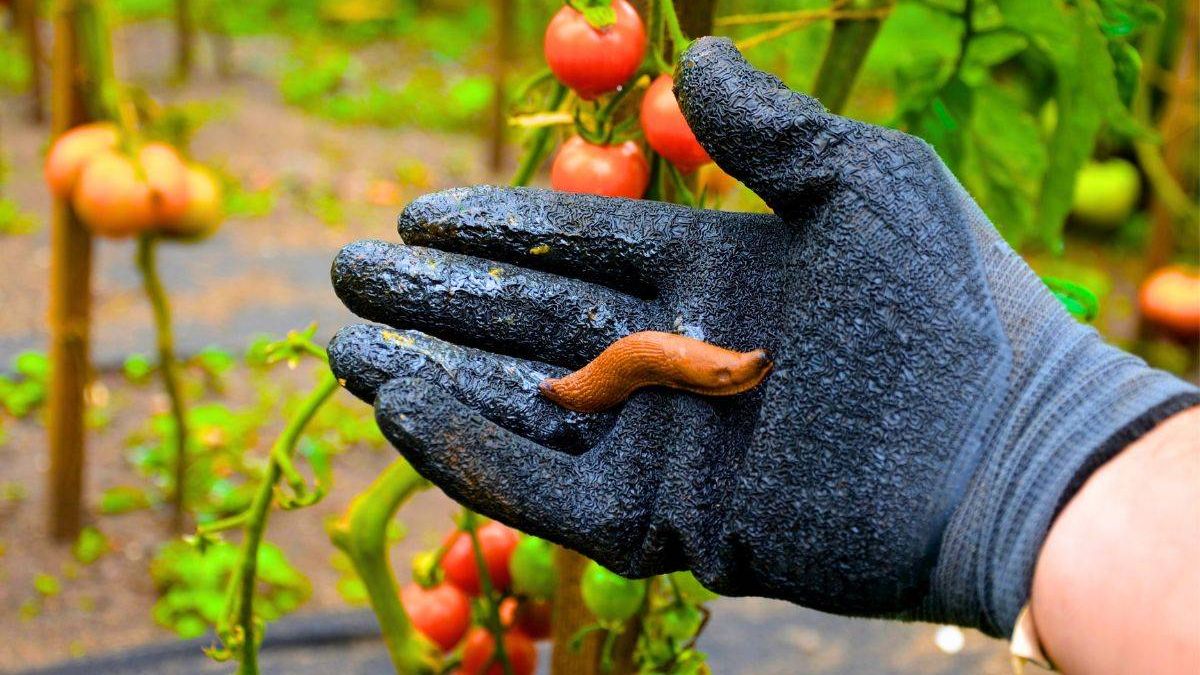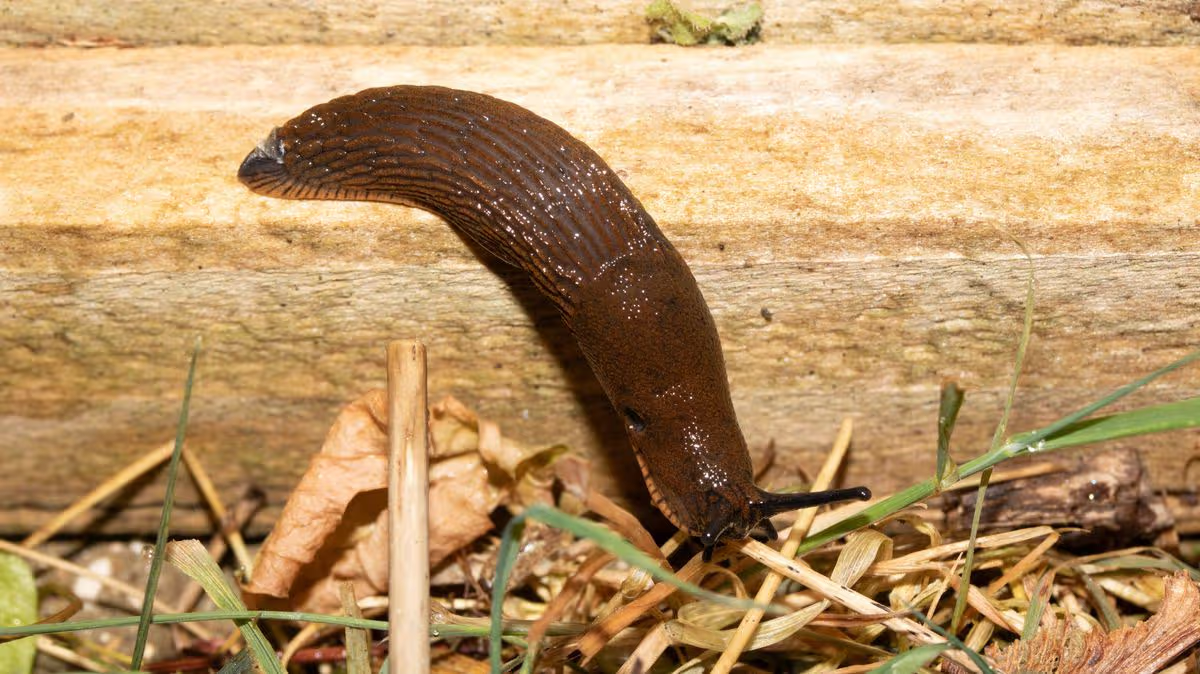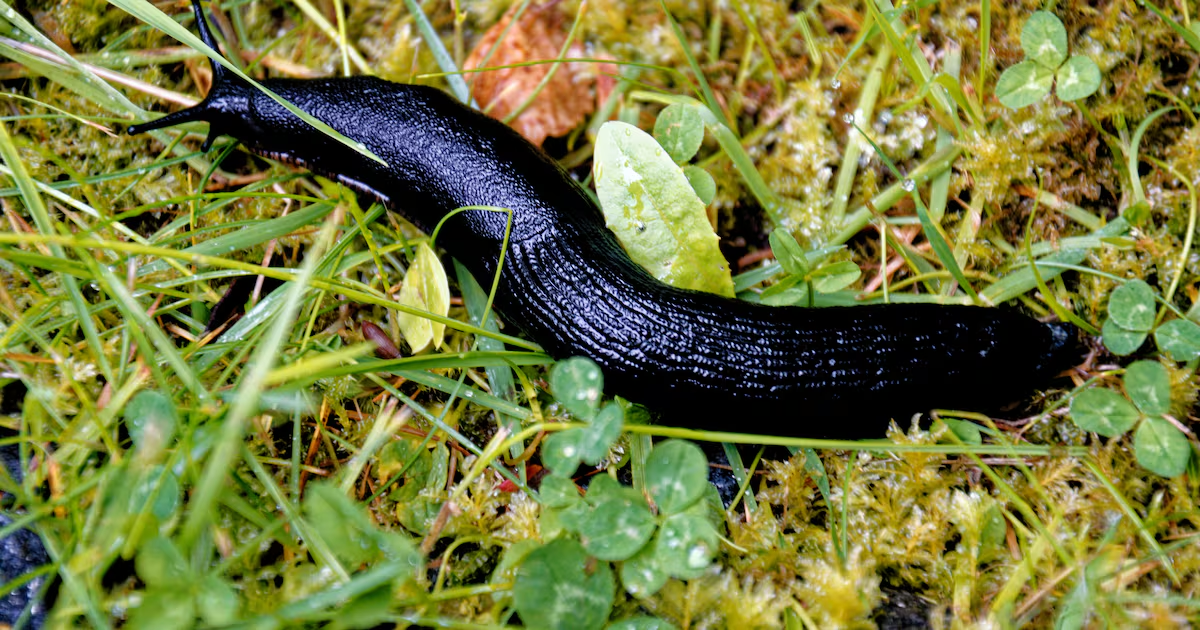
I have often been accused, with some justification, of being obsessed with slugs, which as obsessions go is certainly not the prettiest. But then neither are slugs.Yes, yes, before the nation’s slug lovers leap to their defence, I know these molluscs aren’t all bad and that many species are even essential to the healthy functioning of our gardens’ complex ecosystems. Just look, for example, at all the great work carried out by the large black slug (Arion ater). Consider its important role as a miniature compost maker, helping to break down dead and decaying plant material and return vital nutrients to the soil, as well as an important food source for other garden wildlife from badgers, birds and foxes to frogs, mice, toads, shrews and ground beetles. Behold, too, its willingness to hoover up the kinds of garden debris that most of us would rather not think about, from animal droppings to the decaying bodies of insects and small mammals, all of it work that is crucial to a healthy planet, if not exactly endearing.Measuring up to 15cm in length, this terrestrial gastropod is one of Ireland’s largest slugs, as well as one of its most common. You’ve almost certainly encountered it in the garden at some stage after a rainy downpour, its size as well as its speed – a relatively nifty 2.5 metres an hour – making it impossible to ignore. Perhaps you’ve even noticed its habit of tightly scrunching itself up and then rocking from side to side when threatened.While classed as an omnivore and certainly not impartial to a row of tasty newborn seedlings, it’s by no means the most destructive species found in Ireland. As unlovable as they appear, neither are many others such as the colourful Irish yellow slug (Limacus maculatus) which feeds on decaying plant matter, the carnivorous leopard slug (Limax maximus), or the tree slug (Lehmannia marginata) which feeds on moss and lichen.The carnivorous leopard slug, Limax maximus. Photograph: Getty Images/iStockphoto Instead, this honour goes to a few other ubiquitous species: the native grey field slug (Deroceras reticulatum), the native garden slug (Arion distinctus and Arion hortensis), and the non-native, soil-dwelling Budapest keeled slug (Tandonia budapestensis). While relatively small in size, these fast-breeding species can quickly cause significant damage in the garden, voraciously feeding on a wide range of fresh plant material including root crops, leafy crops and many ornamental species such as hosta, delphinium, dahlia, cosmos, nicotiana, sweet pea, petunia, surfinia and tagetes.If you’ve ever sauntered jauntily out into your garden or allotment only to discover that a prized plant has been gobbled to the ground overnight, one or more of these is almost certainly the culprit.What to do? There is no single magic bullet, but instead a range of measures that can be combined to minimise damage. First is vigilance, especially at key pressure points of the year such as early summer when fresh growth, young transplants and newly emerged seedlings are particularly vulnerable. So keep a very beady eye out for damage and intervene quickly, bearing in mind that slugs have their own form of spatial memory as well as their own navigation system, using their slime trails to lead them back to particularly good grazing grounds.One of the most effective methods of control, albeit also the most revolting, is hand collecting any offending slugs by torchlight at night, placing them in a lidded bucket. Kind-souled gardeners will be content to then empty the latter’s contents on to the compost heap, but I’m not among them.[ Like many gardeners, I can’t help but admire weedsOpens in new window ]It’s also important to practise good garden hygiene in terms of avoiding placing dumps of weeds, stones, or freshly cleared leafy overgrowth near vulnerable plants. Bear in mind too that slug species are mainly nocturnal, retreating to a cool, dark, damp space during the day, or in the case of soil-dwelling species, back into the ground. So avoid leaving empty plant pots, seedling trays, half-used bags of compost, cardboard, wooden planks or plastic sheeting anywhere near vulnerable plants where they’ll offer slugs a protective hidey-hole from which they can safely emerge at night.Likewise, hand-weeding, hoeing and mulching around vulnerable plants also prevents any weedy growth from offering slugs useful cover. Another benefit of hoeing is that it brings freshly laid slug eggs to the surface of the soil where exposure to bright sunlight and wind soon kills them. I also make a habit of gently tipping any well-established container plants out of their pots every couple of months to check for eggs, which can often be found in tight clusters near the surface of the root ball. Small, spherical and almost translucent, I just rub them loose with my thumb.Leopard slug eggs clustered on a wet wooden stump. Photograph: Getty Images/iStockphoto Other deterrents that many swear by include using coffee grinds as a mulch around the base of plants, copper tape or mesh, beer traps, and various versions of sheep wool, none of which I’ve found to be particularly effective. What does work wonders in my own garden is the regular use of nettle tea, made from chopped fresh nettles covered in water and stewed in a lidded bin for at least several weeks. Drained, diluted down to the colour of tea and then applied as a foliar feed, it has a near miraculous effect on slug-damaged plants.Liquid garlic spray also works very well as a deterrent. Just chop up a couple of garlic bulbs and leave them to soak in a lidded container of water before draining, diluting and applying as a foliar spray. For vulnerable seedlings, the very sparing use of slug pellets approved for organic use also eases the pressure. But more than anything, an organically managed, habitat-rich, biodiverse garden or allotment remains the very best way to encourage slugs’ many natural predators, minimising damage both to your plants and to the planet.Dates for your diary Bord Bia Bloom: Ashtown Vistors’ Centre, Phoenix Park, Dublin. Continuing until Monday, June 1st; see bordbiabloom.com.Laois Garden Festival, Buds and Blossoms: Spink Community Grounds, Abbeyleix, Co Laois; Sunday, June 7th (noon-6pm). With specialist plant nurseries and expert talks by Edward Hayden, Darragh McCullough and Ciarán Fitzgerald; see laoisgardenfestival.com.Rathmines Open Gardens: Sunday, June 7th(2pm-6pm). Six gardens in Rathmines in Dublin open their doors to the public in Aid of LauraLynn Children’s Hospice. For information call Michael Kelly on 087 6607722 and see therathminesinitiative.com.
Garden full of slugs? Here’s how to minimise the damage
As well as wreaking havoc in your garden, many of these molluscs do work that is crucial to a healthy planet
1,070 words~5 min read