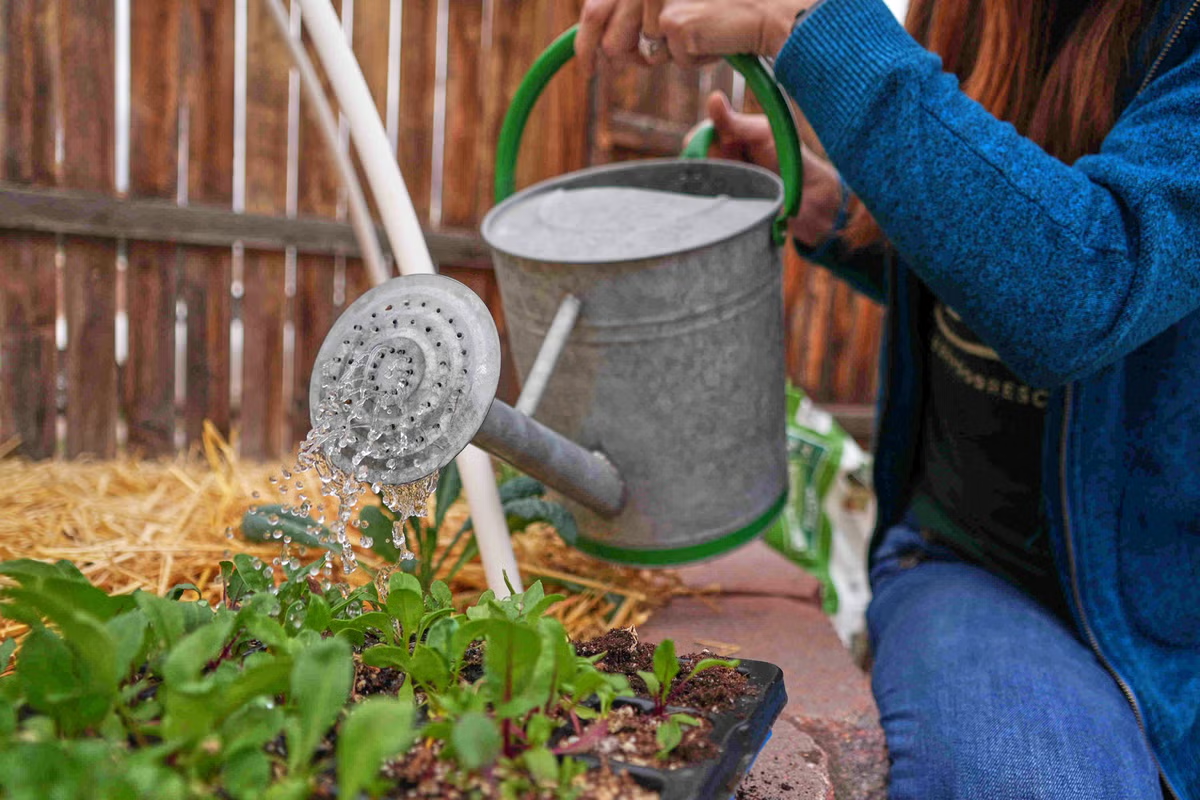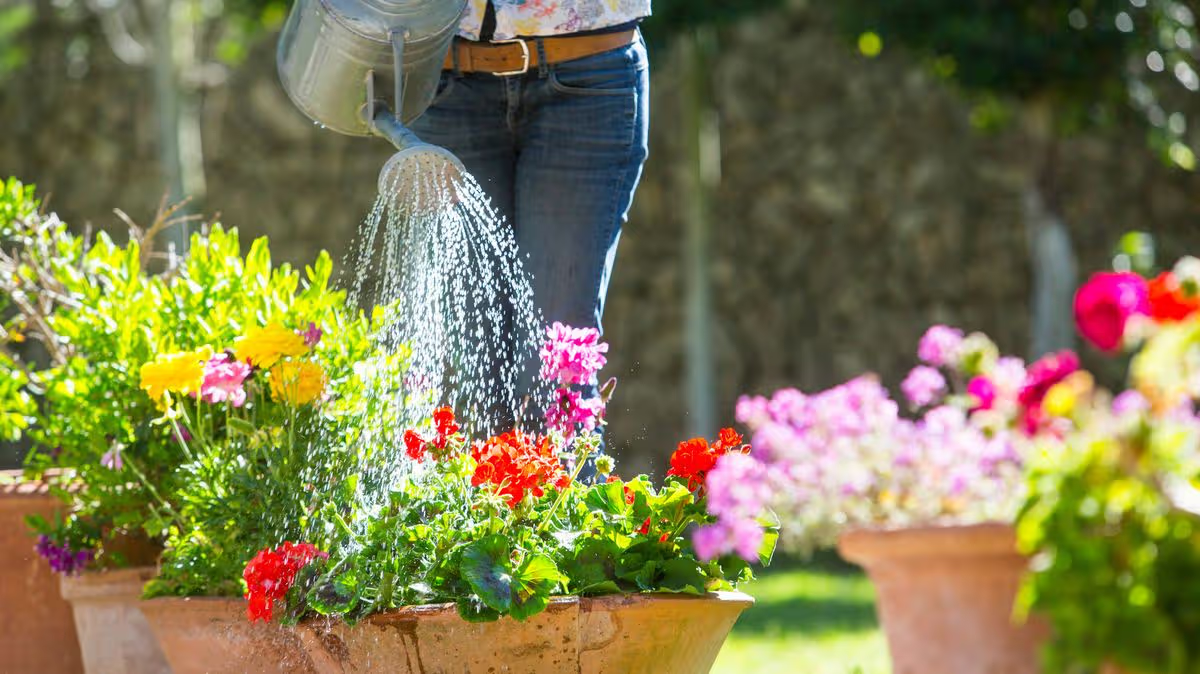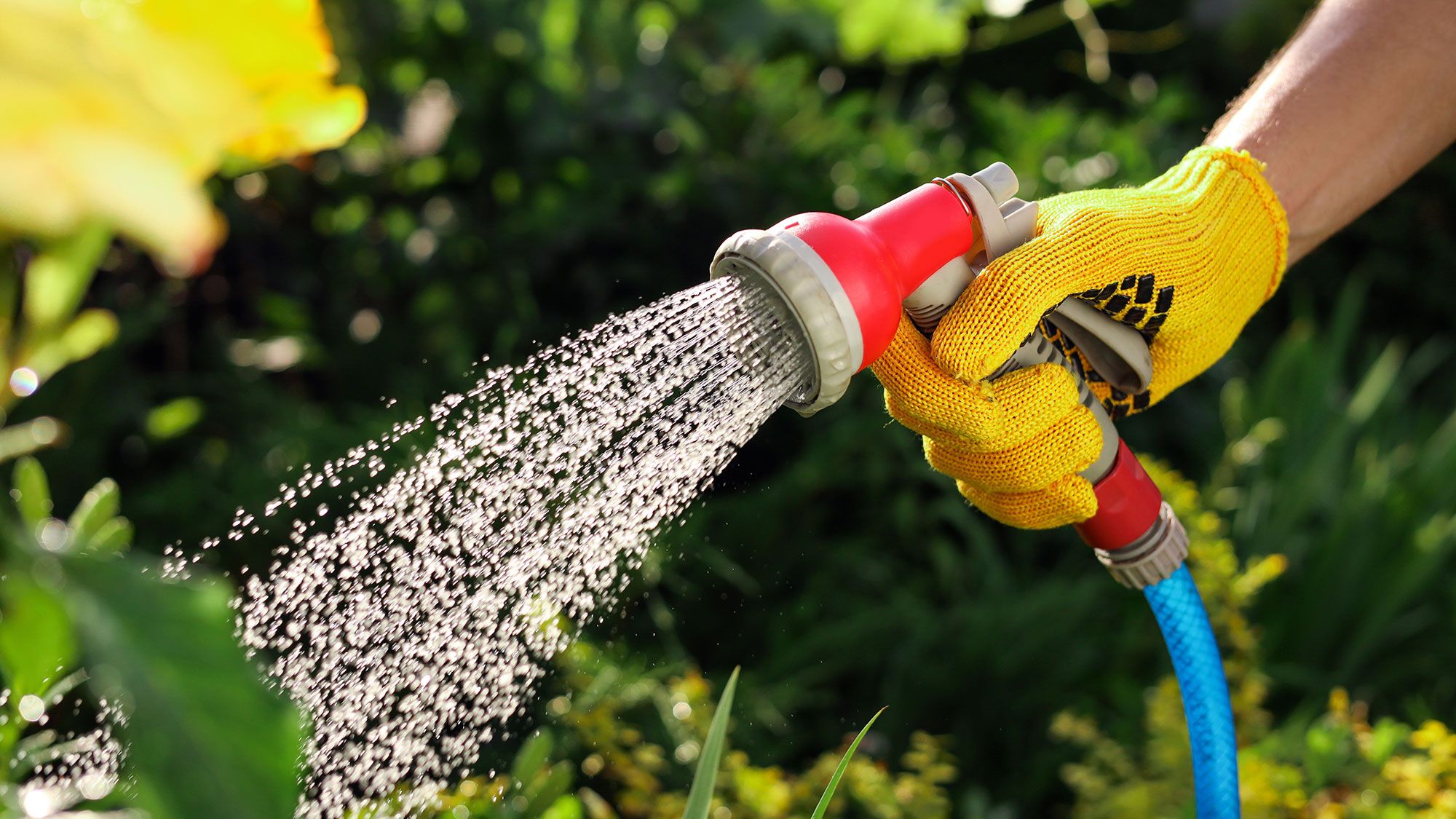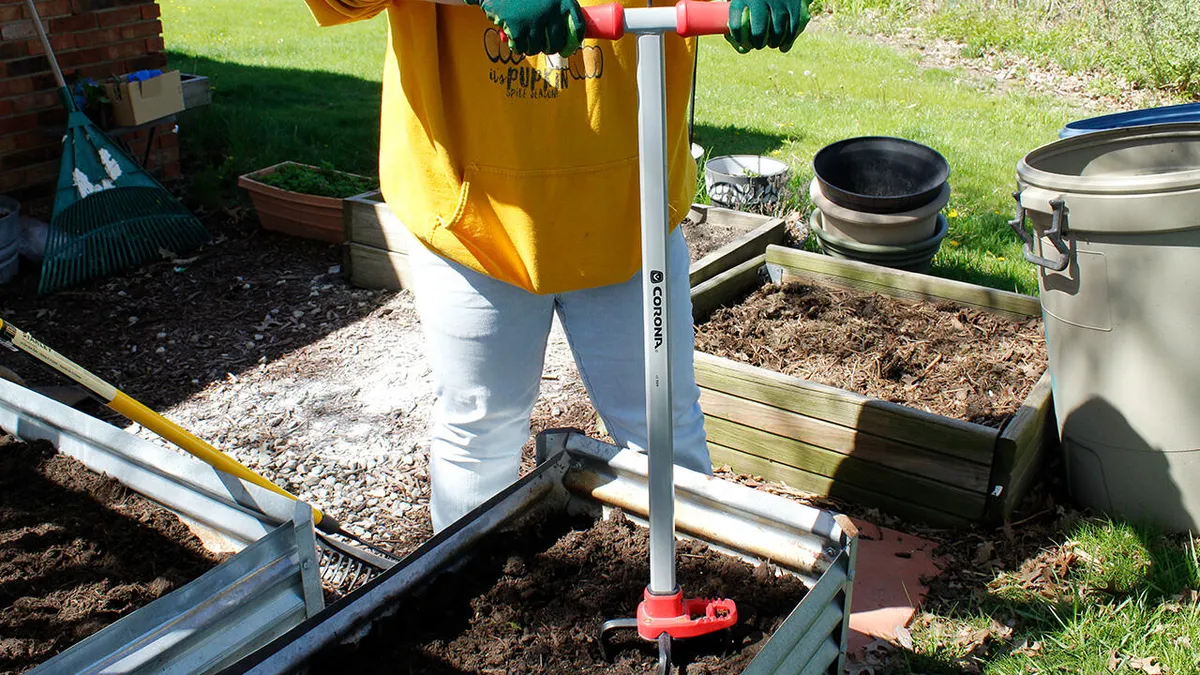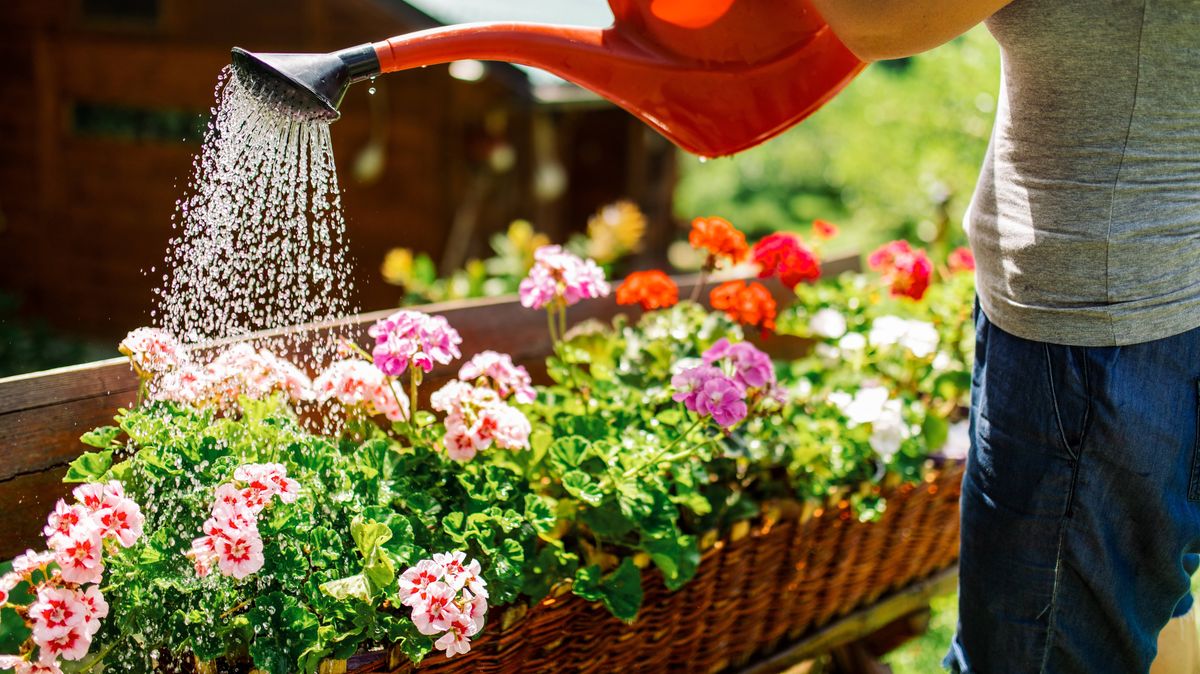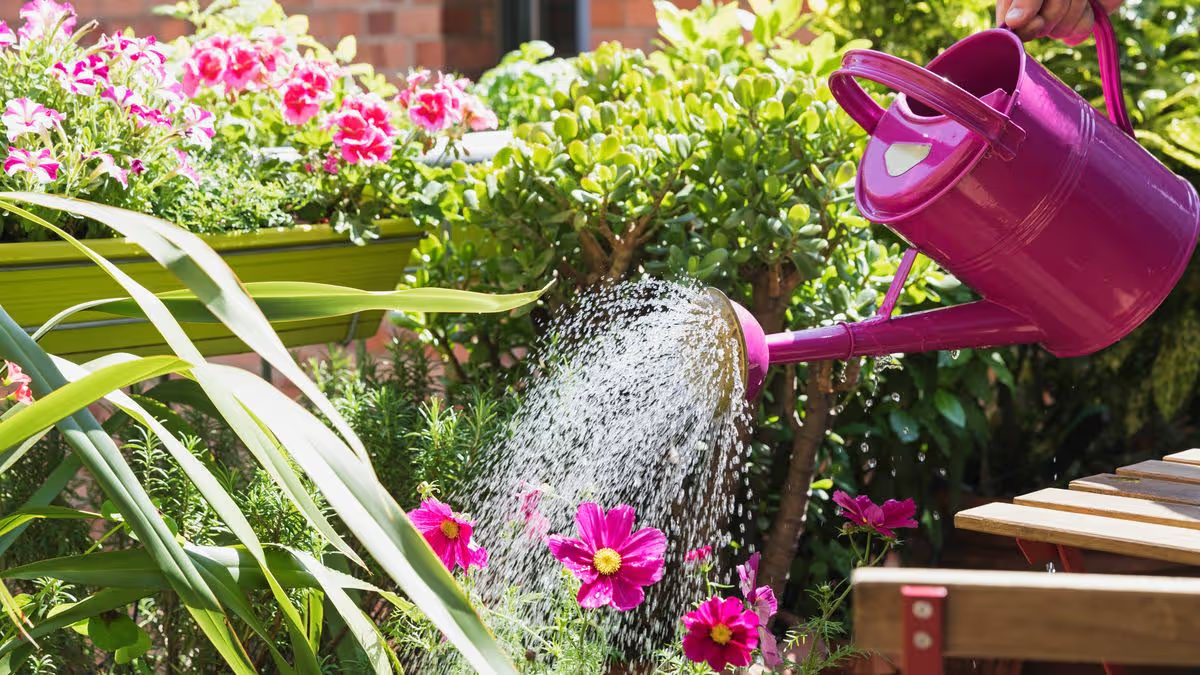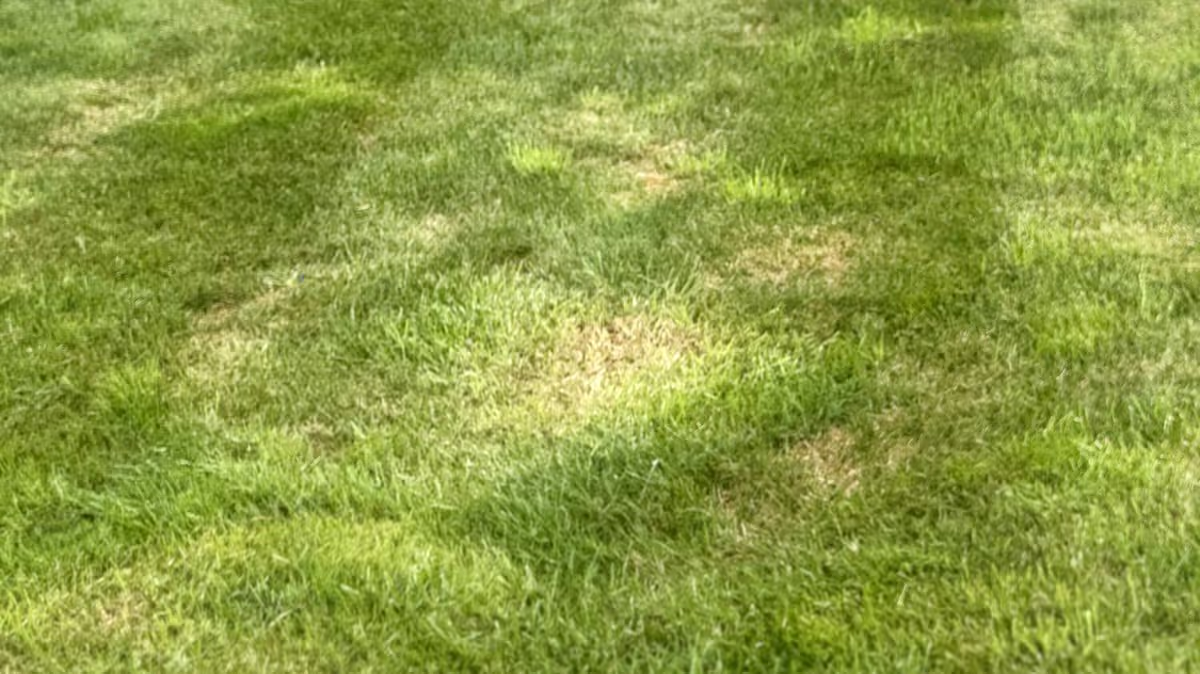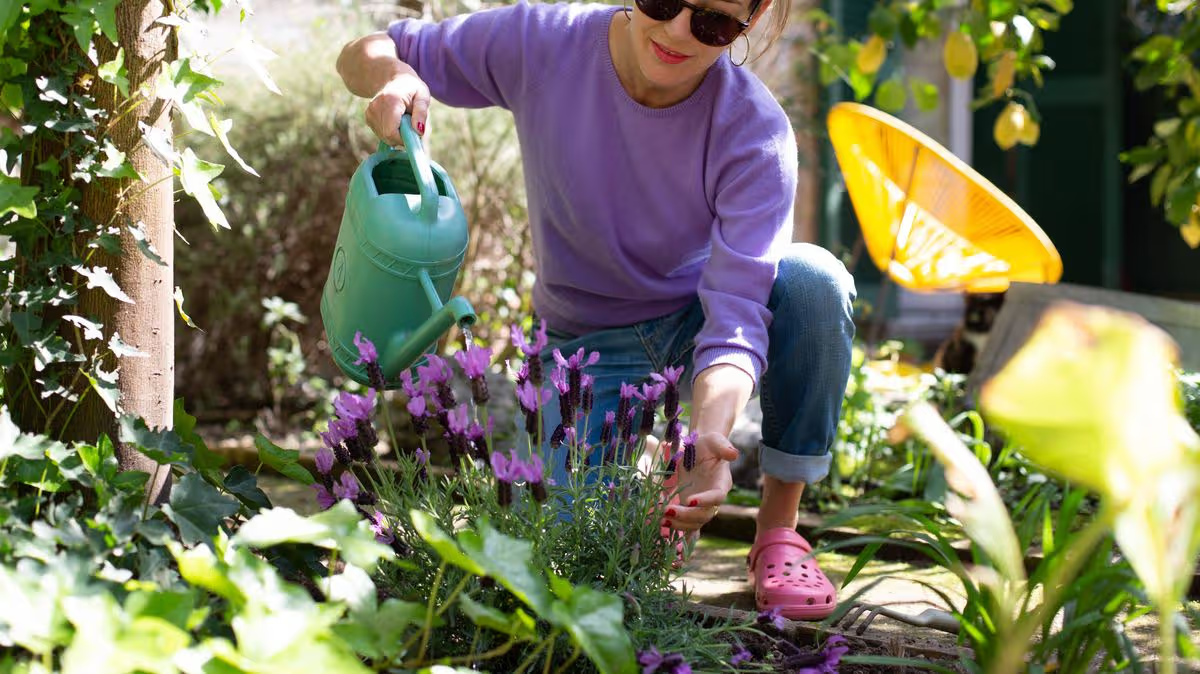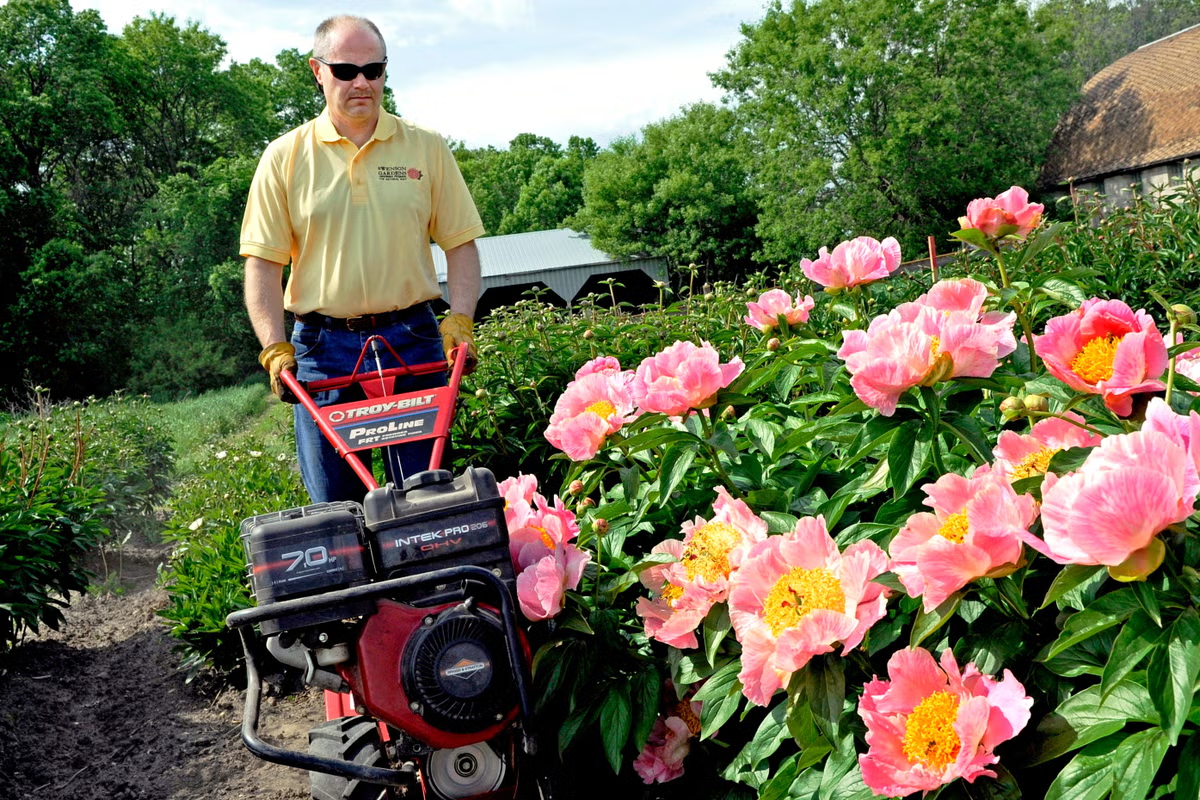
As the gardening season blossoms, so too does a veritable jungle of advice – much of it unhelpful, and some downright damaging. From viral social media 'hacks' to well-meaning but misinformed friends, gardeners are often bombarded with tips that, while seemingly brilliant, can lead to wasted effort, ruined plants, and unnecessary expense. It's time to separate the horticultural gold from the compost, debunking common myths that could be sabotaging your green-fingered ambitions.One pervasive myth suggests using vinegar as a 'safe and natural' weedkiller. While household vinegar might scorch leaves, acting as a contact herbicide, it rarely kills roots, meaning weeds often return. Stronger horticultural vinegar, with its higher acetic acid concentration, is more effective but poses risks: it can harm soil, damage nearby plants, and requires careful handling with gloves and goggles to prevent injury. Instead, opt for manual weeding, followed by a 3-4 inch layer of organic mulch to suppress new growth. Weeds that emerge in mulch are easily removed. For small weeds in paving cracks, baking soda sprinkled on a dry, windless day can be effective (avoid in garden beds). Alternatively, a crevice weeding tool or targeted propane flame tool can eradicate them, with cracks then sealed to prevent recurrence.Another common misconception involves applying wound paint to seal cuts on pruned tree limbs. Trees possess a natural ability to compartmentalise wounds, rendering sealants largely unnecessary. Compost made from decomposed green kitchen scraps, yard litter and garden waste (AP)In fact, these products can trap moisture and disease-causing pathogens, inadvertently encouraging decay and hindering the tree's inherent healing process. Light sealants are only advisable for elm or oak trees pruned or injured during the growing season, specifically to deter Dutch elm disease and oak wilt. They are not needed when pruning these trees during their recommended dormant period. The best approach is to employ proper pruning techniques, prune at the appropriate time of year, and allow the tree's natural mechanisms to heal the wounds.The annual tilling of garden beds, often done for aesthetic neatness, is another practice best avoided. While it might look tidy, over-tilling devastates beneficial soil microbes, kills earthworms, disrupts vital mycorrhizal fungi networks, damages soil structure, increases erosion, brings weed seeds to the surface, and impairs moisture retention. Instead, for average conditions, spread a 2- to 3-inch layer of compost over beds, allowing it to integrate naturally. For new beds, cover the area with thick layers of newspaper or corrugated cardboard in autumn, topping with mulch or compost to smother grass and weeds over winter. If not planned, lay cardboard now, cut holes for planting, then apply mulch. If soil compaction necessitates turning, use a broadfork or long-handled garden fork gently, using these tools to incorporate amendments.Daily, light watering of houseplants, garden plants, potted outdoor plants, or lawns is a frequent error. This method only moistens the soil surface, failing to reach the crucial root depth where water is truly needed. A woman waters beet seedlings (AP)Consequently, plant roots remain shallow, near their perceived water source, rather than developing a deeper, more resilient system. Instead, water more deeply and less frequently. This encourages roots to grow downwards and outwards, establishing a larger system capable of accessing moisture from a wider area and better withstanding periods of drought.Finally, the use of landscape fabric under garden beds to deter weeds is often counterproductive. These barrier fabrics rarely provide long-term weed suppression, instead creating tangled root masses, restricting water and oxygen flow, and introducing microplastics as they degrade. A superior method involves applying a 2-to-4-inch layer of organic mulch (shredded bark, wood chips, or straw) directly over the soil, keeping it clear of trunks and stems. This mulch should be refreshed as it breaks down. It effectively regulates soil temperature and moisture, enriches the soil as it decomposes, and supports the vital soil life that underpins healthy plant growth. An exception where landscape fabric can be useful is beneath gravel or stone paths, or walkways, where it acts as a barrier between the hardscape and the underlying soil.By understanding these common pitfalls, gardeners can cultivate healthier, more resilient outdoor spaces without falling victim to misleading advice.
Five common gardening myths debunked that could be ruining your plants
Gardening season is here, and so is the bad advice
686 words~3 min read