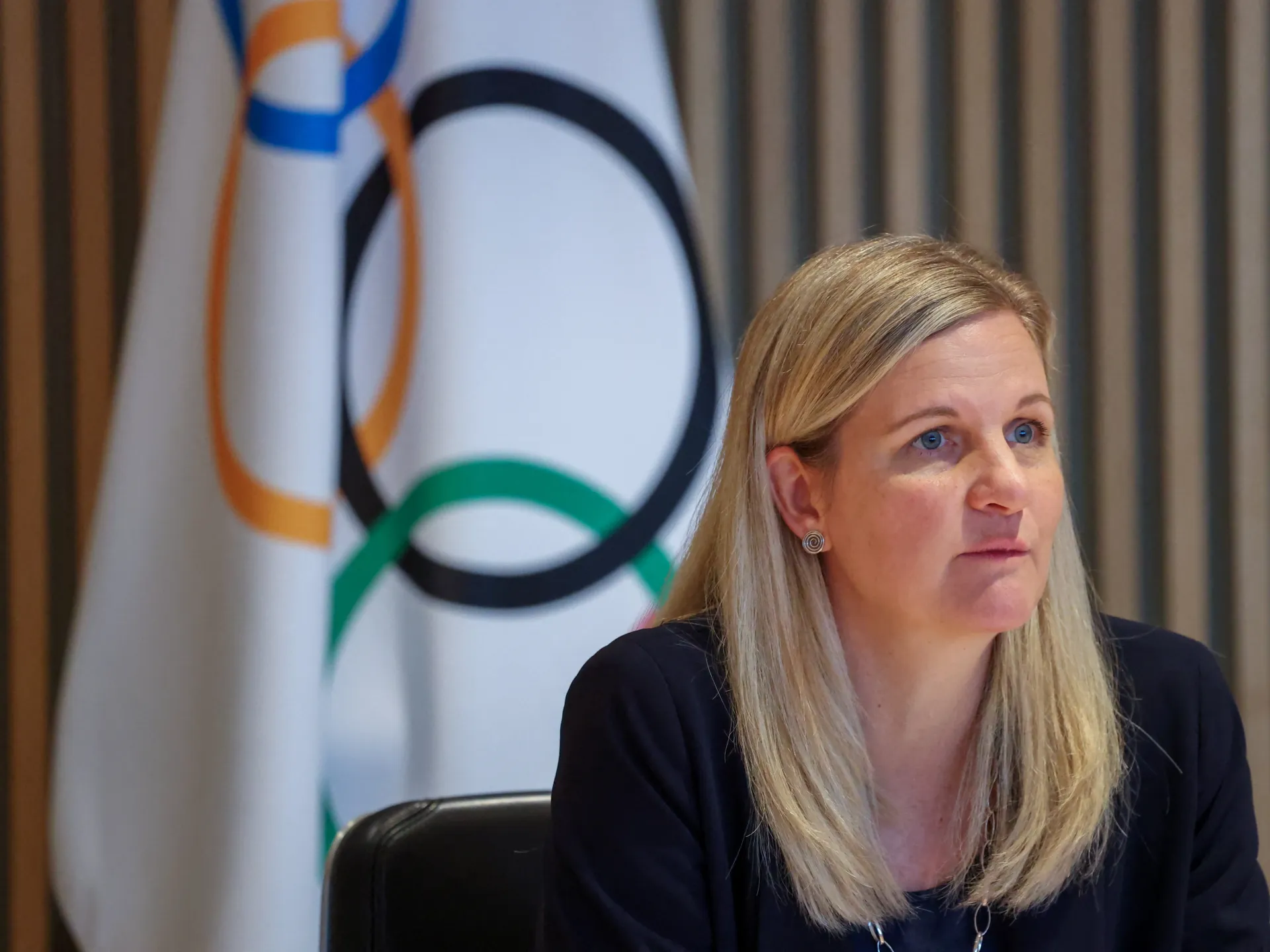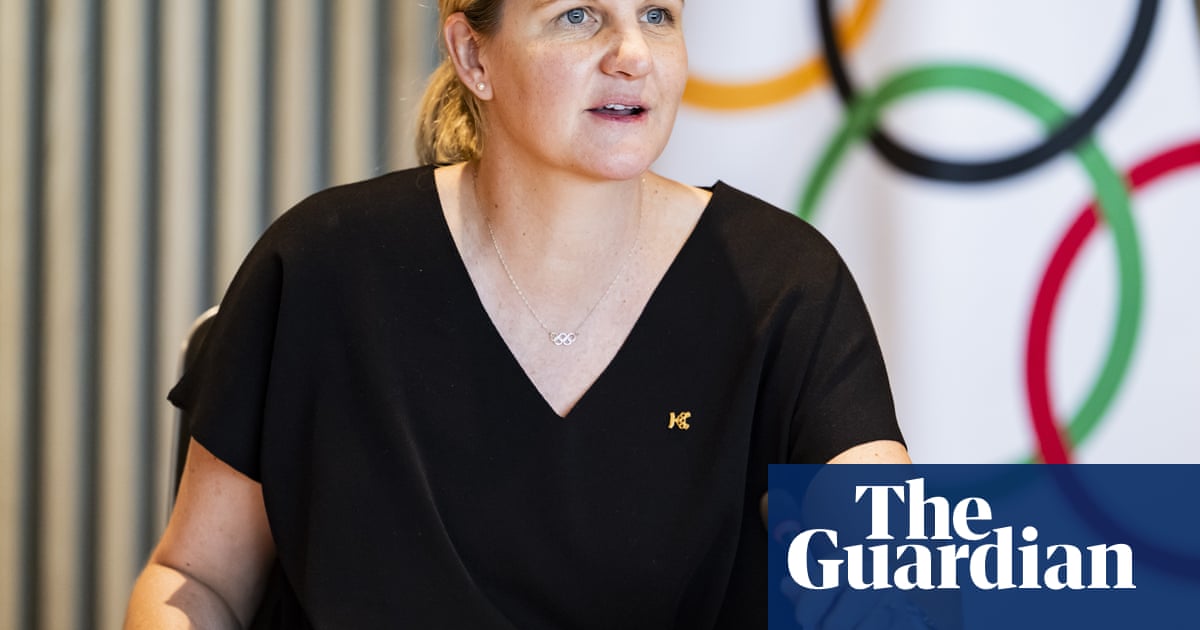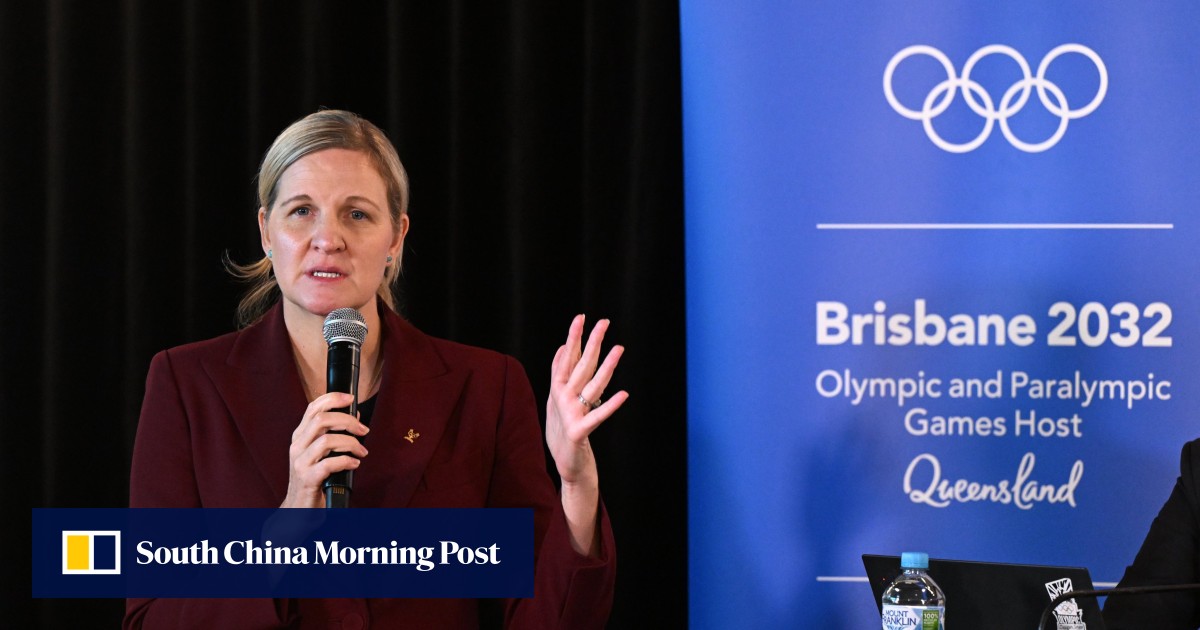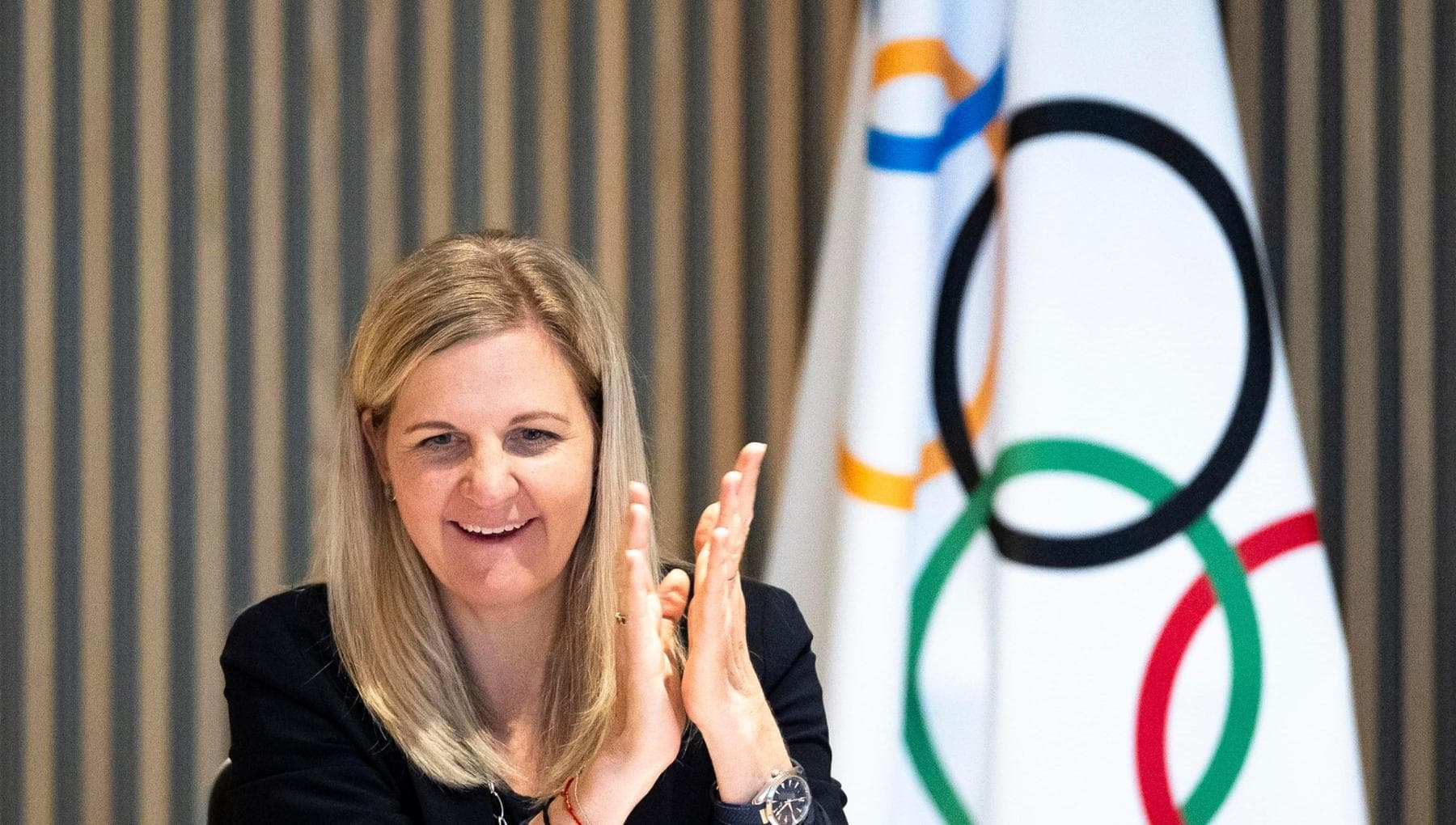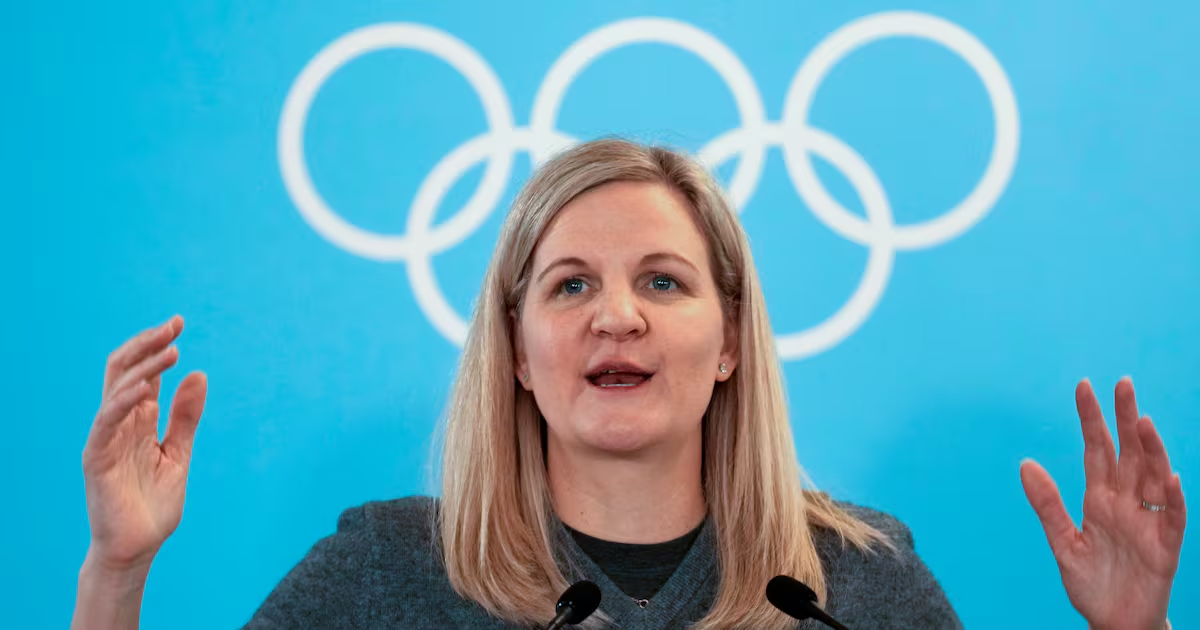
Maybe Kirsty Coventry should have known better. There is no more sensitive subject in sport right now than the proper remuneration of athletes.When Coventry won the race to succeed Thomas Bach as president of the International Olympic Committee (IOC) in March of last year, she immediately hit upon several firsts. She was the first woman to be elected president in the 131-year history of the IOC and the first from Africa. Coventry won seven Olympic medals in swimming for Zimbabwe including gold in the 200m backstroke in Athens in 2004 and again in Beijing four years later.Initially it was unclear if she might also become the first IOC president to address the issue of payment to Olympic athletes, whether they win medals or not. This was a previous no-go in what the IOC dub their Olympic solidarity model. Well, now at least we know – it won’t be happening on her watch.“I don’t believe in paying athletes,” Coventry told New Zealand-based outlet Sport Nation. “I come from a small country, I came from a sport that doesn’t necessarily pay athletes very well and I still don’t think we should be paying athletes at the Olympic Games.”Often dubbed the Lord of the Rings – or in this case Lady of the Rings – the IOC presidency is still rated the most powerful position in global sport. At 42, Coventry is also one of the youngest IOC presidents of modern times, winning convincingly in the seven-candidate election last year.This sort of popularity might strengthen her position within the IOC. But when she set a world record at the 2008 Olympics in Beijing, she afterwards accepted a cash prize of $100,000 from then Zimbabwean president Robert Mugabe on live television. That hasn’t aged particularly well.She reportedly earns a basic salary of $350,000 from the IOC, plus a housing allowance, so it’s no wonder so many past and present Olympic champions believe her thoughts on paying Olympic athletes won’t age particularly well either.Cameron McEvoy celebrates after winning gold in the men's 50m freestyle final at the China Open Swimming Championships in March. McEvoy won in a new world record time of 20.88. Photograph: Lintao Zhang/Getty Images Cameron McEvoy, Australia’s reigning Olympic champion in the 50m freestyle, said her comments “could not have been stated at a more inopportune time”. McEvoy broke the 50m world record at the China Open in March and received a world record bonus of $0, given the event was not organised by World Aquatics, who give a bonus of $30,000 (€25,730) for new world records. Greg Rutherford, Britain’s Olympic long jump champion from London 2012, also gave Coventry a piece of his mind: “I’m not saying every athlete should become a millionaire. I’m asking for an organisation that makes $12 billion, charges nations billions to host it, pays its executive millions, blocks athletes from earning and owns footage of their greatest moments to have a long, hard look at itself.“Because right now, the people at the top are doing very nicely. The people making it all possible? Not so much.”[ Kirsty Coventry vows to stay humble as the first female president of the IOCOpens in new window ]Derval O’Rourke, incidentally, had high praise for Rutherford, commenting on Instagram that the IOC policy on not paying athletes is “exploitation, plain and simple . . . greedy and self-serving”.According to its own financial report, the IOC generated $12.4 billion during the 2021-2024 cycle, mostly from global broadcast rights. Part of Coventry’s argument for not paying Olympic athletes is that the money is better spent on strengthening IOC scholarships, development programmes and other athlete supports.“And they get beautiful venues, beautiful villages and a beautiful experience,” Coventry added. “And all of that comes from the money that we raise.”World Athletics president Sebastian Coe launched an unsuccessful bid for the IOC presidency last year. Photograph: AFP via Getty Images The IOC can also use athletes’ name, image and likeness (NIL) to promote or celebrate the Olympics, while athletes receive nothing in return. In US college sports, the NCAA reversed their rules on NIL in 2021, so that athletes can now receive payments.World Athletics president Sebastian Coe did recognise the conflict here. His organisation became the first governing body to introduce prize money in Paris in 2024, awarding $50,000 to each gold medal winner, against the wishes of the IOC. Coe also ran for the IOC presidency last year, but could only secure eight votes. There’s little doubt his belief on the payments to Olympic athletes had a lot do with this.For now, Coe has other worries. World Athletics came in for criticism this week for placing some unreasonably high demands on their athletes with their qualifying standards for next year’s World Athletics Championships in Beijing. By way of summary, most of the track, field and marathon standards are significantly more difficult than for last year’s World Championships in Tokyo. In some cases, brutally so. They are a world away from the qualifying standards of a decade ago and in almost all events, far beyond the Irish national records.In the men’s 100m, for example, the qualifying standard is now under 10 seconds – set at 9.95 seconds, compared to 10.0 for Tokyo last year. Sharlene Mawdsley smashed her lifetime best when running 50.17 to win in Brussels last Saturday. File photograph: Pat Scaasi/MI News/NurPhoto via Getty Images The women’s 100m qualifying time has also gone under 11 seconds, set at 10.96, compared to 11.07 in 2025. And the women’s 400m qualifying time is now 50.00 – which means Sharlene Mawdsley, who smashed her lifetime best when running 50.17 to win in Brussels last Saturday, still has a bit to go.The men’s 1,500m qualifying time has gone from 3:33.00 to 3:30.00 – the Irish record belonging to Andrew Coscoran is 3:30.42. The automatic qualifying time in the men’s marathon is now 2:06:00, again faster than the breakthrough Irish record set by Peter Lynch in London in April, when he clocked 2:06:06.World Athletics has admittedly shifted more of their two-route qualifying criteria from the automatic standards to the qualifying rankings. For previous World Championships, the aim was a 50-50 split; for Beijing next year, the aim is for 40 per cent to qualify via the standard and 60 per cent via ranking. This is designed to recognise “both exceptional single performances and consistent high-level competition across the qualification period”.It’s another worrying scenario given this rise in qualifying standards is sure to continue for the LA Olympics in 2028. And still with no prospect of any remuneration.
IOC president Kirsty Coventry doesn’t ‘believe in paying athletes’. That will age badly
The former Olympic champion – who commands a seven-figure salary – has been criticised for her stance
1,088 words~5 min read