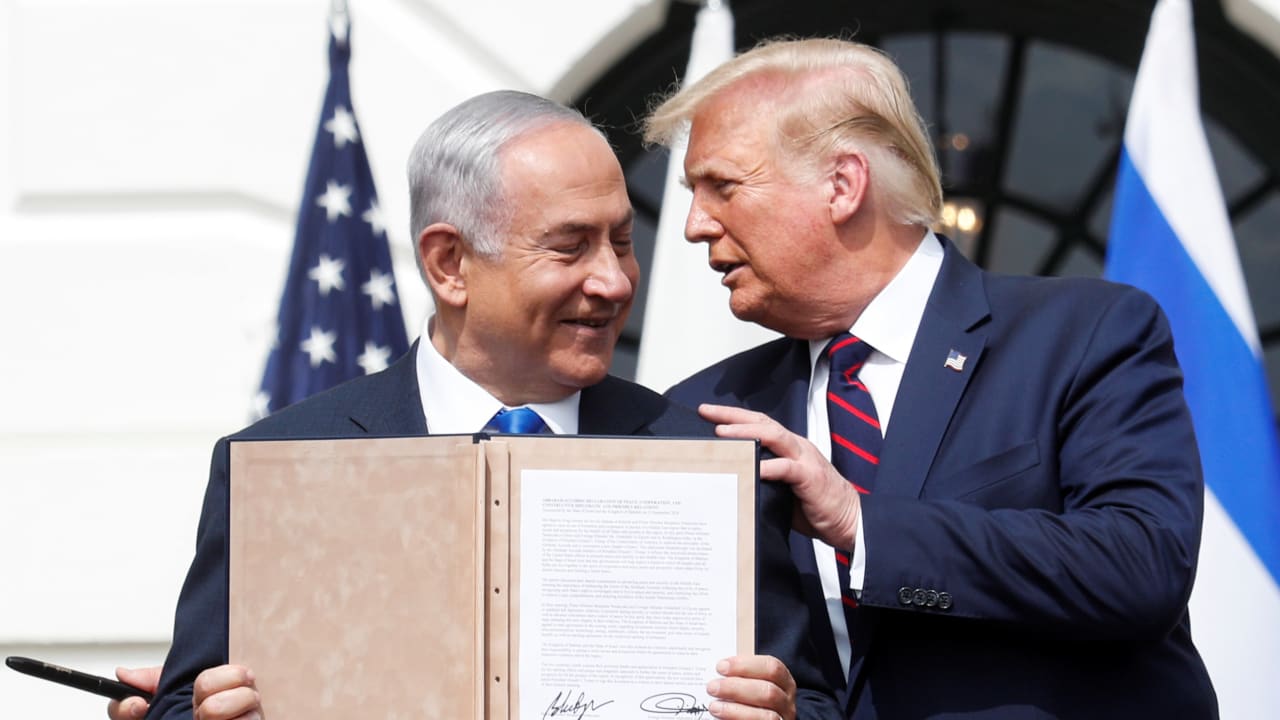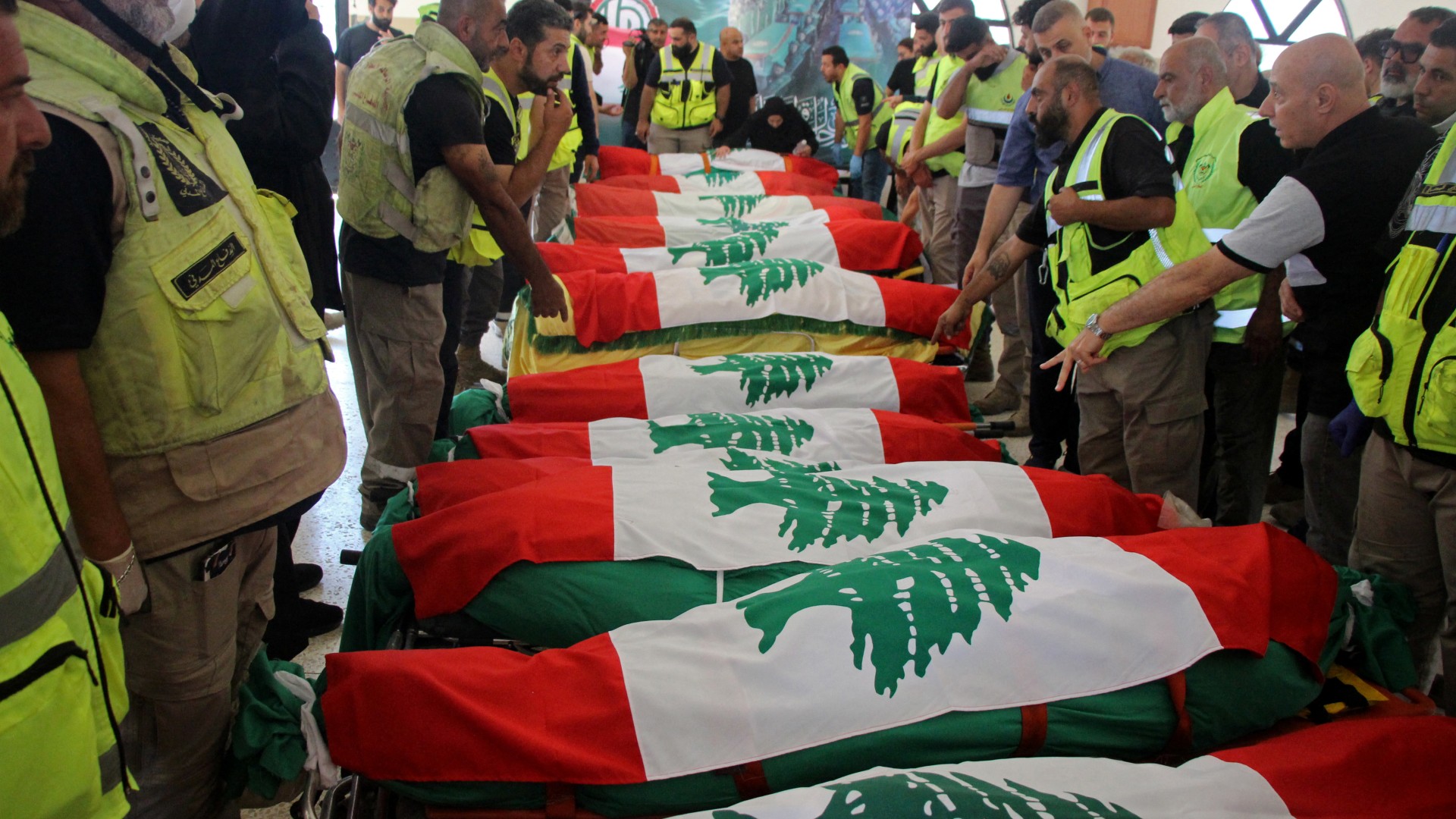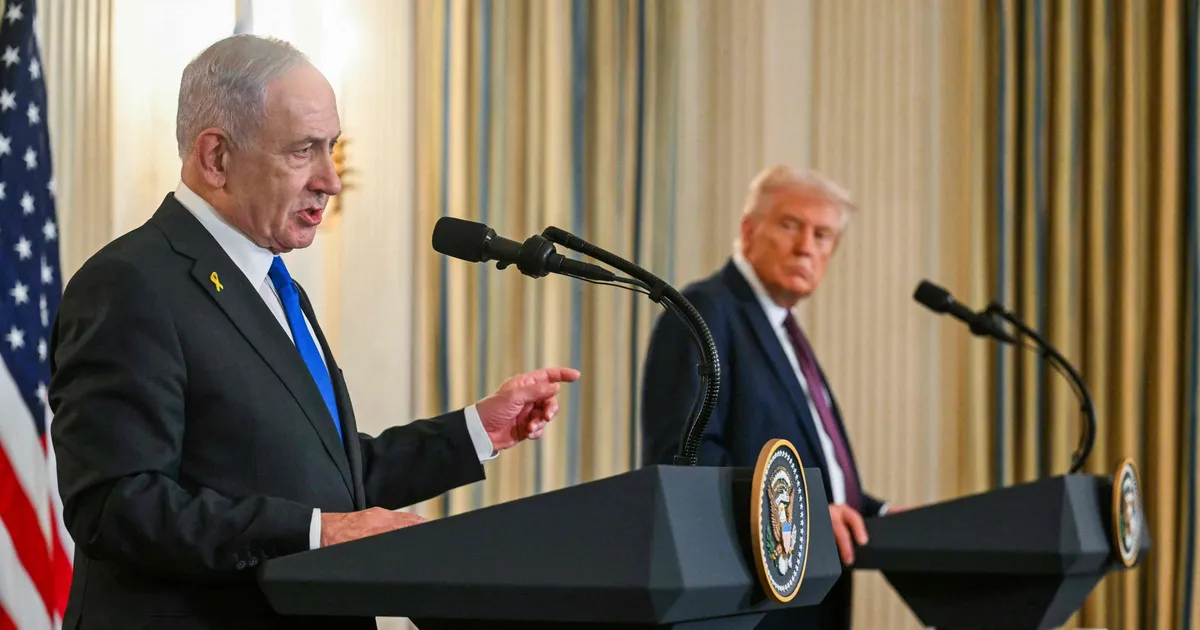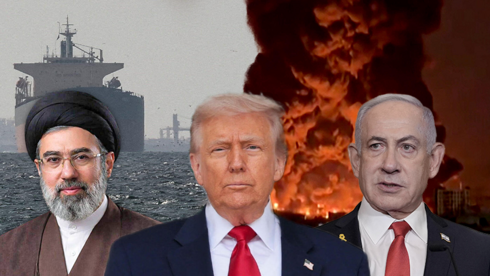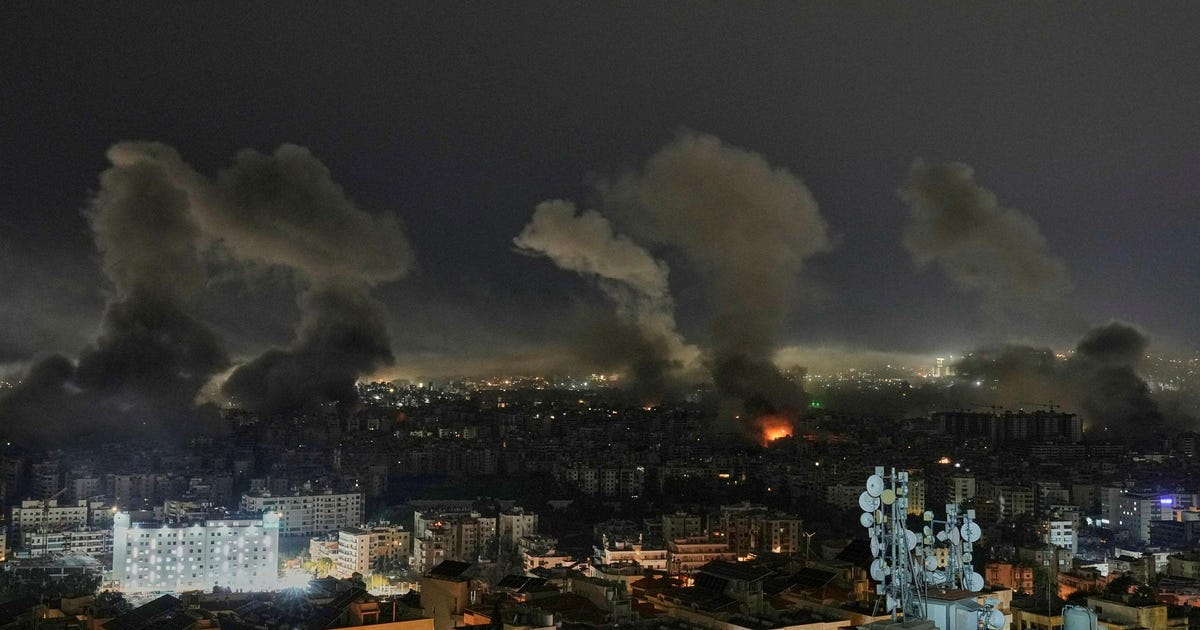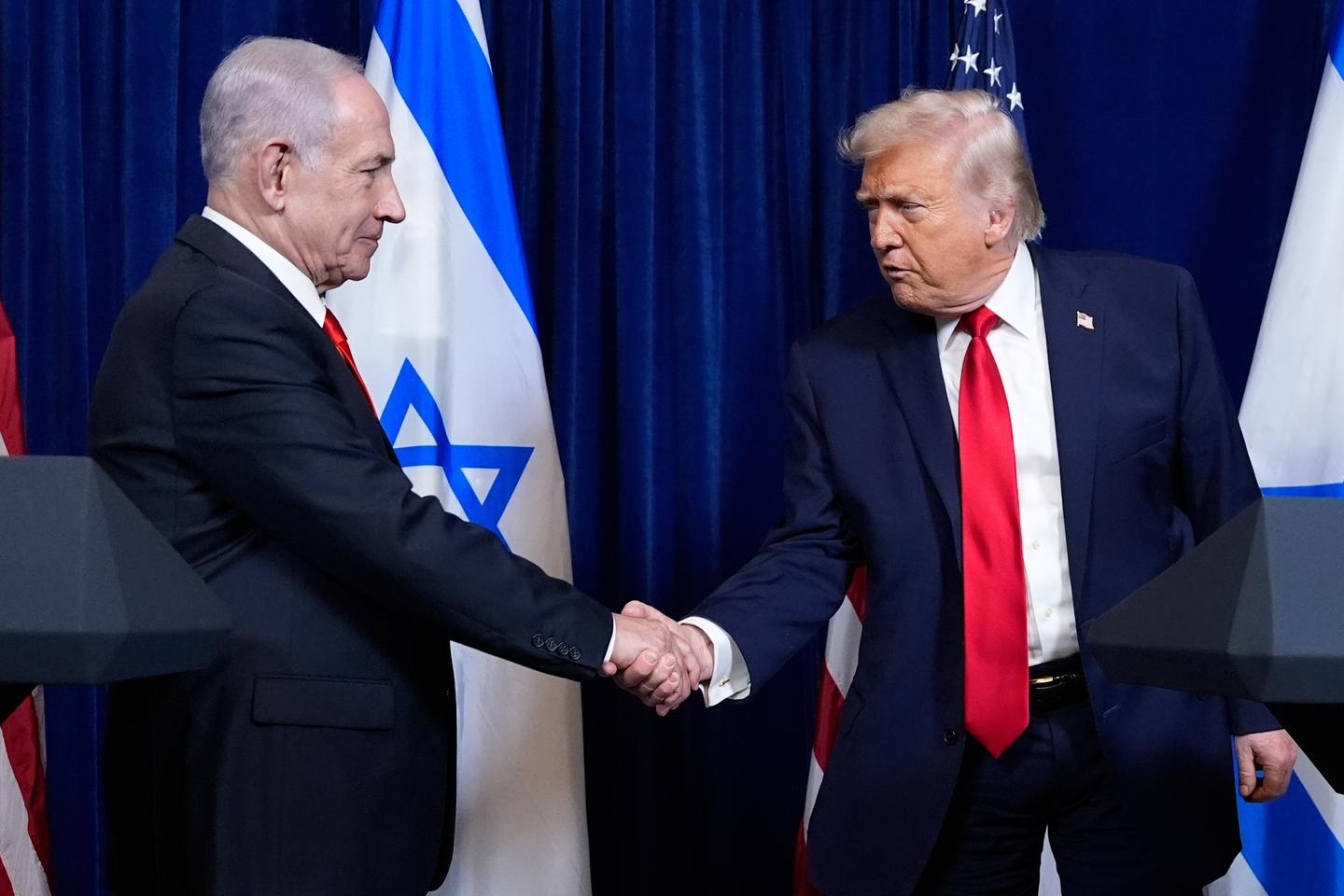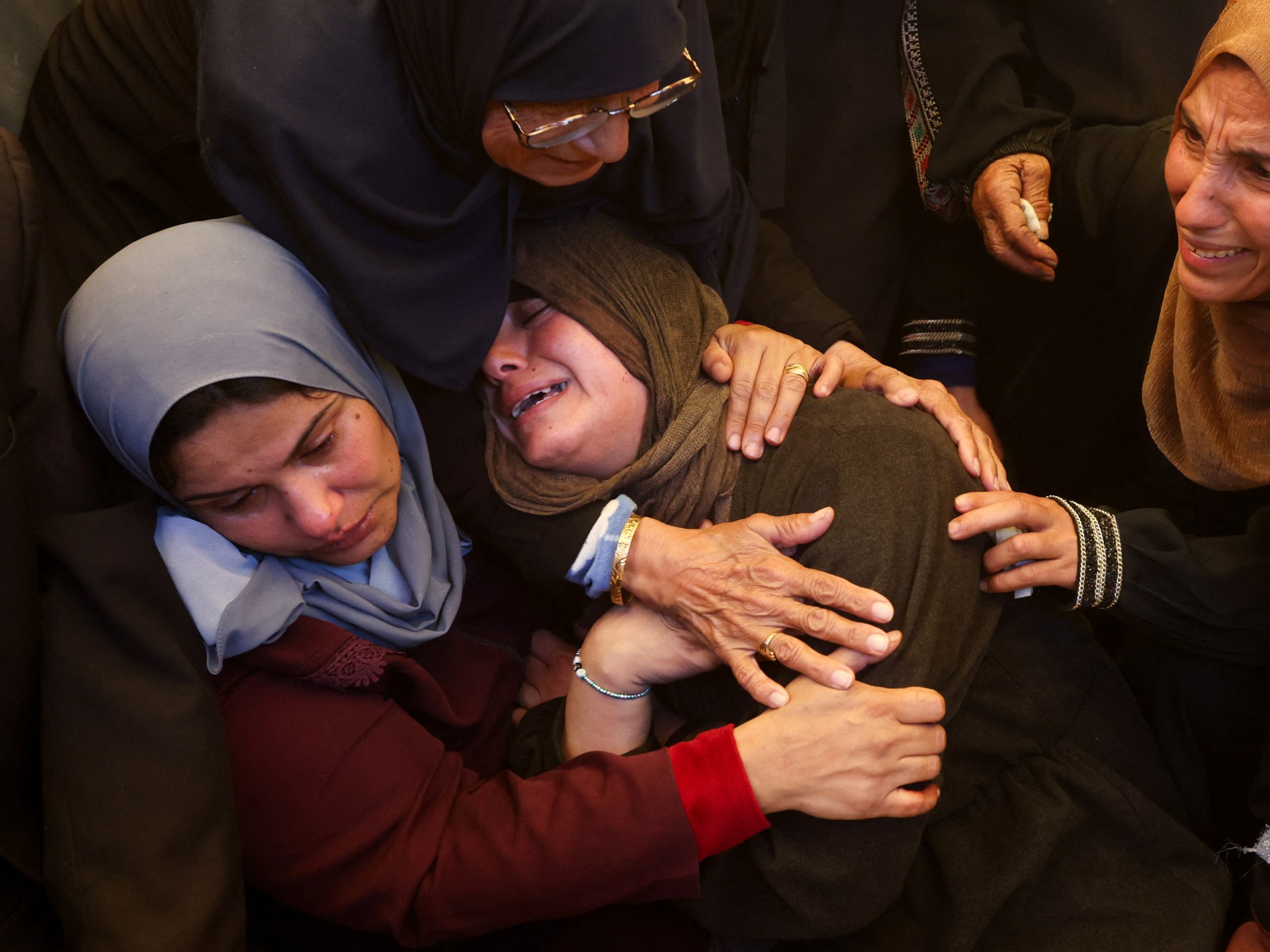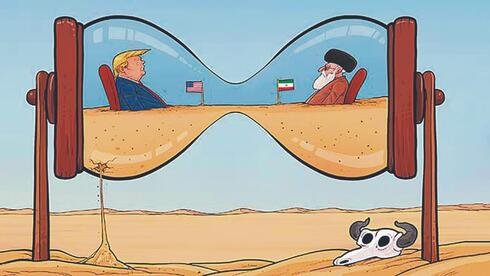
Analysis: Draft arrangements on Iran, Lebanon and Gaza could reshape the regional battlefield, but none promises the decisive victory Israel sought; the alternative may be an open-ended war of attrition with no clear strategic endThree draft cease-fire and political-arrangement agreements for three Middle Eastern conflicts are now being advanced. The most important draft concerns the confrontation with Iran. Alongside it are a faltering cease-fire text for Lebanon and a long-term arrangement proposal for Gaza.At this stage, none of the moves is certain, and in each arena there remains a possibility that fighting will resume or continue.1 View gallery (Illustration: from Al-Quds Al-Arabi)The talks on an agreement with Iran appear to be the most serious, and the emerging text is deeply troubling for Israel. At its center, according to reports, is a U.S. commitment to a complete halt of military action against Tehran and to lifting the maritime blockade, opening the Strait of Hormuz, a card the Iranians created during the war, and only afterward discussing Iran’s nuclear program.Trump promised this week that Iran’s 60% enriched uranium would be taken out of the country and destroyed, but at least for now, Tehran has made no such commitment.The other components that were supposed to be part of forcing Tehran to submit are absent from the reports, chief among them Iran’s long-range missiles and the Islamic regime’s regional proxies. Also pushed to the sidelines is the Iranian people, whose protest movement was one of the “triggers” of the war and who were promised that “help is on the way,” alongside the collapse of the early-war fantasy that a fanatical regime could be brought down through “decapitation” and the use of minorities.By contrast, the Islamic regime feels strengthened after surviving the greatest threat it has ever faced and is working vigorously to secure strategic gains. Beyond guarantees meant to prevent another attack, Tehran is also demanding the lifting of sanctions, which would reduce domestic public and economic pressure, as well as the release of $24 billion frozen in banks around the world.That was the purpose of this week’s visit to Qatar by Mohammad Bagher Ghalibaf, the speaker of parliament and currently the most powerful man in Tehran, Foreign Minister Abbas Araghchi and Iran’s central bank governor Abdolnaser Hemmati, a move that also illustrated Doha’s return to the forefront of mediation.The growing confidence at the top of the Iranian leadership was reflected this week in the decision to restore internet access after it was cut during the wave of protests, and in the declaration by Mojtaba Khamenei, the supreme leader, that “the Middle East will no longer provide protection for American bases,” and that after the war the slogans “Death to America” and “Death to Israel” would spread throughout the Islamic nation, especially among young people.In the background stands the Arab world, which contrary to reports, and to Israeli hopes, does not want Trump and Netanyahu to “go all the way.” It is instead seeking a rapid end to a confrontation it sees as doing more harm than good: the Islamic regime has survived and become more extreme, while the energy sector continues to suffer a severe crisis because of disrupted movement through the Strait of Hormuz.The Arab hope now is that an agreement will create a rift between Israel and the United States and block what is seen as the consolidation of Israeli hegemony under Trump’s sponsorship.“Any agreement between Tehran and Washington will be a personal defeat for Netanyahu, and will mark Israel’s return to the passenger seat after serving as the driver during the war,” the editorial in the daily Al-Quds Al-Arabi said this week.To sweeten what appears to be a bitter pill for Israel, Trump promised this week that Saudi Arabia and Qatar would join the Abraham Accords, alongside a puzzling mention of Jordan and Egypt, which already have peace agreements with Israel, as well as Turkey and Pakistan.The response was swift and predictable: Riyadh repeated its familiar mantra, one Israel either does not understand or does not want to understand, that advancing ties between the countries depends first and foremost on dialogue over the Palestinian issue, something the government naturally avoids for political and ideological reasons.Tehran stresses that ending the war must also include Lebanon, a position meant to show that despite the blows suffered by Iran and Hezbollah, it still has influence in the northern arena.Israel, for its part, is deeply frustrated, as most of the assessments and hopes regarding the front against Hezbollah have proved wrong. Despite the assassinations of senior figures, the capture of territory and the start of unprecedented negotiations with the Lebanese government, the organization led by Naim Qassem, initially described as a pale shadow of Nasrallah, is continuing a determined war of attrition centered on explosive drones. There are no signs that internal pressure in Lebanon, especially from the government, is affecting it.In the background, a demand that is troubling for Israel is being raised: a return to the pre-October 7 equation, meaning total Israeli avoidance of strikes on the organization, with Hezbollah making clear it will respond to any action, in contrast to the line it followed until Operation Lion’s Roar.“This campaign is a golden opportunity for Hezbollah to break the rules of the game Israel imposed since the end of 2024. In retrospect, it turns out that the organization’s decision not to respond to the attacks, whose effect on it was apparently limited, stemmed from its need for relative calm to rebuild its strength,” Prof. Eyal Zisser of Tel Aviv University’s Dayan Center said.“Israel is bogged down in a war of attrition that past experience shows usually works in Hezbollah’s favor, is constrained in its responses by the United States and is frustrated by the severe damage to communities in the north,” he added. “It seems that maneuvering another kilometer or two, or even striking the Shiite rear in Lebanon, is unlikely to change Hezbollah’s behavior.”Statements by power brokers in Lebanon this week reflect the mood in the country.“A full Israeli withdrawal from our territory is a demand we will not abandon,” President Joseph Aoun declared. He is being challenged by Qassem, who threatened that if the government cannot defend the country’s land, it should resign, and that “the people have every right to take to the streets, topple the government and express their opposition to the Israeli-American project they are trying to advance in Lebanon.”U.S. Secretary of State Marco Rubio responded by saying that “Hezbollah is trying to drag Lebanon back into chaos.”On Gaza, the key development is the 15-point road map presented a week ago by Nikolay Mladenov, the Board of Peace envoy to the Strip. Israel has not expressed an official position, but it is clear the plan does not meet the government’s declared goals.It includes a general description of the gradual disarmament of terrorist elements, alongside a demand for the IDF to withdraw from the yellow line, the start of reconstruction, the deployment of a multinational force and the establishment of a technocratic government.Hamas, for its part, is not enthusiastic about the plan either.“Mladenov sees everything through the lens of disarmament, and makes every step conditional on progress on that issue, without addressing Israel’s violations,” said Basem Naim, a member of Hamas’ political bureau.Dr. Michael MilshteinIn the background, Muhammad Odeh, the commander of Hamas’ military wing who replaced Izz al-Din al-Haddad after Haddad was killed 10 days earlier, was eliminated Tuesday. As expected, that strike too has not produced signs of collapse, much less any indication of willingness to compromise on disarmament.The past week illustrated lessons Israel should have learned long ago, but which were always pushed aside or dismissed as ridiculous. It is time they were internalized: Brilliant military achievements are useless without a strategy; the enemy takes blows but does not disappear and is driven by a logic that remains incomprehensible to Israeli decision-makers even after October 7; the Middle East has not changed dramatically and has not become friendlier; seizing territory is not a formula for long-term security; and above all, in the current reality, there are no absolute victories.All the emerging agreements are full of challenges. But the alternative right now is a multi-front war of attrition with no time limit and no clear purpose.Desk note: Current outside reporting also presents the U.S.-Iran track as fluid and disputed, with U.S. and Iranian accounts differing on whether a deal is close; recent reporting likewise describes Israel-Lebanon military talks at the Pentagon as rare and inconclusive.
Three fronts, no clear victory: The drafts that could reshape the region
Analysis: Draft arrangements on Iran, Lebanon and Gaza could reshape the regional battlefield, but none promises the decisive victory Israel sought; the alternative may be an open-ended war of attrition with no clear strategic end
1,409 words~6 min read