https://arab.news/wxzam
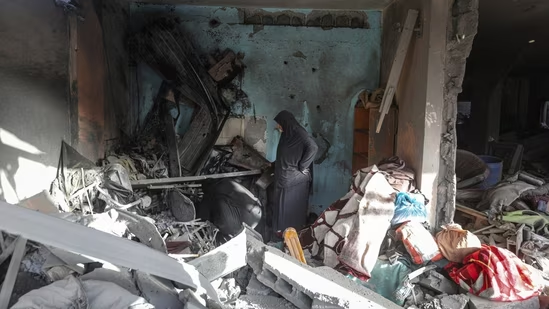
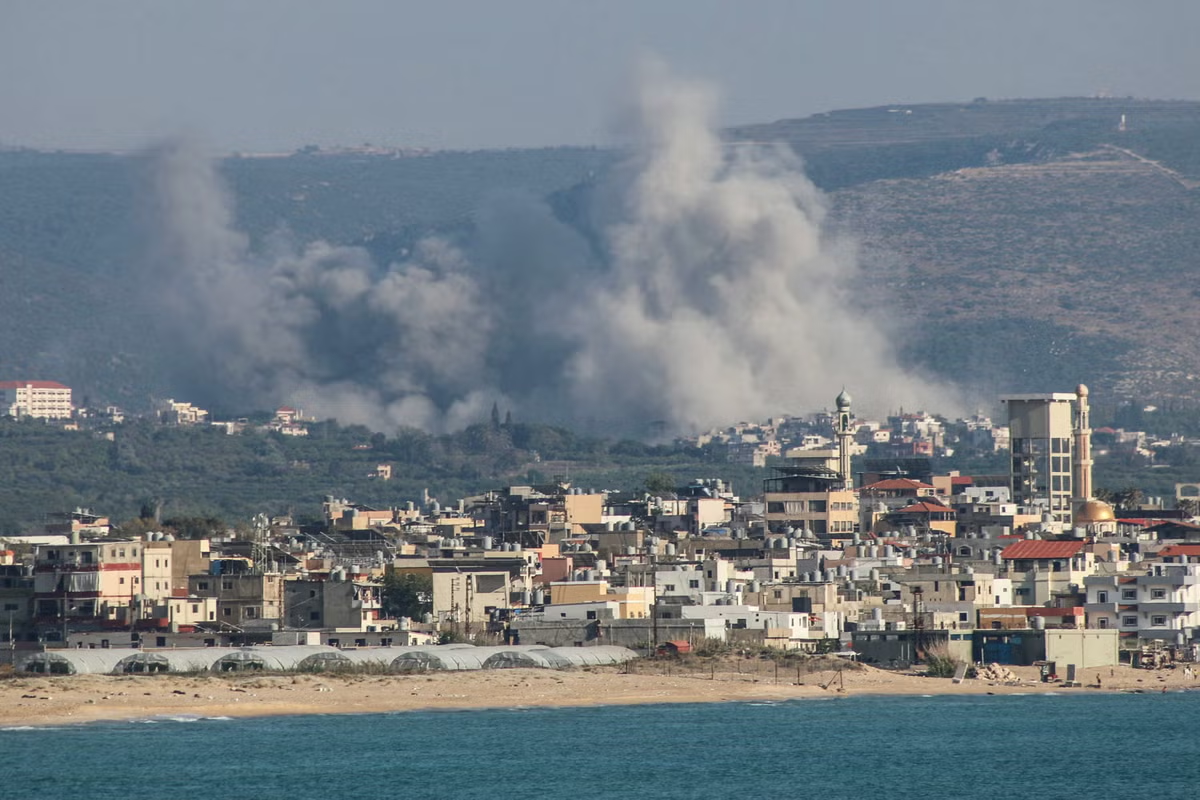
The war in Gaza has ended but the same cannot be said of Israel’s other conflicts. Three fronts remain open. In Lebanon, a fragile truce holds, while sporadic exchanges of fire continue with Yemen’s Houthis. Meanwhile, Iran remains the major front, having been on alert since June following the 12-day war.
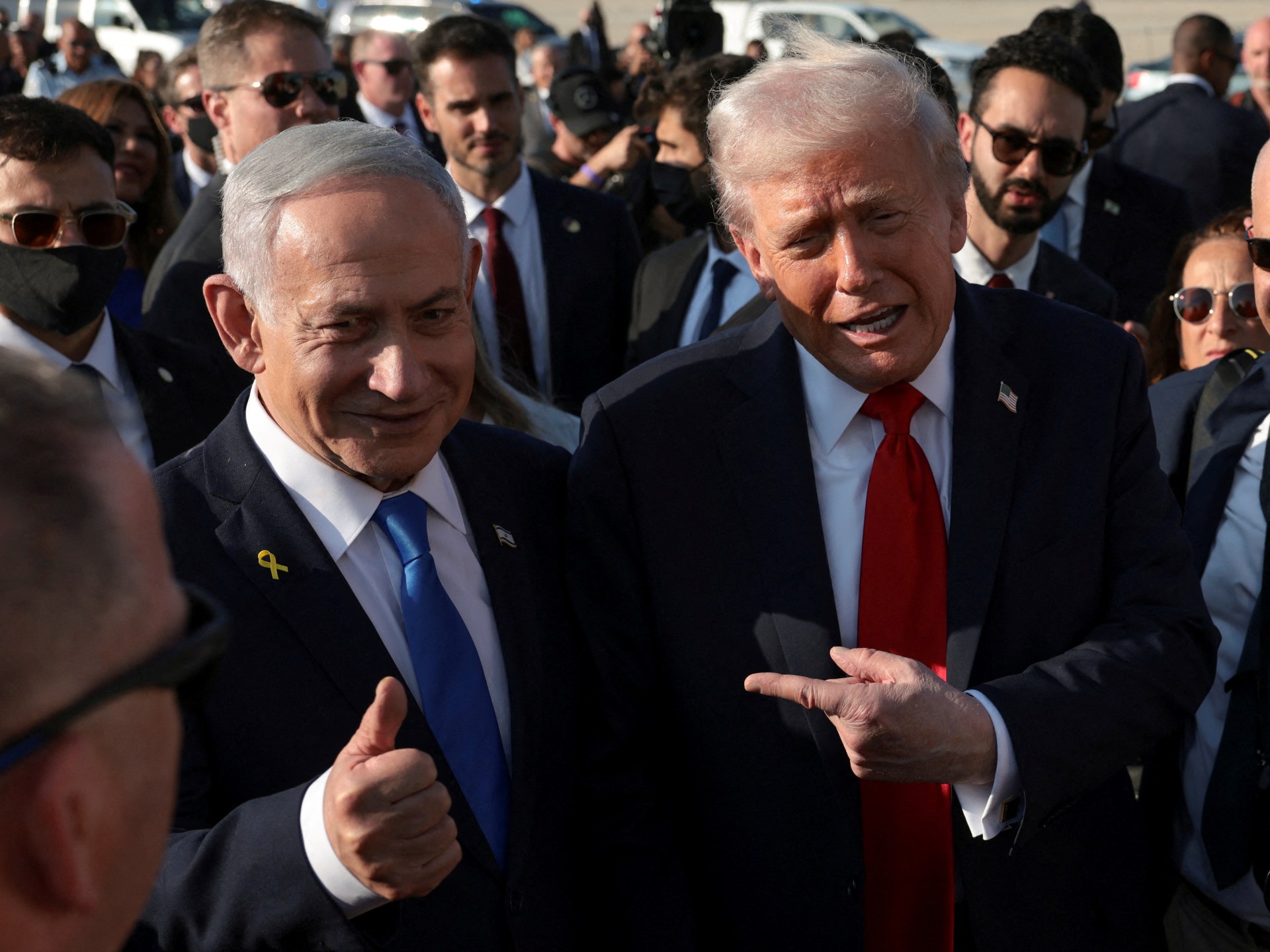
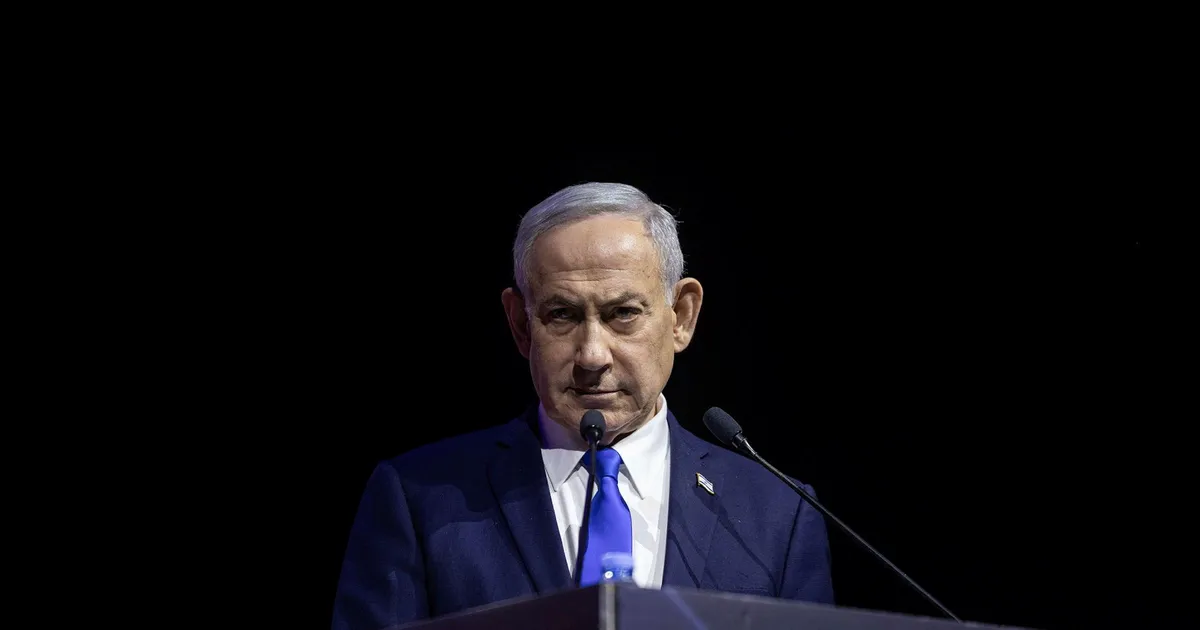
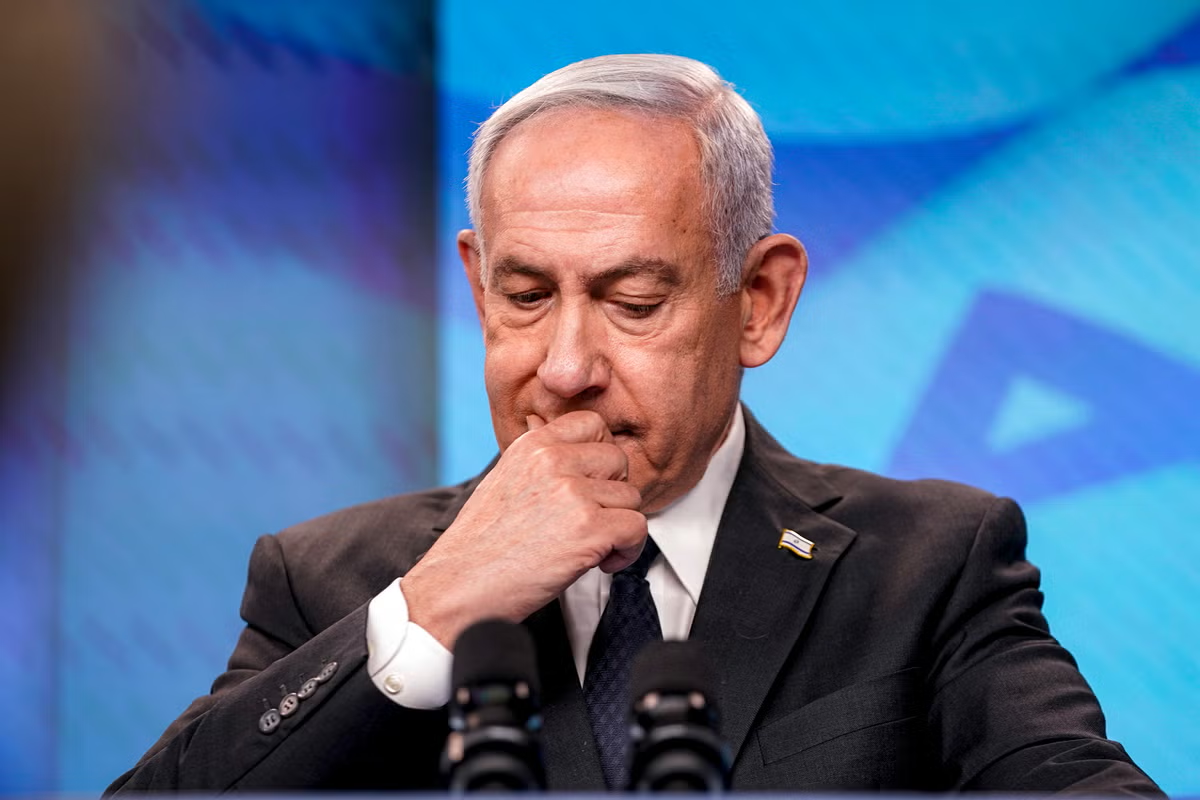
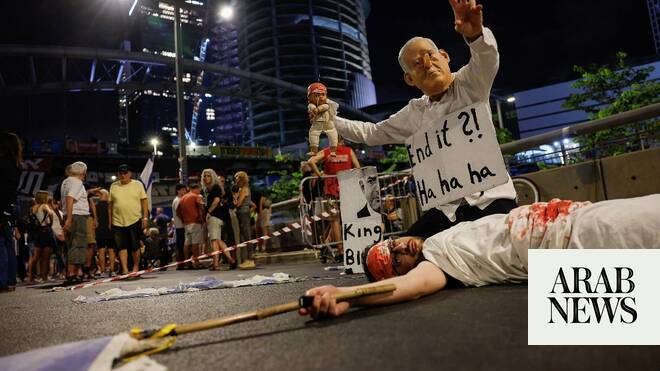
All eyes are on Israeli Prime Minister Benjamin Netanyahu. Will the latest developments after the Sharm El-Sheikh conference sweep him out of office? It is more likely that he will try to complete the missions he pledged to carry out, which may reignite clashes on all three fronts. The October 2023 attacks happened on his watch and he bears responsibility for them.
He likely believes that achieving full victories will place him above accountability. However, if his rivals succeed in toppling him, the region’s situation will hang in suspense as Israel awaits a new leader and a new policy. Still, Netanyahu might instead choose de-escalation and end two years of turmoil.
The likelihood of Netanyahu remaining in power is strong, given his well-known political skills within a complex parliamentary system, in which he can craft coalitions that extend his rule. He has governed Israel for more than 17 years — longer even than David Ben-Gurion — and still enjoys enough popularity after the wars he has led, which brought Israel its biggest victories since the 1967 war.