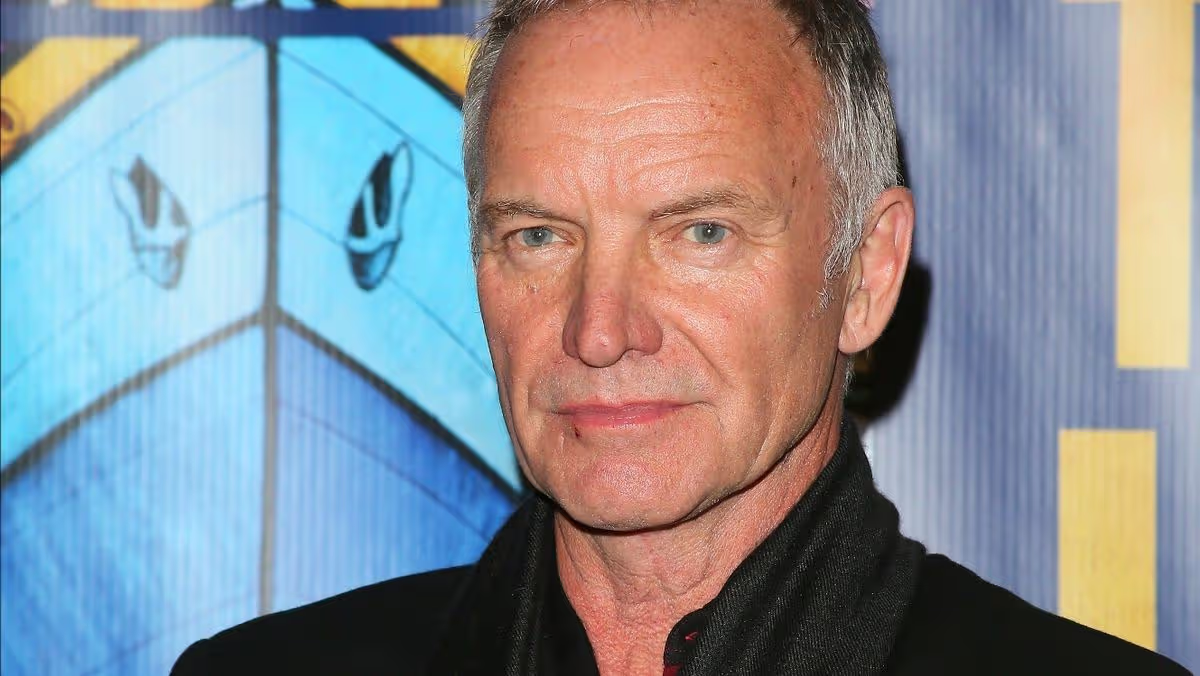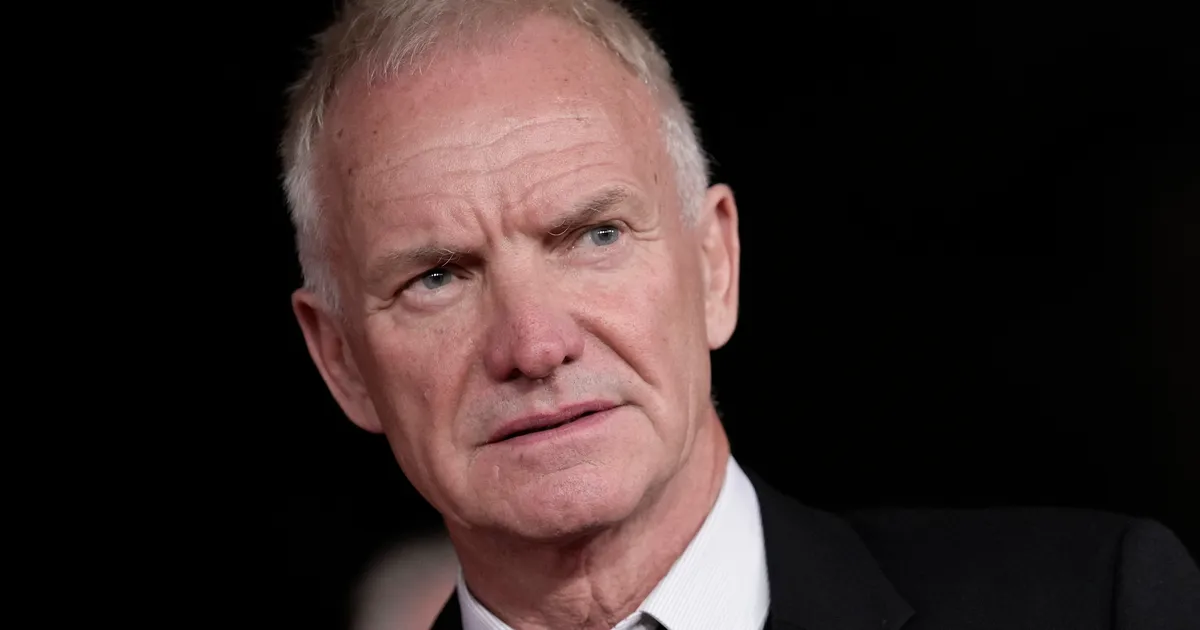
Sting shared his theory behind the apparent rise of “toxic masculinity,” a term coined by a men’s movement in the 1980s in reaction to second-wave feminism. That theory? It could be a result of one historic shift: the sharp decline of manual labor.“I work with my hands every day as a musician, and I’m lucky,” Sting told The Guardian in an interview published Thursday. “It’s a rare thing for modern men to actually use their hands and use their strengths to do anything. We’ve lost something there.”The singer, born Gordon Matthew Thomas Sumner, continued, “I don’t have any answers, but maybe the toxicity in society at the moment is [a result of the fact] that we’ve lost that direction for our energy, that male strength. It’s rare we have to use it.”A 2020 report from the U.S. Bureau of Labor Statistics notes a 35% decline in the domestic manufacturing sector from 1979 to 2019 alone. The U.S. economy has also lost 77,000 manufacturing jobs since President Donald Trump was elected in 2024.A study shared earlier this year in Psychology Today noted “there is not much psychological research” on “toxic masculinity,” which is associated with traits such as narcissism and hostile sexism, but that 10.8% of the 15,000 study subjects showed “clear signs” of it.Sting, seen here performing in 2023 at Jones Beach Theater in New York.Scott Roth/Invision/Associated PressSting is currently preparing for the London premiere of his musical, “The Last Ship,” which is inspired by the Englishman’s childhood memories and relationship with his late father Ernest Sumner, who worked in Wallsend as an engineer when shipbuilding was a booming industry. Sting fondly recalled the “civic pride” and “community” in his hometown that sprang from these jobs. One of the male characters in his musical reportedly ponders losing his identity as a manual laborer: “For what are we men without a ship to complete?”“Britain’s wealth was created in the coalfields and the steel towns and the mill towns and the shipyards,” Sting told The Guardian. “All of those skills were thrown on the scrapheap … for [former U.K. Prime Minister Margaret] Thatcher’s dream of a service economy.”Billionaire tech leaders such as Elon Musk and Sam Altman have frequently suggested that their work in artificial intelligence could create a modern utopia. Critics argue that the exorbitant cost of data centers and their harm to the environment already suggest otherwise.
Sting Shares 1 Theory Behind Rise Of Male 'Toxicity'
The Grammy-winning singer is currently preparing for the West End premiere in London of his musical "The Last Ship."
TL;DRAI
Sting links male toxicity to the 35% decline in U.S. manufacturing since 1979, arguing men have lost a constructive physical outlet. For tech leaders driving automation, the cultural cost of eroding manual work identities is an emerging social governance risk.
397 words~2 min read