First of two parts
In a Utah office, hundreds of Tesla workers scrutinize video collected by vehicles using the automaker’s Full Self-Driving (FSD) feature. Some clips show the cars hitting cats, dogs or deer, along with more-routine accidents. Sometimes, they don’t brake before impact. Often, they speed. Occasionally, the workers see near-misses of children playing in the street.
Known as “data labelers,” these staffers train Tesla’s AI-powered driver-assistance software. They annotate incidents of good and bad driving and escalate problems to engineers working to improve the system.
Tesla CEO Elon Musk says FSD will soon make all Teslas fully autonomous. But interviews with nine former labelers and a former Tesla self-driving engineer show that the technology continued to struggle in recent months to execute basic maneuvers — such as avoiding emergency vehicles or stopping for school buses loading or unloading students.
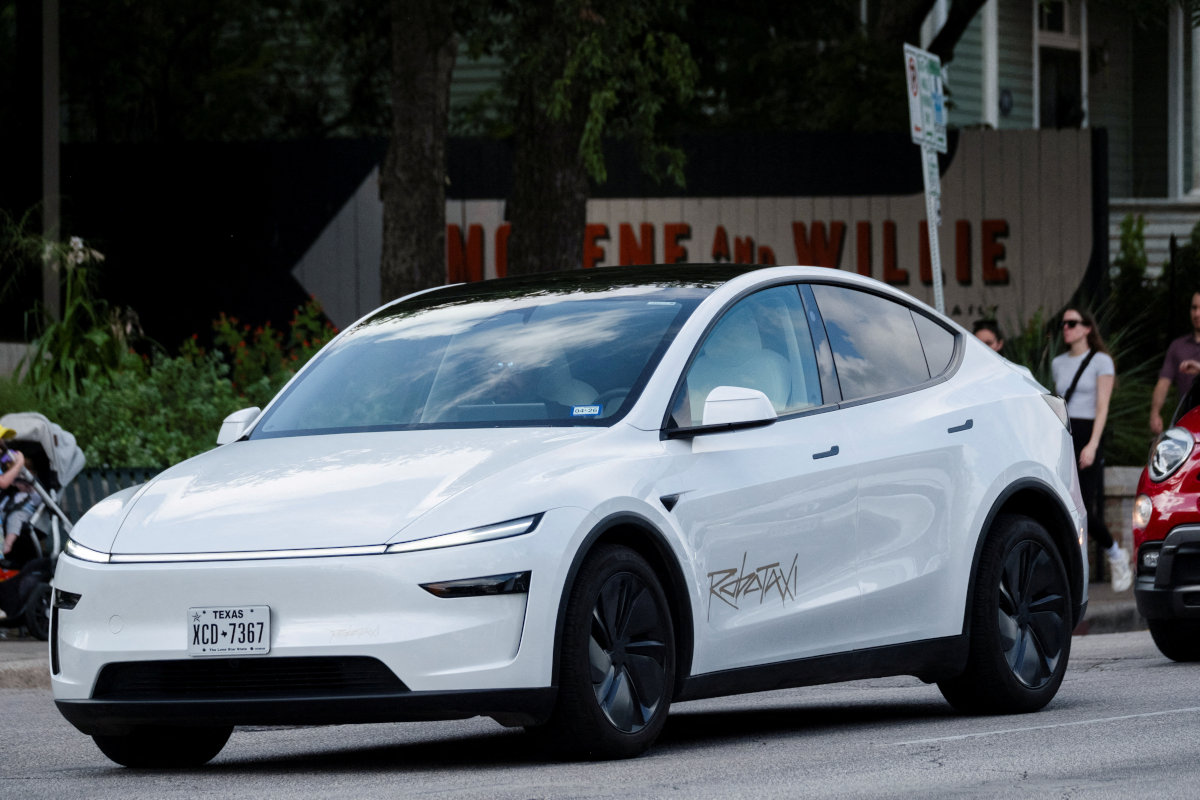
Despite such dangerous shortcomings, Musk and other executives have increasingly touted FSD’s safety as they pushed Tesla to stage public displays of the fully autonomous capability the CEO has promised investors every year for a decade. The displays include a robotaxi pilot in Austin, Texas — launched last June with some human safety monitors in the cars and others working remotely.