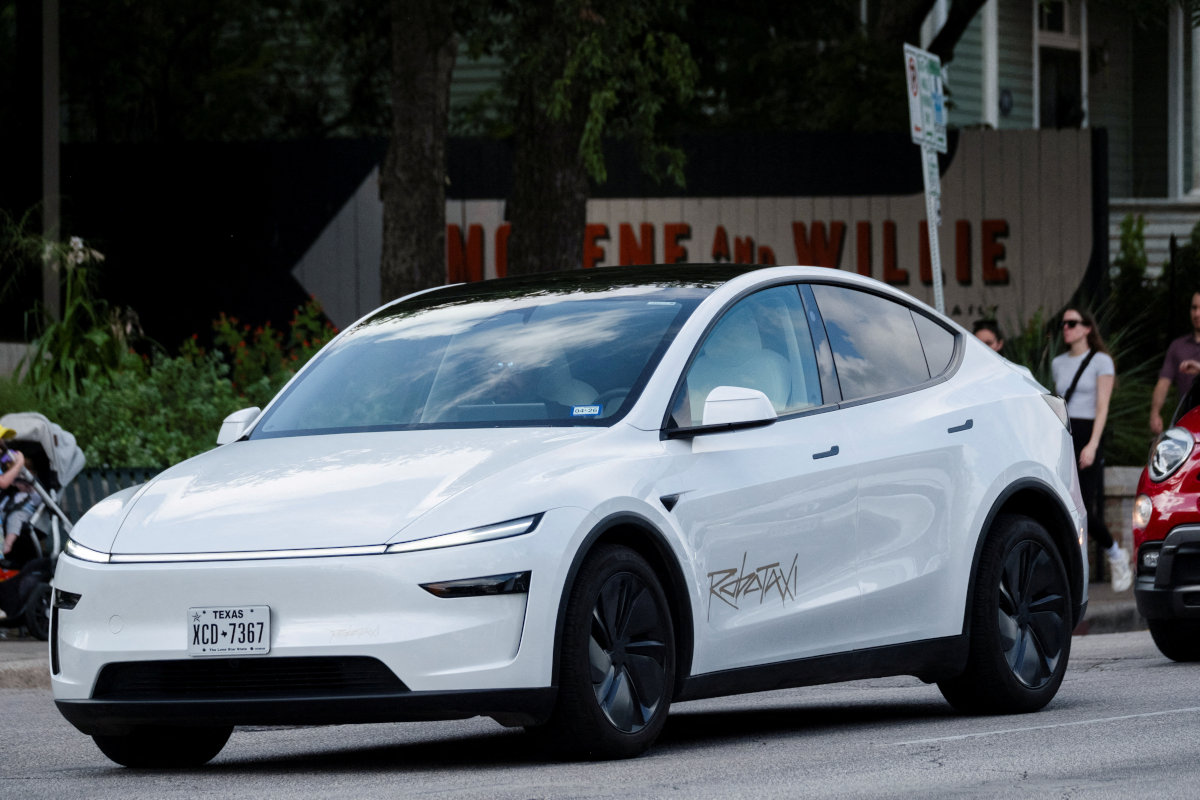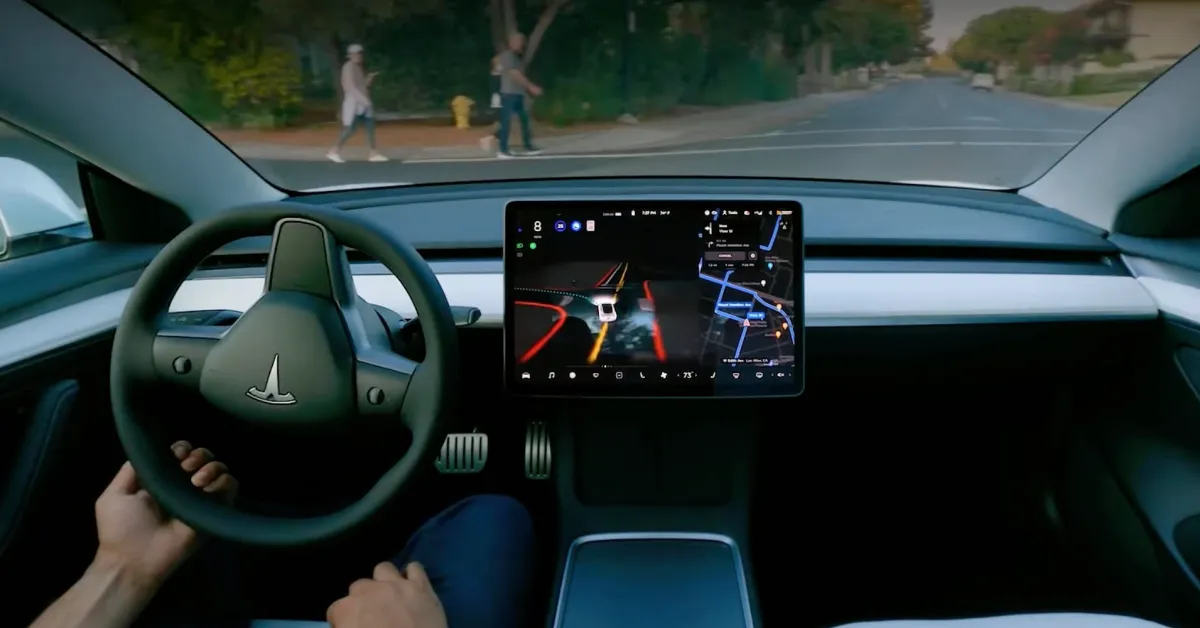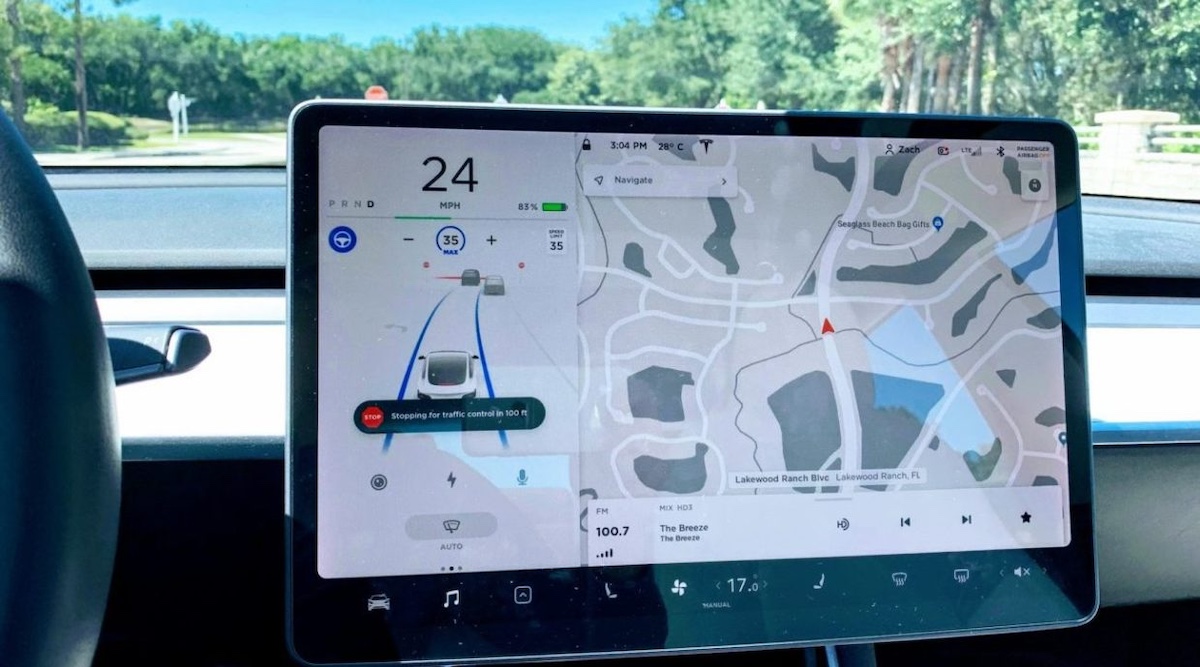
IN BRIEF: Tesla's Full Self-Driving software is still struggling with basic driving tasks, based on interviews with former employees who reviewed internal training footage and data. Their accounts, along with an analysis of Tesla's safety claims, suggest the technology is not as close to full autonomy as the company has publicly indicated. The findings also raise questions about how Tesla measures and markets the system's safety.
Inside a data-labeling office in Utah, hundreds of workers review footage captured by Tesla vehicles running FSD. The videos are used to train the company's neural networks, with staff tagging everything from routine driving behavior to critical failures. Former employees said those clips frequently showed the system making mistakes, including failures to respond to emergency vehicles, missed hazards, and last-second driver interventions.
Some of the footage was more serious. Workers described videos of Teslas striking animals or failing to slow down in time to avoid potential collisions with pedestrians. "We have all seen it fail," one former labeler told Reuters. Another said he wouldn't ride in a Tesla robotaxi "if you f---ing paid me." A former self-driving engineer who reviewed crash data for years was equally direct: "Definitely," the engineer said, "don't trust Elon on this."