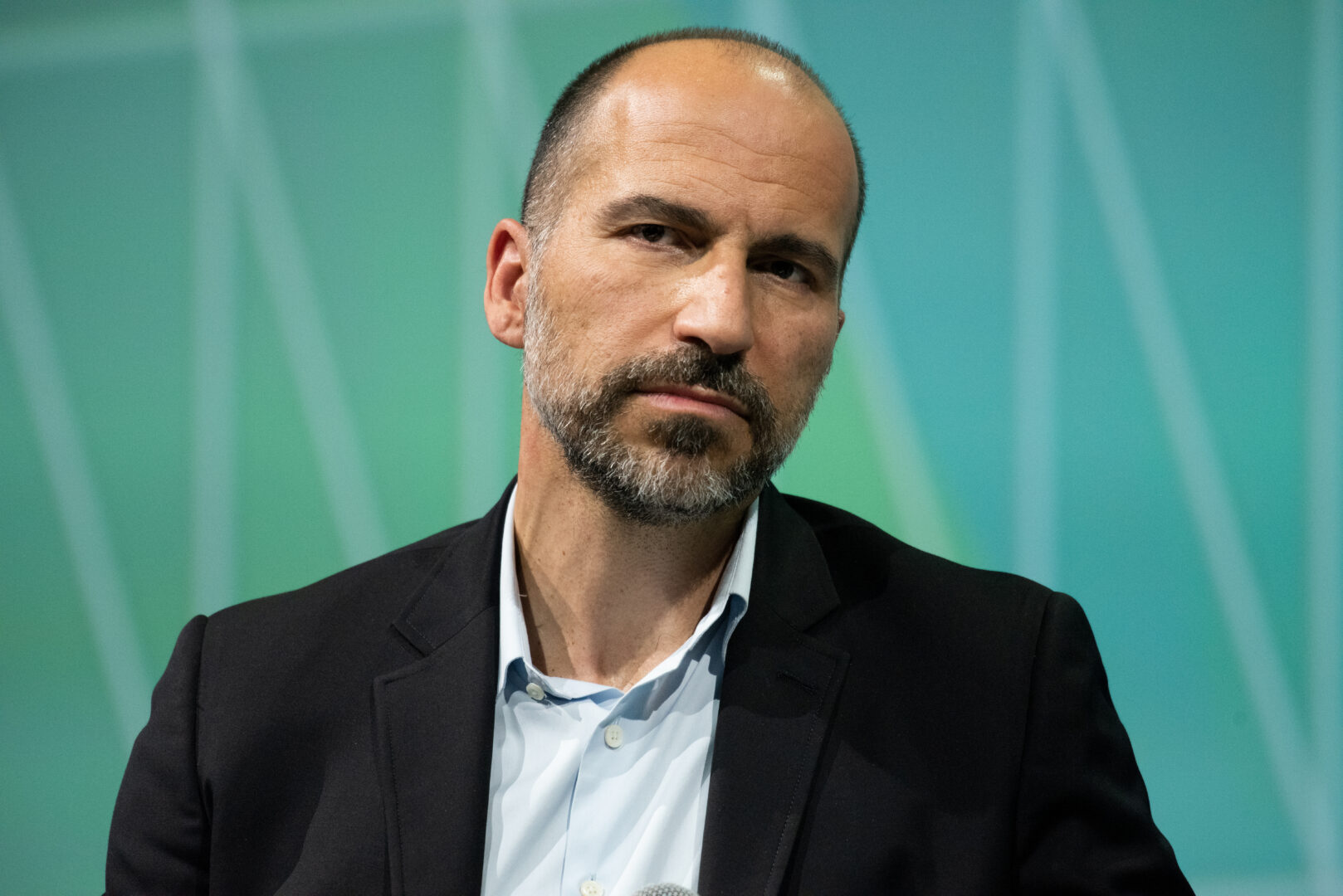
I recently walked past an old minicab stand which, during our younger student days, sallied my friends back and forth between the city’s nightlife and our more affordable suburban digs. It is gone now; only a dilapidated and cordoned-off shack remains of a once-thriving minicab empire. Like thousands of others across the western world, the business went into terminal decline the moment Uber appeared in our lives. Yet a simple check of the app today shows the price of an Uber is not substantially less than a minicab ride back then. Uber rocketed to celestial heights because it was heavily subsidized by venture capital – driving the value through the floor, bankrupting all physical competitors, before it then jacked up the price to create an instant monopoly. And this model, I fear, awaits many of the rest of us in the white-collar world.
As in the early days of $3 Uber rides, many of us are intoxicated by the promise of generative AI in the form of near-free LLM use; chatbots which offer the service, as one friend of mine recently claimed, of “being able to talk to God.” Regardless of the extreme grifting and often explicitly fraudulent nature of much of the AI economy, it is difficult not to feel at least some degree of amazement at the sheer power of this software. It can revolutionize data analysis, generate plausibly written Master’s level academic work in seconds and even schedule complex tasks through agents – a breakthrough in computational achievement.