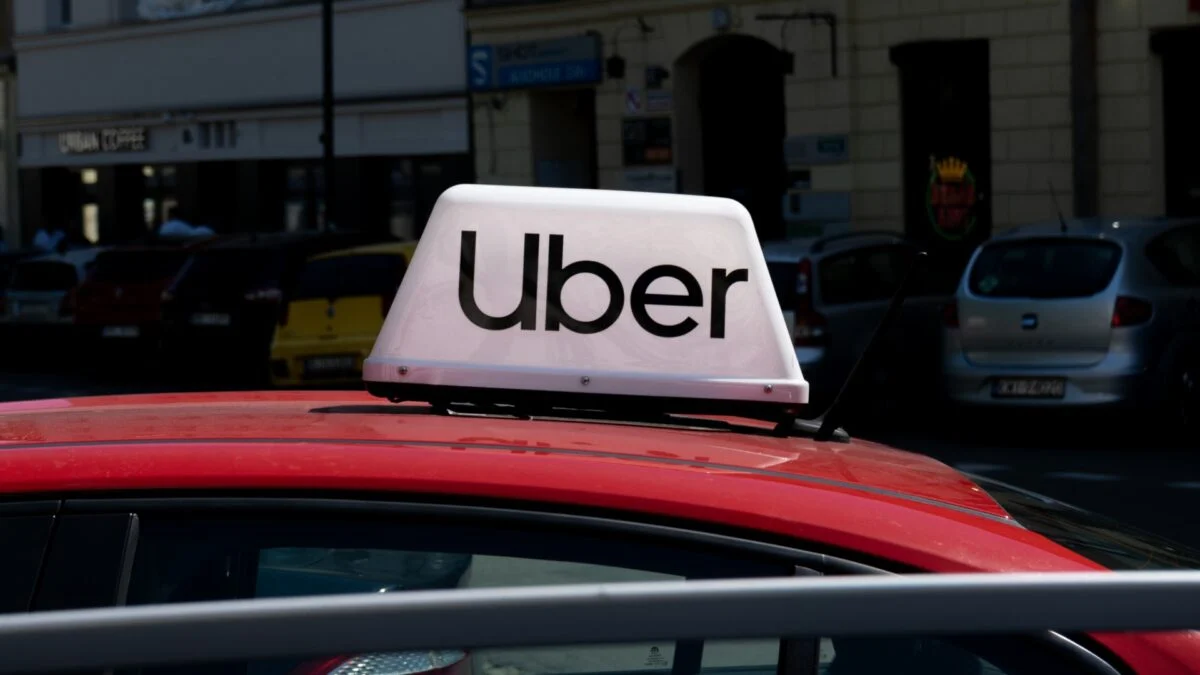
After its 2009 launch, Uber spread like wildfire across the U.S., revolutionizing the gig economy with its app-based model that connects consumers to independent contractors who use their own cars and set their own schedules. That approach has since attracted more than 9.5 million Uber contractors worldwide.
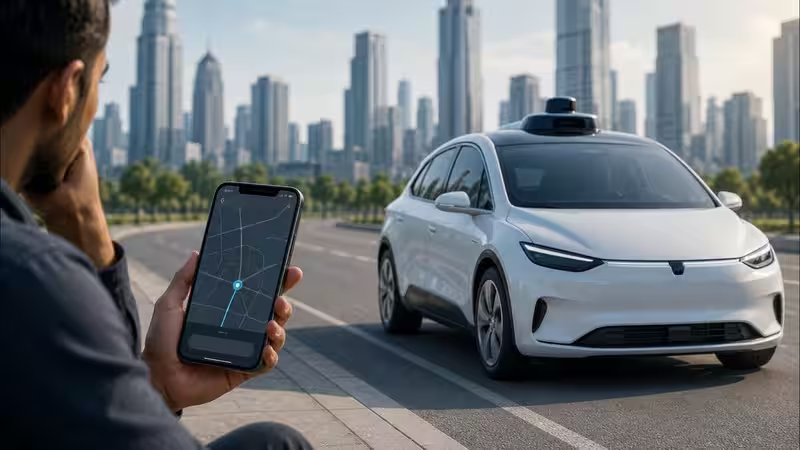
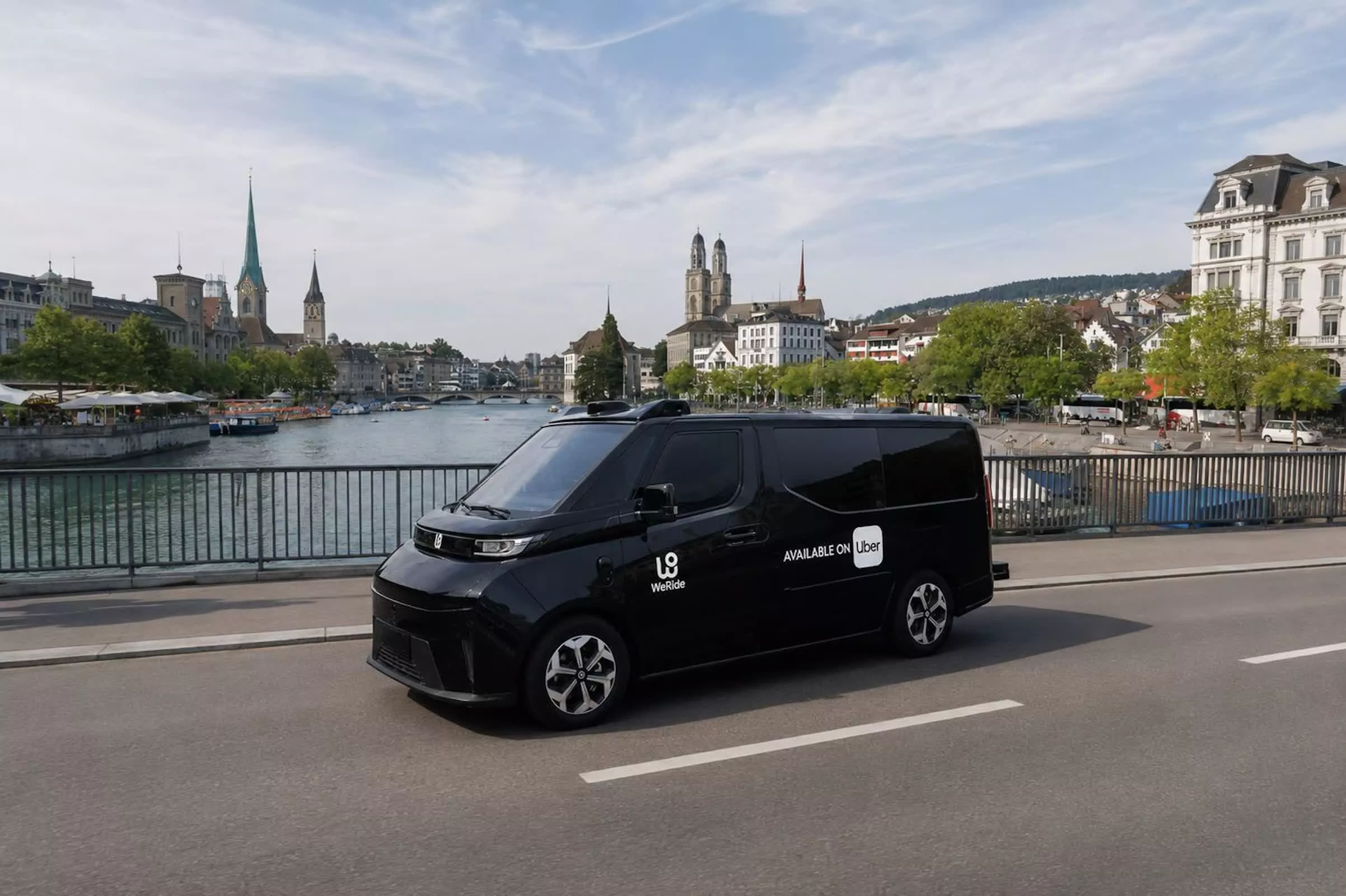
But in cities like San Francisco, Los Angeles, Phoenix, and Atlanta, customers are increasingly turning to autonomous vehicles to get around town, with some even sending their teens to school in them. What once felt like science fiction has now become everyday reality across parts of the U.S. as Alphabet-backed Waymo, Tesla, and Amazon-backed Zoox expand the burgeoning market.
As robotaxis continue to gain traction, they’re putting increasing pressure on the millions of drivers who rely on the ride-share economy for income.
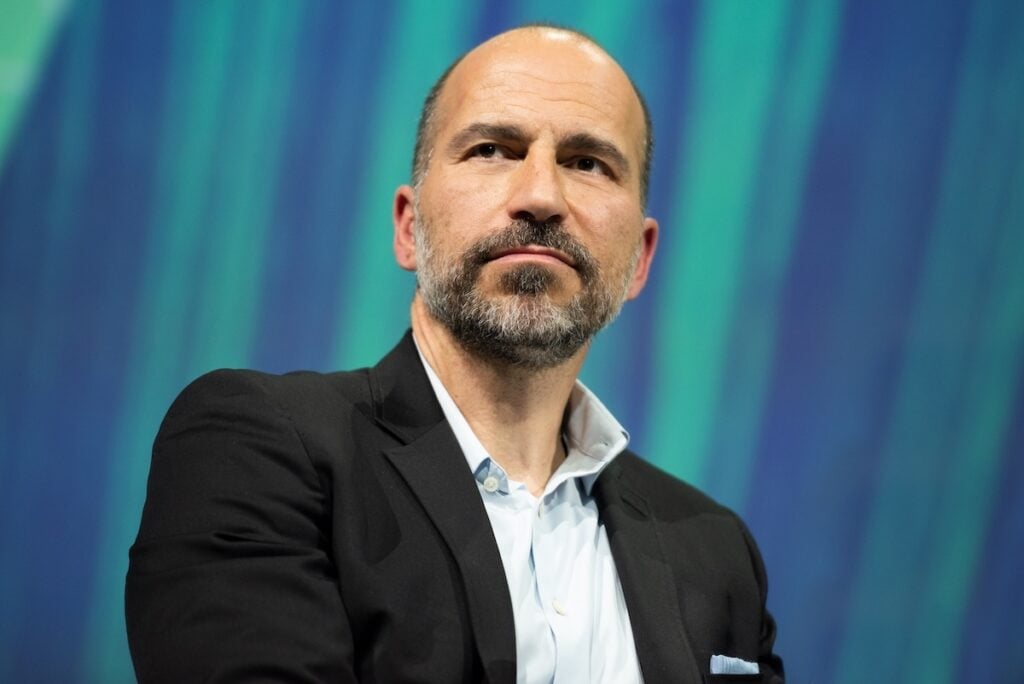
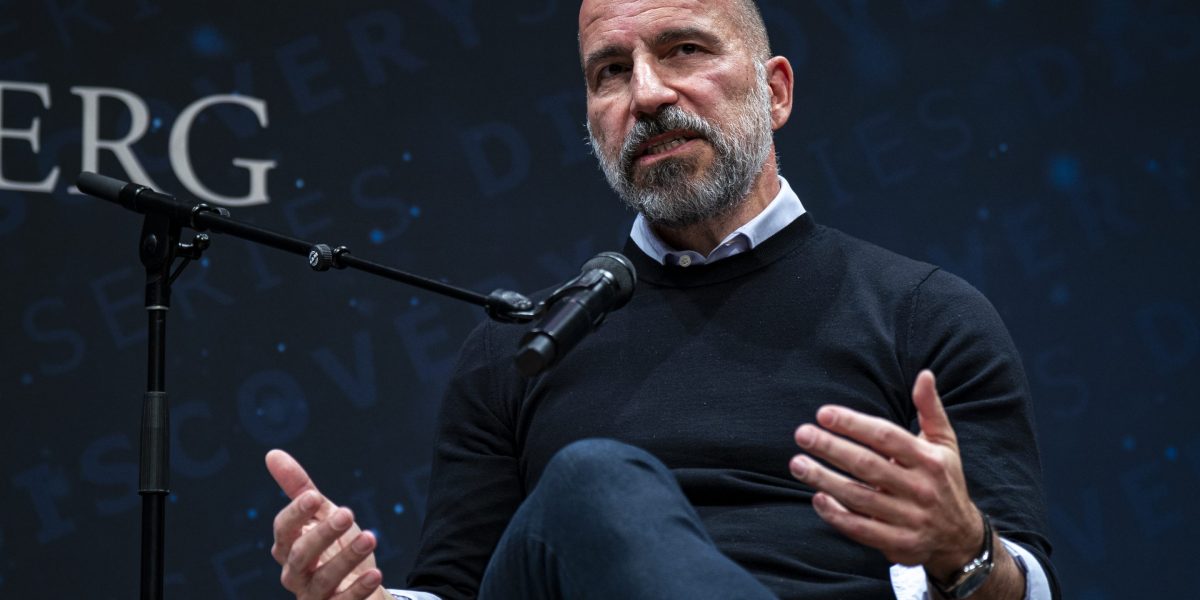
“You can imagine the majority of our trips being fulfilled by robots of some kind,” Uber CEO Dara Khosrowshahi said in a recent interview on The Diary of a CEO podcast. “Probably not 10 years from now, but you go 15 to 20 years from now, you’re going to start getting there.”
Business leaders have sounded the alarm on AI’s ability to replace a growing number of jobs, even those traditionally held by white-collar workers. Microsoft AI chief Mustafa Suleyman even predicted all white-collar work could be replaced by automation in as little as a year.