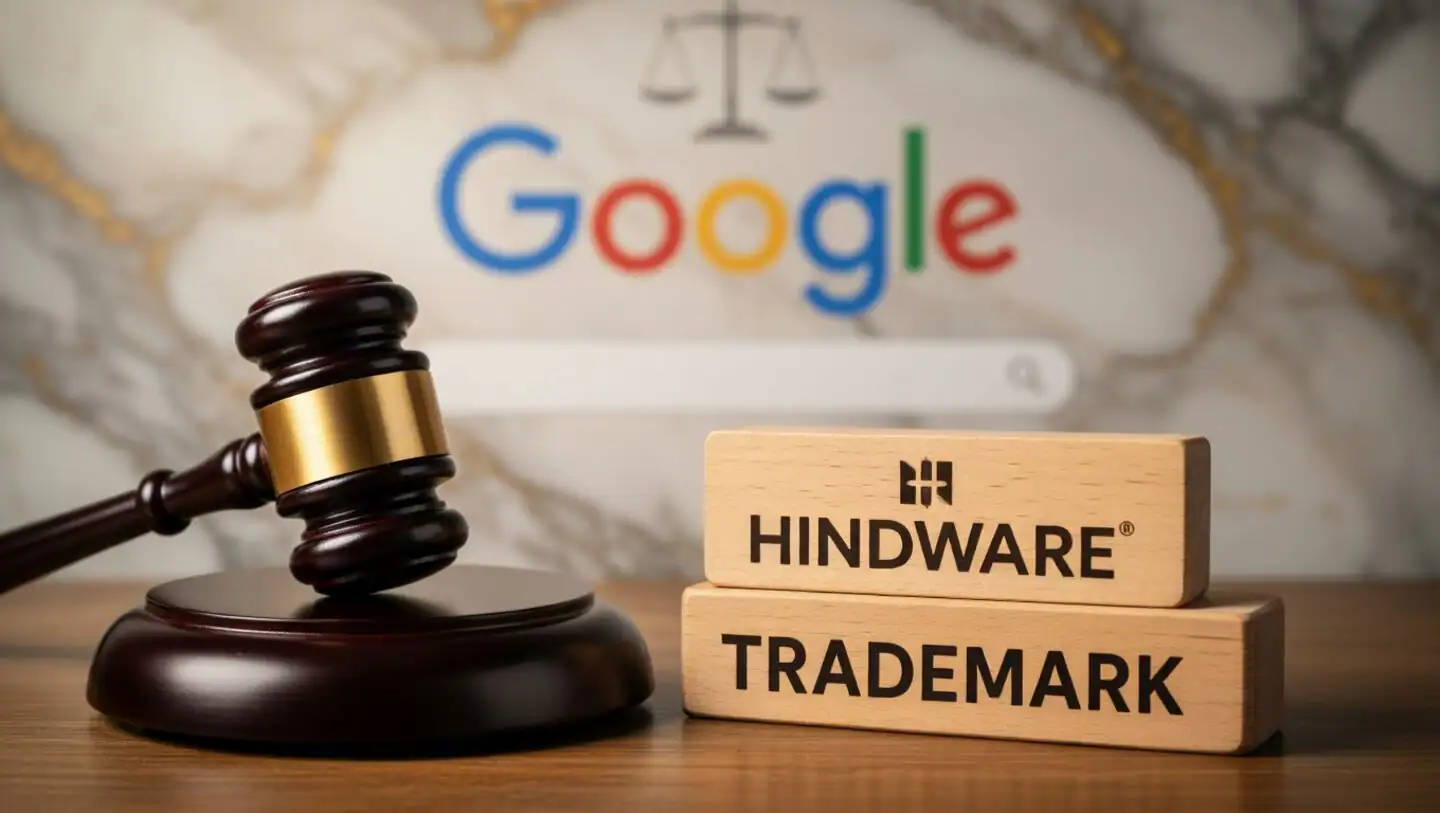
Established brands will get a boost from the Delhi High court ruling against Google’s practice of auctioning trademarked names as advertising keywords in its AdWords programme, experts said. Such use effectively violates an entity’s brand ownership, according to the ruling. Justice Mini Pushkarna, in a judgement on May 22, observed that Google cannot be permitted to shrug off responsibility by making available a tool that leads to infringement, and then claim that the said tool was not mandatory. The court said the practice constituted a trademark infringement and permanently restrained the tech giant from using Hindware or its variations as keywords in the programme. In this specific instance, the company that owns the brand had moved the court against Google, allowing others to use Hindware. This allowed searches for the name to throw up links to third parties that had won the right to use it through the auction process.Google is likely to challenge the single judge order, said people with knowledge of the matter. Typically, such verdicts are appealed before a high court division bench and then the Supreme Court. Experts said the ruling may have ramifications beyond search advertising, potentially impacting long-standing industry practices followed by platforms such as Meta, the Apple App Store, Amazon and Flipkart, where brand-linked discoverability and sponsored placements are commonplace.The verdict strikes at a widely used digital advertising strategy in sectors including ecommerce, travel, fintech, food delivery and D2C brands, where companies routinely bid on competitors’ trademarks to drive traffic and customer acquisition.“It's a great and welcome verdict because many companies have been fighting against Google to protect their brands,” said Murugavel Janakiraman, founder and CEO of Matrimony.com. “Brands spend crores to build the brand and this verdict ensures that Google doesn't get to monetise on a brand's name. So far, Google has been enjoying the monetary benefit of allowing the people to bid on other brand's trademarks, which can cost brands their business. I hope the verdict is not overturned at the Supreme Court.”A New Delhi-based public policy expert called the verdict “incredibly seminal” and echoed Janakiraman's sentiment.“Young Indian brands spend crores of rupees on Google ads for higher discoverability,” he said. “The court’s ruling that Google actively facilitates and monetises keyword bidding and therefore cannot automatically claim neutrality is a big win for direct-to-consumer and other brands in India.”Google didn’t respond to queries.Hindware claimed that when users searched for its brand name on Google, it threw up those of rival companies. The company alleged that competitors Grohe and Cera, assisted by Omkara Infoweb, had purchased ‘Hindware’ and combinations such as ‘Hindware sanitary' as keywords on the Google’s AdWords platform. This meant that sponsored links to their websites appeared as the first result when users searched for Hindware products.The court rejected Google’s defence that it was only acting as an intermediary. Google played an active commercial role by selling keywords, conducting ad auctions and earning revenue from those searches, it said.“The ruling will strengthen the position of trademark owners seeking injunctive relief or damages where they can demonstrate consumer diversion, dilution, or unfair commercial advantage arising from keyword-based advertising practices,” said the public policy expert cited above.Some fear that smaller players will end up losers as a result.“This is something that established brands would benefit from because they can sue competitors for using their brand names,” the founder of a gaming studio said. “But for smaller companies, this verdict could be genuinely damaging. Unlike established players, smaller brands don't have the luxury of building brand awareness first and waiting for organic search equity to follow — that takes years and millions in investment they simply don't have. They have to go tactical from day one.”One of the most effective tools in that playbook was bidding on keywords and brand names of established competitors. “It is a way to intercept high-intent, in-market audiences who are already searching for exactly what you sell,” the person said. “We call these 'shadow tactics,' and they represented a real shot at discoverability for brands that couldn't yet win on their own name. With this verdict, that shot has effectively been taken away.”Also, the verdict differs from the observed stance of the Competition Commission of India (CCI), said Sonam Mathur, partner at TT&A. “The CCI has inquired into this practice in the past and has found that it does not cause any harm to competition, noting instead that Google’s keywords bidding policy promoted user choice by providing a broad range of ads when a user searches for a specific brand, including those of its competitors,” Mathur said.She added that the US Federal Trade Commission (FTC) and the European Commission (EC) have also applied the same reasoning, even holding restrictions by brands on their own retailers from bidding on trademarked keywords as anti-competitive.Google earned Rs 34,000 crore in gross advertising in FY25. A sizable chunk came from search advertising, after YouTube.The Hindware verdict could significantly impact India’s digital advertising industry by restricting advertisers from bidding on competitors’ trademarked brand names in Google Search ads. This may force brands and media agencies to rethink search advertising strategies that rely on rival keywords to attract consumers. Companies may also reduce spending on ‘defensive’ ads used to protect their own brand names from competitors. Google could tighten its ad policies in India to comply with the ruling. The judgment may also trigger more trademark disputes, increasing legal scrutiny around search advertising and performance marketing campaigns.Digital experts say that irrespective of which way the legal case goes in future, google would want to play it safe by tweaking bidding policy since it involves brand infringement.(With inputs from Maulik Vyas Javed Farooqui in Mumbai.)
HC ruling on Google keyword ads likely to reshape e-advertising - The Economic Times
A Delhi High Court ruling has stopped Google from auctioning trademarked names as ad keywords. This decision impacts how companies advertise online. Established brands are set to benefit. Smaller companies may face challenges in gaining visibility. The ruling could reshape digital advertising strategies across various sectors in India.
940 words~4 min read