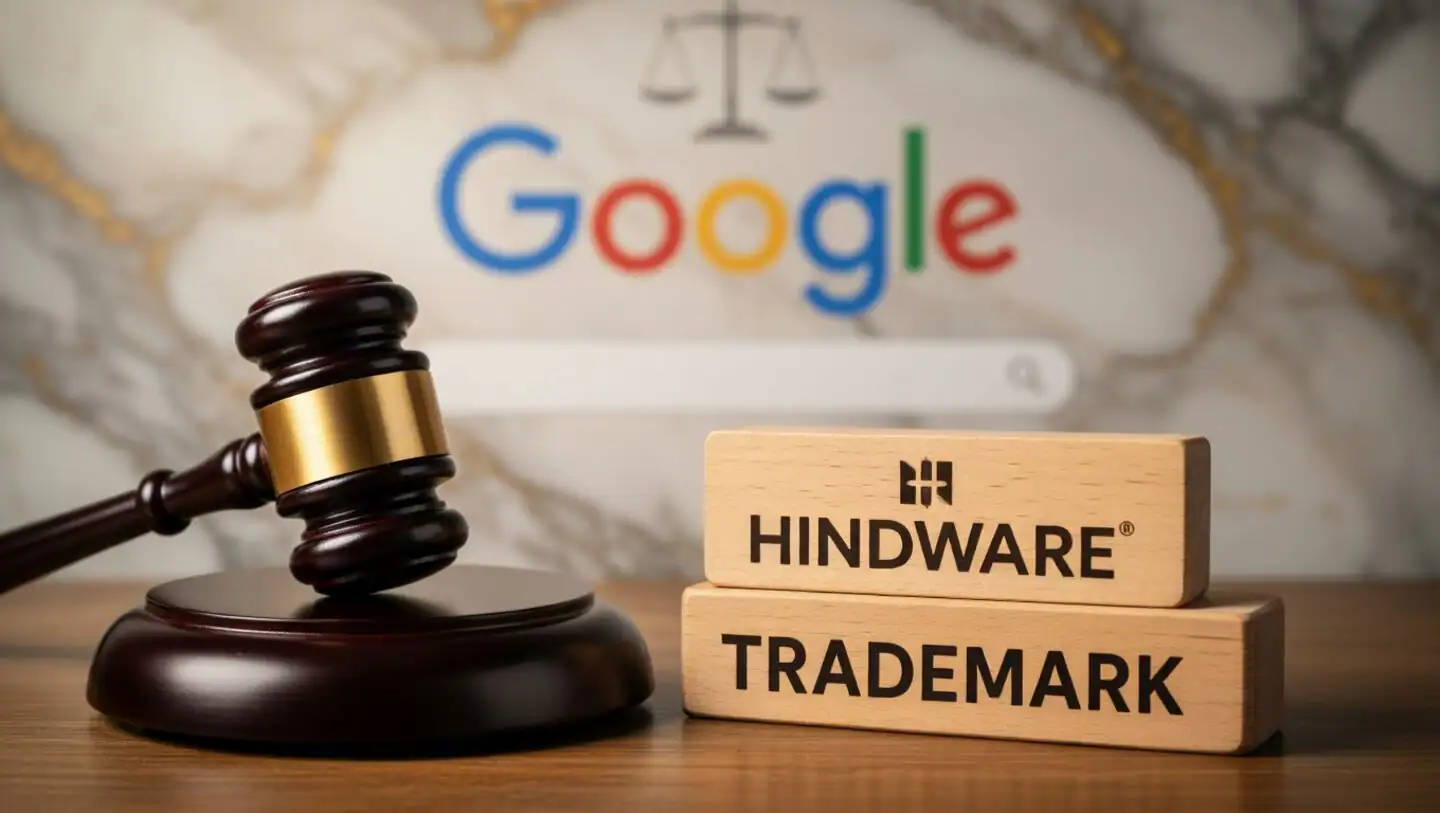
The Delhi high court has found Google guilty of infringing the trademark rights of a bathroom fittings maker by allowing rivals to use its name as an advertising keyword, and imposed a ₹30 lakh fine on the tech giant, in an order that could have far-reaching effects on the online advertisement market.Delhi HC fines Google ₹30 lakh over trademark useGoogle was found to have allowed rival companies of India’s Hindware to use the term “Hindware” as a keyword to target their own advertising, without the company’s consent, which the court said amounted to “free-riding” on Hindware’s reputation.Justice Mini Pushkarna, in a 163-page ruling dated May 22, directed Google to pay the fine within eight weeks and restrained it from using Hindware or phrases combining its name and “sanitaryware” or related terms as advertising keywords.Google’s AdWords service allows businesses to reserve keywords — including competitors’ brand names — so that their advertising links appear when users search for those terms. Higher “cost-per-click” bids receive greater visibility.Nithin Kamath, founder of Indian brokerage firm Zerodha, said on X his brand had suffered from similar issues for years, and the ruling “now opens up a route for legal recourse.”The court held that Google does not act as a passive platform but actively facilitates keyword-based advertising by suggesting keywords, determining advertisements through its algorithms, and auctioning trademarks based on a bidding system. In view of this active role, the use of trademarks as keywords amounts to use by Google itself, the judge observed.“Google does not own any proprietary rights in the mark ‘Hindware’ nor does it have any license to sell access to the advertising function, i.e., the commercial pulling power of the registered mark to the rivals of the trademark owner. Yet, by listing the trademark as a keyword and auctioning it to rival companies, Google uses the registered trademark as its own commercial inventory,” the court said.“By auctioning the registered trademark to rivals, Google generates revenue from multiple competitors of the trademark owner. Thus, Google profits from the mark’s reputation without having contributed to the creation of that reputation, and most importantly, without the proprietor’s consent.”The court also rejected Google’s claim to safe harbour protection under Section 79 of the Information Technology Act, 2000, which shields online intermediaries from liability for user-generated content provided they exercise due diligence and remove unlawful material upon receiving court or government orders or gaining actual knowledge. Under Section 79(3)(b), intermediaries lose this immunity if they fail to act after such notification.Google had argued that any legal violation arising from advertisements was attributable to the advertiser alone and that, as a platform provider, it was immune from liability. The court disagreed, holding that Google’s sale of Hindware’s trademark to direct competitors without consent, for revenue, itself demonstrated a failure to exercise due diligence.The order was passed in two suits filed by Hindware against Grohe India, Omkara Infoweb, Cera Sanitaryware, and Google entities. Hindware alleged that Omkara Infoweb and Cera had purchased its trademark as advertising keywords such that searches for “Hindware” directed consumers first to Cera’s website. Grohe had similarly purchased keyword combinations including “Hindware Sanitary” and “Hindware Sanitaryware”, resulting in its website appearing as the top result.During the proceedings, Grohe, Omkara Infoweb, and Cera settled with Hindware and decrees were passed against them, leaving Google India and Google LLC as the only contesting defendants.
Delhi HC fines Google ₹30 lakh over trademark use
The Delhi High Court fined Google ₹30 lakh for allowing rivals to use "Hindware" as an ad keyword, ruling it infringed trademark rights. | India News
TL;DRAI
Delhi High Court fined Google ₹30 lakh for trademark infringement, ruling that Google Ads actively auctions competitor brand names as keywords — including "Hindware" — without the trademark owner's consent, rejecting the safe harbour defence under India's IT Act. The ruling sets a precedent that could expose Google's AdWords business model to broad legal liability across markets: brand owners now have a judicial route to block rivals from bidding on their trademarks as keywords.
557 words~3 min read