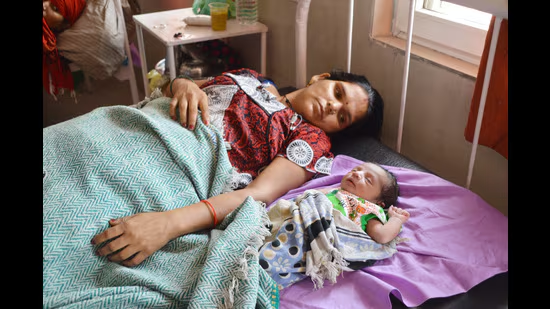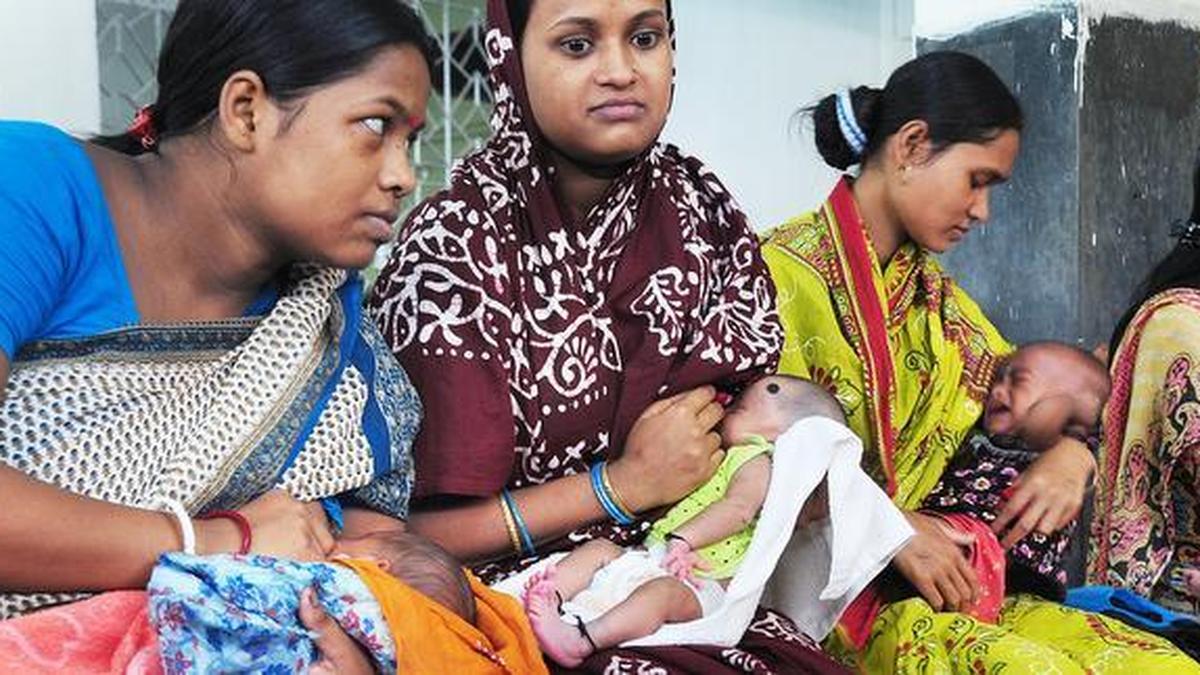
Despite the positive indicators, few challenges persists. Only a little over half - 54.8% of children under three years - are breastfed within one hour of birth, and 55.6% of children under age six months are exclusively breastfed.
| Photo Credit: Getty Images
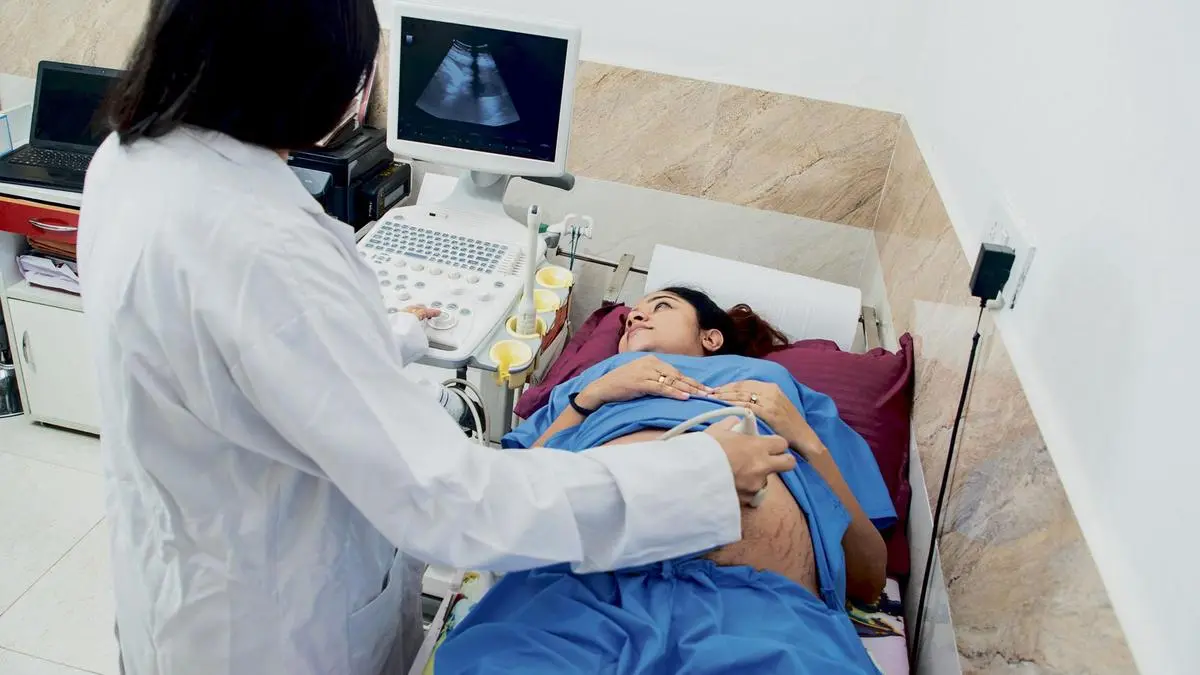
Tamil Nadu continued its steady progress in maternal and child healthcare as reflected in the latest National Family Health Survey (NFHS-6) 2023-2024. The State has recorded substantial coverage in key maternal health services, with 99.7% births taking place in institutions and 87.6% mothers receiving at least four antenatal care visits, while 90% of children aged between 12 and 23 months fully vaccinated.However, certain challenges persist. Only a little over half - 54.8% of children under three years - are breastfed within one hour of birth, and 55.6% of children under age six months are exclusively breastfed.Only about 20.6% of children aged six to 23 months receive an adequate diet (15.8% in NFHS-5 2019-2021]. In addition, 20.7% of children under five are stunted (25.0% in NFHS-5) and 17.4% are wasted (14.6% in NFHS-5). Children under five years who are severely wasted stood at 4.9% as against 5.5% in NFHS-5. Both stunting and wasting are key indicators for assessing the nutritional status of children.Another finding is the State’s Total Fertility Rate (children per woman), which stands at 1.7 (1.6 in urban and 1.8 in rural) compared to 1.8 during NFHS-5 (2019-2021).Among institutional deliveries, 63.6% were in public health facilities as against 66.9% in NFHS-5. The survey noted that 46.9% of births were delivered by caesarean section. While 60.3% births were through caesarean deliveries in private health facilities, it was 39.6% in public health facilities.In childhood vaccination, the percentage of children aged between 12 and 23 months, who received three doses of rotavirus vaccine increased from 66.4% from NFHS-5 to 87.4% in NFHS-6. At least 91% children (12 to 23 months) received most of their vaccinations in a public health facility.K. Kolandasamy, former Director of Public Health and Preventive Medicine, said that improving breastfeeding rates would help address nutritional issues. “Nutritional gains during infancy continue as a child grows. We need to revamp anganwadi centres and strengthen the focus on improving nutrition for children,” he said.On immunisation, he said there was now a need to achieve 100% coverage. “We need to achieve 100% coverage to prevent infections such as measles and diphtheria,” he said.There should be one urban health nurse for every 10,000 persons in urban areas and one village nurse for every 5,000 persons in rural areas, he added. Published - May 30, 2026 04:59 am IST