How a mental health program in Syria’s Homs is helping former detainees rebuild their lives
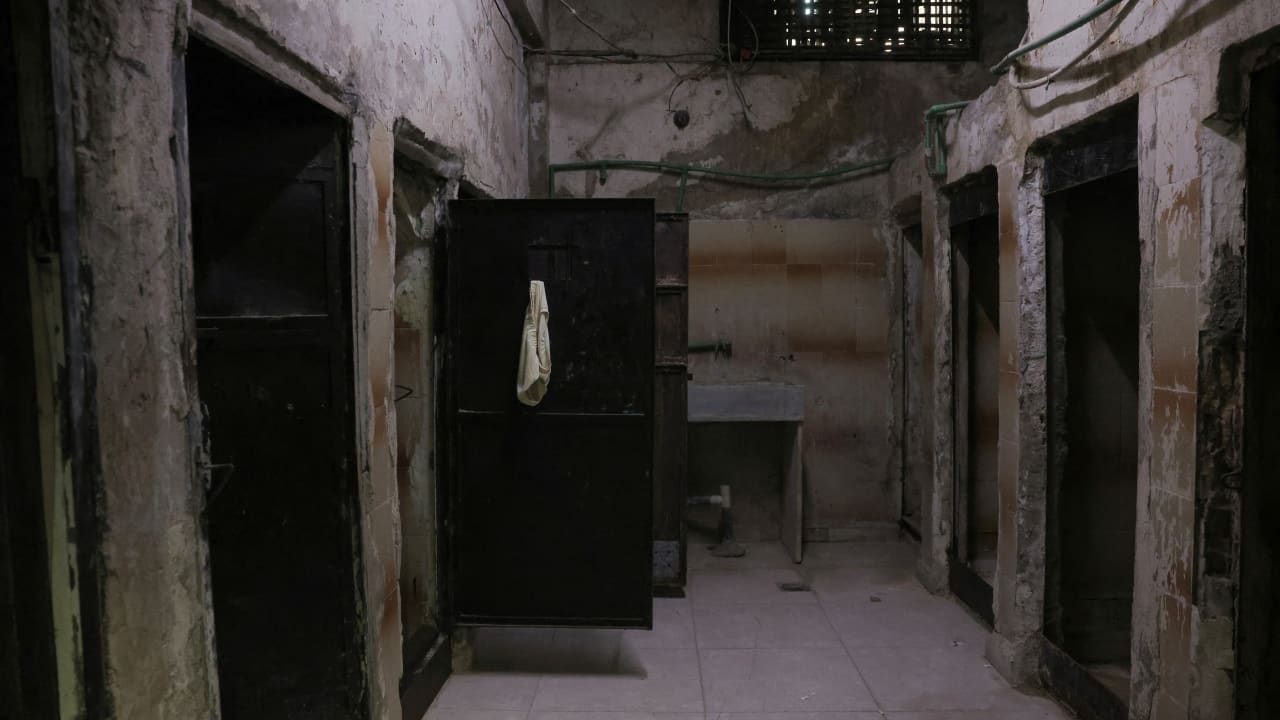
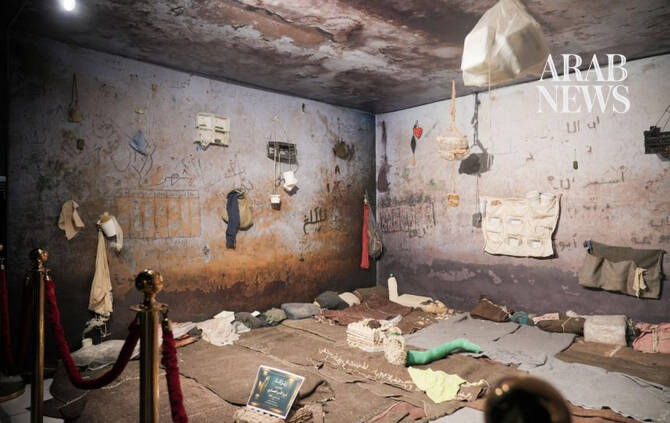
LONDON: Some walked out of Syria’s Sednayah prison unable to remember their own names. After years inside what rights groups described as a “human slaughterhouse,” survivors of the country’s most notorious prison emerged in late 2024 unsure whether their families were alive or whether their homes were still standing.
As Syria struggles to piece itself back together, so too do its survivors. But the country keeps uncovering new wounds.
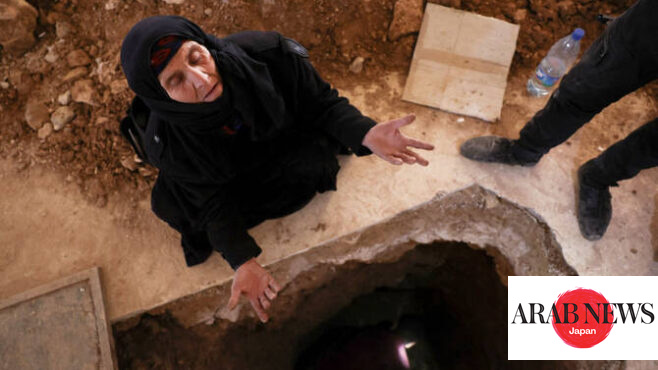
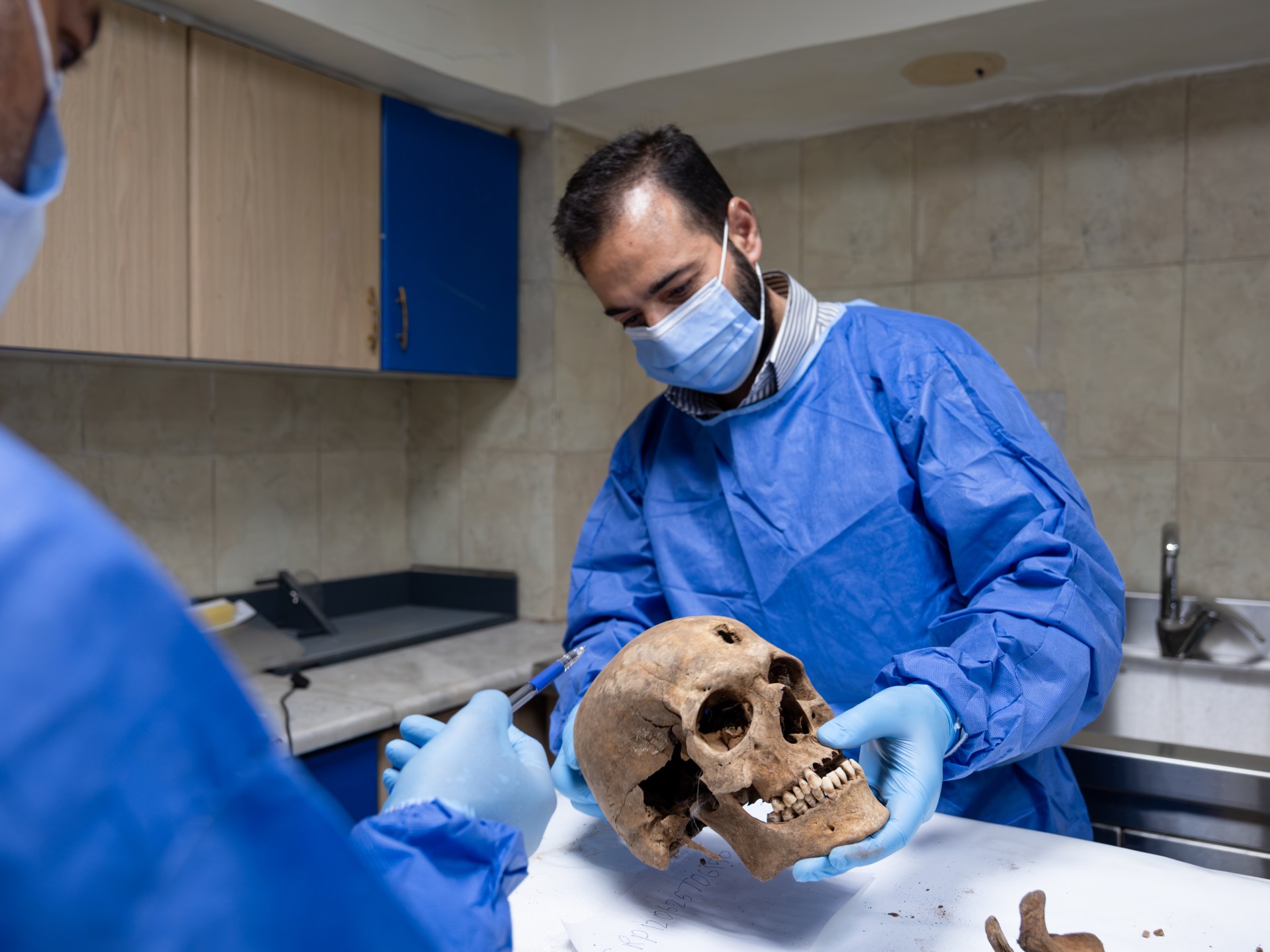
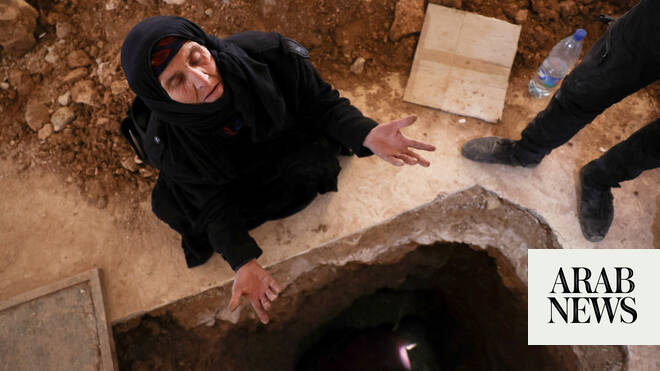
On May 19, Syria’s National Commission for Missing Persons received a report that human remains had been discovered in the Ish Al-Warwar neighborhood in the Barzeh district of rural Damascus, state news agency SANA reported.
People gather with independence-era Syrian flags and pictures of 23 locals who died in Sednaya and other Assad-regime prisons during a memorial vigil for them by the monument to the Great Syrian Revolt at Al-Seyouf Square in Jaramana in the Damascus countryside on the city's outskirts on December 21, 2024. (AFP/File)