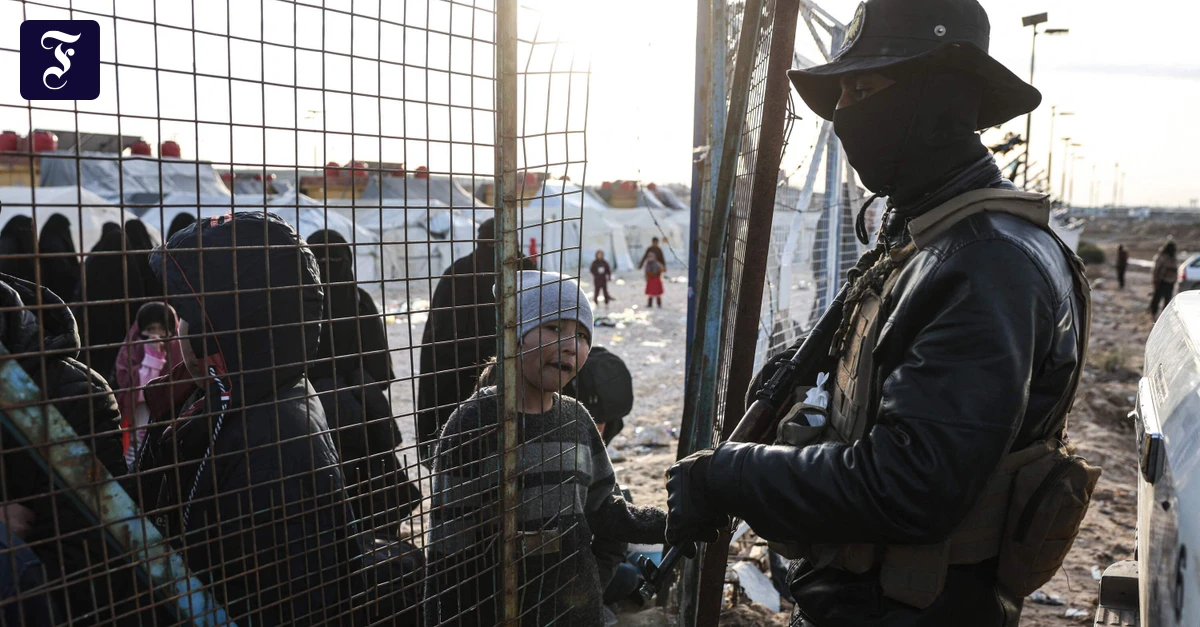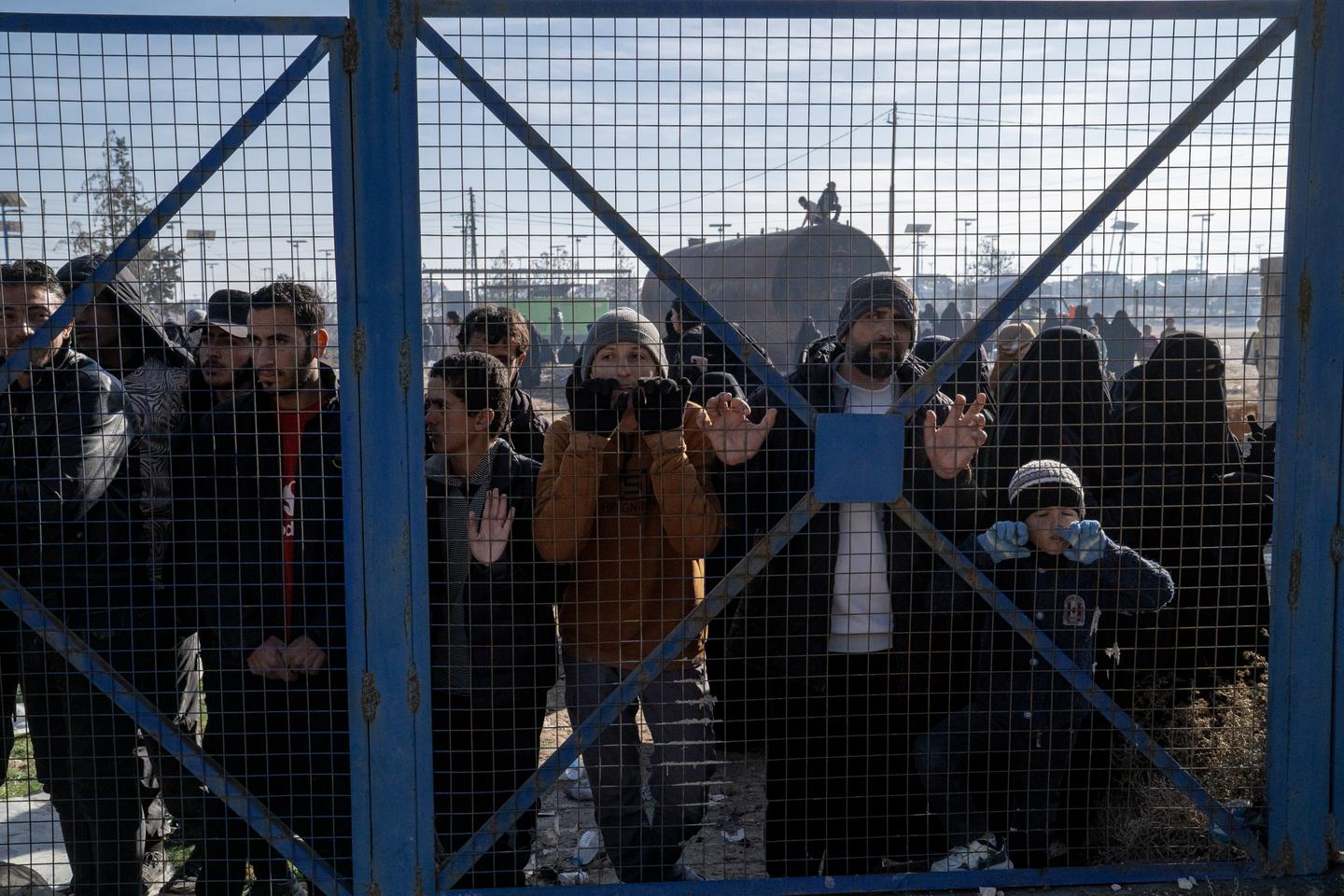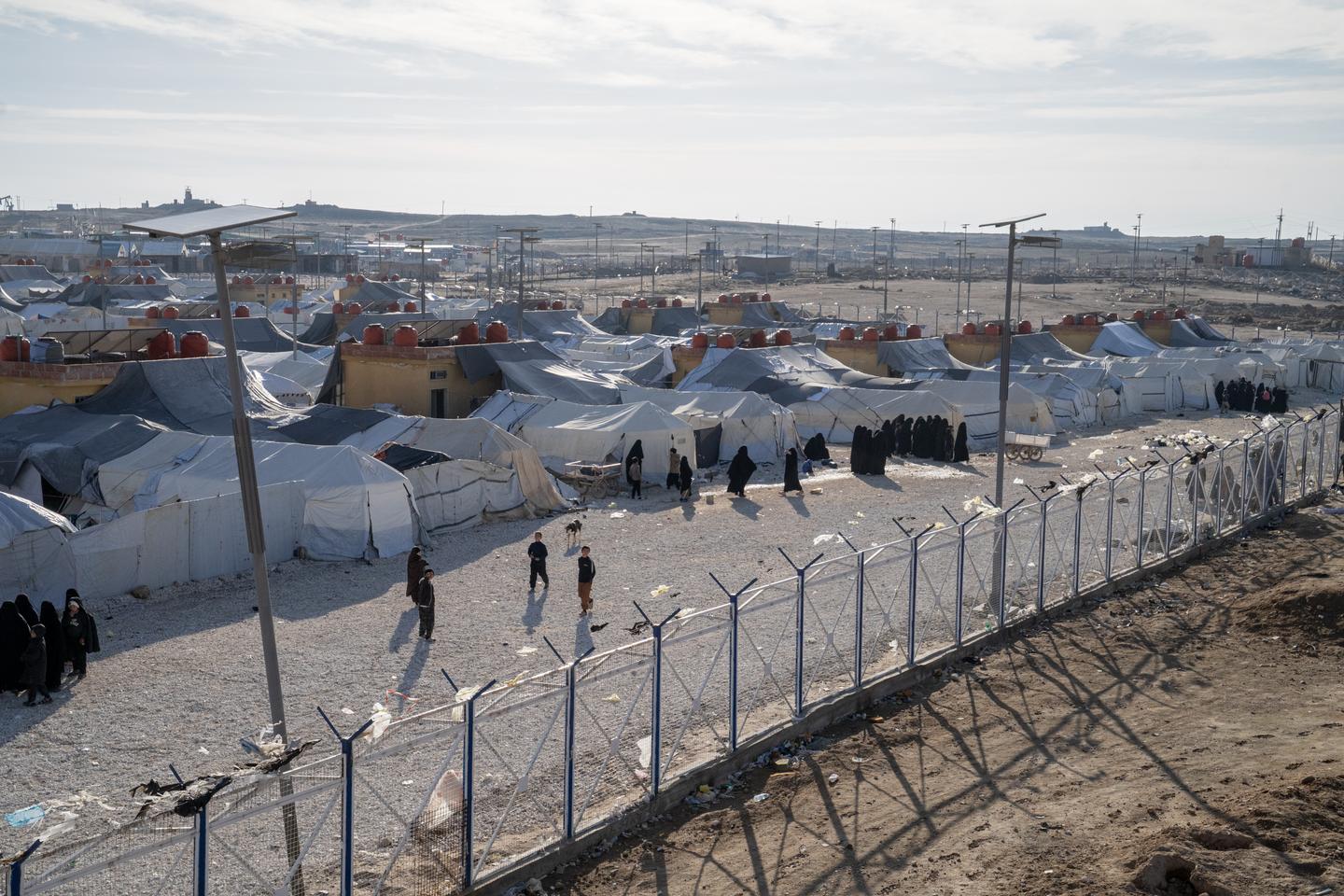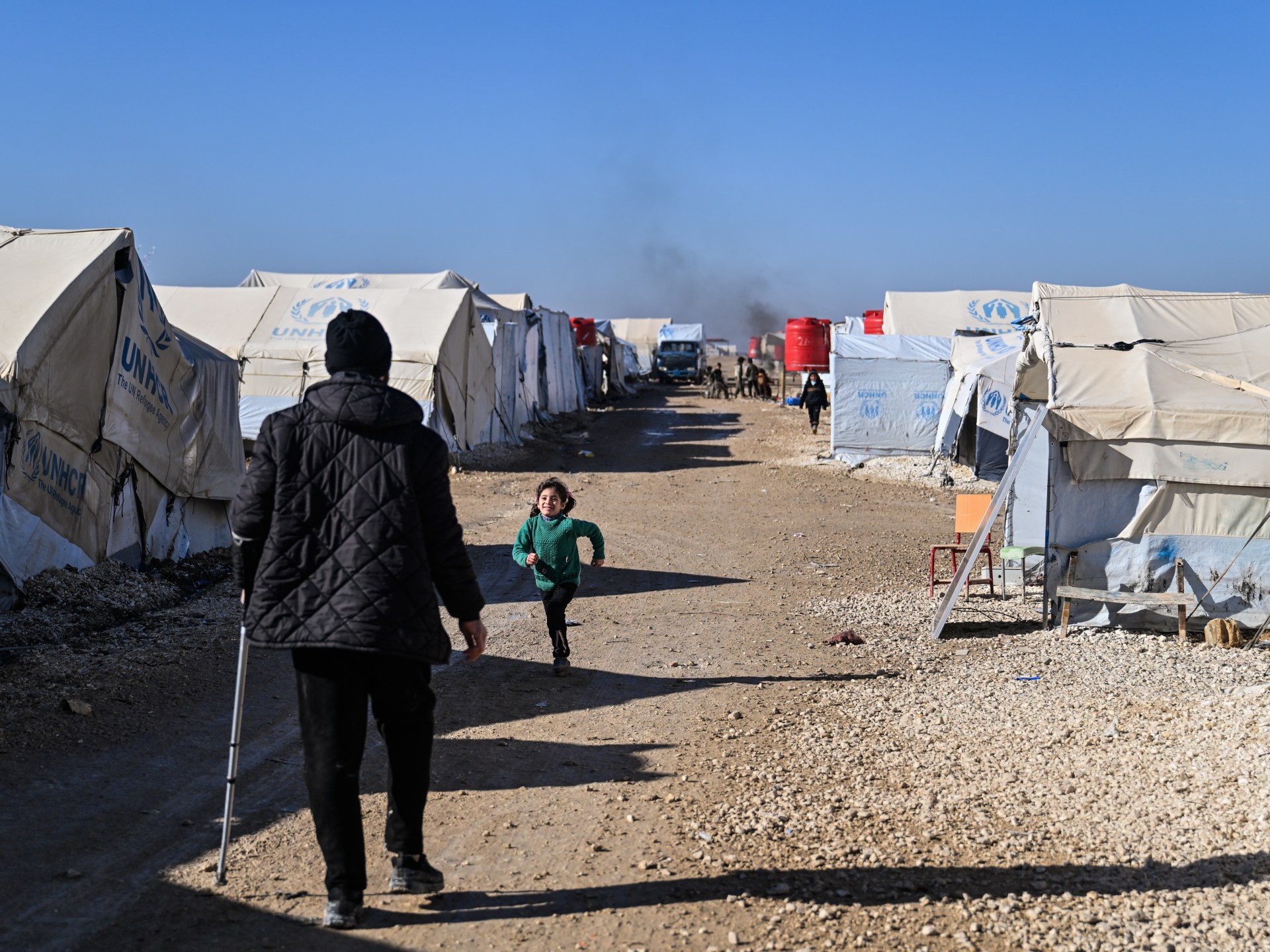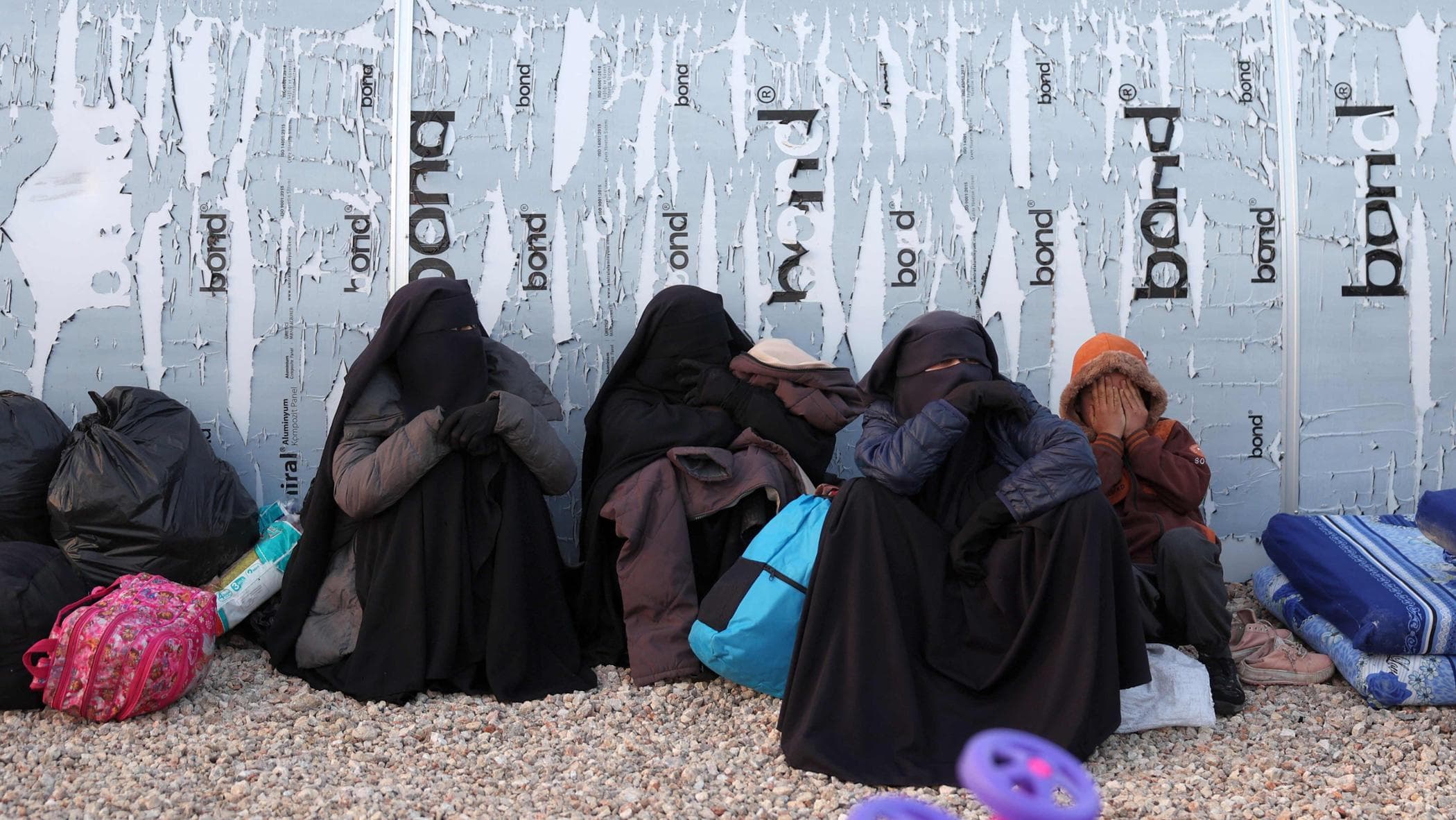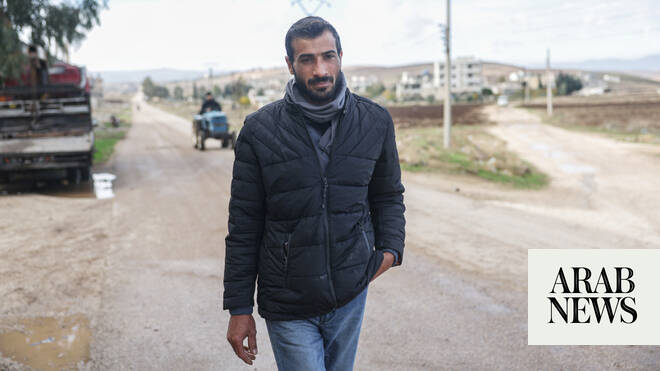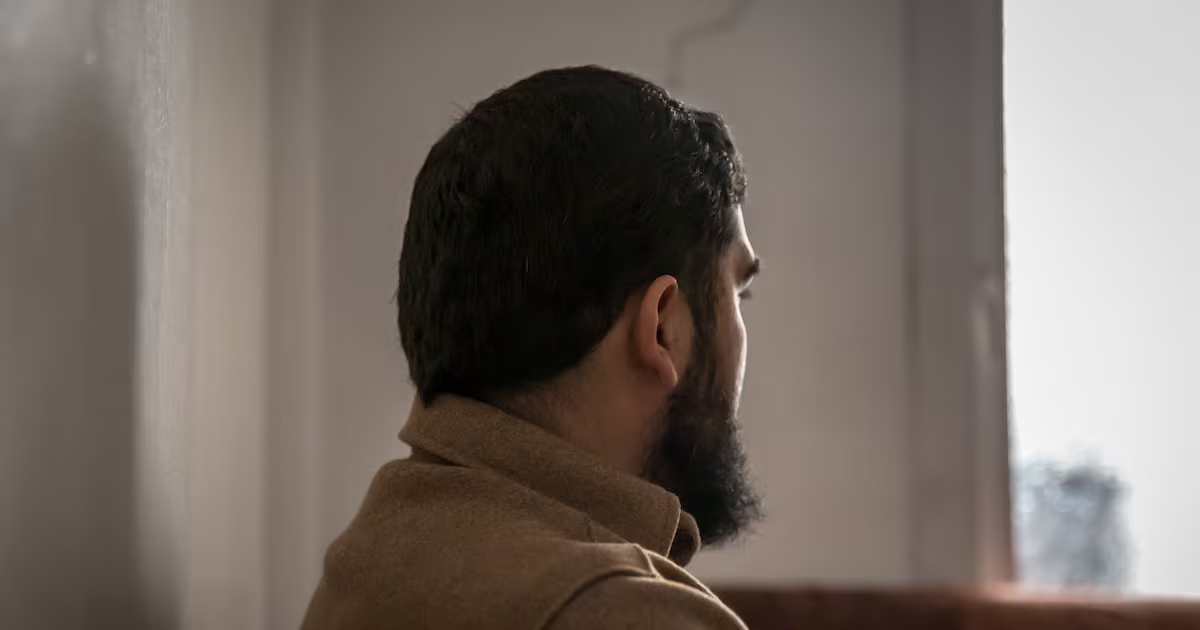
Until the start of this year, Fade (28), his wife and four children lived in Al Hol. The notorious detention camp in northeast Syria held tens of thousands of people accused of having links to Islamic State (also known as Isis). The detainees did not undergo any formal legal process. Human rights organisations condemned their detention as arbitrary and illegal under international law. In February, in a shock change of fortunes, the camp was closed after Syria’s new government took control of the area, ousting the Kurdish-led Syrian Democratic Forces (SDF).Fade asked to be identified by his first name only, saying he did not want to be associated with that experience for the rest of his life. He spoke during an in-person interview in Aleppo governorate.Fade said many of those who spent years in Al Hol were innocent civilians. “It’s very important to mention that Isis controlled a piece of land in Syria that contained eight million inhabitants: of course those eight million people weren’t [members of] Isis,” he said. “At the end you have a power coming and conquering the place where you live ... It’s like any conflict in the world, like the war in Ukraine and Russia: when the Russians advance does it mean that everyone supports them?”In 2017, Fade said he was working as a pharmacist in the al-Fardous neighbourhood of Syrian city Raqqa, when he was injured in a bombing. Raqqa was then the capital of what Islamic State called its caliphate – a stretch of territory that, at its height, covered at least a third of Syria and Iraq. Fade has no idea who was behind the bombing, although an investigation by Amnesty International and international watchdog Airwars found more than 1,600 civilians were killed by international coalition air strikes on Raqqa, and many more injured. Fade sits in the his family's rented apartment after getting out of Al Hol. Photograph: Sally Hayden The US-led Global Coalition to Defeat Isis was formed in 2014 to prevent a resurgence of Islamic State. Fade said he narrowly avoided having his leg amputated. Afterwards, he tried to escape with his wife and baby, although he was worried about mines. “I saw a lady collecting dandelions and because of the mines she lost both of her hands.”The family ended up in a group trapped in the countryside of Deir ez-Zor, before an agreement was made giving civilians safe passage. They were questioned by members of the international coalition and their partners, the SDF. Some people were arrested, he recalled. Fade says he was told that “procedures” meant he must spend a short time in a camp before continuing his life.In Al Hol, what was supposed to be “ two, three months lasted for eight years”. A spokesperson for the Global Coalition to Defeat Isis – of which Ireland is a listed partner – did not reply to a request for comment. Fade said about 20 per cent of Al Hol detainees had an “extremist tendency” with “the opinions and approach of Isis”. He said it was their fault that the camp remained in operation for so long. “They had a big influence because normal civilians were afraid of them ... It’s not like I live at home and I can close my door. They can come and burn my tent.”Jihan Hanan, a former co-director of the camp, confirmed that civilians lived there. She said the camp was once open-access, but this ended because of security risks as “no one was able to separate the civilians from Isis. Unfortunately.”Fade said medical services were provided, though some people died waiting for surgery. Hanan called the health situation in the camp a “disaster”, saying a lot of people died because of travel restrictions. There were regular raids by the SDF, who stole their belongings and money, Fade said. Hanan said detainees could complain about such incidents so that action could be taken.Food parcels were consistent with “international standards”, Fade said. But he said many aid workers treated detainees with “a sentiment of hate and discrimination, like we were their enemies”.Fade found work with international organisations, but the camp’s administration put a stop to it. Hanan said decisions to limit employment opportunities were made because of a fear that money could be spent on Isis cells and weapons. Other detainees opened small shops or stalls, but it was difficult to do business because of the mobility restrictions.People were regularly smuggled out of the camp. Fade heard this could cost €75,000 for a foreign woman, or €3,500 dollars for each Syrian. He says someone offered to take his family, but he did not have enough money and worried he would be caught or shot at, because of his disability.Women sell vegetables in Al Hol before its closure. Photograph: Sally Hayden Al Hol was surrounded by a guarded perimeter of about 17km. Inside were people of 43 nationalities, including 6,300 who were not from Iraq or Syria, Kurdish-led authorities said last year. At the camp’s height in 2019, it held more than 76,000 detainees, according to Médecins Sans Frontières. The camp’s former authorities said there were more than 23,000 detainees when it changed hands this year. Fade said he had no interaction with those in a special area for foreigners known as the “Annex”. Fade and his wife were “desperate” not to live the rest of their lives in Al Hol. Unlike their four children, they remembered life outside: “We knew what it means to walk in the street, to take a taxi,” Fade says. Their children “didn’t know what an apartment building is, or a house or a car, they used to only see UNHCR cars ... They don’t know what a tree is because the camp is in a desert.”When the Syrian government’s military offensive began in January, Fade says the internet was cut off. The SDF withdrew on January 20th, and it took hours for government forces to arrive. Fade said that period was chaotic. Camp detainees burned down UN facilities. Fade said detainees regarded the UN as “partners in the misery of people in the camp”, complicit in “propaganda ... that we are human monsters, we are Isis, we want to kill everyone.” But those in Al Hol were optimistic that they would soon be set free by the Syrian government, now led by former jihadist-turned-statesman Ahmed al-Sharaa. “That’s why not a lot of people ran away,” Fade said – this is contrary to reports saying huge numbers escaped. Even those who left came back again, he said, “because it’s a desert, where should they go?” They decided it was “better they wait for the government and the government will take them home”. [ The secret history of Syria’s new leader, Ahmed al-SharaaOpens in new window ]Government forces eventually arrived, with journalists not long after them. Al Hol’s residents spoke to media outlets through a fence. “I felt like we were zombies,” Fade says. It was “like the series The Walking Dead”.Security forces put on “an act at the beginning”, to show they would keep everyone locked up, he said. Yet soon, he said, they told residents: “We are not your jailers here. I know that most of you are innocent, and even if you committed a crime, you have been here for seven or eight years already.” After a few days, according to Fade, ministry of defence convoys drove in with a Starlink internet connection, allowing Al Hol’s residents to contact their families. He says most people arranged to leave at that stage, apart from those who owned shops, and some Iraqis. Fade said security officials told everyone they had two options: to wait for international organisations to move them and their belongings, which might take months; or to leave faster, but bring nothing with them. “In the end what did I have? A tent, nothing. My freedom is what I want,” Fade said. They were driven more than 400km to Aleppo city, and organised transport back to his family home. Fade was shocked to be outside. “I was afraid for my mother ... I hadn’t seen her in over 10 years, I was afraid that she might collapse or die when I see her. It was overwhelming, the feeling. Thankfully, everything was okay.” On February 22nd, Al Hol’s closure was announced. Some former detainees were transferred to a new camp – Aq Burhan in Aleppo governorate – but the vast majority scattered.Hanan, the camp’s former co-director, argues that all former detainees should be traced. She said a subsection with extremist ideas will pose a threat unless they go through rehabilitation programmes. There are also vulnerable children and people with serious healthcare needs, she said. “It would be better if we knew where these people went.”In Fade’s opinion, Al Hol’s detainees posed a bigger security risk inside the camp, though “definitely you will see some exceptions, people looking for trouble”. He said the “radicals” in Al Hol had two major grievances – that their family members were jailed or killed for being in Isis and that they themselves were detained. Outside, those people will be outliers, he believes, without the power of a group. “If you spread them around the effect will be almost zero.”Fade saw the camp’s “notorious reputation” as “staged and made up by authorities”, saying most detainees longed for a normal life. Now they will be “busy working like me ... taking my children to school, seeing my family and enjoying my time”.He first smiled when asked about plans for the future, before noting the challenges ahead. Like others held in Al Hol, his family lacks legal documentation. This causes problems, including with enrolling in school, though his children’s education is a “number one priority”. Fade said his documents were confiscated when he arrived at the camp; this is consistent with accounts by other former Al Hol residents. Fade also needs medical care for his disability – ideally including a prosthetic leg – and wondered if international organisations could help. He wants to work as a pharmacist, while doing further studies. He would also like to travel across Syria to do “tourism” – not possible during the war.Asked why he agreed to an interview, he said, “I would love to deliver a message to the world that not all Syrians are criminals who want to fight each other. We are positive people, we are nice people, we are hardworking people ... I want to contribute to the future of my country and I want to tell the real story of inside Al Hol camp.”– Hani Alagbar assisted with this reporting.
Leaving Al Hol: A Syrian father on survival, freedom and what comes next
Fade (28), his wife and four children lived in the notorious detention camp in Syria for eight years. He agreed to an interview so he could tell the ‘real story of inside Al Hol’
1,764 words~8 min read