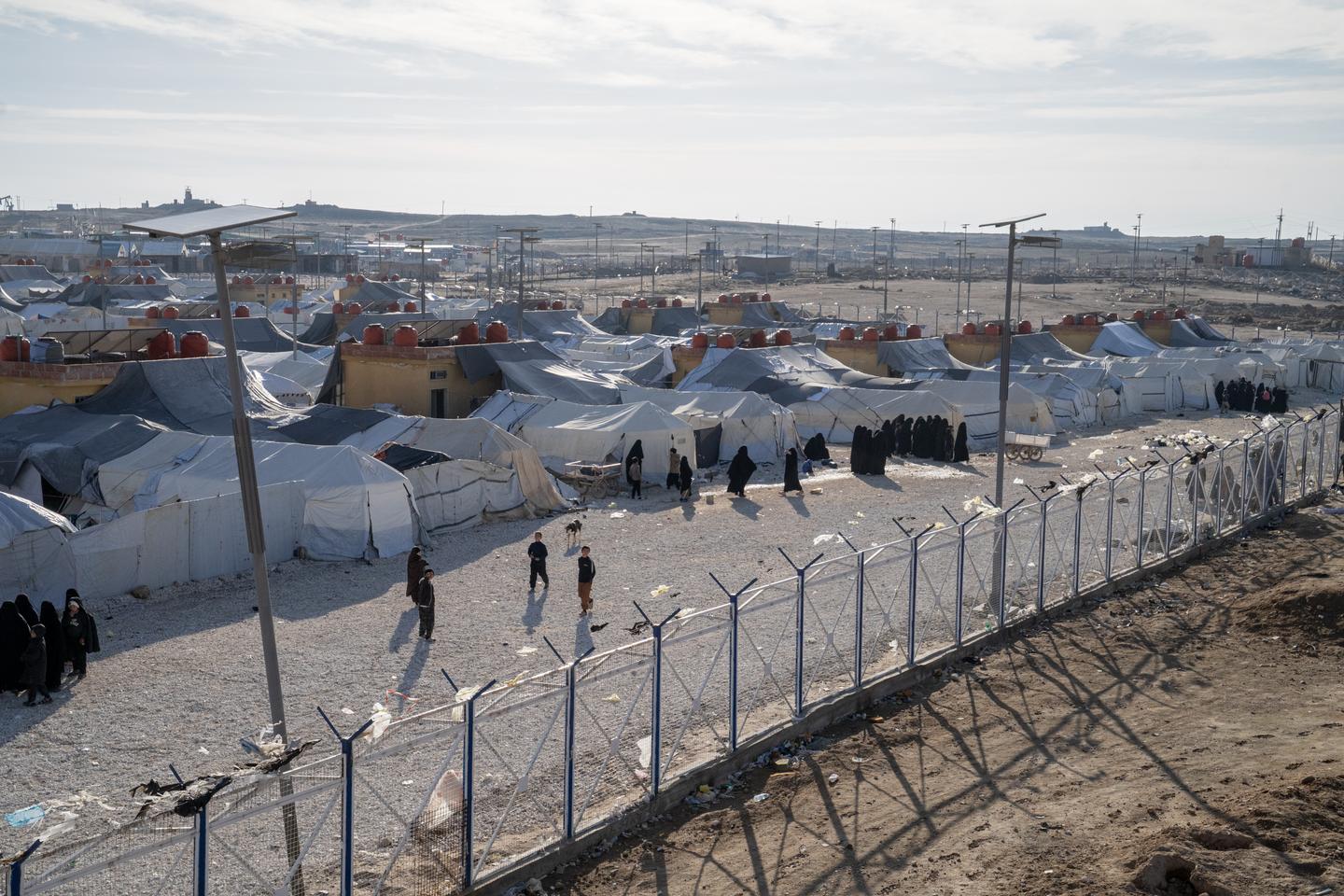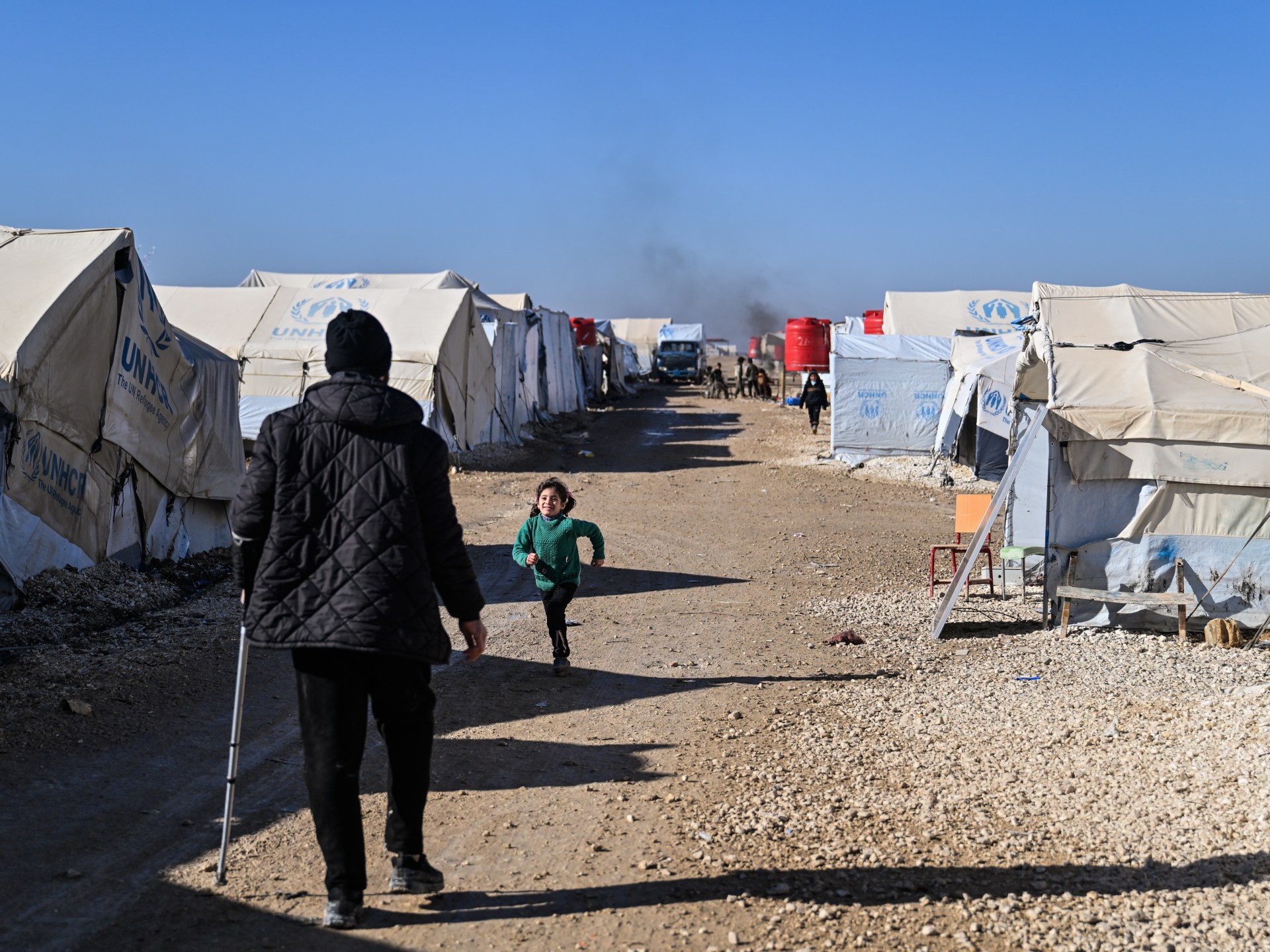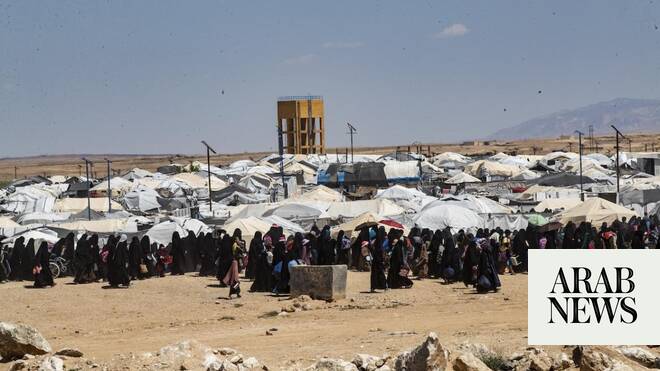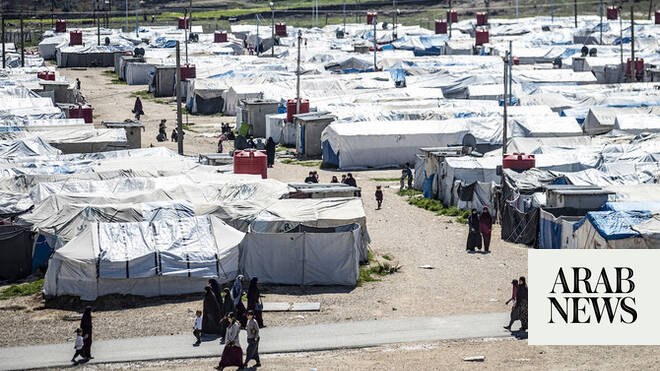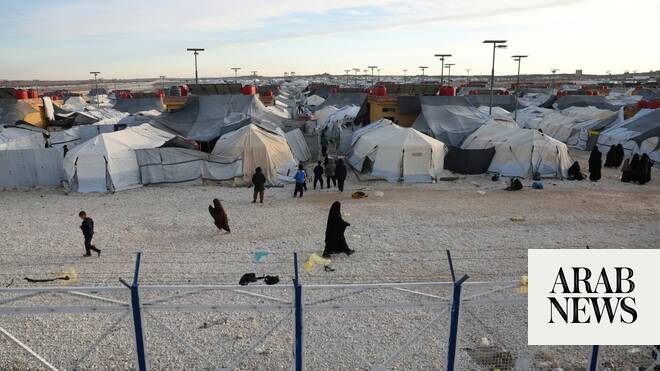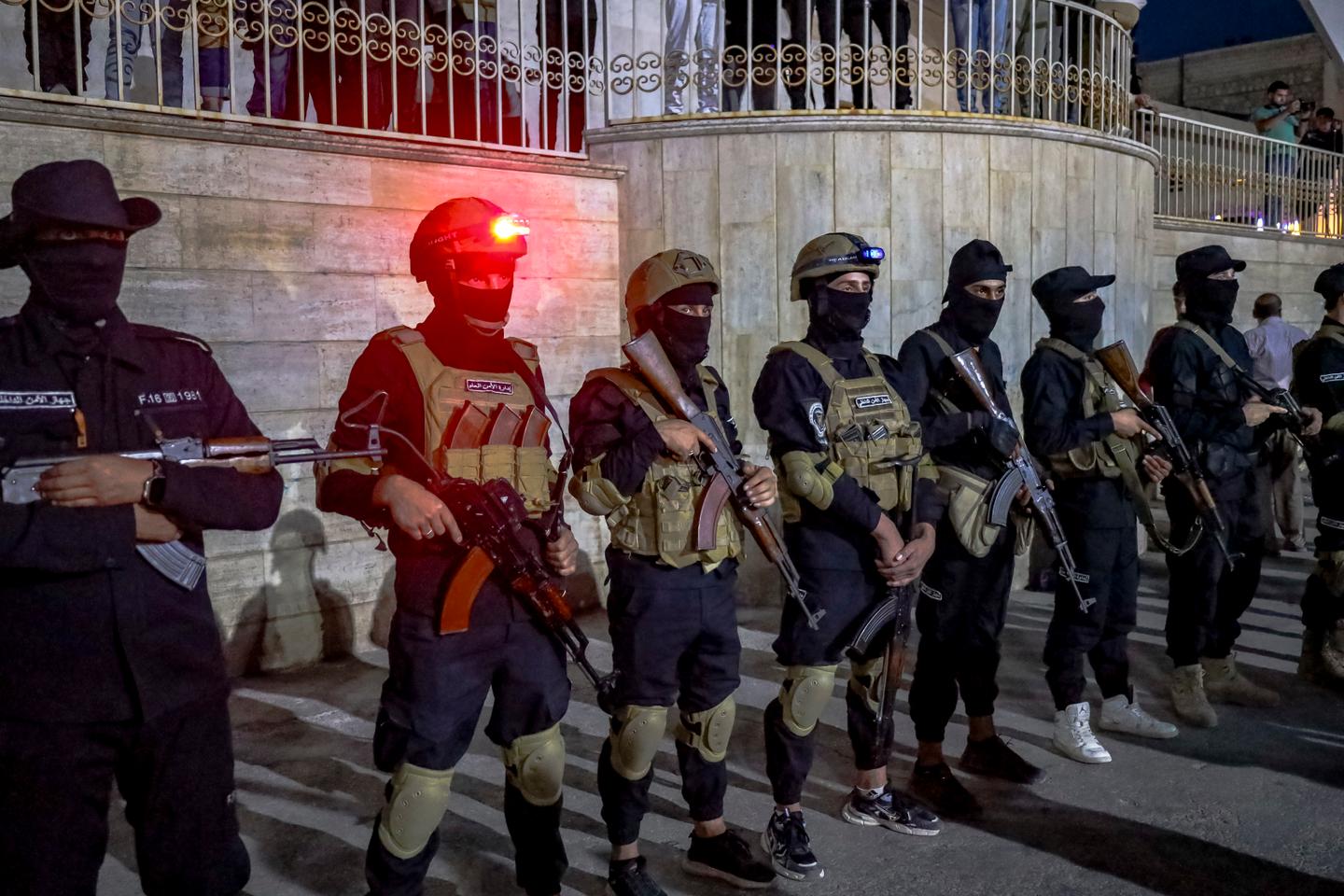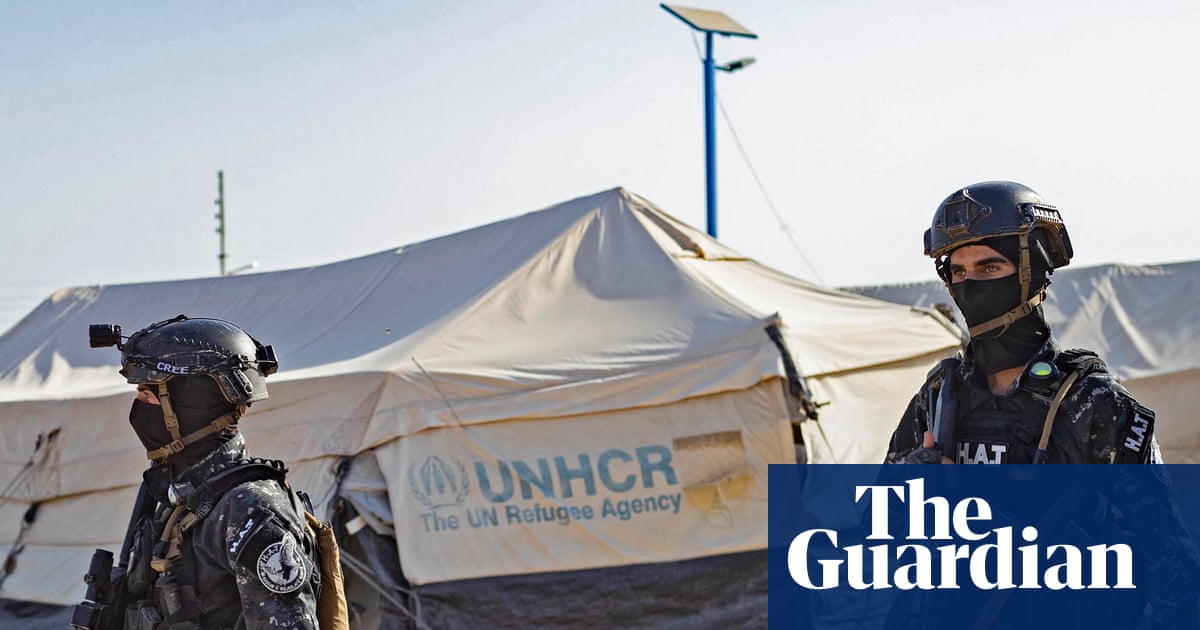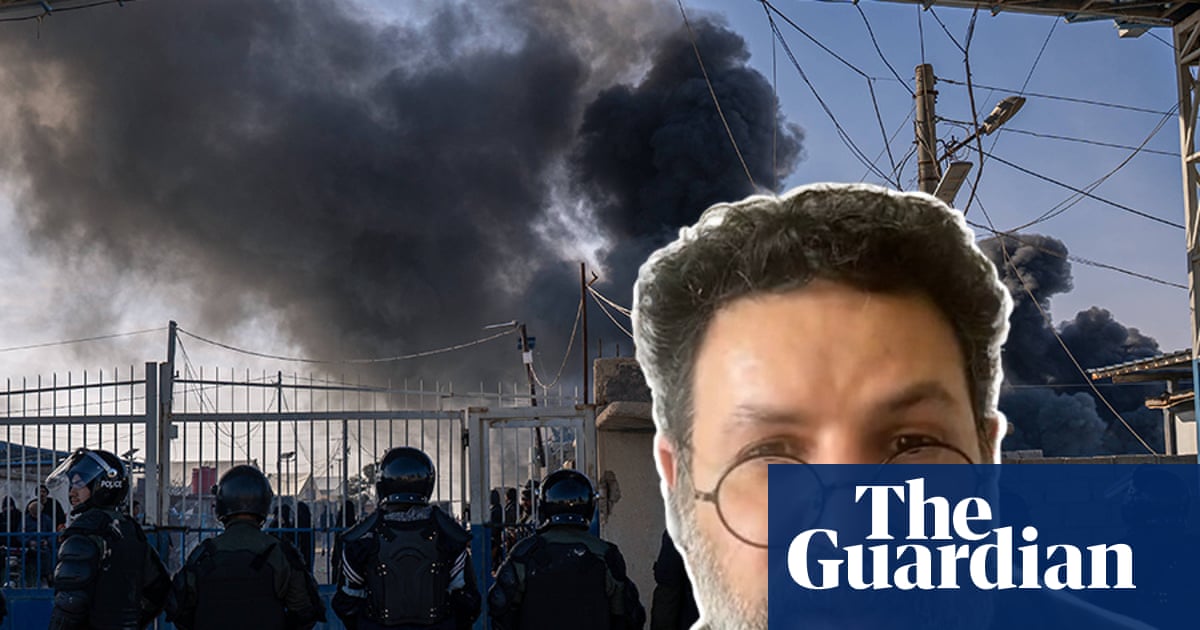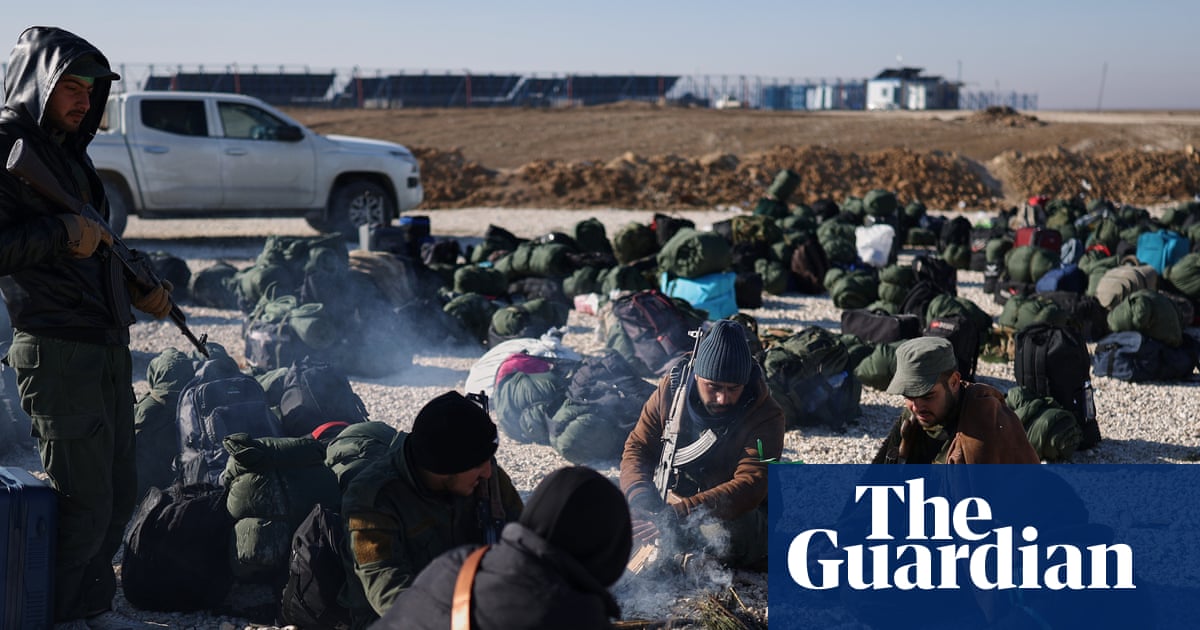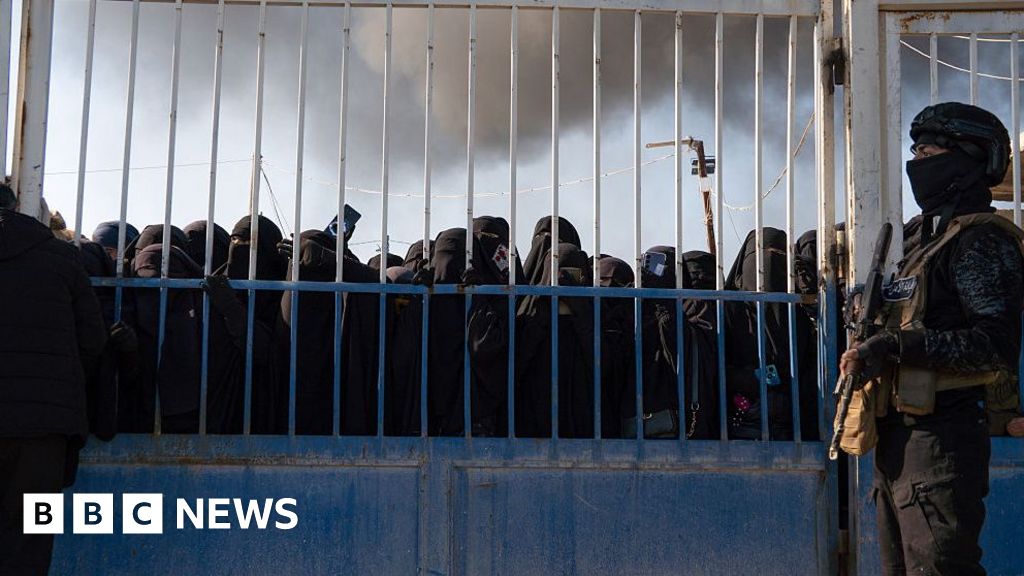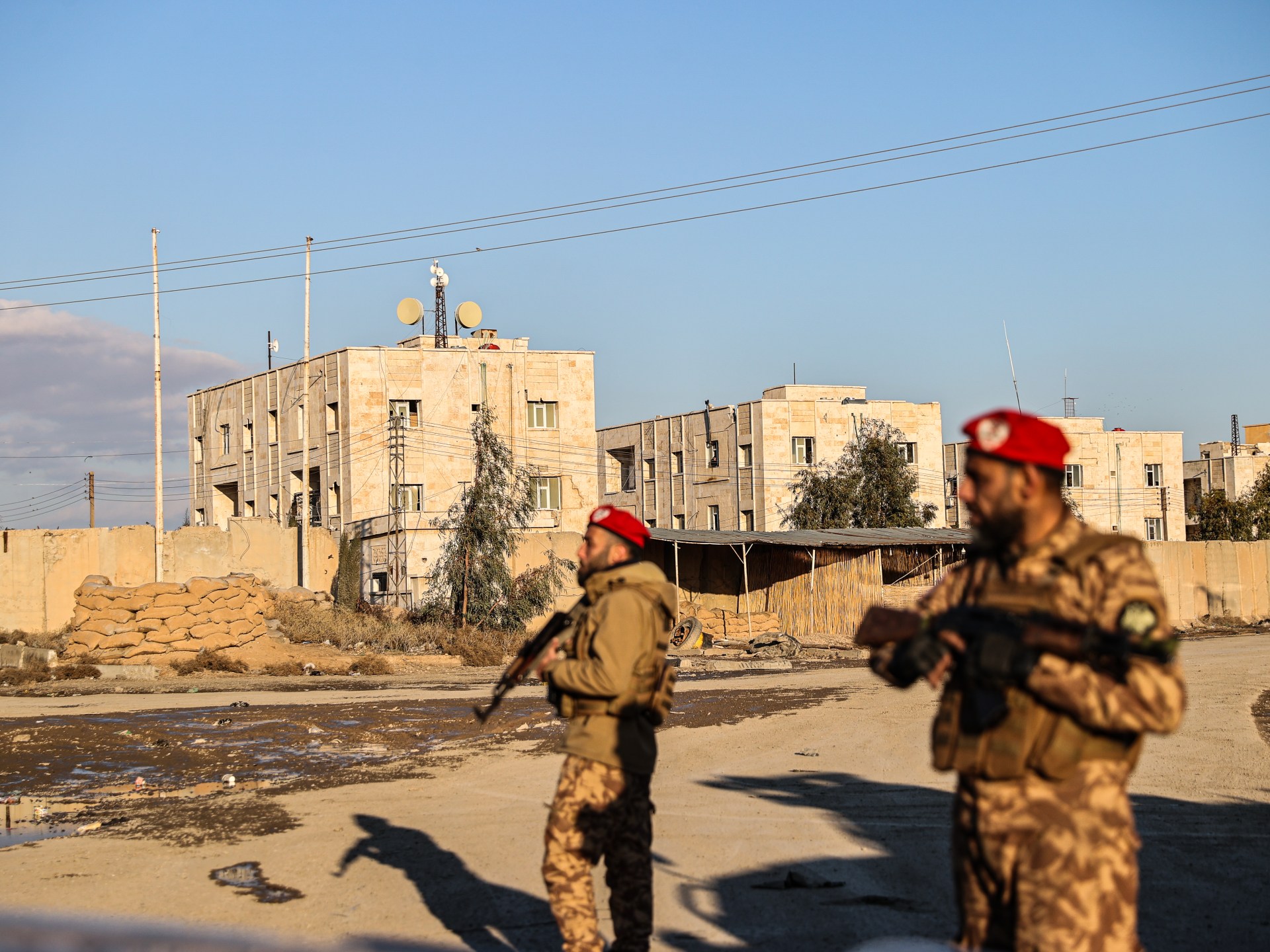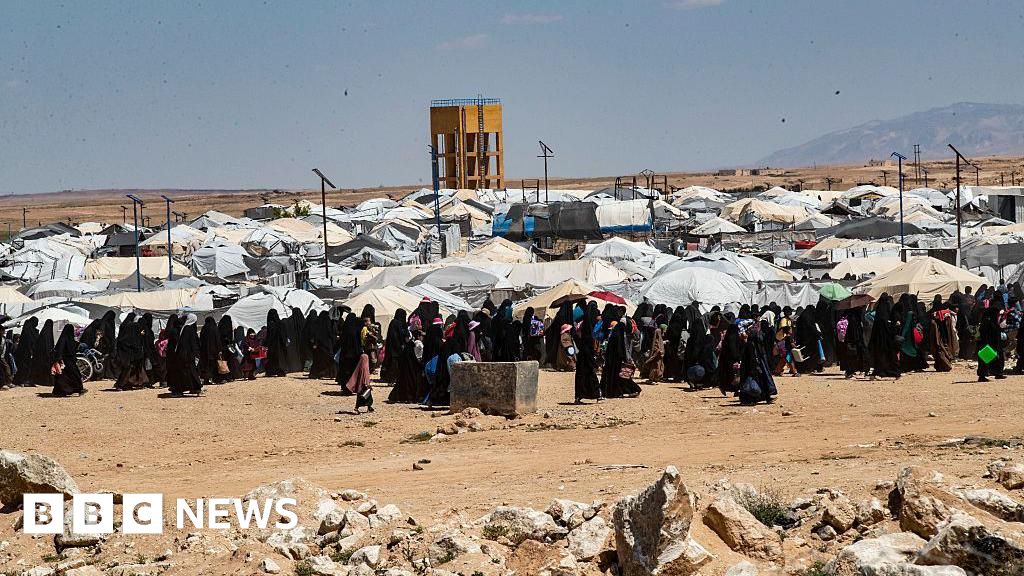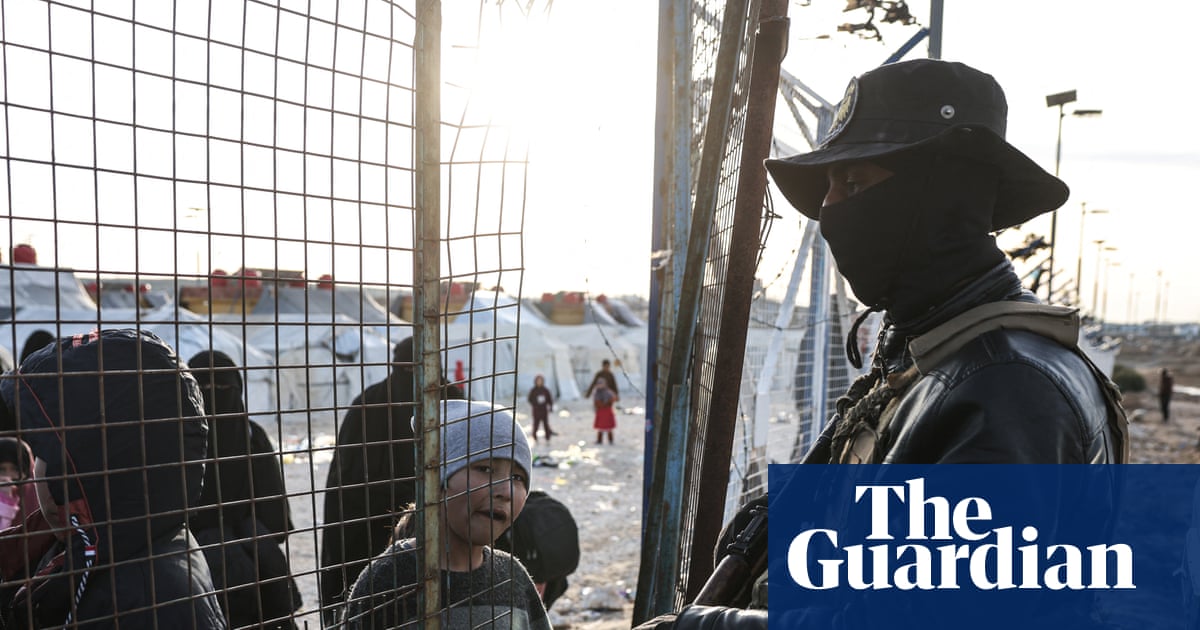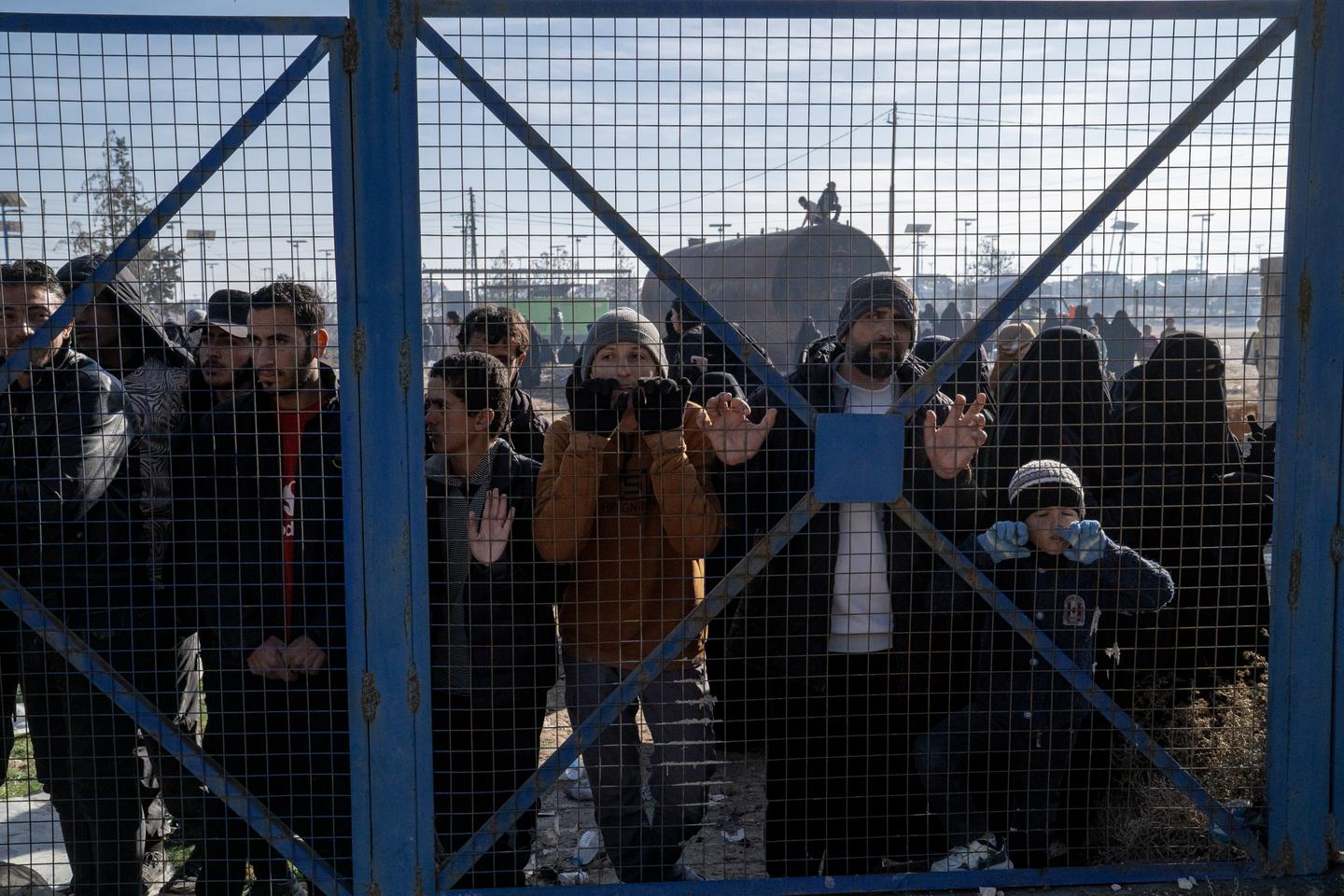
People stand behind the fences of Al-Hol camp in Syria after the Syrian government took control following the withdrawal of the Syrian Democratic Forces (SDF) on January 21, 2026. PHILÉMON BARBIER/HORS FORMAT FOR LE MONDE
Gathered behind the fence enclosing the "annex" – the secured section reserved for the wives and children of foreign jihadists at the Al-Hol detention camp in northeastern Syria – boys from Central Asia recounted to Interior Ministry guards their lives over the past seven years under the watch of the Syrian Democratic Forces (SDF), a predominantly Kurdish group. Those over 12 years old had lived in hiding to avoid being sent to a detention center for teenagers in Qamishli.
"I want to leave here and find a job, to live, in Syria. I know only Syria. If I go back to my country, the army will take me," said Abdallah, a 13-year-old from Tajikistan who gave only his first name. He has not heard from his father since the battle of Baghouz, the last stronghold of the Islamic State group (IS) in Syria, retaken by the SDF with the support of the international anti-IS coalition in 2019. Like tens of thousands of other women and children of jihadists, he was brought to Al-Hol by Kurdish forces, along with his mother and siblings.