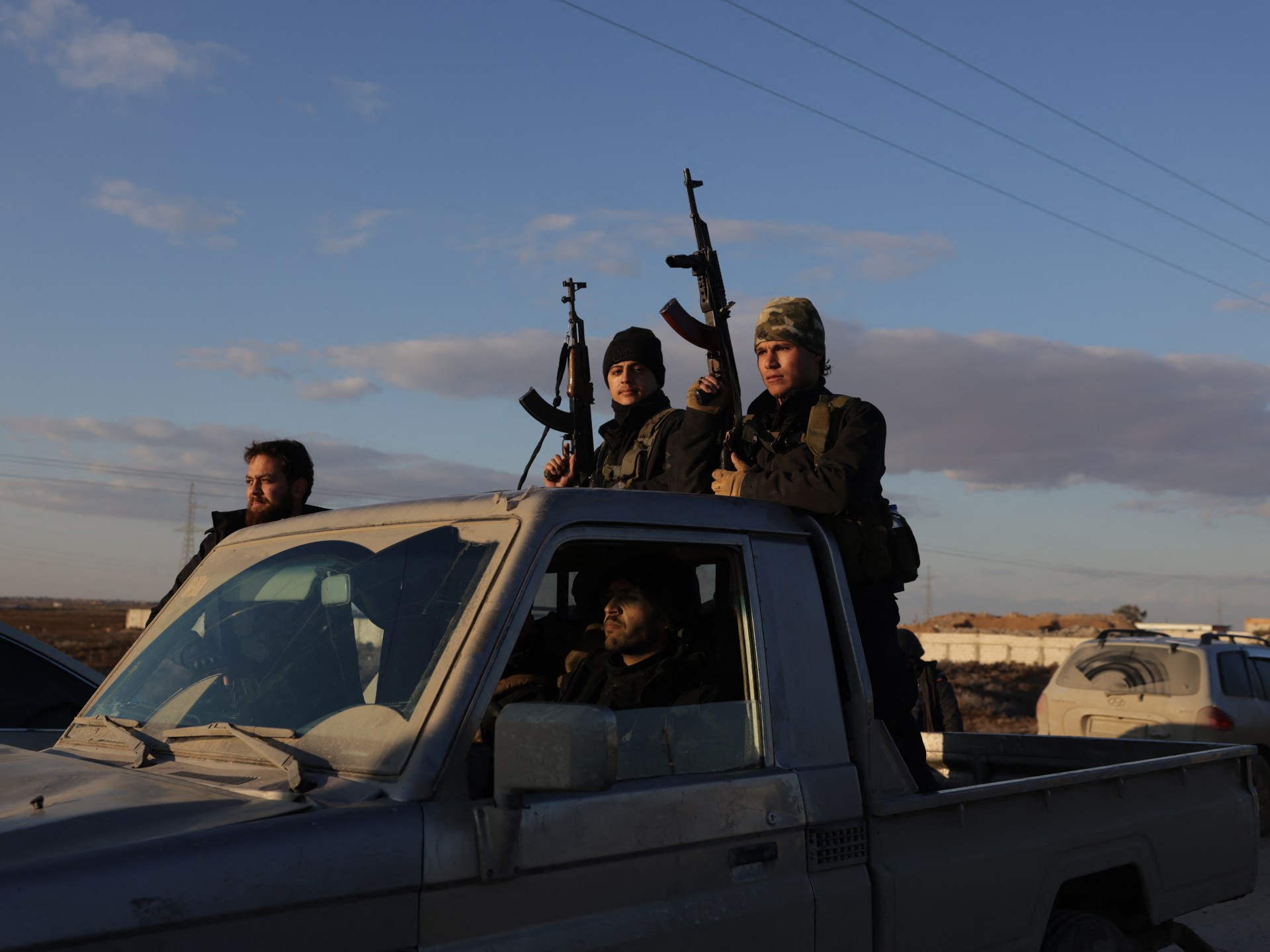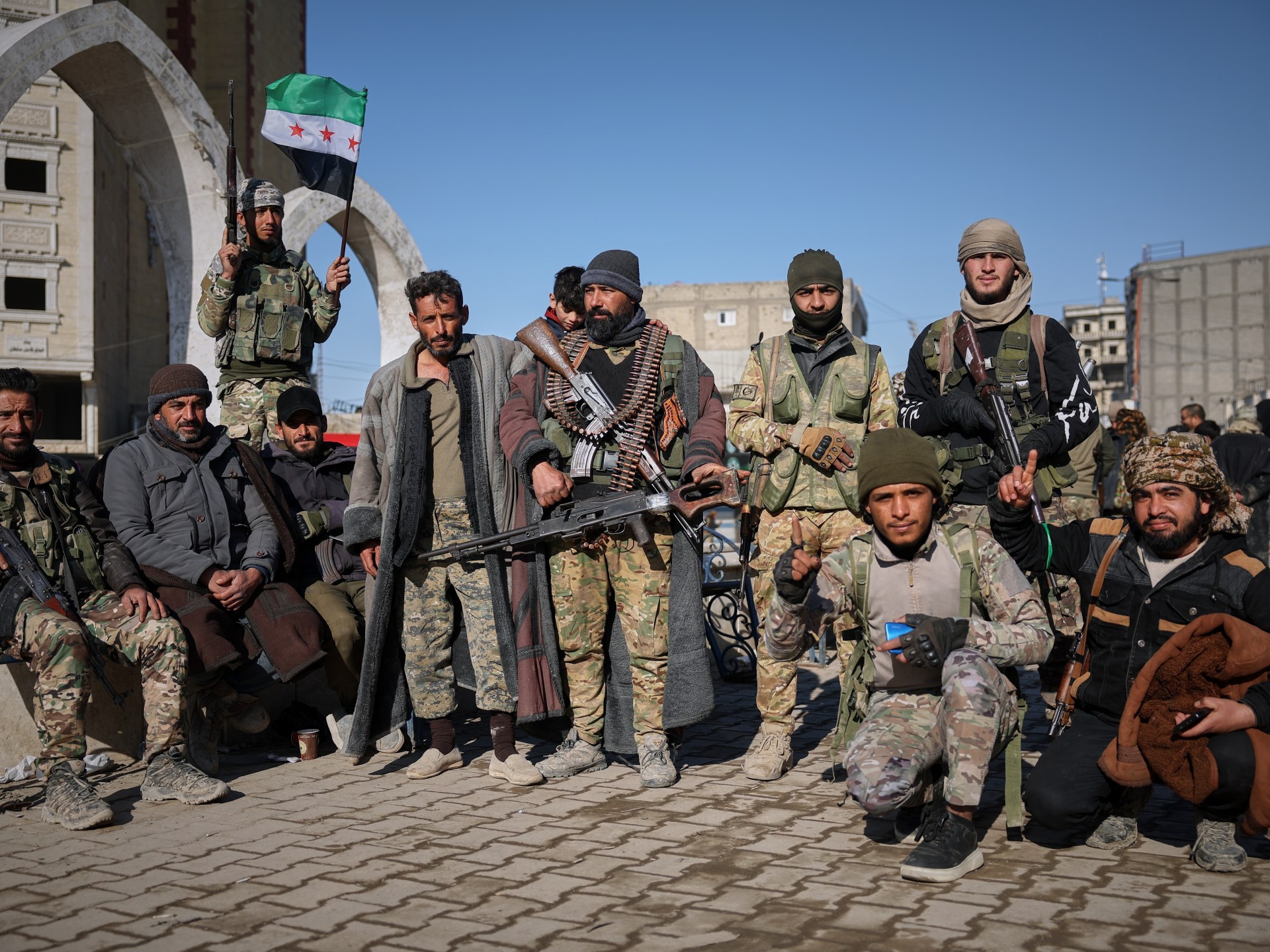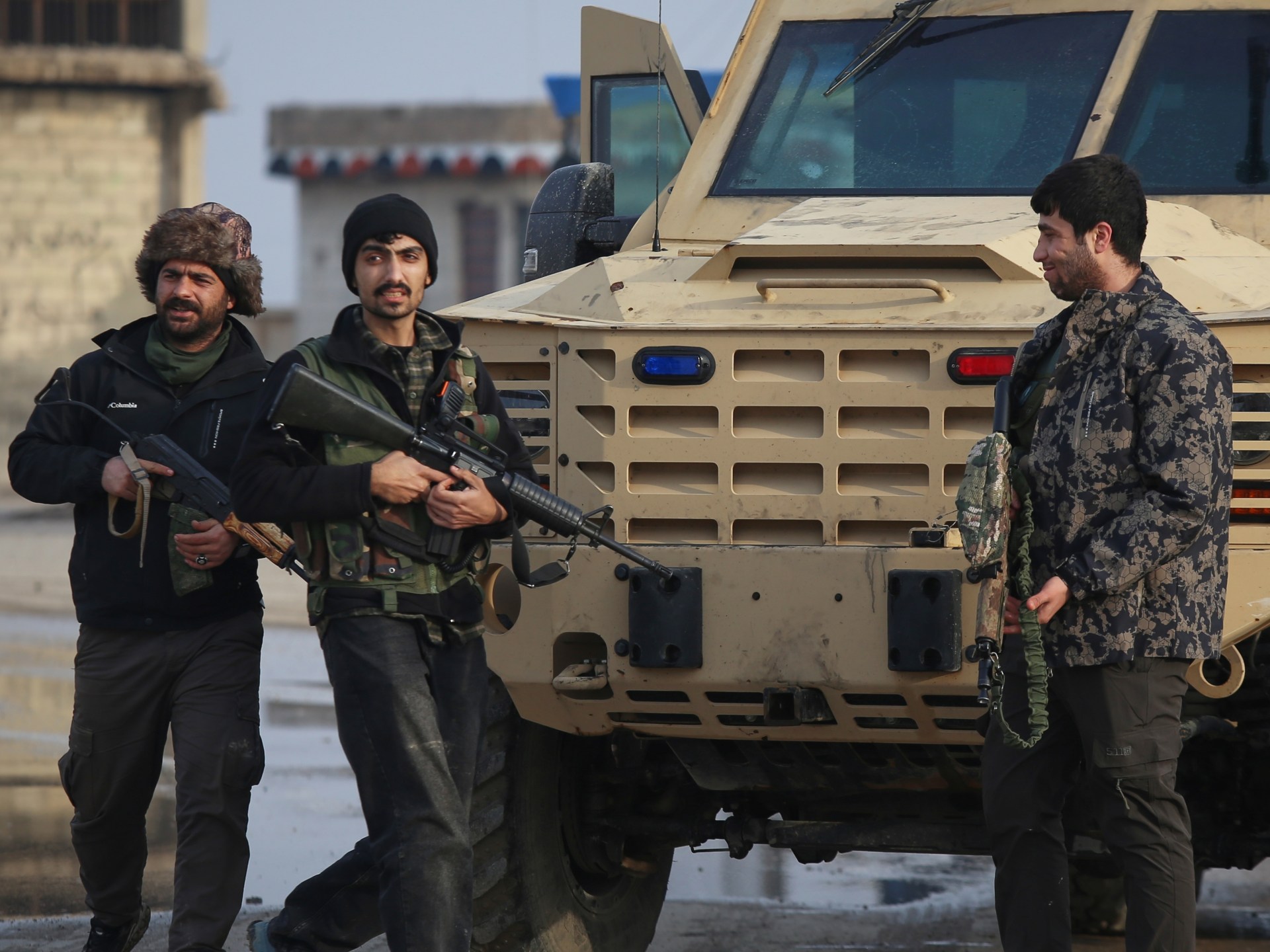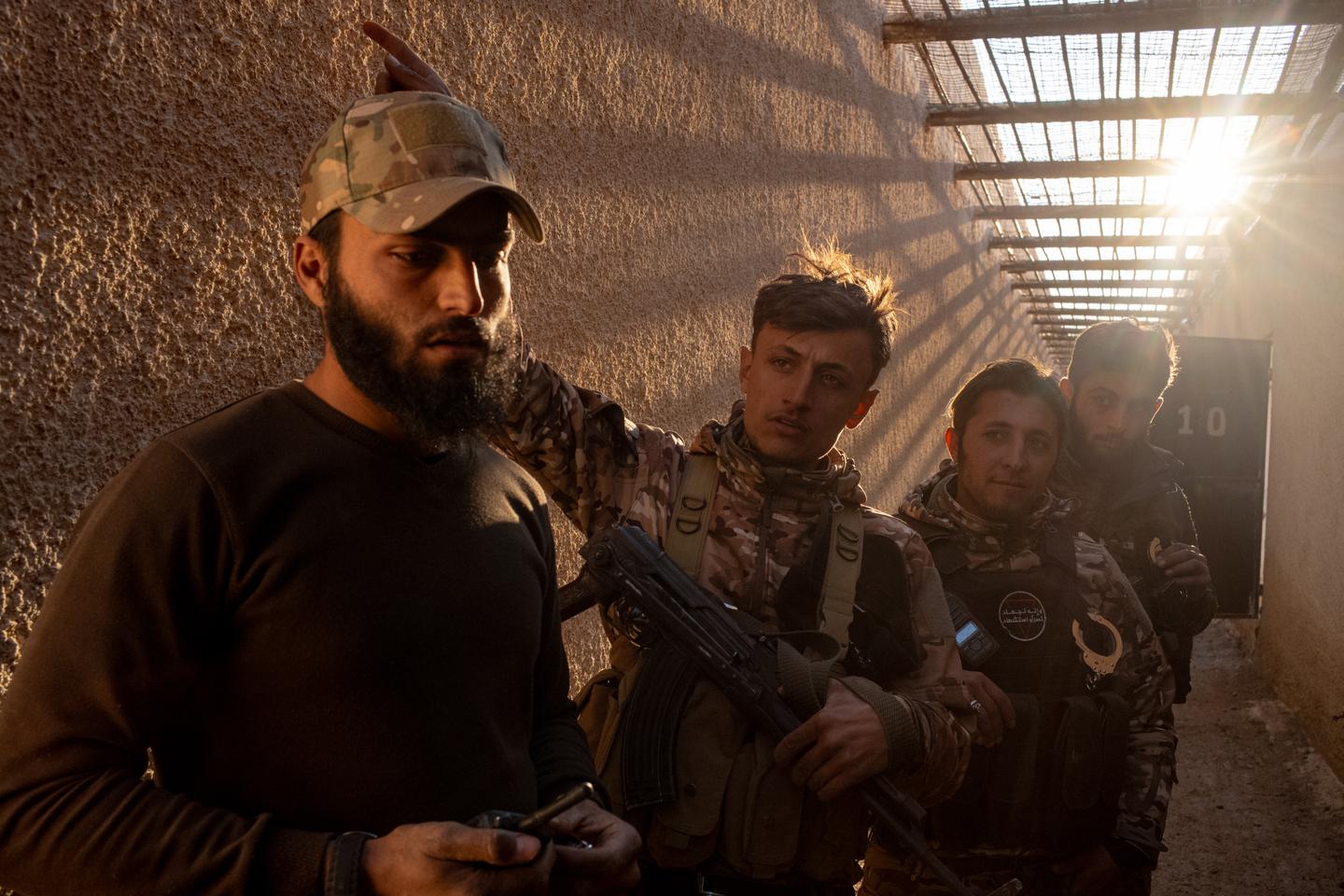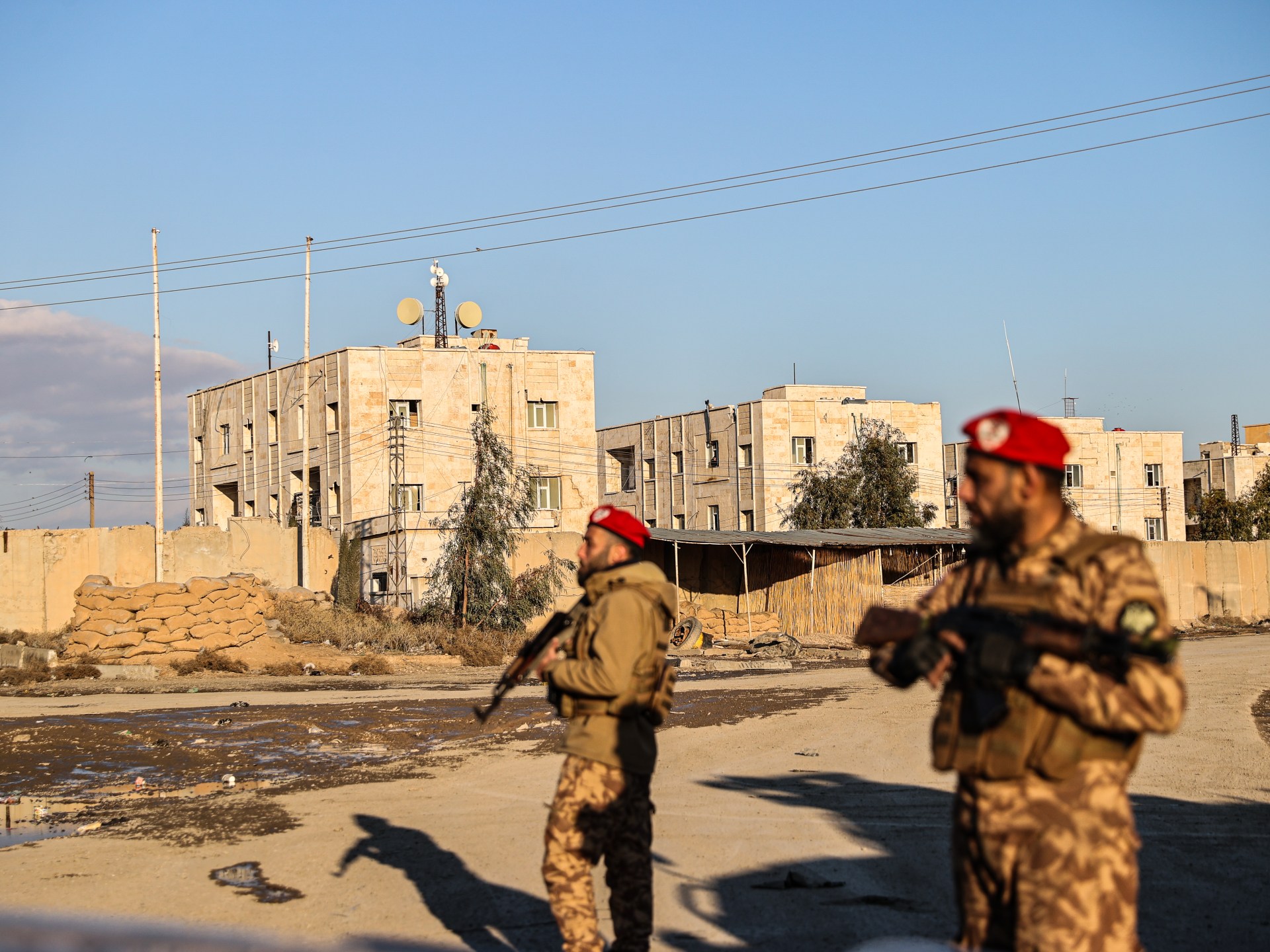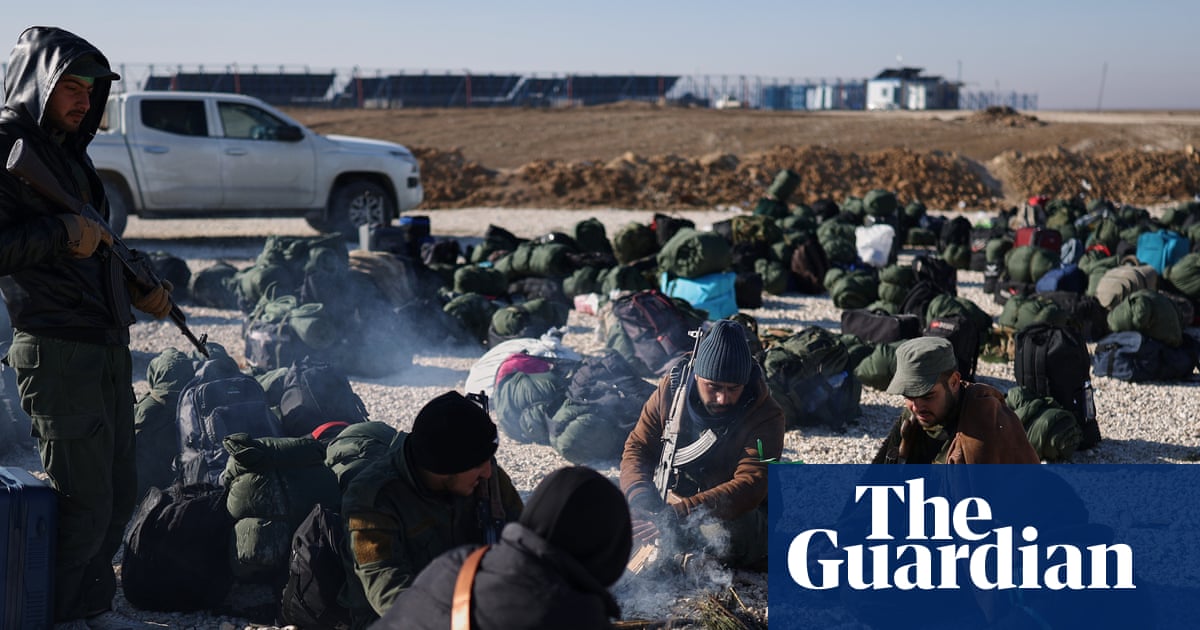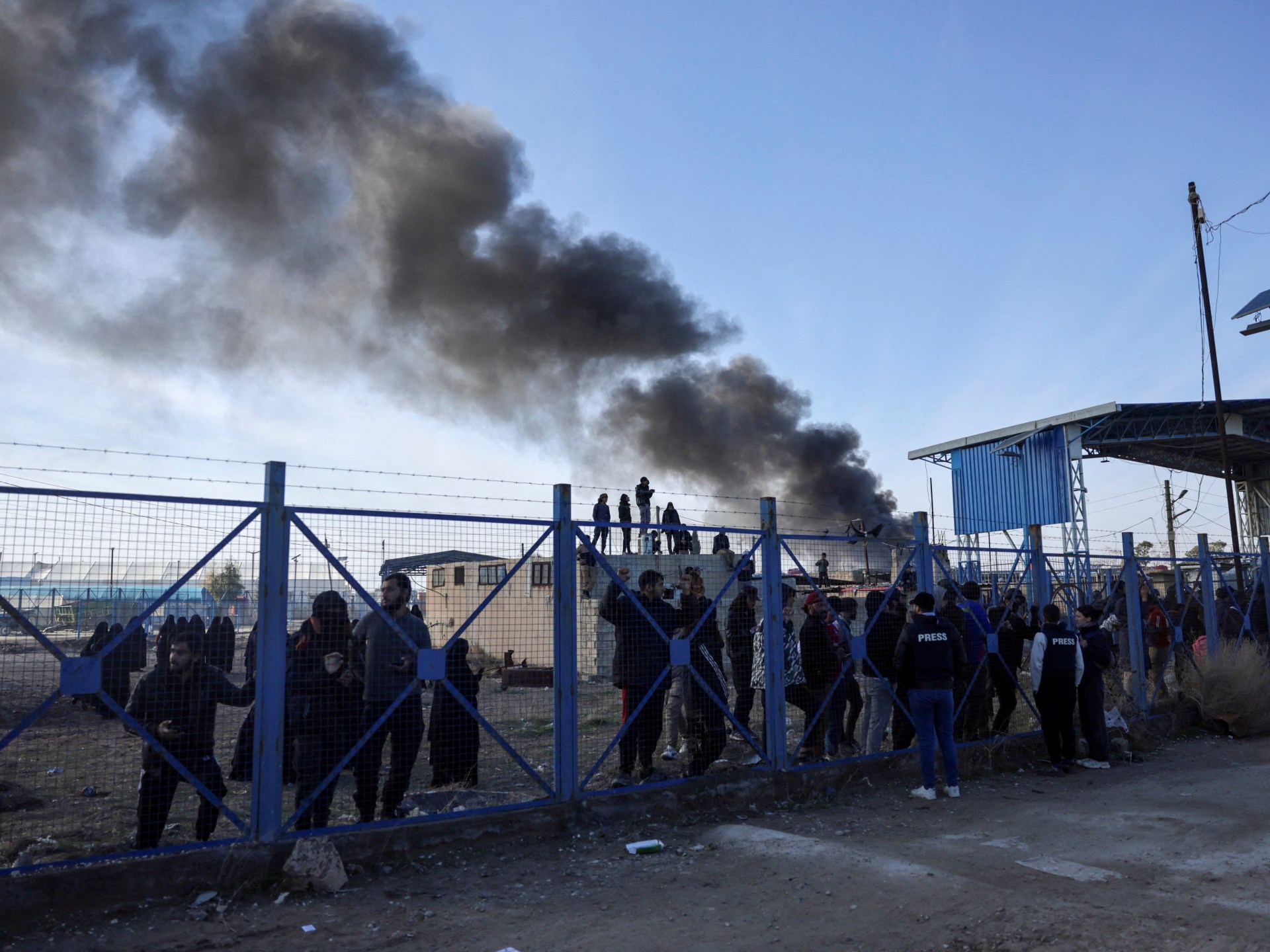
Director of al-Hawl camp describes chaotic scenes as Kurdish guards fled and government fighters arrived. Will Christou reports from al-Hawl
T
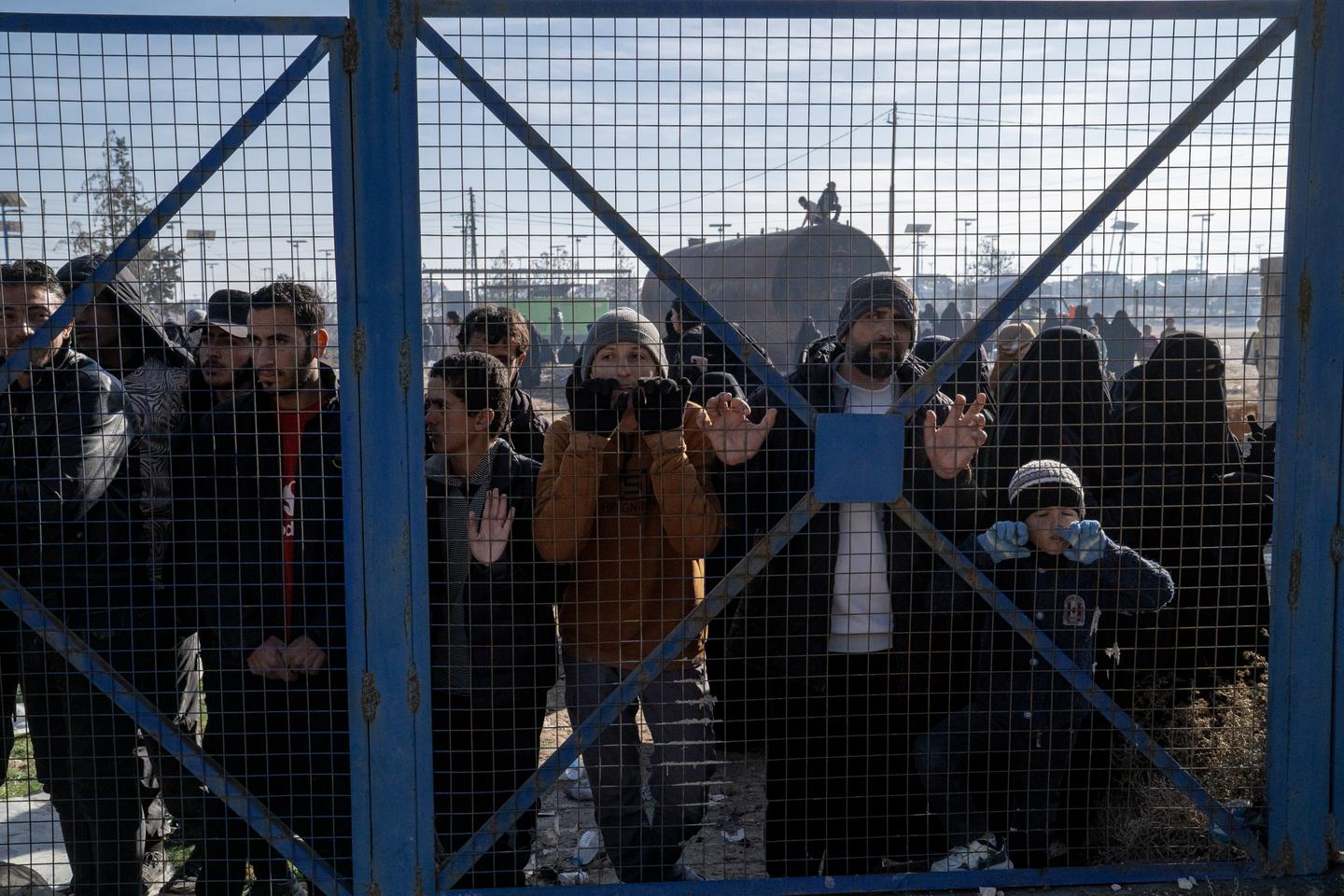
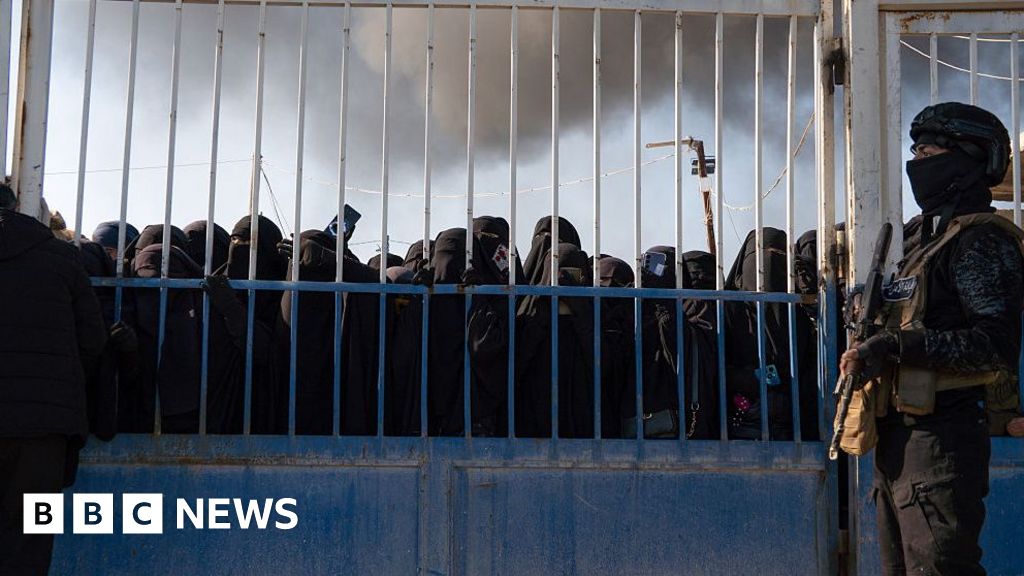
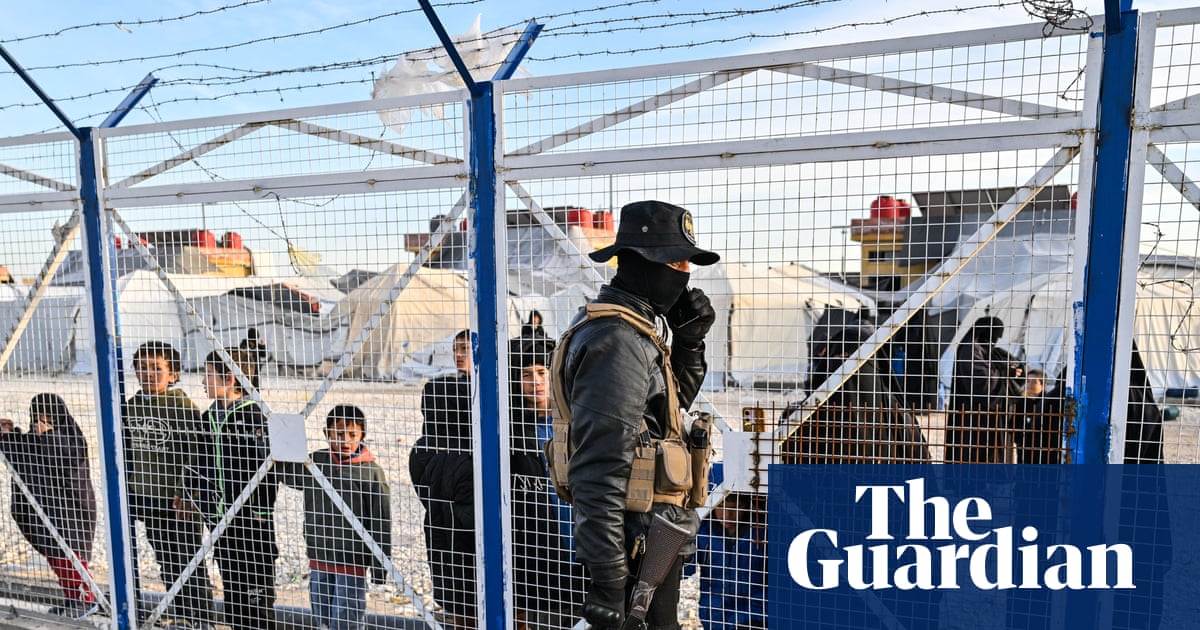
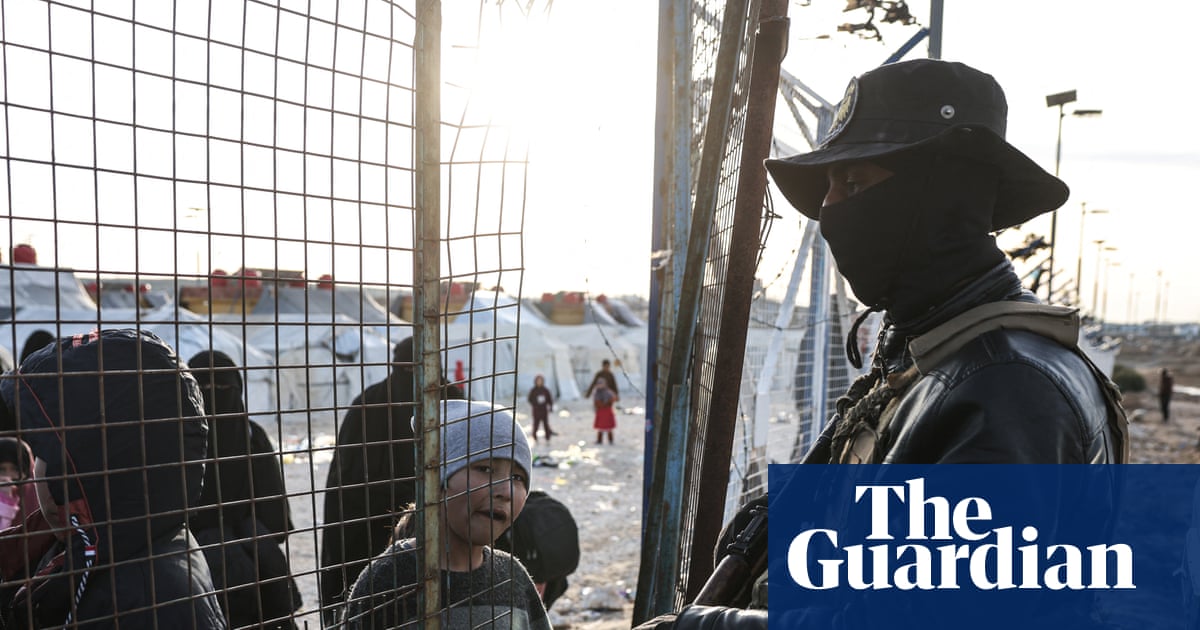
he children crowded the wire fence, waiting for the guard to turn his back, and made a break for it. They pumped their little legs furiously but did not make it far in the squelching mud, and were quickly chased back inside, grinning and joking to their friends in Bosnian as another guard scolded them, his rifle swinging by his side while he wagged his finger.
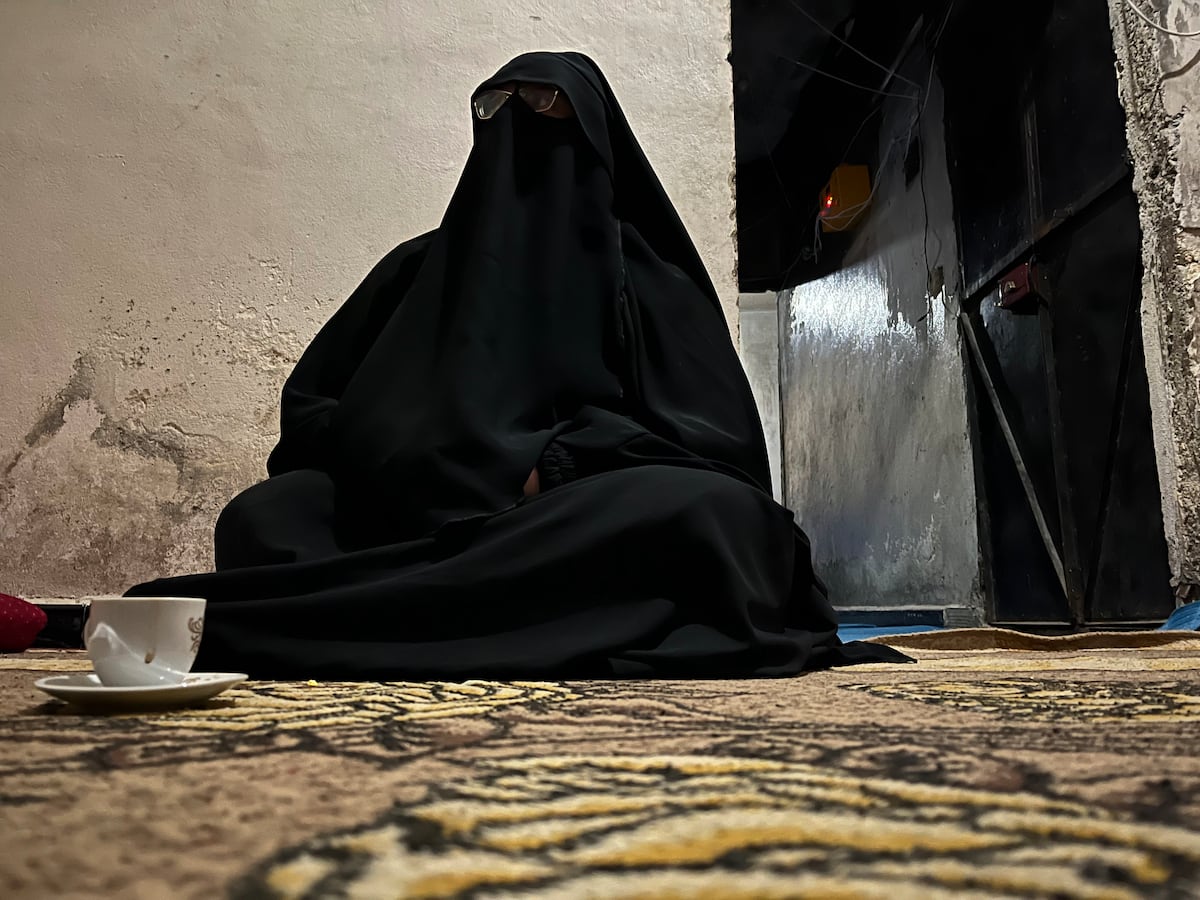
Their mothers, foreigners who travelled to Syria to allegedly join Islamic State (IS) and its blood-soaked caliphate, stood silently behind them. Each had their belongings packed in a bag beside them, ready to leave at a moment’s notice.
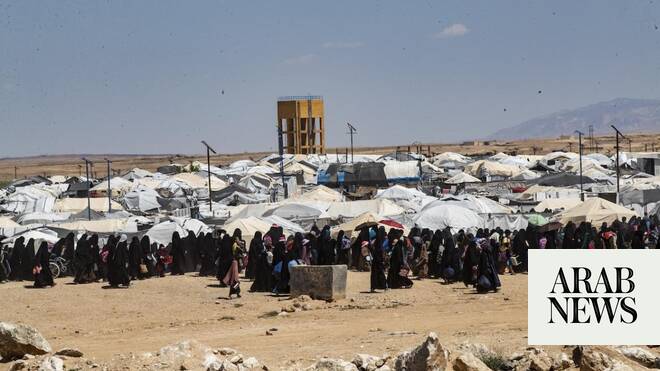
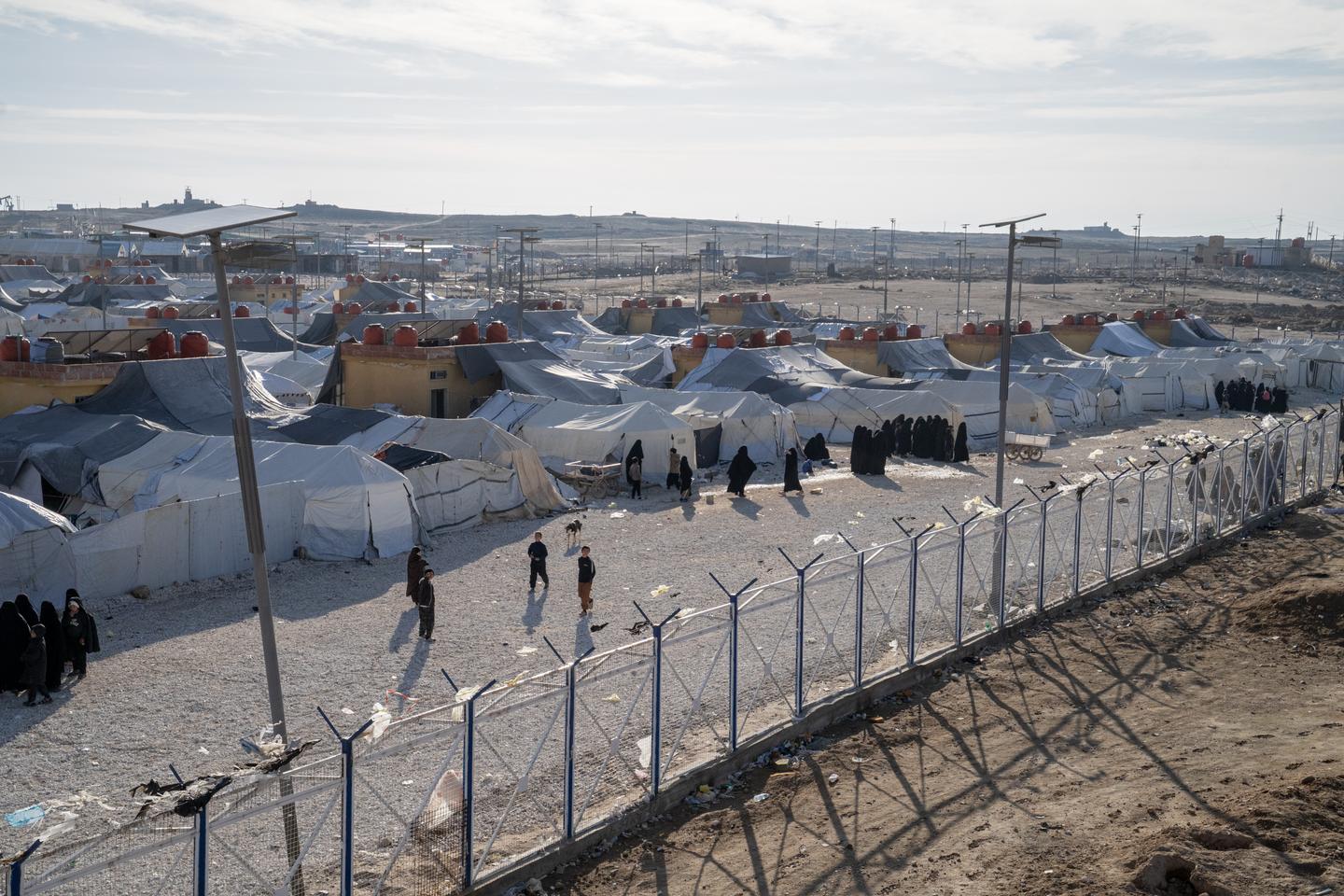
Since 2019, life inside al-Hawl , the vast detention facility in the remote Syrian desert which holds at least 24,000 suspected members of IS from 42 different countries, has stood nightmarishly still. But on Monday, time at this vast prison camp lurched back into motion, dizzyingly fast.