Support CleanTechnica's work through a Substack subscription or on Stripe.
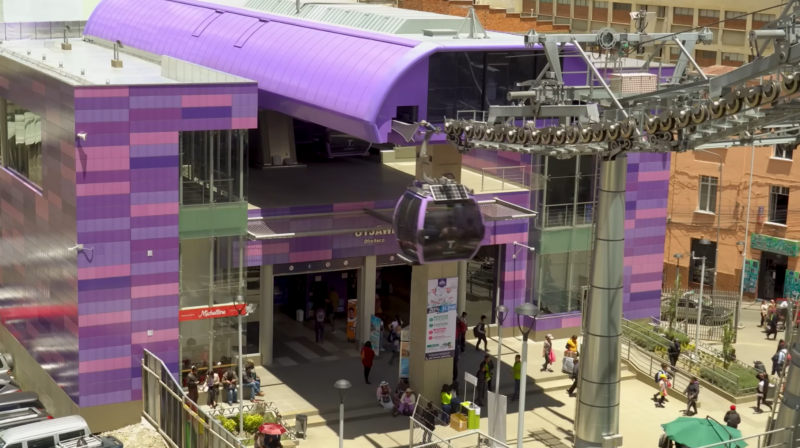
Most cities are flat, or if there are elevation differences, they are typically gradual. In these cases, these cities are well suited to traditional means of public transit, such as buses or subways, which is why they are so plentiful. Some cities, however, have rapid elevation differences, which cause public transit challenges. Quietly, over the last several decades, some hilly, even mountainous, Latin American and other cities have solved public transit challenges with gondola cable cars.
The historical gondola experience has been the reserve of the upscale European and American ski resorts. In summers, along with the lesser chair lifts, they hoisted tourists up mountains for panoramic scenic views, mountain biking experiences, and downhill roller coaster or water rides. The ski resort gondolas have provided the experiences that served as the technological foundation of today’s commuter gondola systems.
Gondola public transit has contributed to the total services of public transit, with rides as low as 43 cents per ride in La Paz, Bolivia. The cities using public transport gondolas include: Bogotá, Medellín, Manizales, and Cali, Columbia; Santiago, Chile; La Paz/El Alto, Bolivia; Mexico City, Mexico; Caracas, Venezuela; Guayaquil, Ecuador; Toulouse, Paris, and Brest, France; Ankara, Turkey; Algiers and Tizi Ouzou, Algeria; Koblenz and