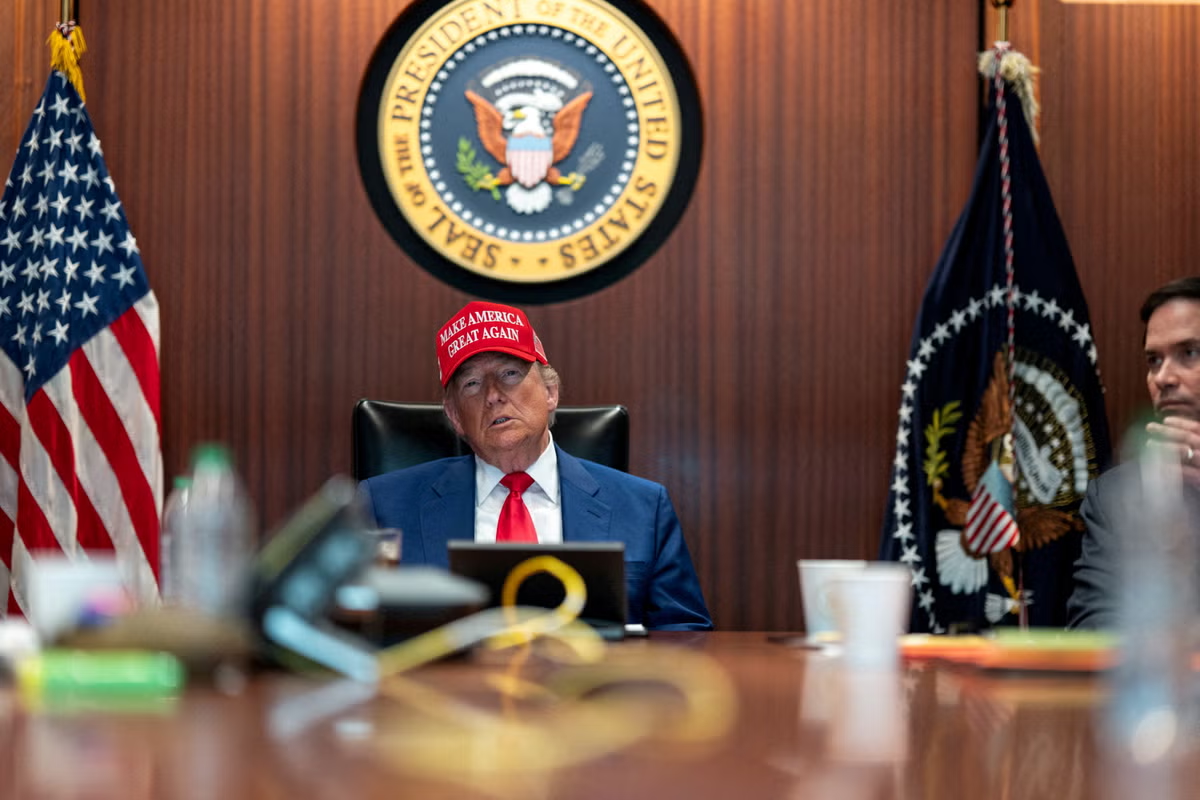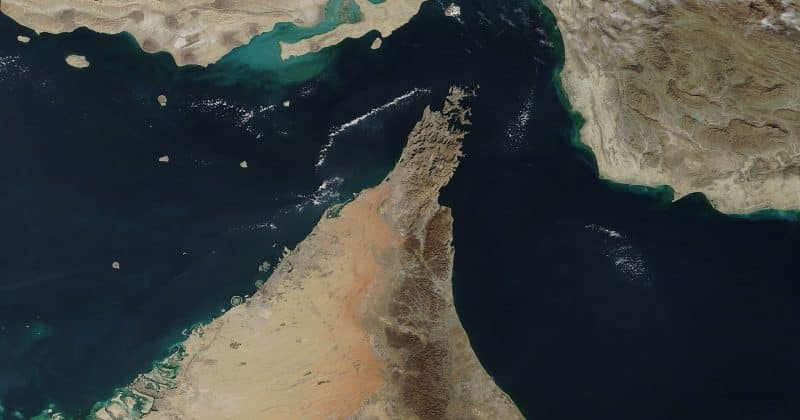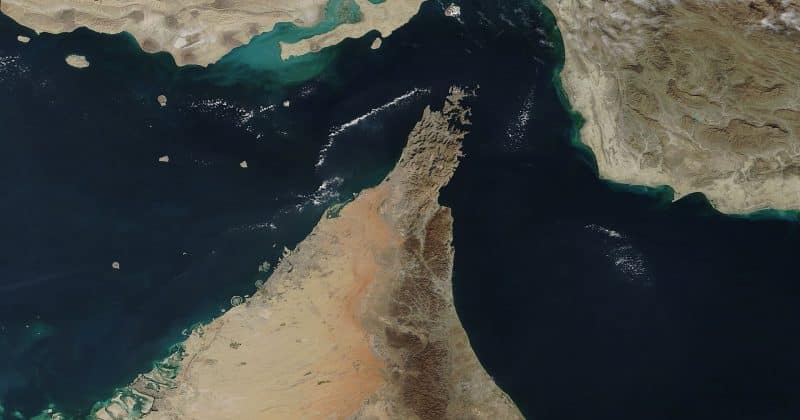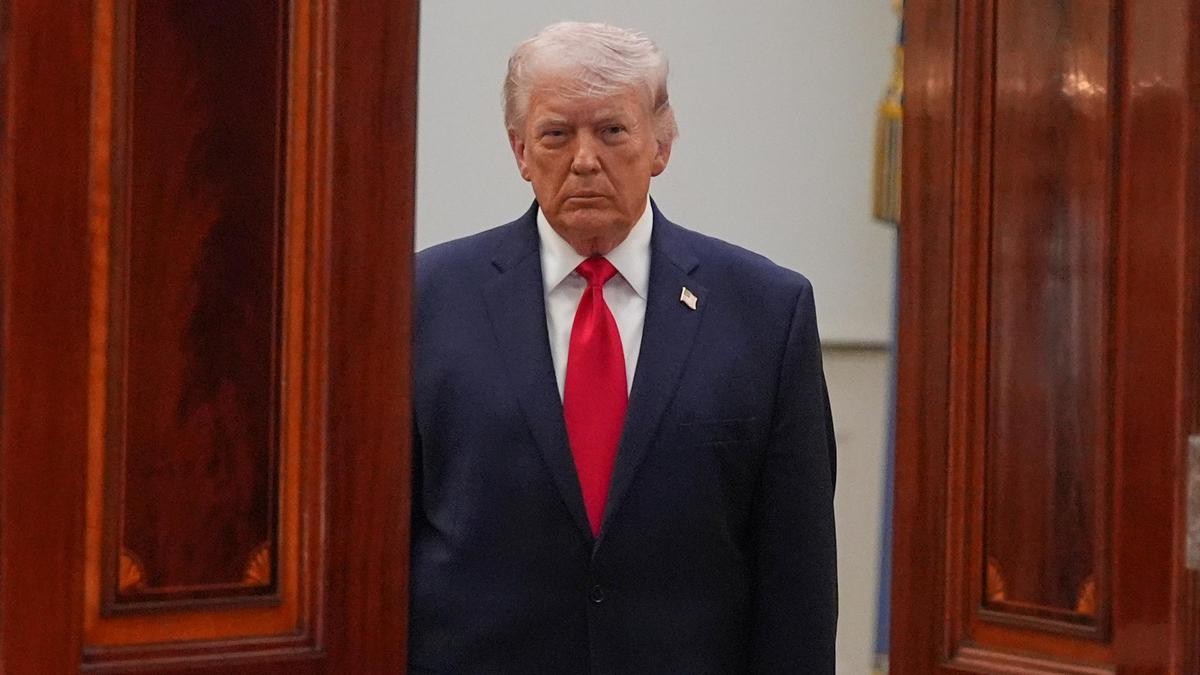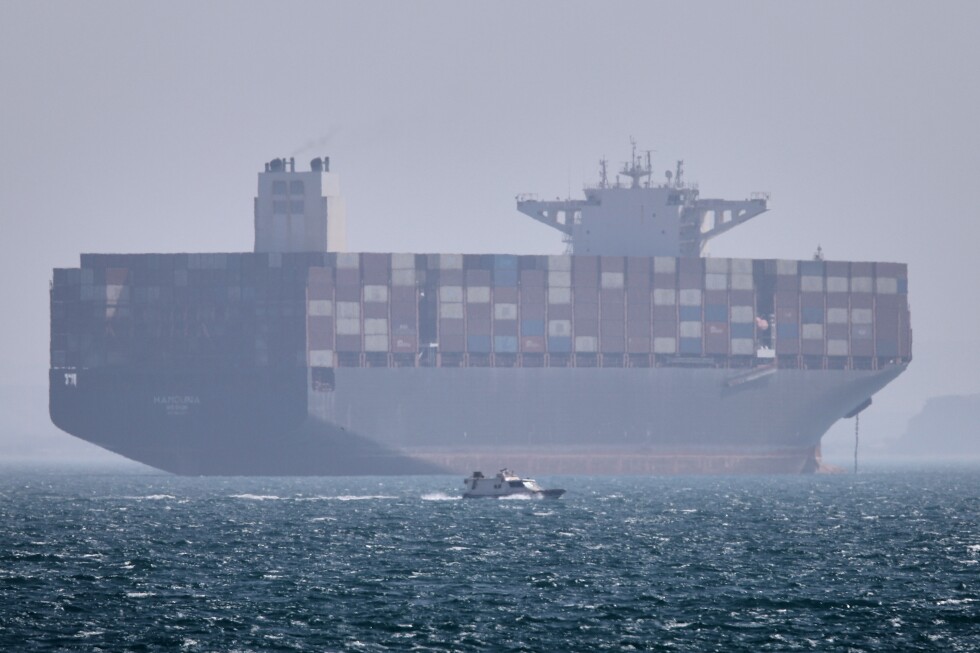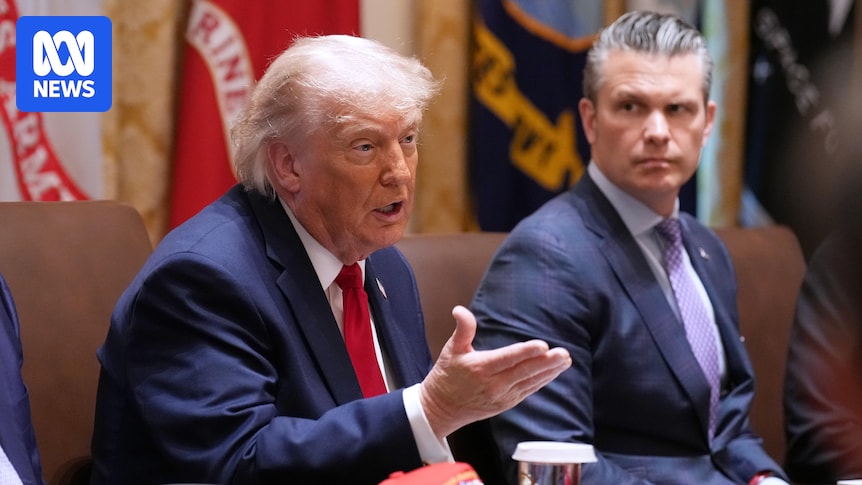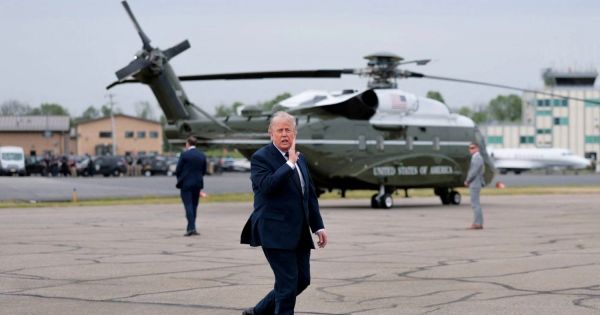
President Trump announced on May 29 that he would finalize his decision on a proposed Iran ceasefire deal from the White House Situation Room. The stakes are about as high as they get: reopening the Strait of Hormuz, the narrow waterway through which a massive share of the world’s oil supply flows, and dismantling Iran’s nuclear capabilities.
The proposed agreement centers on a 60-day extension to a ceasefire that was first initiated in early April 2026. If it holds, global energy markets could finally get a breather after months of disruption.
What’s on the table
The core of the deal is straightforward in principle. The Strait of Hormuz would be reopened without tolls, allowing unrestricted shipping in both directions. In exchange, the US demands that Iran effectively surrender its nuclear weapons ambitions, including the handling of its highly enriched uranium stockpile.
Tehran has pushed back on multiple fronts. Iran insists that management of the strait must involve its own representatives along with Oman, rather than ceding control entirely. Iranian officials have described certain US proposals as a “fabricated victory” and a “wish list.”