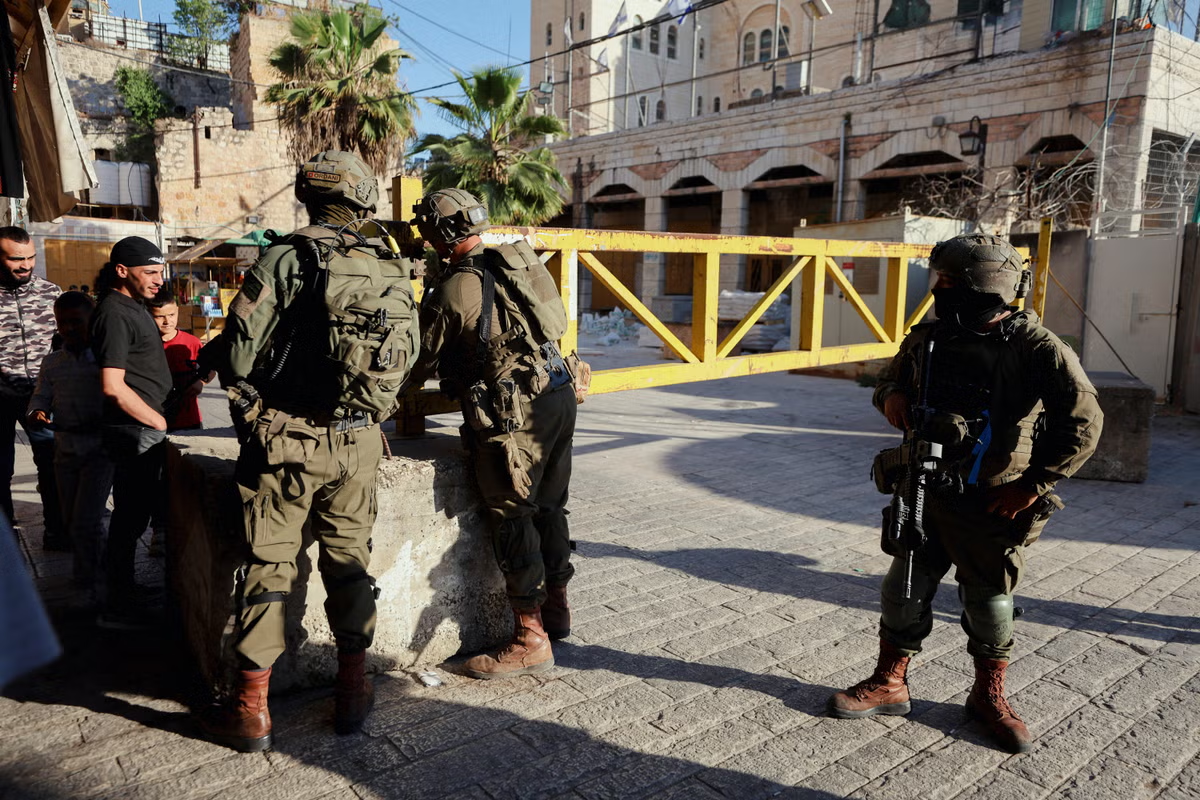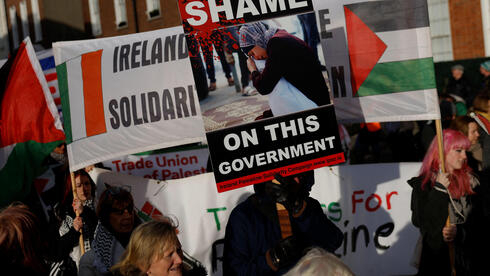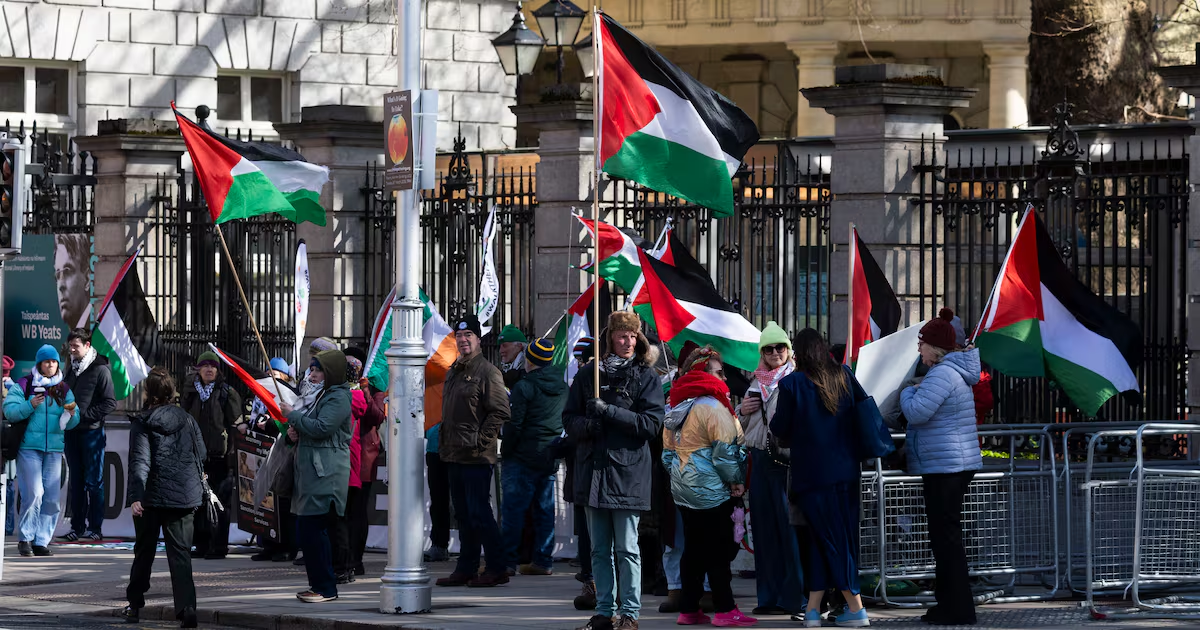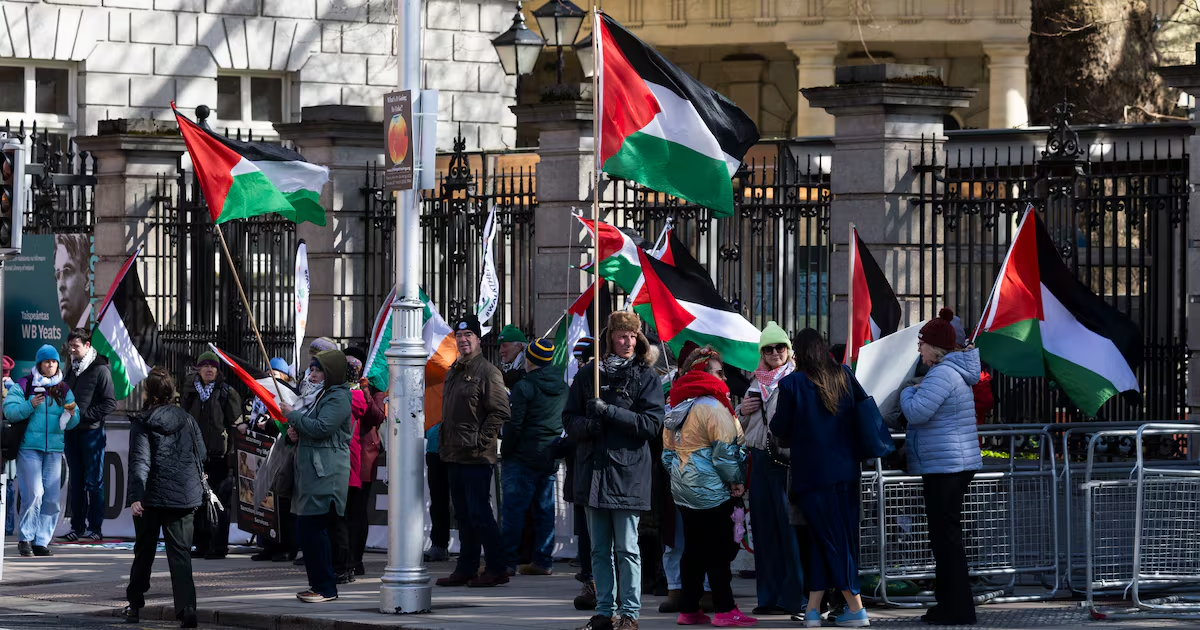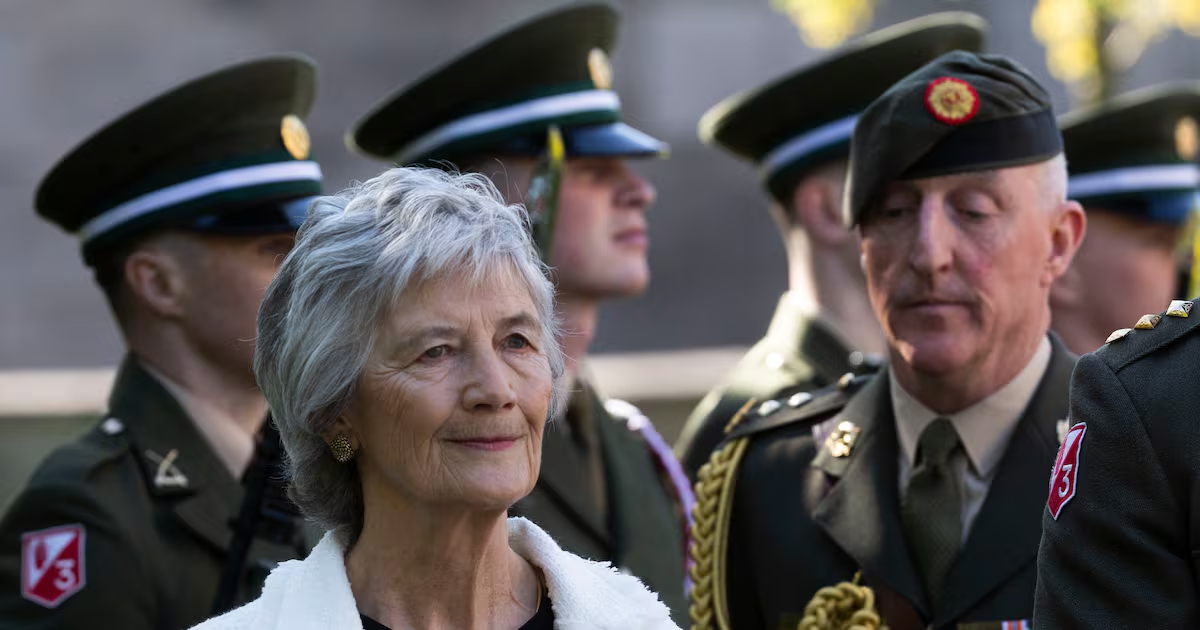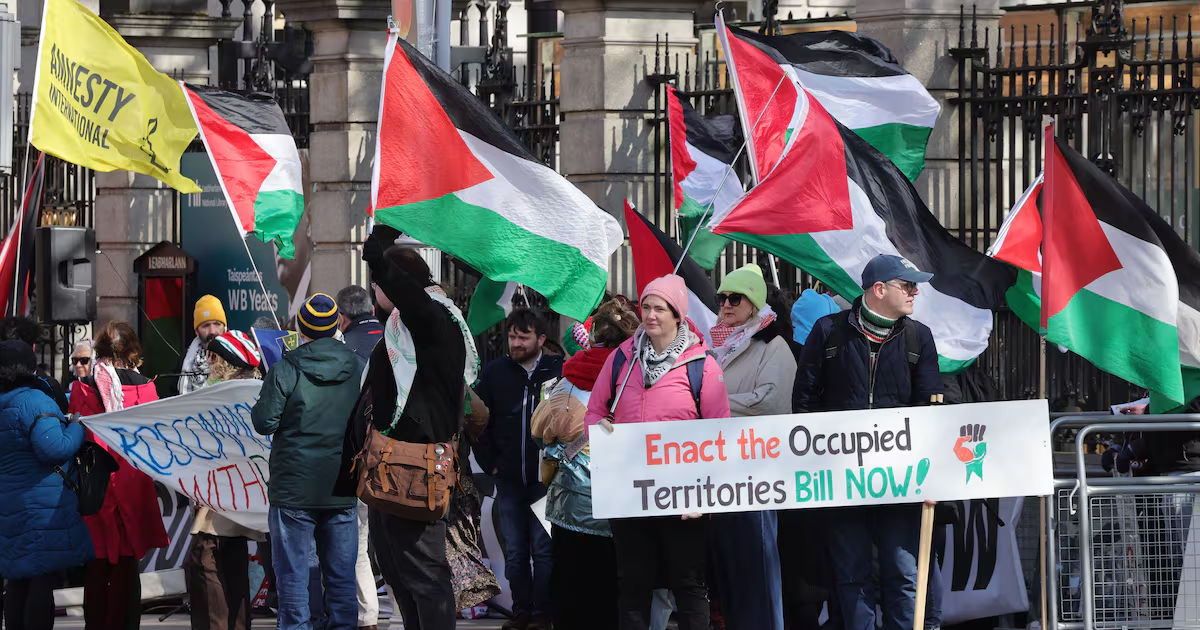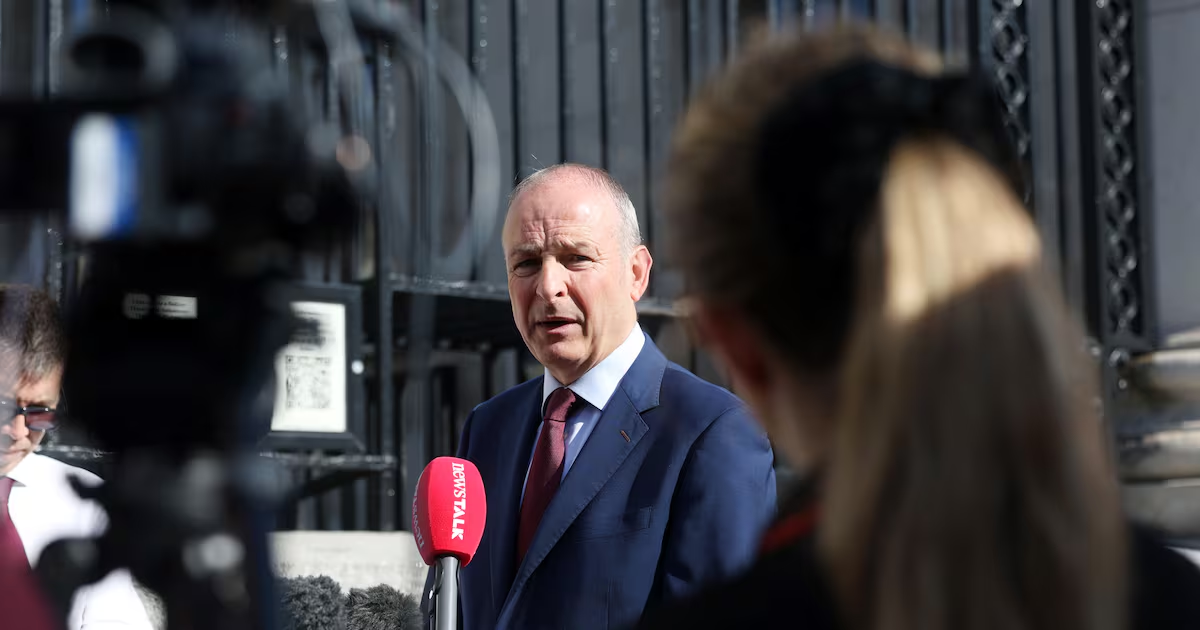
Senator Frances Black first introduced her version of an Occupied Territories Bill to the Seanad in 2018. Almost eight years and three governments later, a different version of that legislation is about to be presented to the Dáil.The lengthy interregnum has brought accusations of foot-dragging from the Opposition, some of it probably well-founded. The objectives of the Bill are supported by a clear majority of the public, and have become more pressing in the wake of Israel’s war in Gaza. But the Government has been acutely conscious that its enactment could have serious political and economic ramifications.The original Bill, and this successor, are intended to address the unacceptable actions of Israel in the West Bank, where it has been responsible for expanding illegal settlements, the expropriation of Palestinian land and a grim litany of crimes and human rights abuses against the civilian population. These actions contradict Israel’s claim to respect the rule of law.The European Union has failed to take meaningful action, leaving Ireland in an uncomfortably exposed position. The Bill has drawn adverse political reaction in the US, where some states have enacted legislation that could penalise companies deemed to be participating in boycotts of Israel. American companies operating in Ireland have expressed concern, and both IDA Ireland and the Irish Embassy in Washington are reported to have privately communicated those worries to the Government.The new versionof the legislation has drawn Opposition fire for applying only to goods and not to services from the occupied territories, meaning only a small fraction of trade will be affected. Defenders of this approach argue that a legally operable ban on services is not achievable under current EU and international law. That may be the case, but it is also true that the Government is intent on avoiding further friction with Washington and the multinationals on which so much of the Irish economy depends.The result is that the Bill, should it pass in its current form, will be symbolic rather than punitive. The Government’s argument that a coordinated EU response would have infinitely more impact than any unilateral action by one member state is not without merit. But for the many Irish people outraged at events in Gaza and the West Bank, all of this may seem at odds with the strong language deployed by both Taoiseach Micheál Martin and Minister for Foreign Affairs Simon Harris. That is a price the Governmentappears to be willing to pay as it tries to navigate a situation in which the moral imperatives may appear clear but the political and economic constraints are real.
The Irish Times view on the Occupied territories Bill: where principle meets realpolitik
Government navigate a situation in which tmoral imperatives may appear clear but political and economic constraints are rea
427 words~2 min read