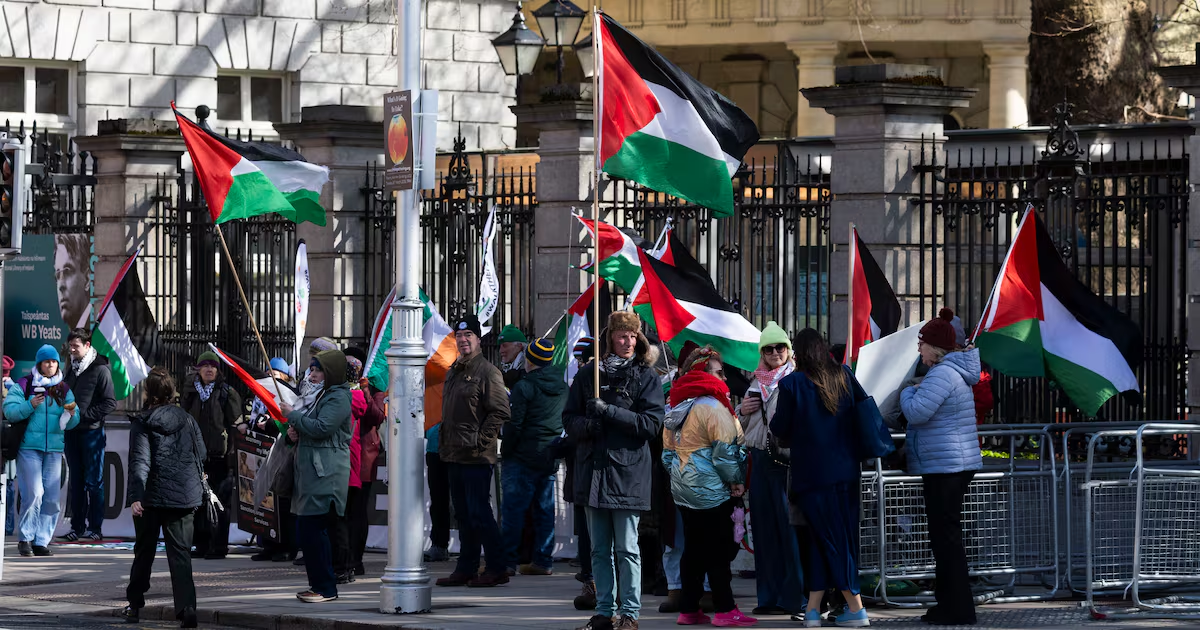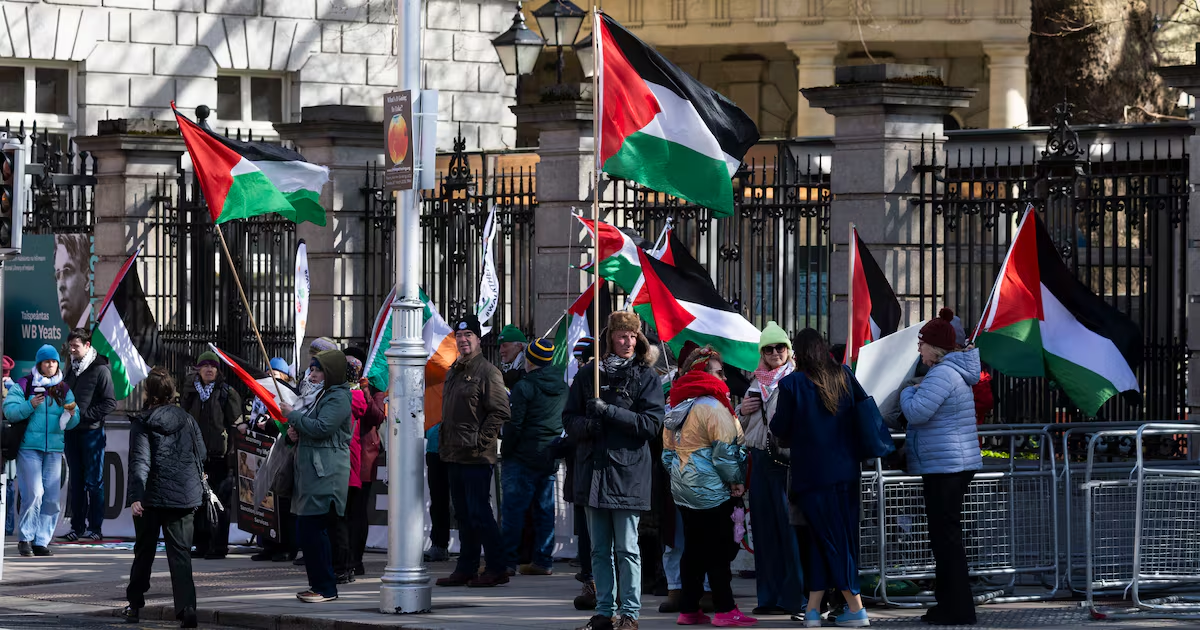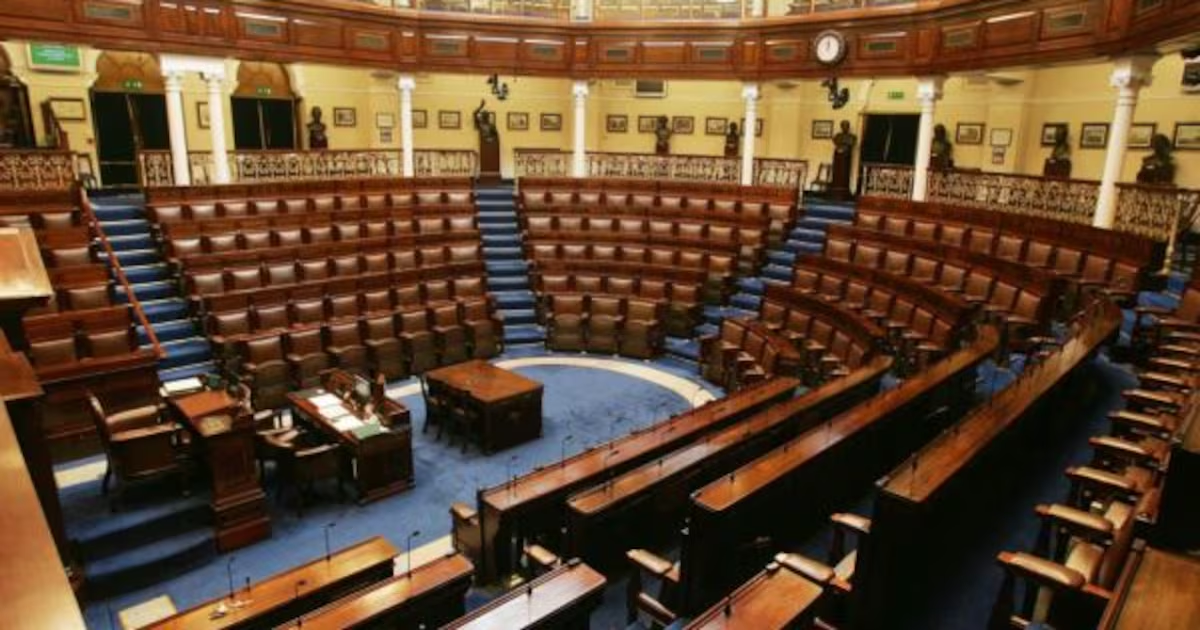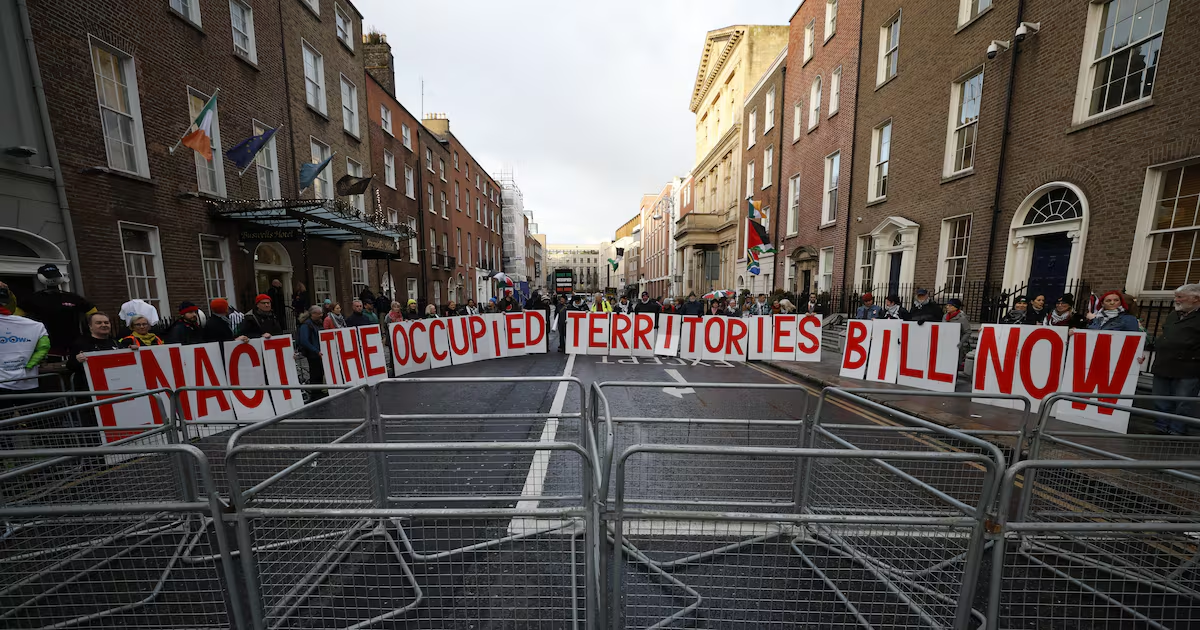
The Government has agreed to proceed with the Occupied Territories Bill. Isn’t this a victory for pro-Palestinian campaigners?Yes and no. After months, indeed years, of stalling, the Government has decided to proceed with legislation which will ban the import of goods produced in the occupied Palestinian territories. However, the bill will not ban trade in services, as campaigners want. So it runs the risk of pleasing nobody, and annoying everyone: pro-Palestinian campaigners and the Opposition in the Dáil, the US government (which has expressed its concerns about the bill) and US multinationals which fear falling foul of US laws which prohibit companies from participating in boycotts of Israel.This has been around a long time. Yes, Independent Senator Frances Black first tabled a bill to ban trade with Israeli entities based in the occupied Palestinian territories back in 2018, long before the current conflict in Gaza. The then Government blocked it on the basis that as trade is an EU competence, the legislation would be illegal under EU law. Last year, however, in the light of the conflict in Gaza and a decision of the International Court of Justice about the Occupied Territories, the Government had a rethink, and the Attorney General advised that legislation could now be possible. But citing “legal problems” the Government said it would draft its own bill, ultimately the Israeli Settlements (Prohibition of Importation of Goods) Bill 2026. This is the legislation that will now be brought forward.So what happens next?The bill will be published within days and brought before the Oireachtas in the coming weeks. The intention is to have the bill on the statute books by mid-July when the Oireachtas rises for the summer break.What will the bill do?The bill would ban imports originating from the Palestinian Territories that are, under international law, illegally occupied by Israel. However, the legislation will not ban trade in services with the Occupied Territories, which the Government says is legally impossible and impractical. But campaigners say it is an important part of the original bill as online platforms such as Airbnb have a substantial presence in some of the territories, offering tourist accommodation. The Government cites legal difficulties with this, though campaigners say it doesn’t make sense that if a ban on trade in goods is possible, a ban on trade in services is not. Does Ireland really do that much trade with the Occupied Territories?No – hardly any, in fact. It’s estimated at not much more than €200,000 worth a year (trade in services is reckoned to be much more valuable). But that’s not what this is about. Campaigners believe that if this bill can be put on the statute book, it would give a lead to other EU countries, sparking an international movement. They point out that last year Ireland was alone in seeking a review of the Israel-EU trade agreement, while now action against Israel – especially in the light of the recent treatment of flotilla crews – is on the agenda.What does Israel think? It is one of the reasons why Israel has been so critical of the Irish Government and has sought to enlist that the help of the United States to oppose the legislation. Like the campaigners who support the bill, Israel sees it as an important international precedent. Israel believes it is part of the boycott, divestment, and sanctions (BDS) movement. Its supporters say: yes it is.Are there potential costs to the bill for Ireland?Some people in Government are extremely concerned that passing the legislation could involve significant costs. It’s understood that the IDA has warned the Government about the possible impact on foreign investment. Like others, they worry that US companies operating in Ireland could fall foul of US laws prohibiting boycotts of Israel. And supporters of Israel in the US say that there is no distinction between goods and services in these laws. So the Government may be exposing Ireland to significant costs by proceeding with the legislation – but will still be criticised by campaigners for not going far enough.
Occupied Territories Bill: what’s in it, how it has changed and potential implications
Even without some of the provisions contained in Senator Frances Black’s original Bill, it could face opposition
672 words~3 min read