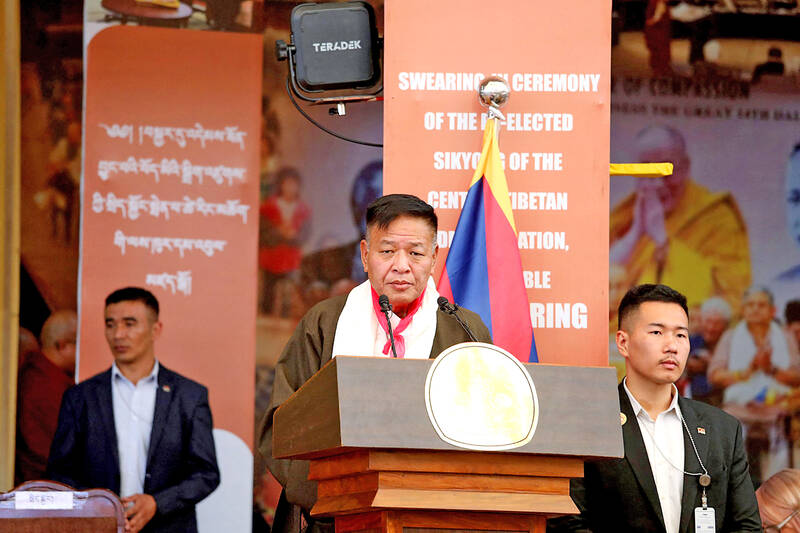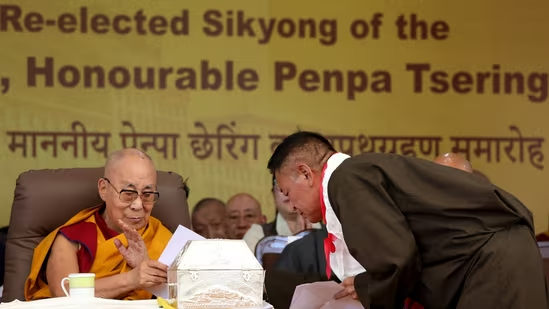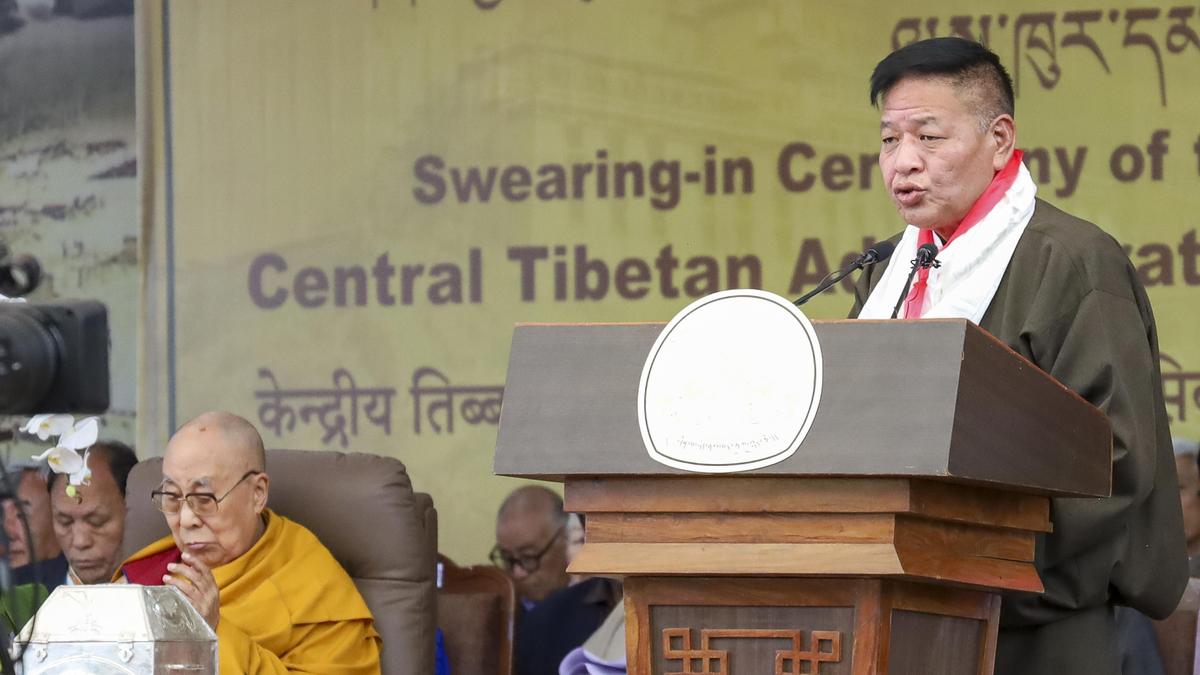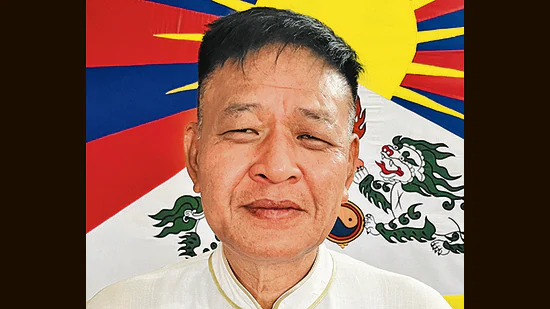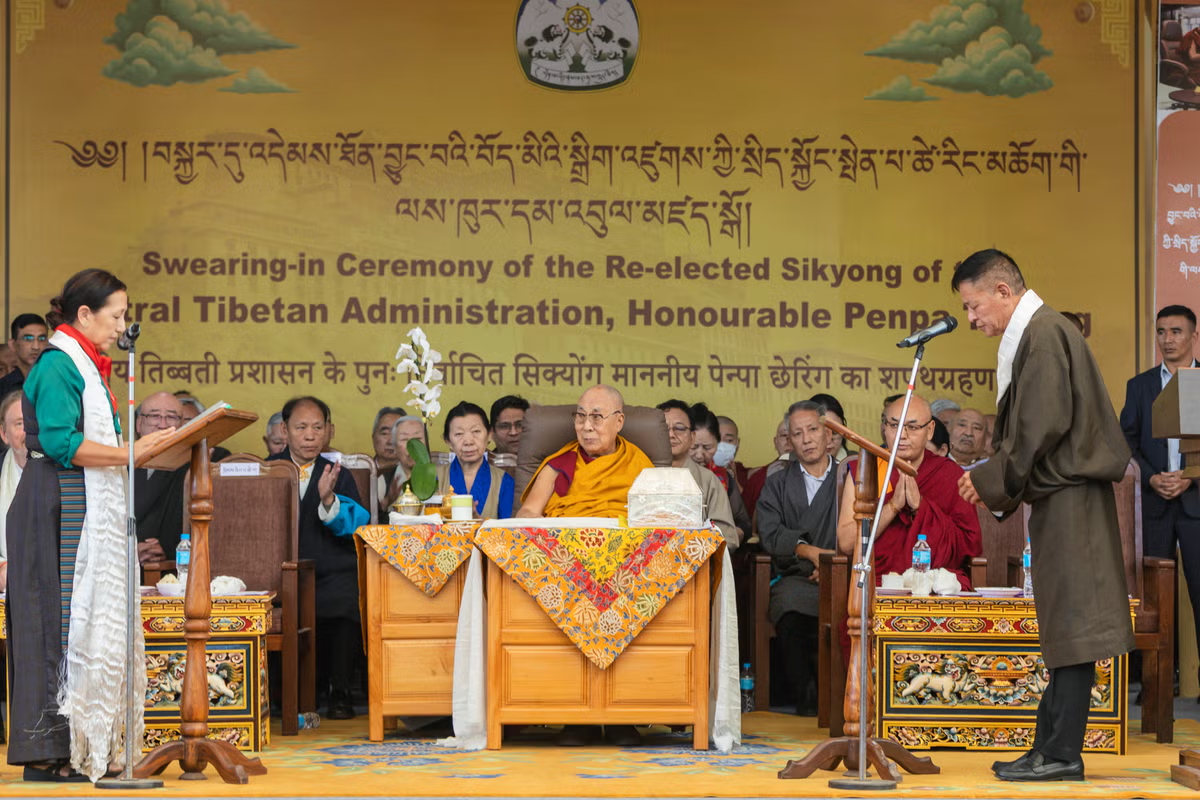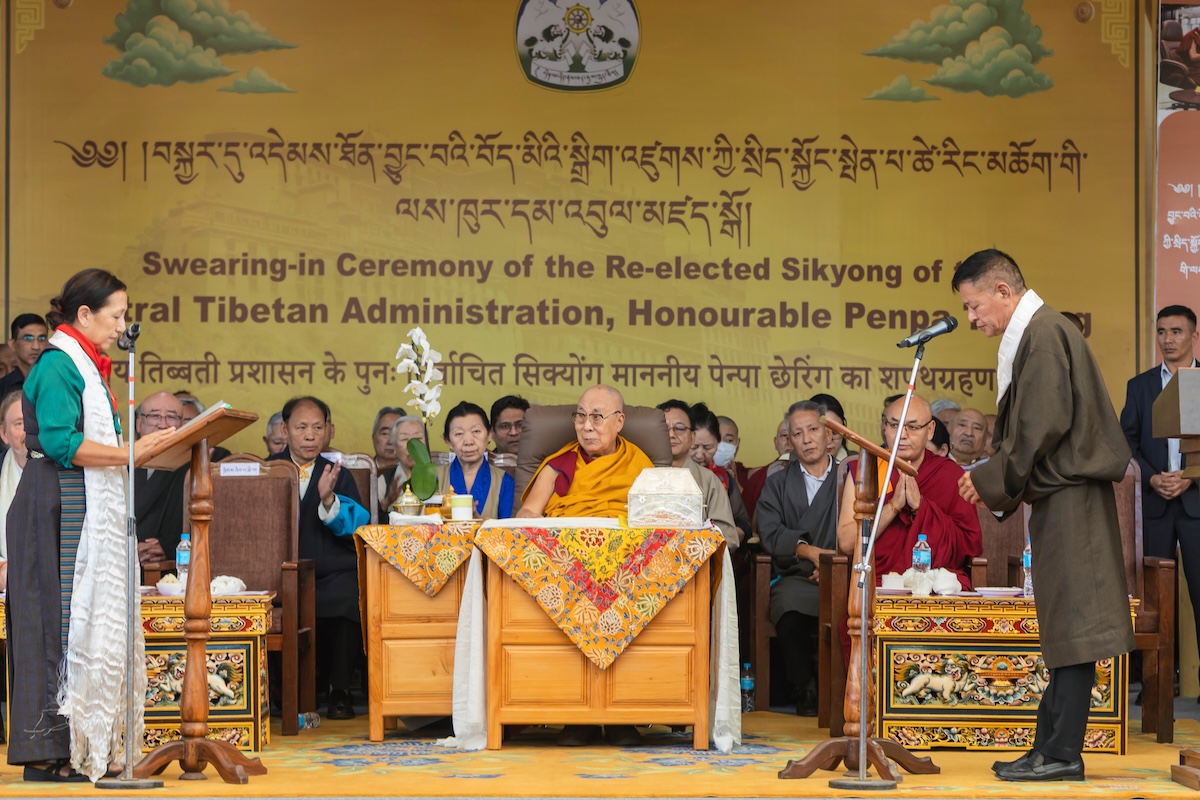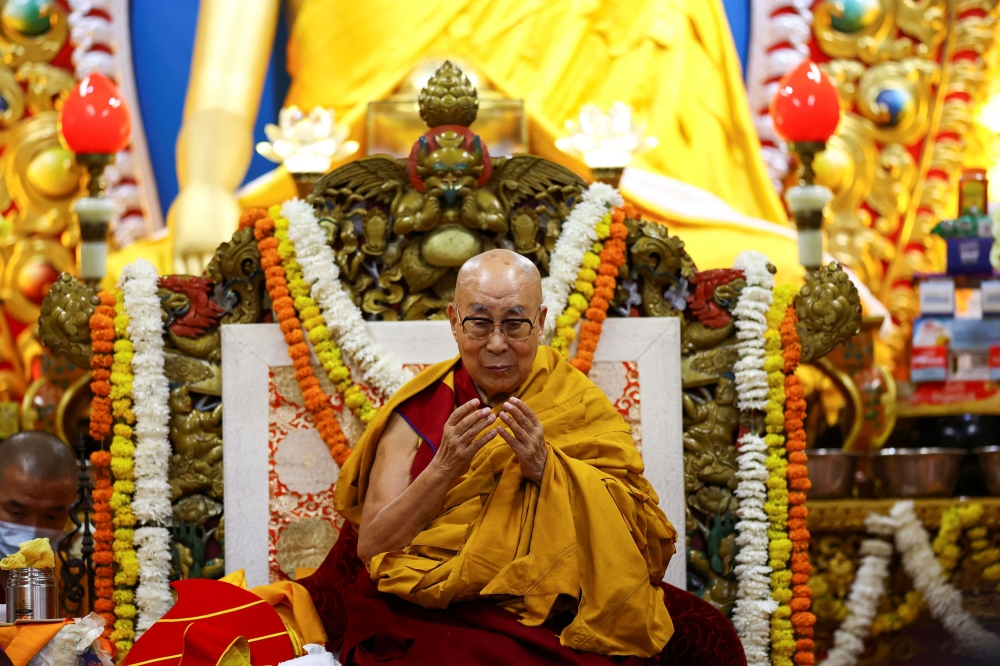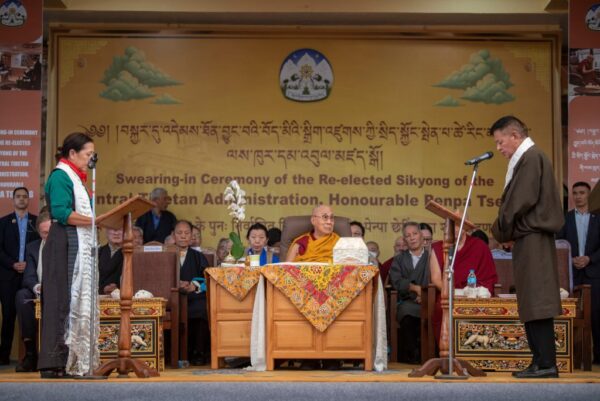
On May 27, Penpa Tsering, who was re-elected in the election held by the Tibetan exile community, was sworn in for a new term as Sikyong of the Central Tibetan Administration (CTA).
Formal Sino-Tibetan dialogue has remained stalled since January 2010. Although Penpa Tsering’s re-election may not open a new window for formal negotiations with Beijing, it reveals a deeper historical turning point facing the Tibetan movement: whether Tibetan exile politics can transform a political cause long dependent on the personal moral authority of the Dalai Lama into one sustained by institutional continuity.
The CTA’s elections are usually viewed as a democratic practice within the exile community or as a symbolic protest against Beijing’s rule in Tibet. But what these elections actually test is whether a political community without statehood and territorial sovereignty can maintain its legitimacy through procedures, representation, and transnational participation.
From a Movement Centered on a Spiritual Leader to an Institutional Movement
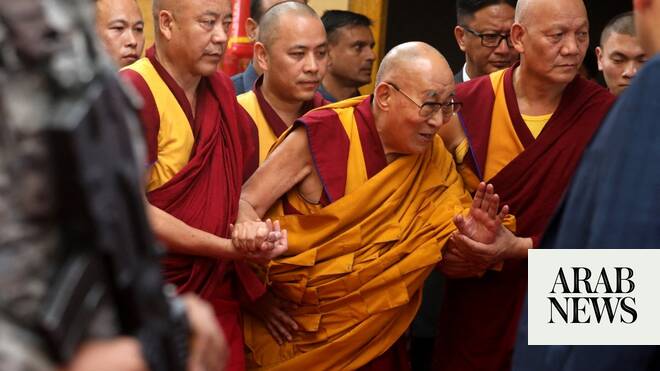
For decades, the visibility of the Tibetan issue in international politics has depended heavily on the spiritual stature of the Dalai Lama. He has been both a religious leader and a moral symbol. He has unified the exile community while translating the Tibetan question into the language of nonviolence, human rights, and religious freedom familiar to the international community. It is precisely this spiritual leadership that has allowed the Tibetan movement to retain international attention for so long, despite the absence of statehood or formal diplomatic recognition.