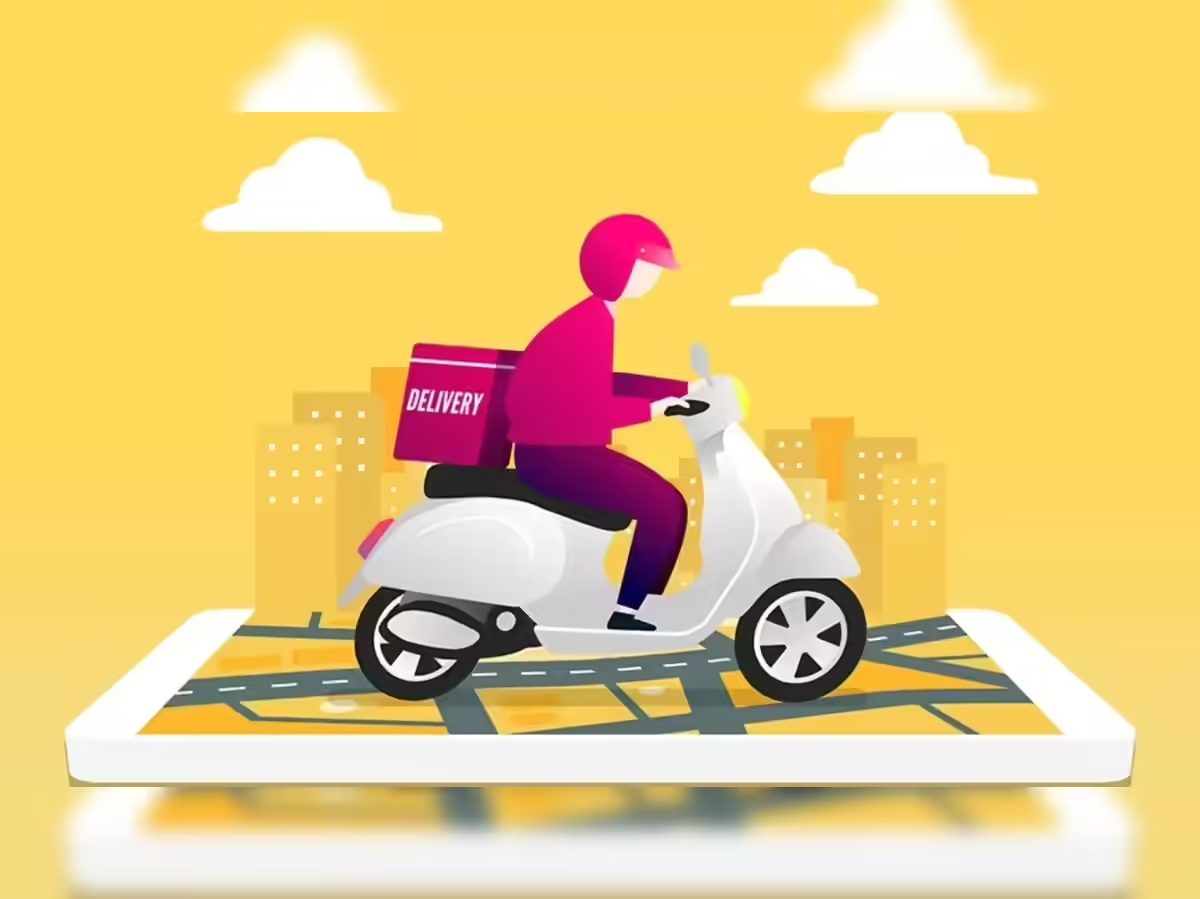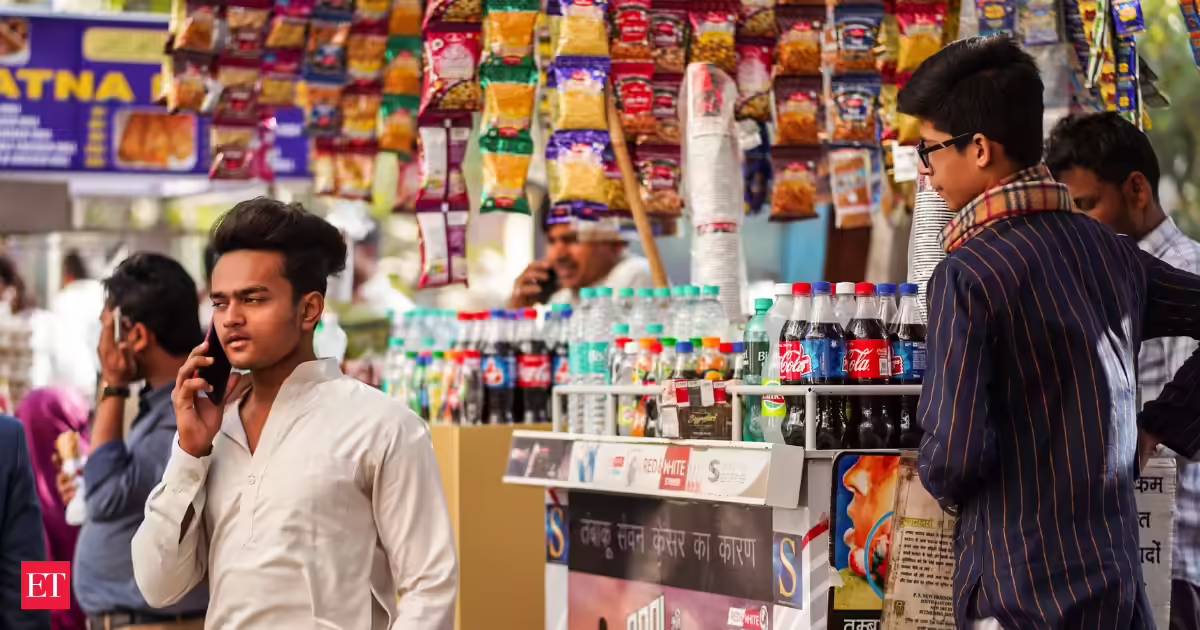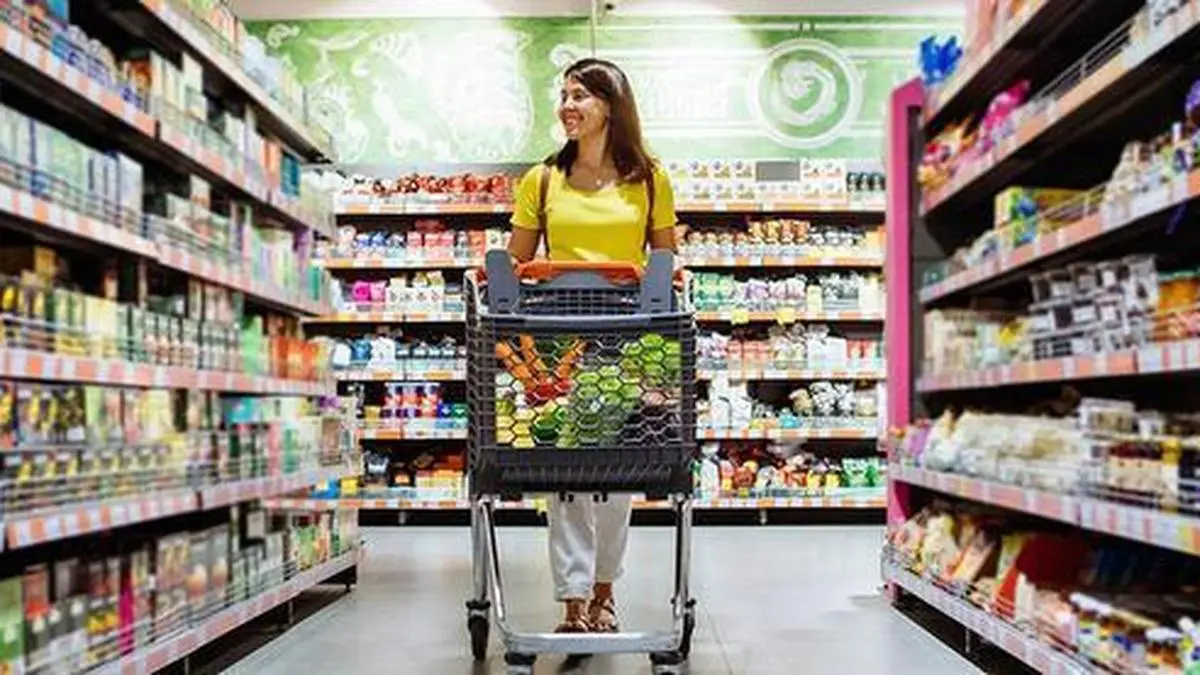
SynopsisThe quick commerce sector for consumer goods in India is on an impressive growth trajectory, but it grapples with daunting challenges. Companies are tasked with controlling soaring costs while navigating the complexities of labor and environmental issues. To thrive, they must pivot customer behaviors from merely seeking bargains to embracing spontaneous purchases.Push price sensitivity to impulse-buyingConsumer goods and quick commerce seem to be made for each other. Food, beverages and personal care are riding the surge in qcom sales, and the channel has come to dominate their online presence. Impulse-buying is beginning to catch on in smaller cities, and FMCG companies expect the share of qcom will continue to climb among online channels. This helps them push premiumisation by nudging sales away from staples on e-marketplaces to higher-value discretionary categories in qcom storefronts. By capturing the high-frequency component of ecommerce, qcom has drawn interest from Amazon and Flipkart.There are, however, several challenges to the business model. Managing high-speed inventory in hyperlocal stores burns lots of cash. Feeding the impulse-buying habit through 10 min-odd deliveries raises labour and environmental concerns. Thin operating margins need to be offset by pricing models that yield the advantage to discounting by online supermarkets. Pushback from offline retail can be expected to intensify as qcom scales up. The warehousing advantage in large cities may not work quite as well in smaller towns. The main challenge to qcom, though, will be to change customer behaviour across market segments to favour impulse-buying over price sensitivity.FMCG companies must hedge their qcom bets and deepen their online presence through alternative channels. Qcom grew out of temporary changes to consumer behaviour following the pandemic, and it's too early to conclude that these alterations will be permanent. India is an exception here. The qcom experience has been mixed in other countries. Alongside consumer preferences, social awareness about the economic cost of impatience will evolve as India's retail market matures. This holds true particularly for non-grocery items that come with a fast delivery promise/expectation. Qcom must demonstrate its ability to retail across a wider range of products higher up the retail hierarchy to establish itself as an alternative to established ecom models. ...moreElevate your knowledge and leadership skills at a cost cheaper than your daily tea.Subscribe Now
Beyond fast-moving CGs for quick-com - The Economic Times
The quick commerce sector for consumer goods in India is on an impressive growth trajectory, but it grapples with daunting challenges. Companies are tasked with controlling soaring costs while navigating the complexities of labor and environmental issues. To thrive, they must pivot customer behaviors from merely seeking bargains to embracing spontaneous purchases.
374 words~2 min read