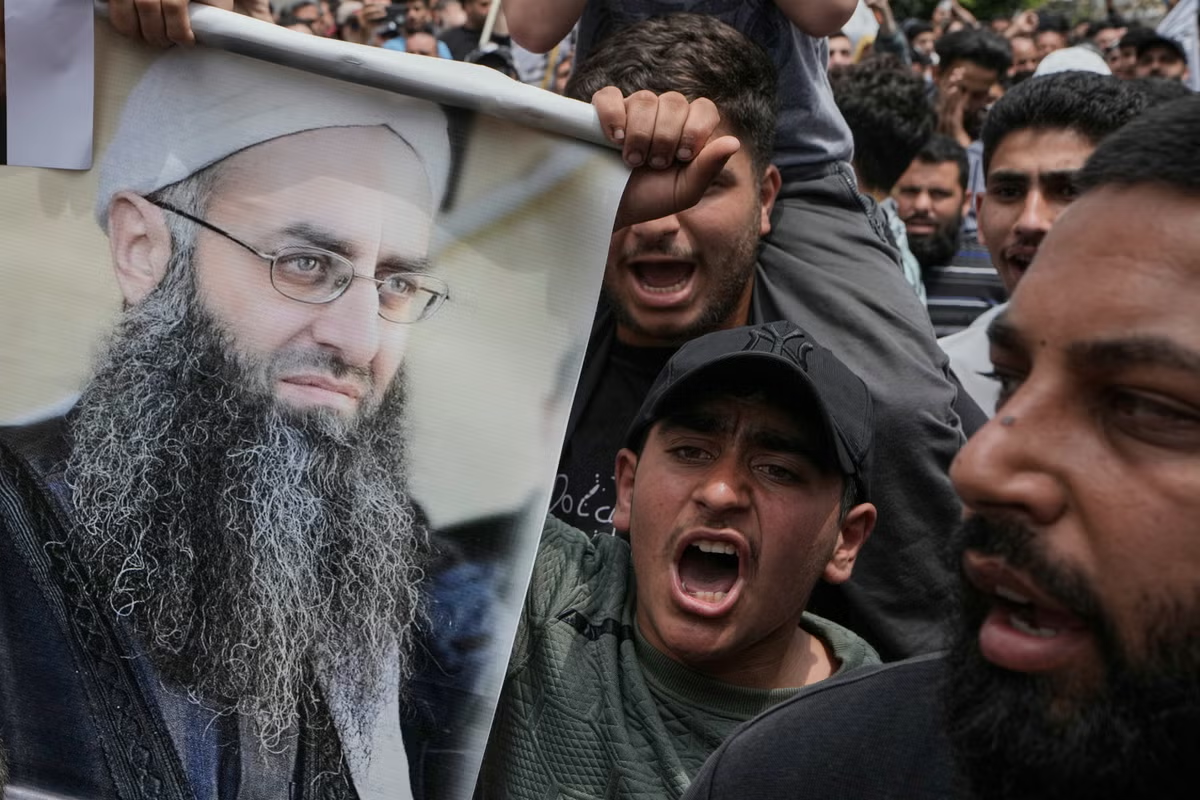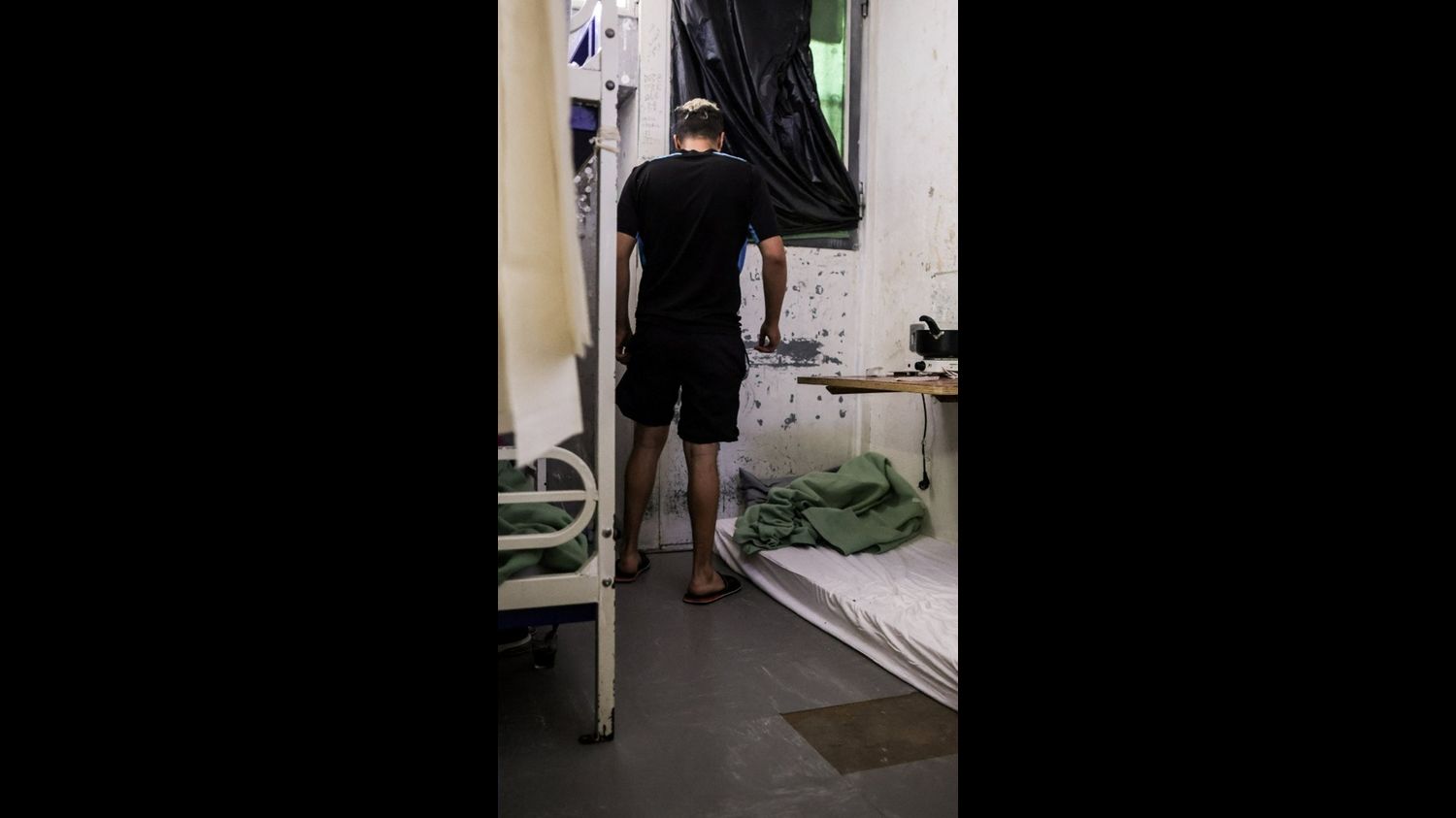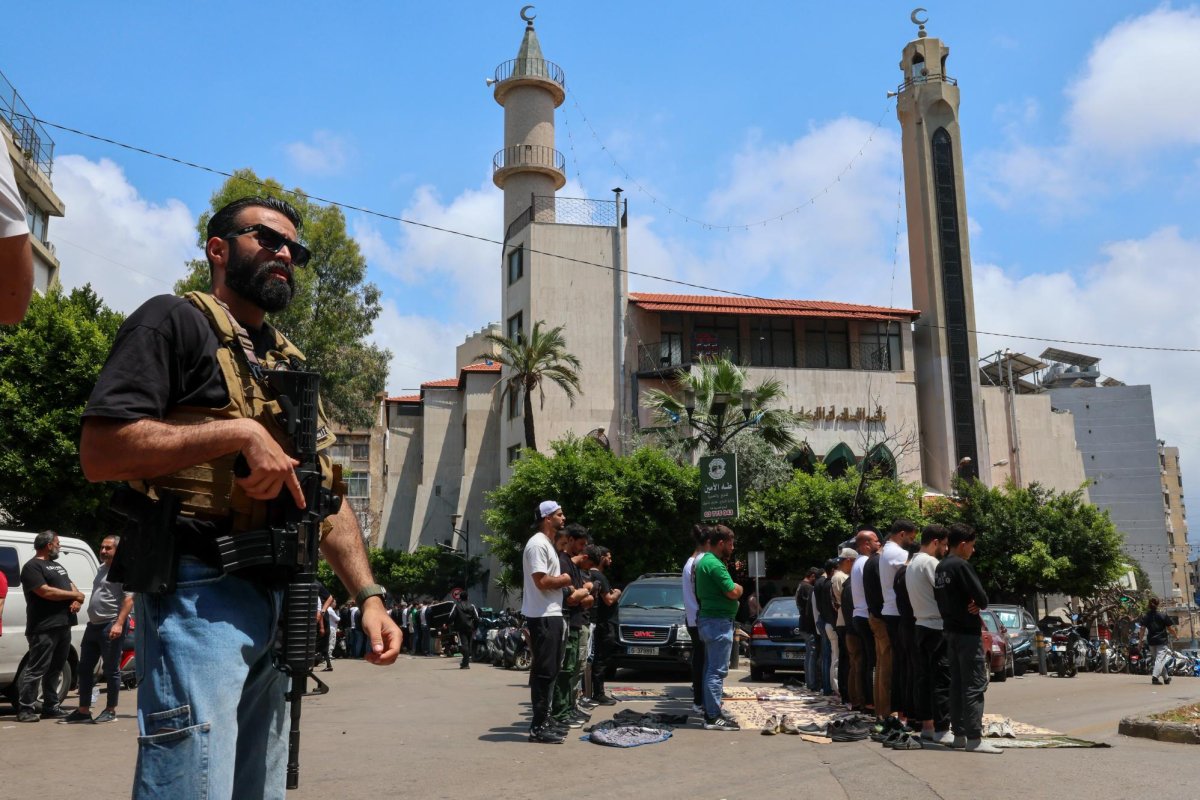
Severe prison overcrowding, judicial backlogs, and selective justice resulting from political interference -- much of it linked to years of Syrian and Hezbollah influence -- have left Lebanon with a ticking bomb ready to explode, while sectarian disputes continue to delay a new general amnesty law. Photo by Wael Hamzeh/EPA
BEIRUT, Lebanon, May 29 (UPI) -- Severe prison overcrowding, judicial backlogs, and selective justice resulting from political interference -- much of it linked to years of Syrian and Hezbollah influence -- have left Lebanon with a ticking bomb ready to explode, while sectarian disputes continue to delay a new general amnesty law.
The amnesty draft law, repeatedly debated in parliament since its introduction in 2020, has been further delayed by fresh divisions that have continued since last April, amid renewed efforts to revive it.
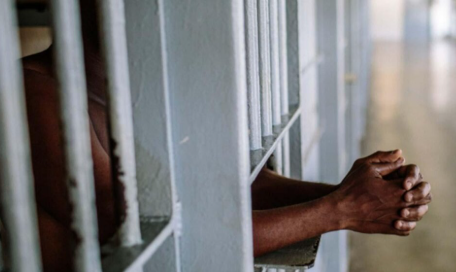
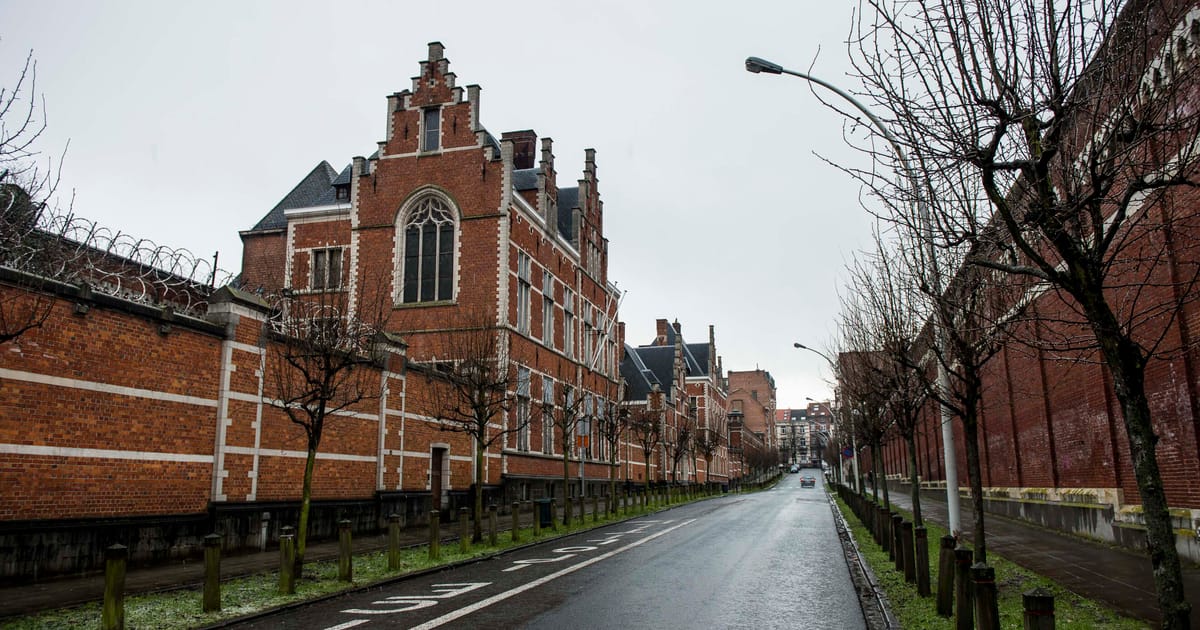
The primary objective is to alleviate severe overcrowding in Lebanese prisons and detention centers, where some 8,700 prisoners -- with 48% Syrians, Palestinians, and other nationalities -- are being held in deplorable conditions. Many of the prisoners have been detained without trial for extended periods, in some cases for as long as 10 to 14 years.