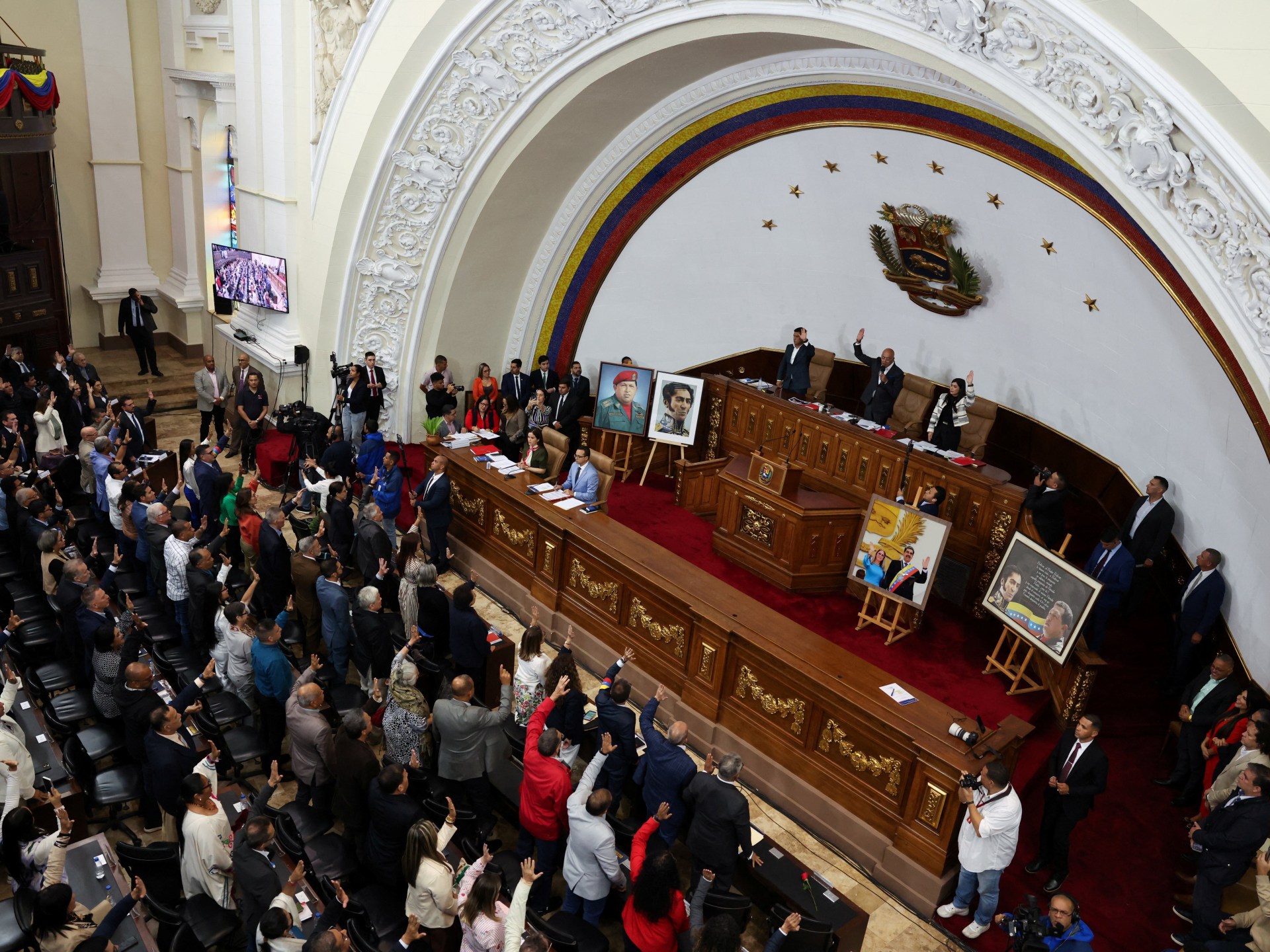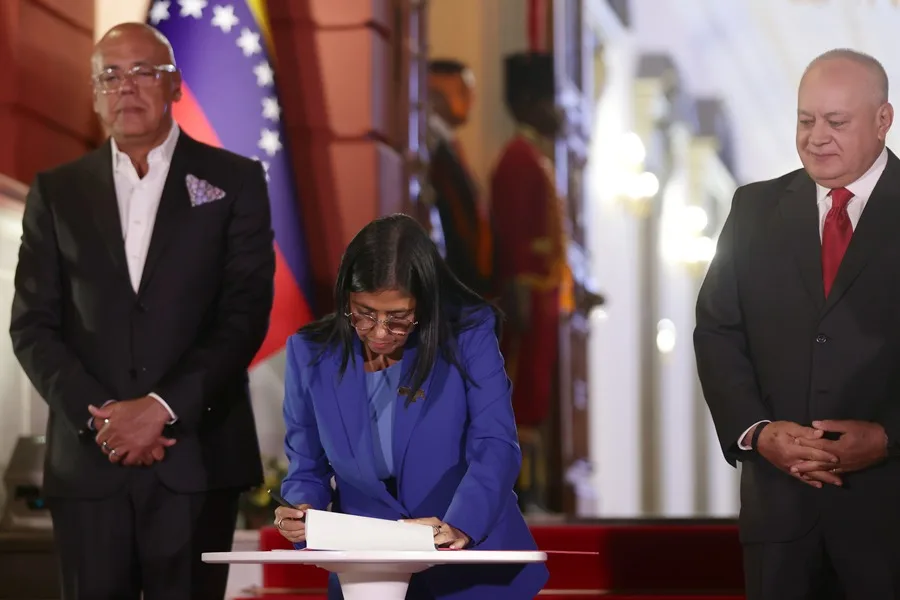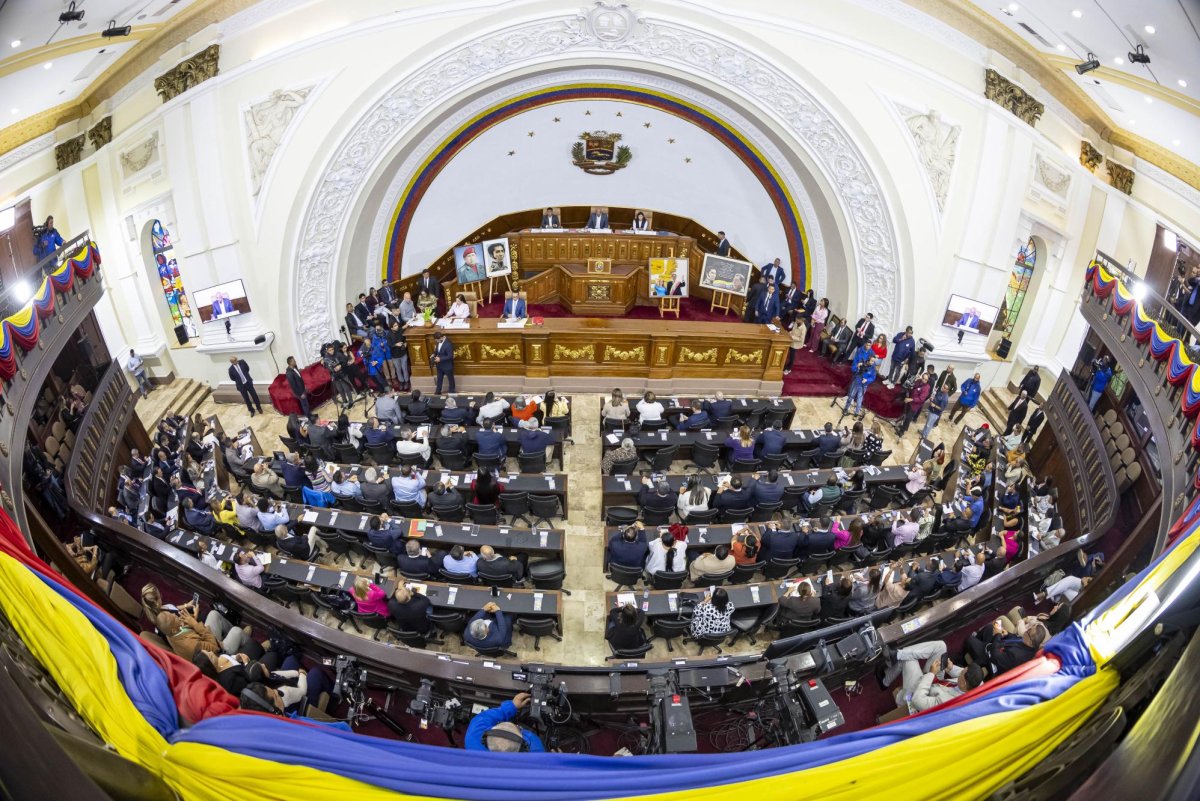
On Feb.19, Venezuela's National Assembly passed the Amnesty Law for Democratic Coexistence, presented as a step toward social peace and national reconciliation. File Photo by Miguel Gutierrez/EPA
June 23 (UPI) -- Amnesty can open a prison door. It cannot, by itself, rebuild justice.
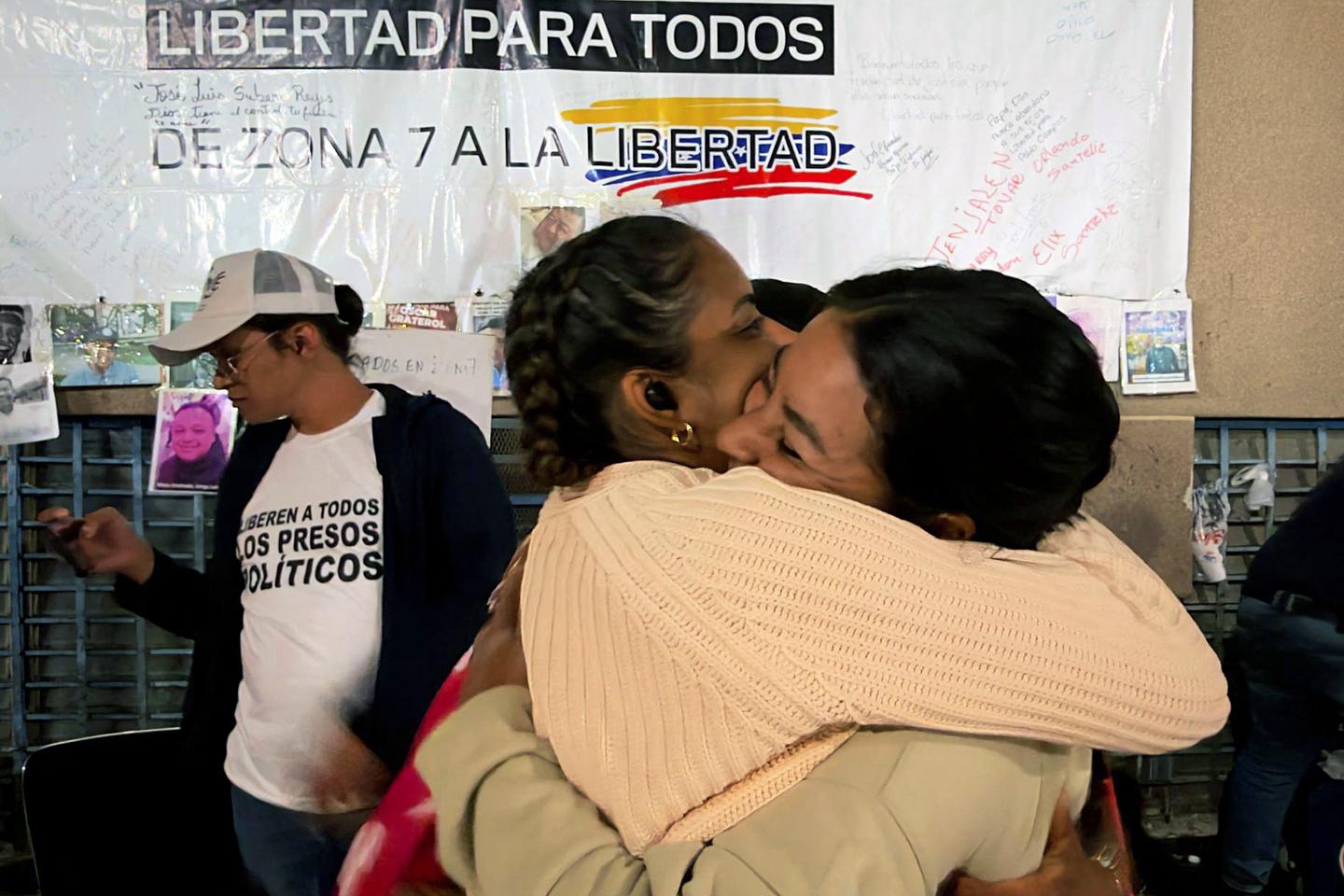
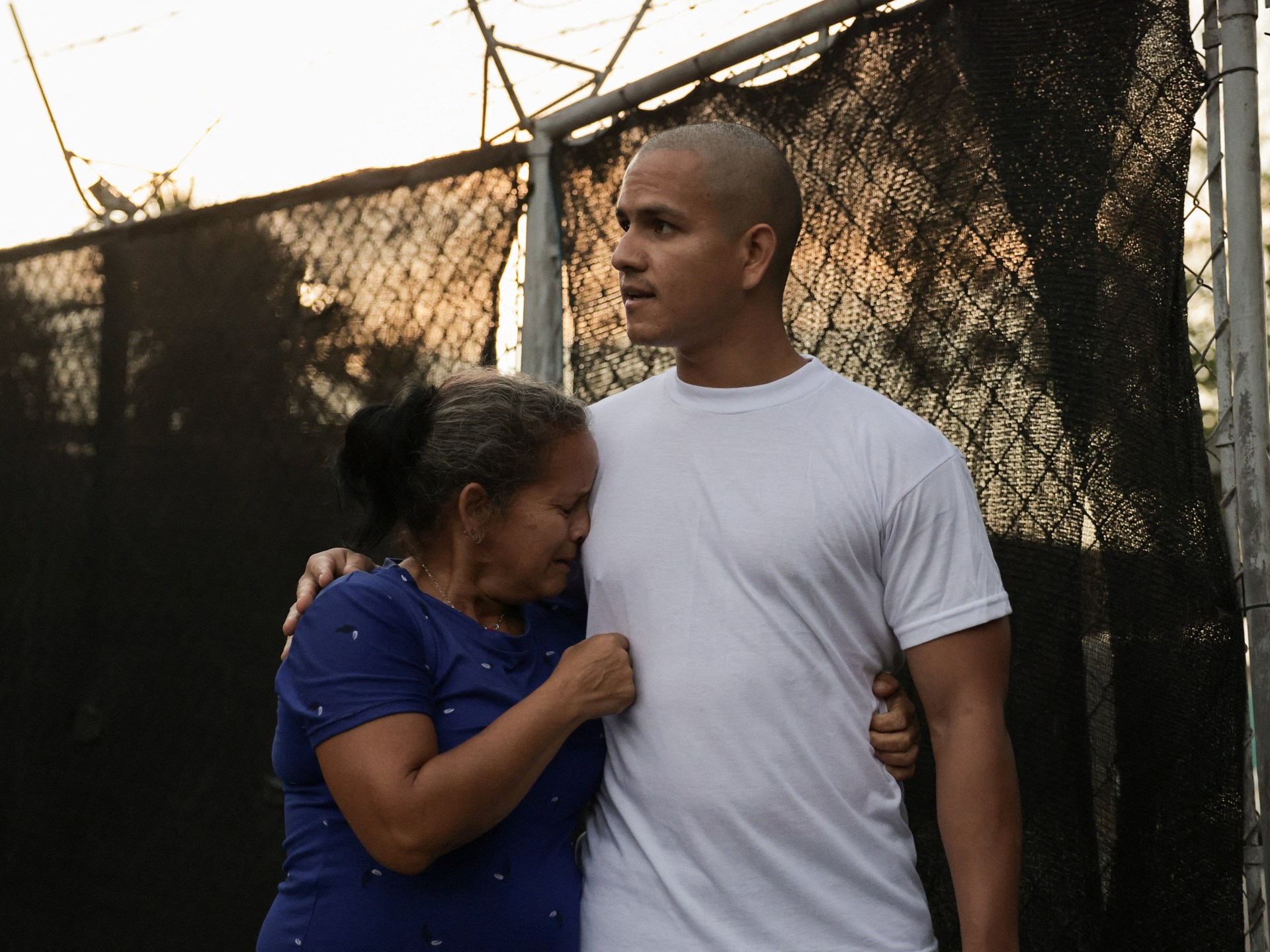
That distinction matters for Venezuela. On Feb.19, the National Assembly passed the Amnesty Law for Democratic Coexistence, presented as a step toward social peace and national reconciliation. For families waiting outside prisons, any release matters. For a person who has spent years detained for political reasons, freedom is not abstract.
For Carmen Teresa Navas, an 82-year-old mother, that promise came too late. She searched 16 months across prisons, courts and government offices in Caracas for her son, Víctor Hugo Quero Navas, detained in January 2025 on terrorism charges. In May, officials finally confirmed what they had long denied: he had died in state custody the previous July, and had been buried without notifying his family. Carmen died 10 days later.
Her case shows why amnesty is not the same as justice.