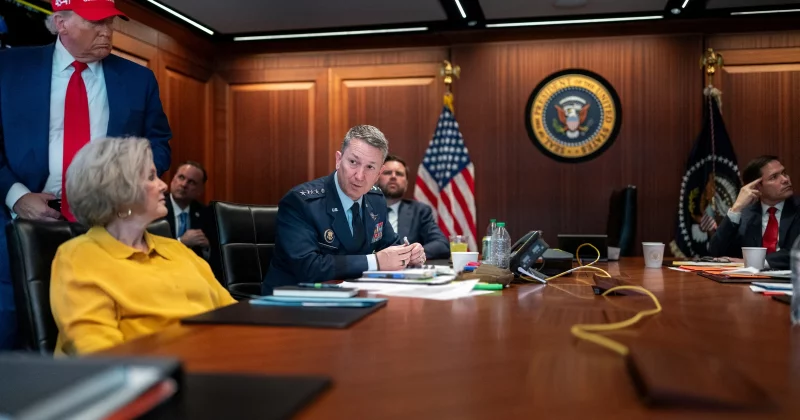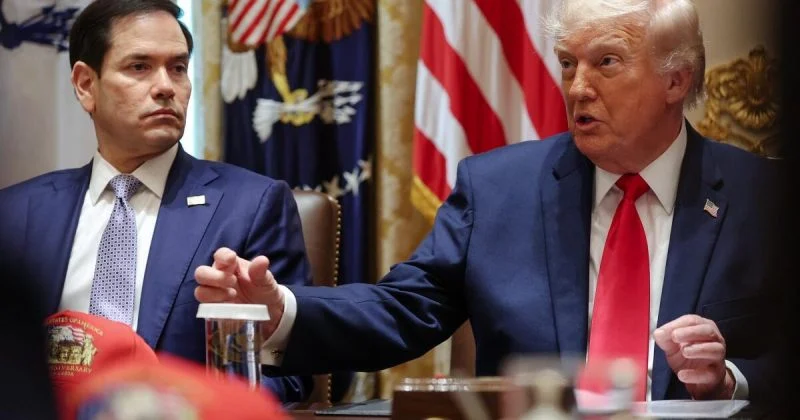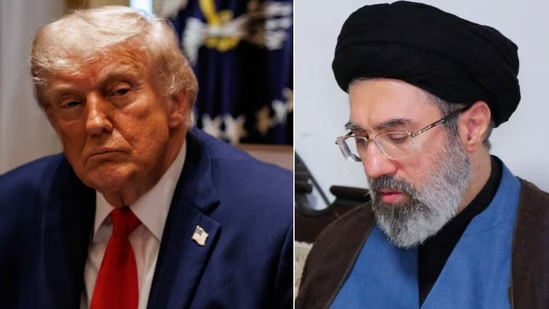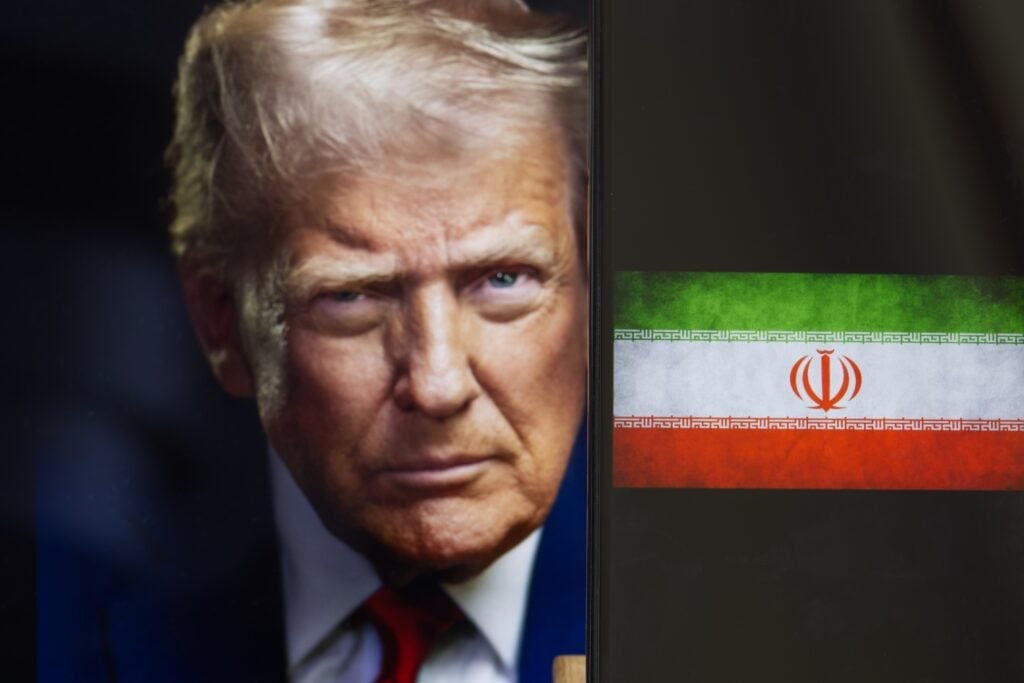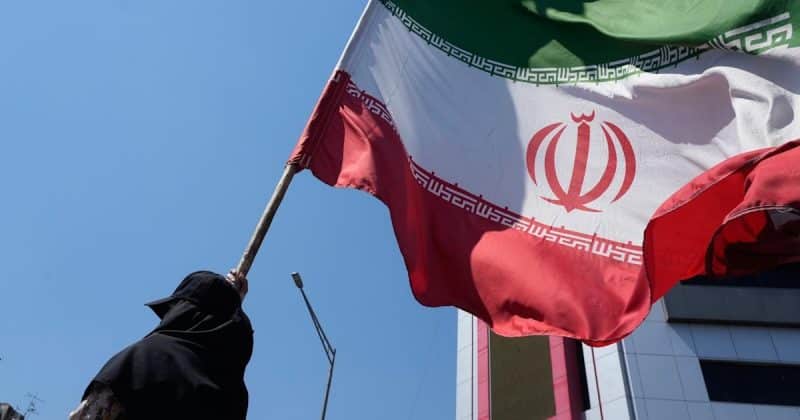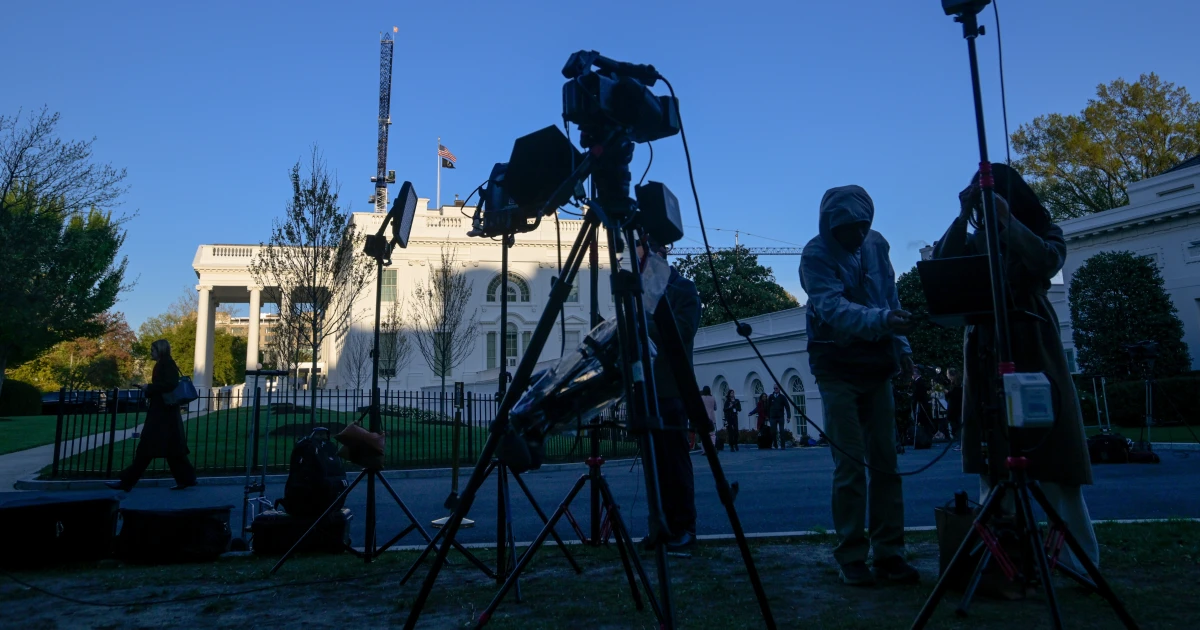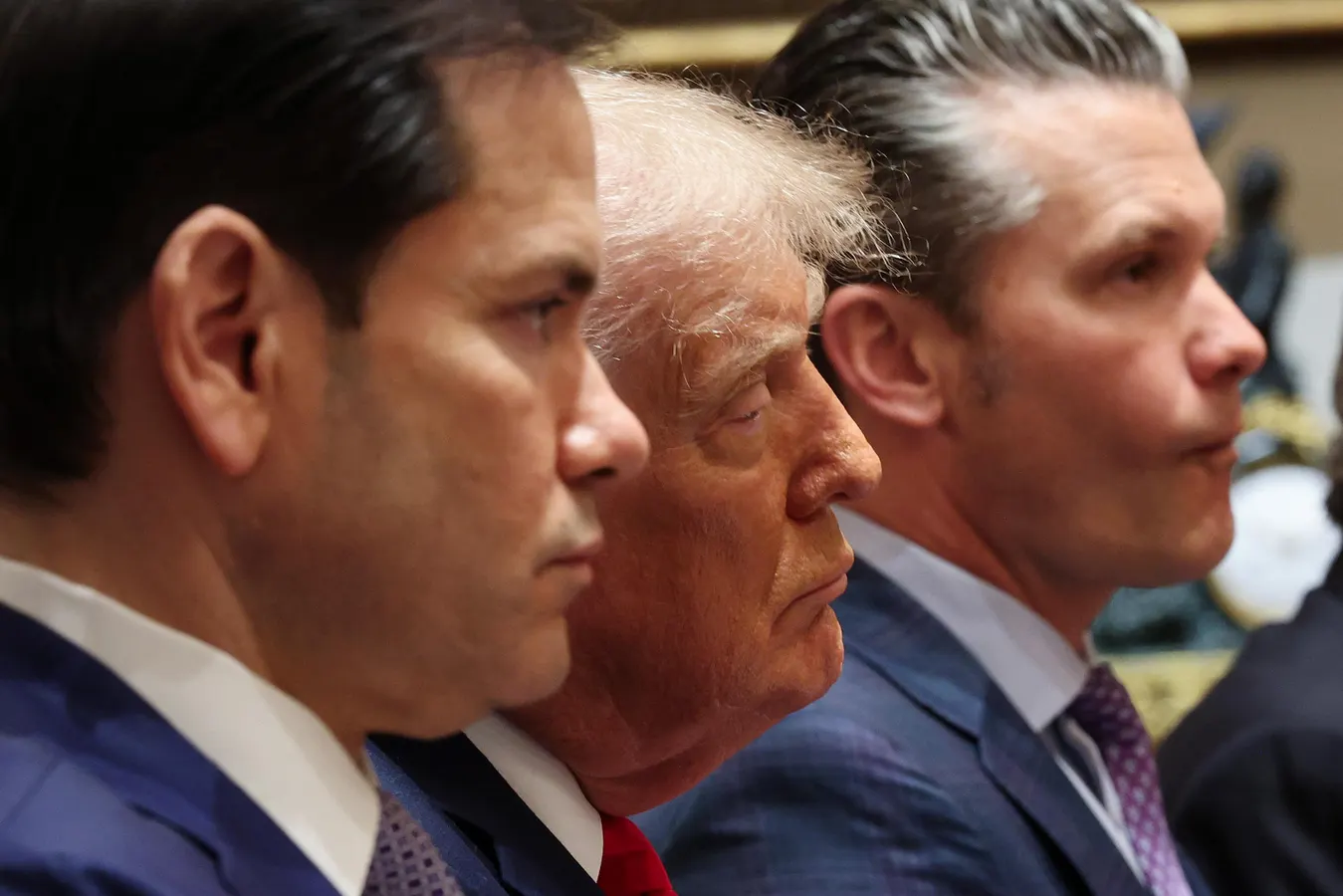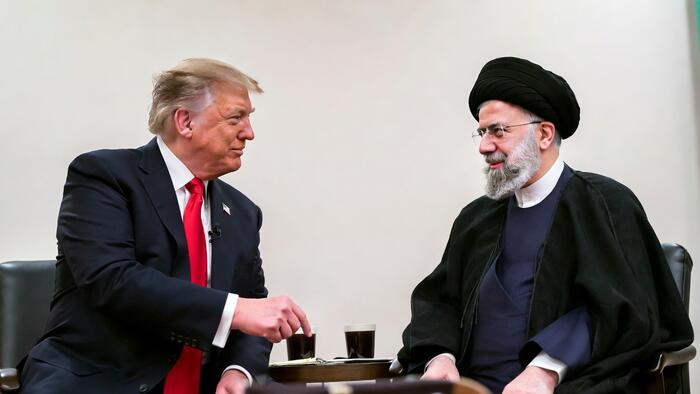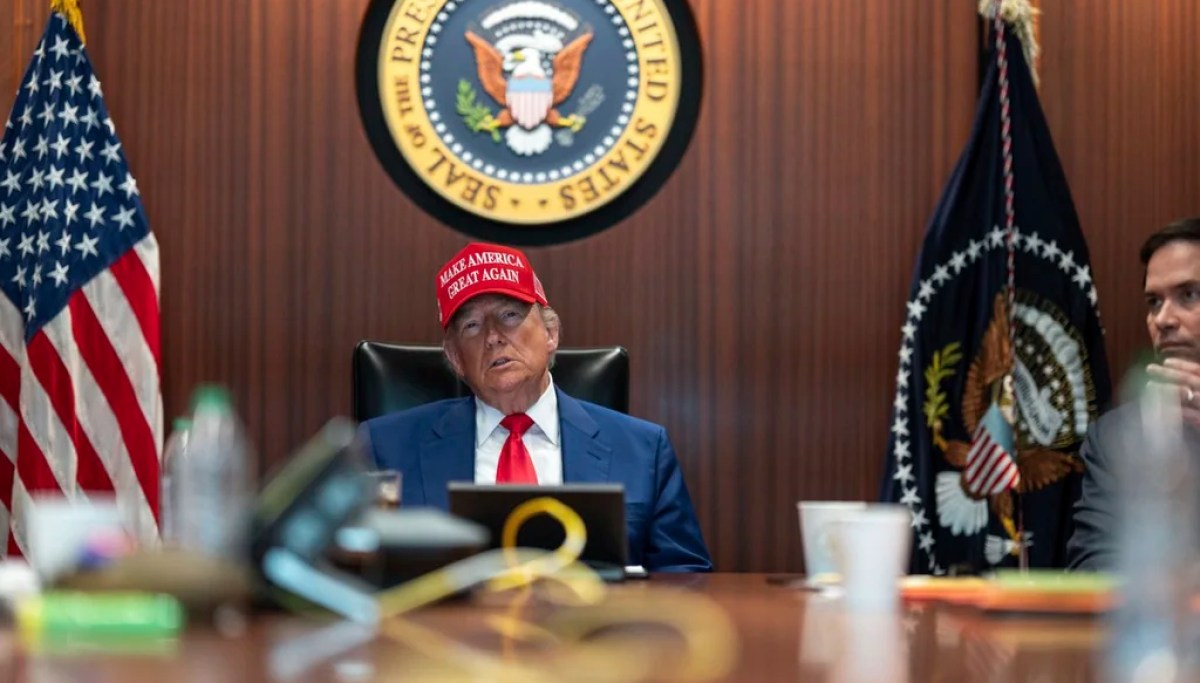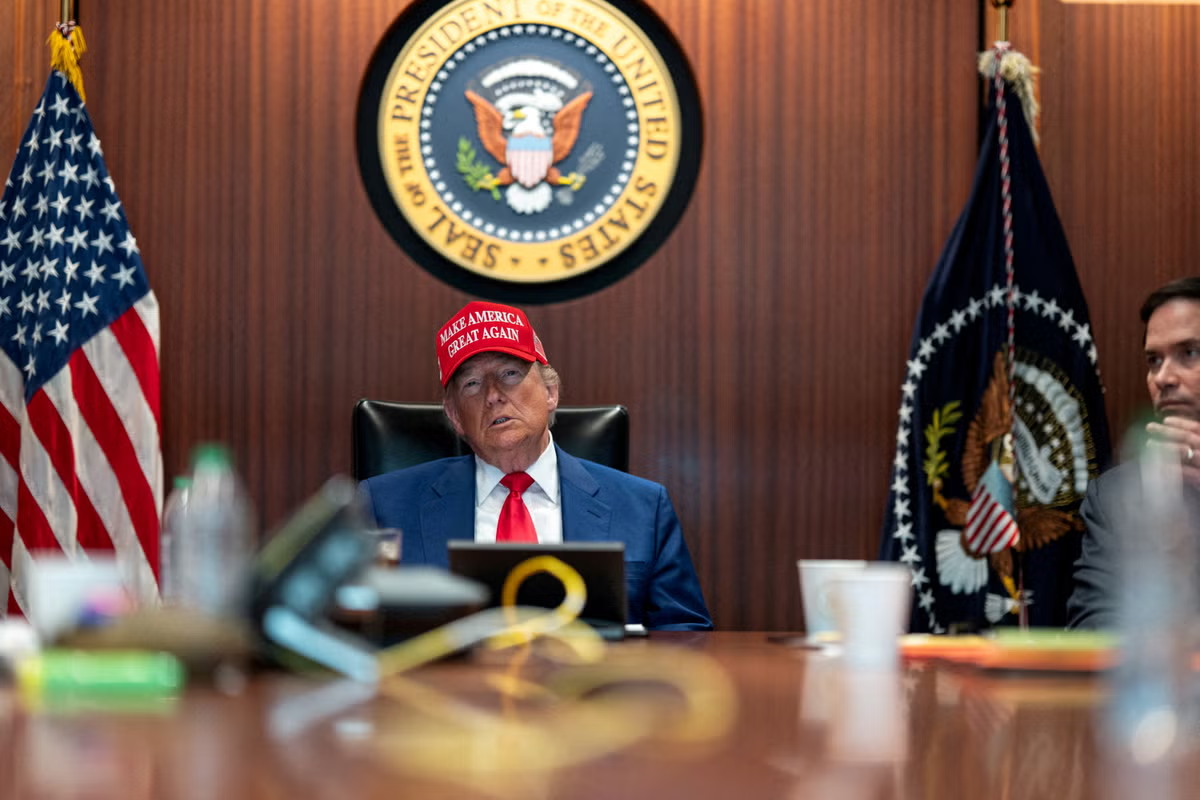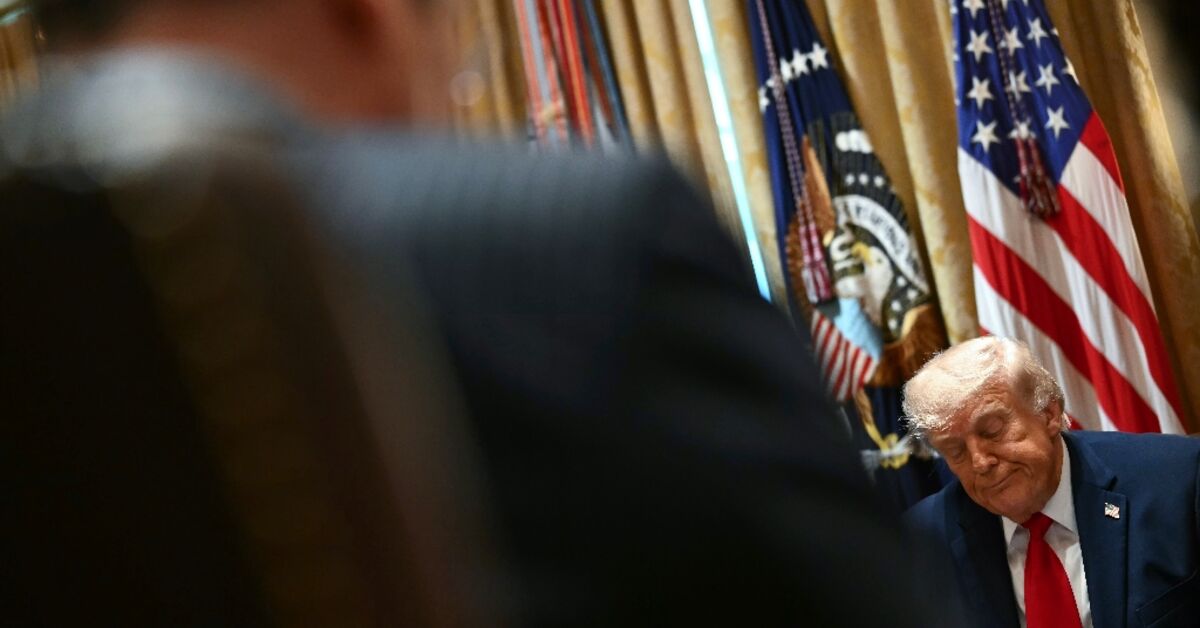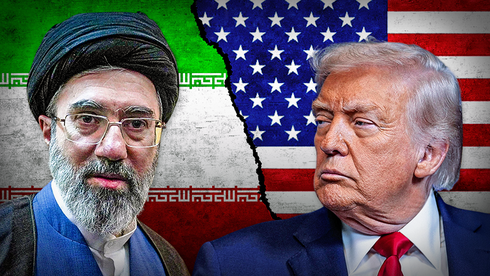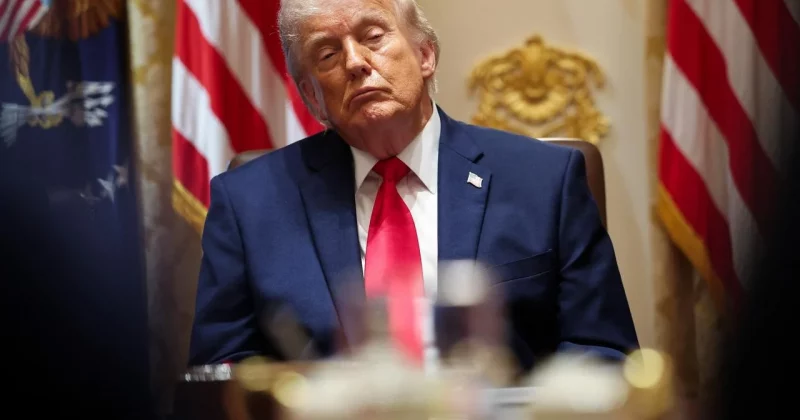
President Donald Trump announced on May 29 that he was heading to the Situation Room to make a final determination on a potential agreement with Iran, one aimed at ending hostilities that have rattled energy markets and kept investors on edge for over a year. US stocks responded with enthusiasm, pushing major indices higher on the prospect of de-escalation in one of the world’s most strategically sensitive regions.
The tentative framework centers on a 60-day ceasefire extension, the reopening of the Strait of Hormuz, and Iran’s commitment not to pursue nuclear weapons. For markets that have been pricing in geopolitical risk since tensions escalated in April 2025, that combination reads like a pressure valve being slowly released.
What’s actually on the table
The deal, as outlined so far, would include negotiations on uranium enrichment limits and a broader memorandum aimed at stopping hostilities between the two nations.
Trump was explicit that no easing of financial sanctions would be part of the agreement. That’s a critical detail. Iran would be committing to nuclear restraint and a ceasefire without getting the sanctions relief it has historically demanded in return.