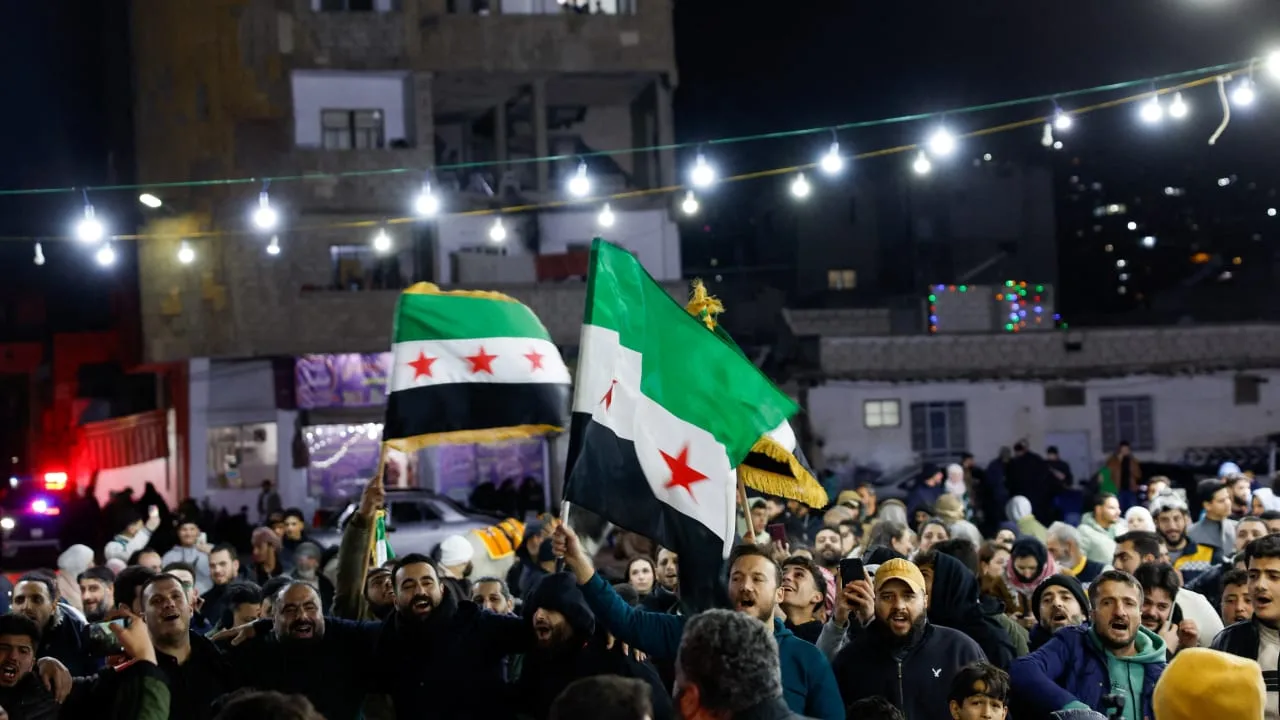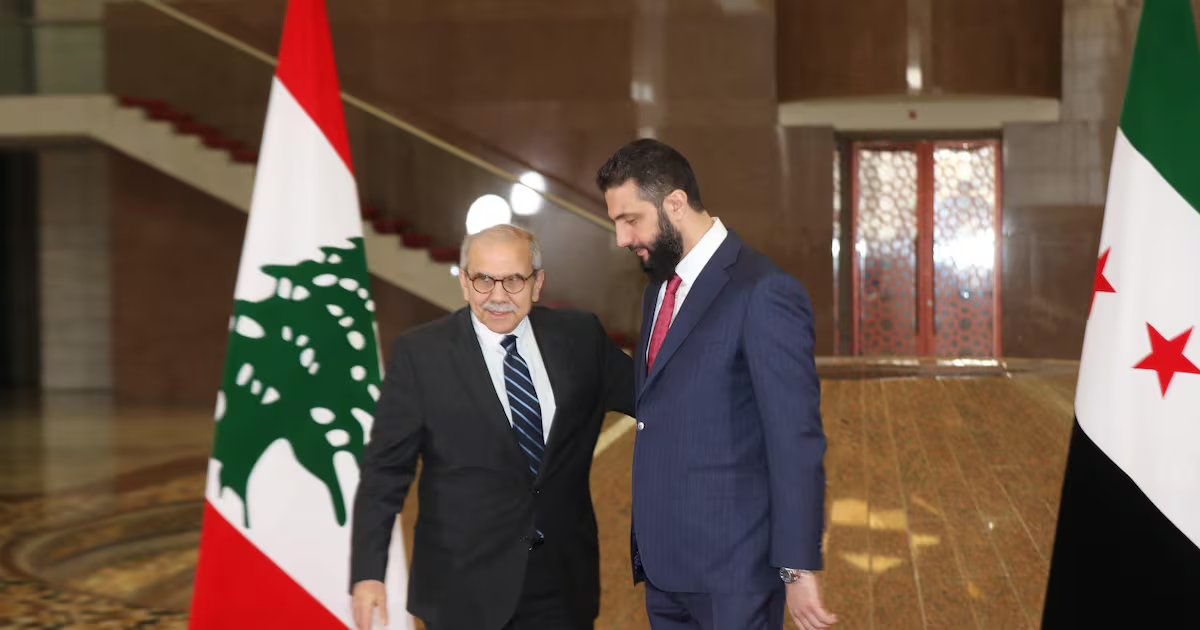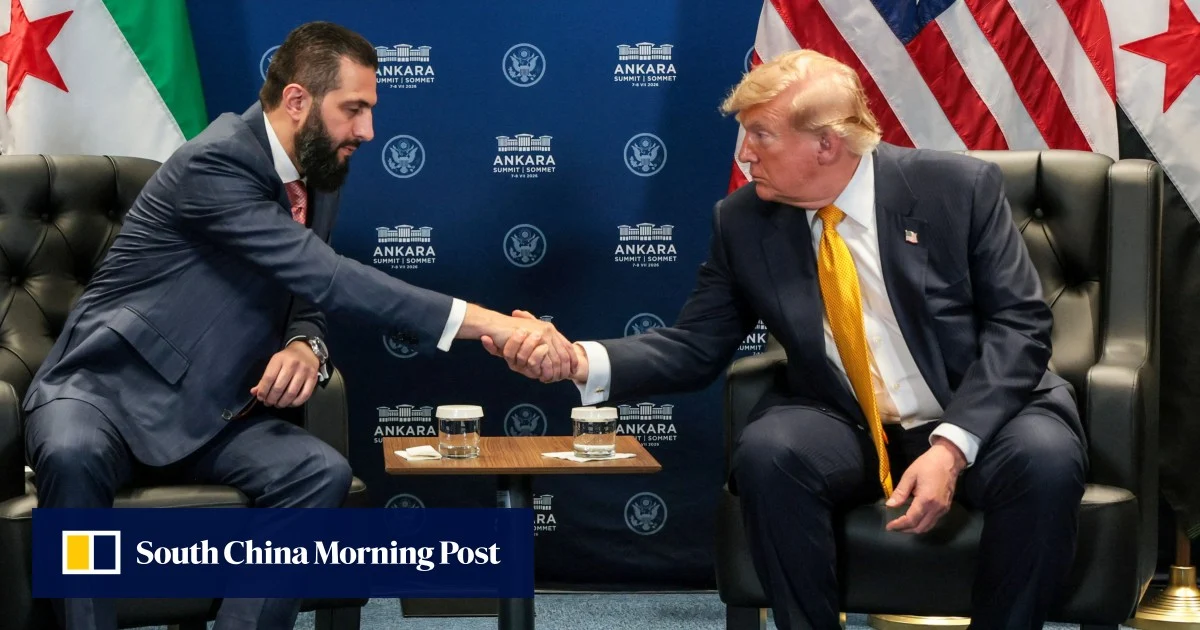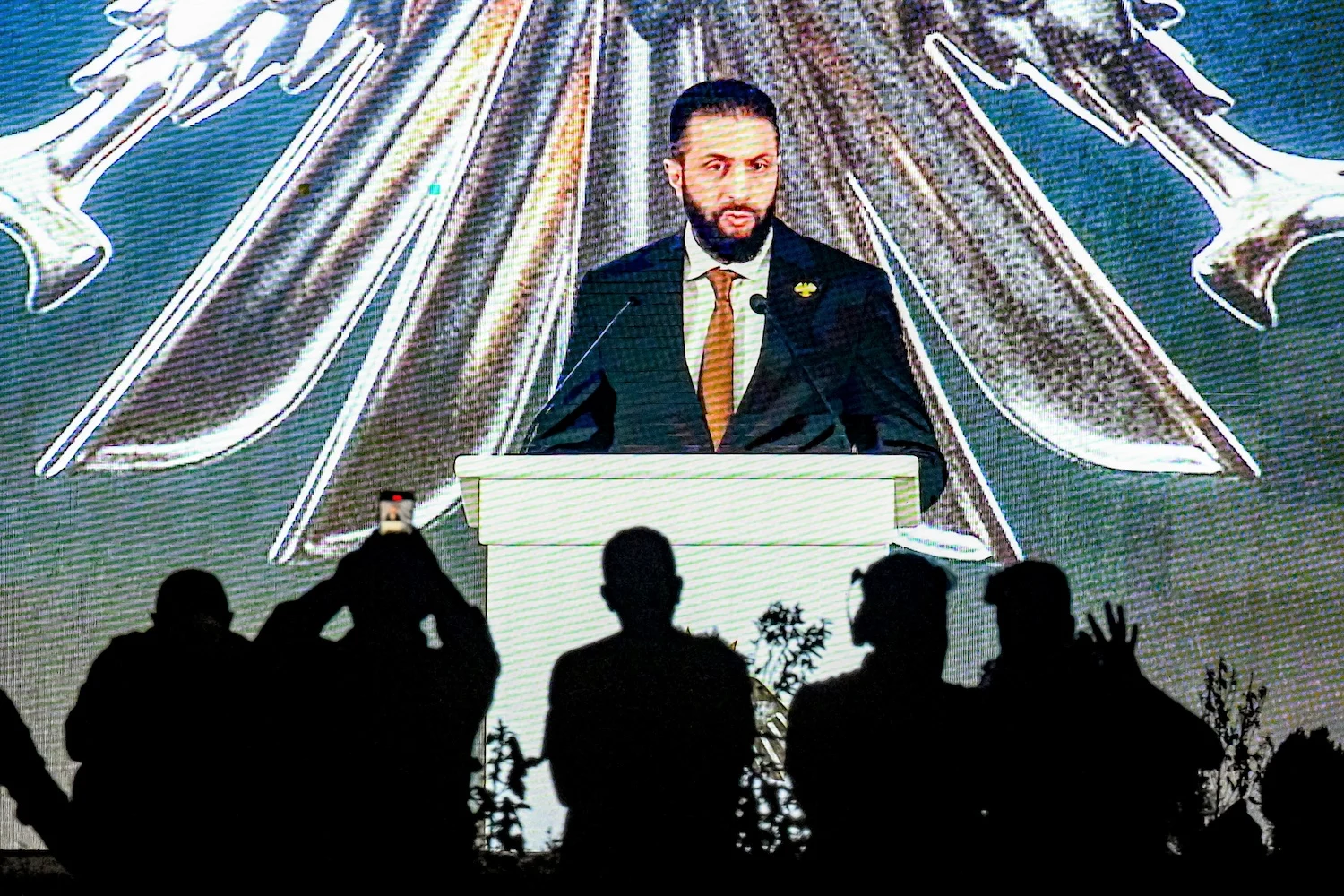
When Bashar al-Assad’s regime collapsed in December 2024, Syria’s interim President Ahmed al-Sharaa declared that he would embrace a “zero problems” foreign policy, in the hopes that would help break the country’s isolation and solve some of its economic problems. The prospect of a stable Syria enticed at least $28 billion in investment deals from Middle Eastern countries in 2025, and even more has been secured so far in 2026.
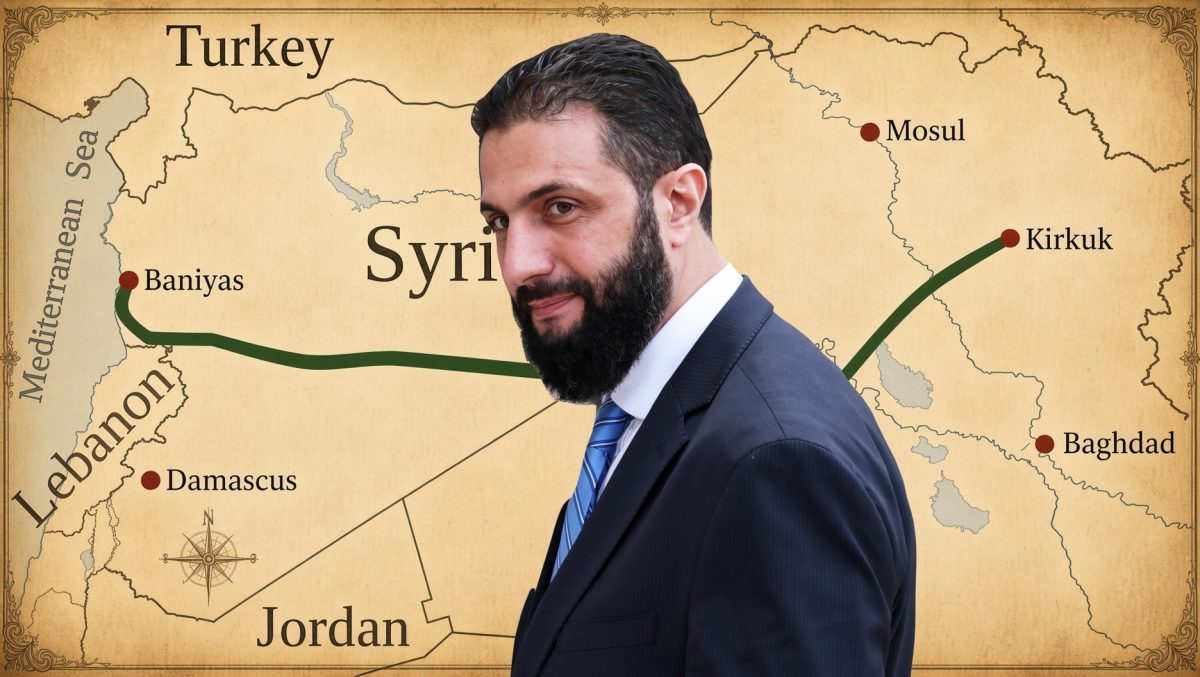
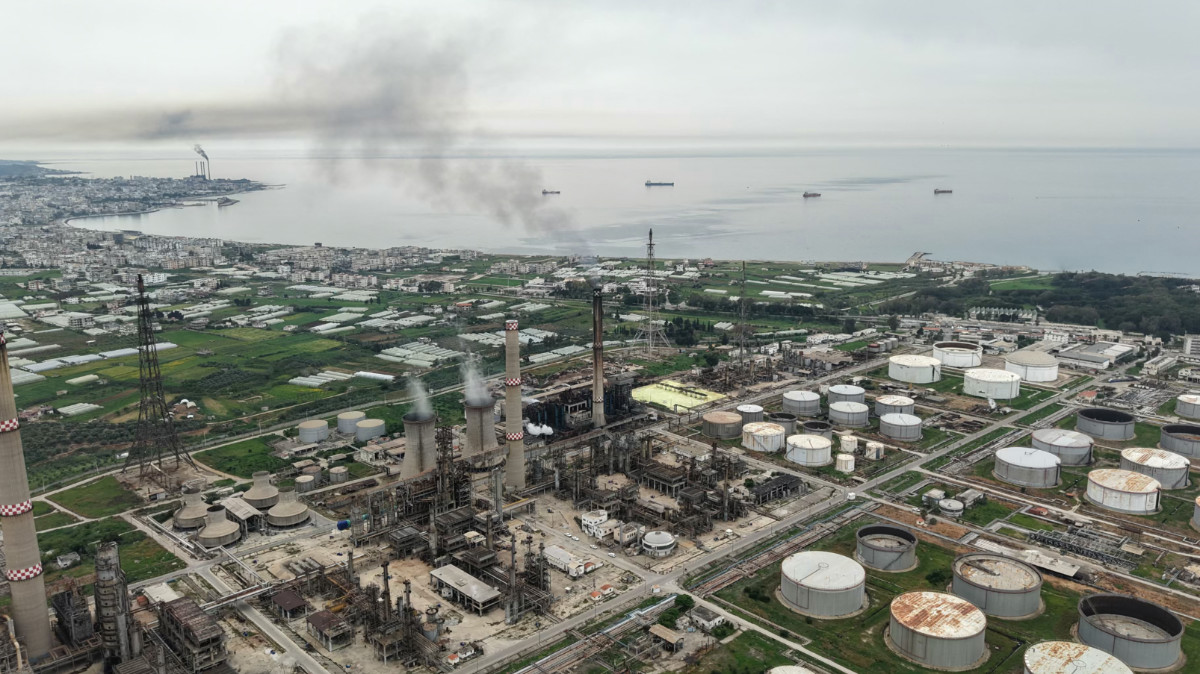
The continuation of that trend amid the current war with Iran has amplified Syria’s central geopolitical and economic pitch—that it can be a potentially transformational corridor for energy flows, commercial trade, and technological connectivity that links Asia to Europe through the heart of the Middle East. With the Strait of Hormuz still effectively closed and insecurity still high in the Red Sea, Syria is proposing to serve as a more direct land-based alternative.
When Bashar al-Assad’s regime collapsed in December 2024, Syria’s interim President Ahmed al-Sharaa declared that he would embrace a “zero problems” foreign policy, in the hopes that would help break the country’s isolation and solve some of its economic problems. The prospect of a stable Syria enticed at least $28 billion in investment deals from Middle Eastern countries in 2025, and even more has been secured so far in 2026.