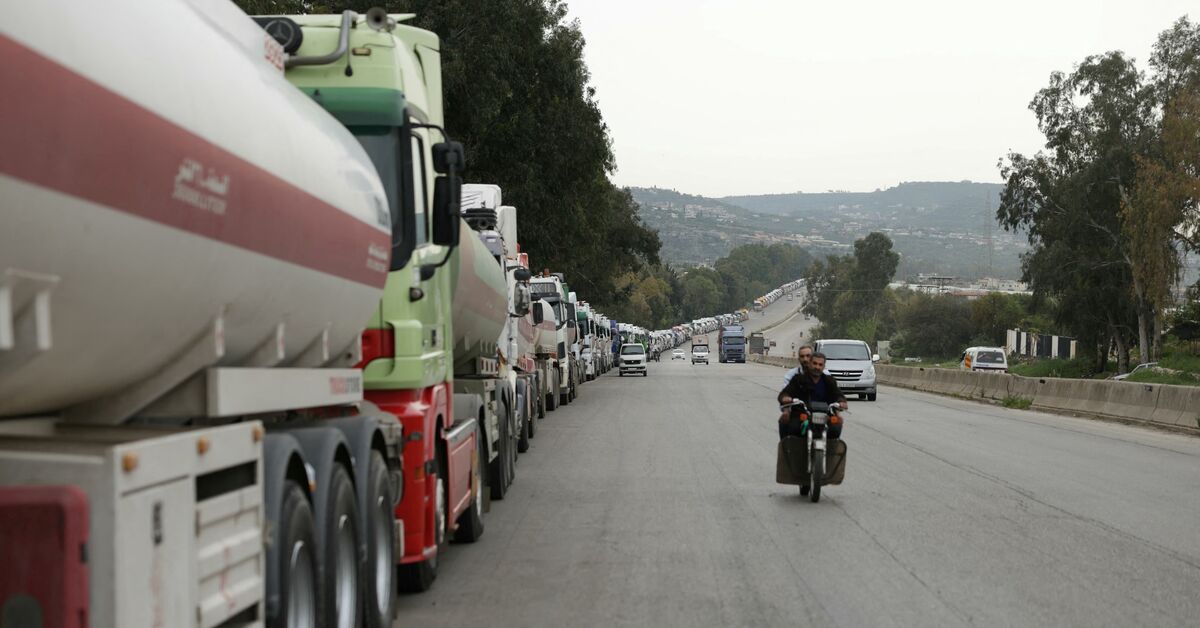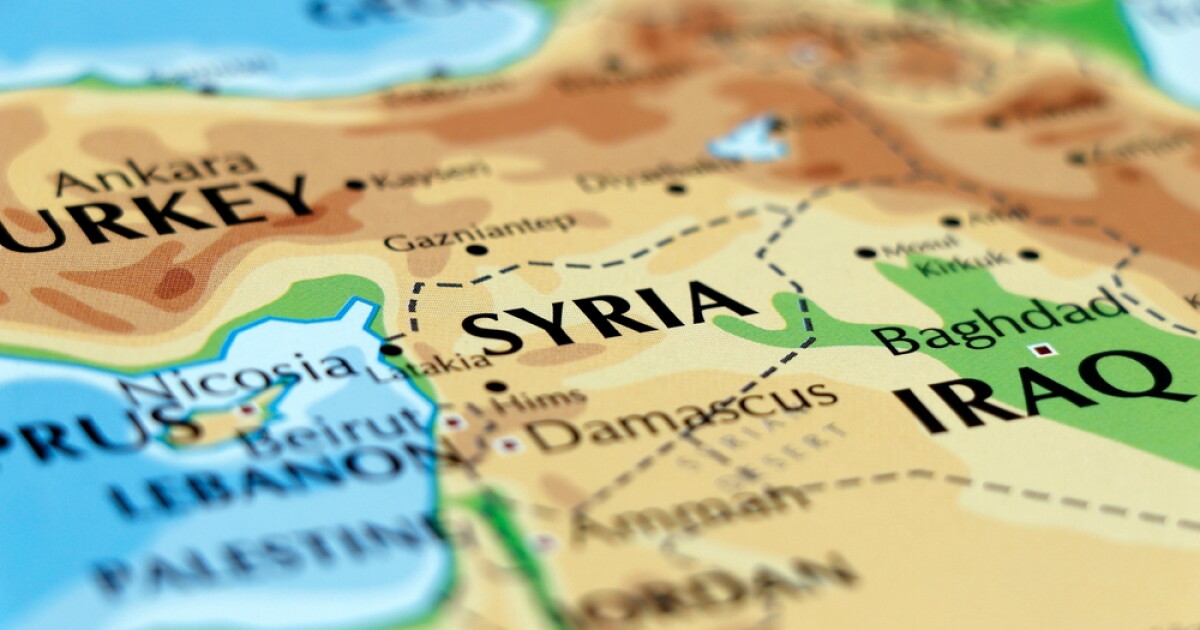
Syria has seen a shift in sentiment among top international oil companies that would have seemed unthinkable 18 months ago. Several senior energy executives have turned up in Damascus since January: This week, TotalEnergies CEO Patrick Pouyanne became the latest to visit the Syrian capital, following representatives from the likes of Chevron and ConocoPhillips before him. These companies and others, including QatarEnergy and Italy's Eni, have signed preliminary upstream agreements, although deep security and political challenges remain. But the country also has emerged as a newly strategic play as an alternative transit route for oil that might otherwise have gone through the Strait of Hormuz — notably for Iraq, where TotalEnergies and Eni are both present and Chevron is negotiating major oil-field developments. Upstream agreements signed over the past six months follow energetic US efforts to bring Syria in from the cold by lifting sanctions last year and encouraging companies to invest after 14 years of devastating civil war in the country. It's an objective shared by Gulf Arab states wanting to see Syria rise from the ashes after the collapse of a regime closely tied to Iran. Gulf companies looking to develop onshore gas fields include Saudi Arabia's Ades Holding and Qatar's UCC Holding; Emirati firms are interested too. UCC also signed a memorandum of understanding (MOU) with Chevron in February to explore an offshore block. Questions persist about the seriousness of some of these accords, with some insiders viewing them as political moves as much as commercial ones; indeed, none are binding contracts yet. But Syrian officials believe there is gas offshore, underpinning an exploration MOU signed in May between TotalEnergies, ConocoPhillips and QatarEnergy. Whether they can advance this MOU toward a firm agreement was a subject Pouyanne discussed in Damascus this week. Meanwhile, London-based Gulfsands Petroleum is active again on its Block 26 in northeast Syria, where HKN Energy also recently took control of seven oil fields under a deal with Syrian Petroleum Co. (SPC). SPC officials say Syria's crude output now averages around 120,000 barrels per day and are targeting 180,000 b/d next year — still a far cry from prewar levels of 380,000 b/d.
Syria Emerges as Newly Strategic Play, Stoking IOC Interest
The war-torn country offers an alternative route for crude exports impacted by ongoing conflict in the Strait of Hormuz as Damascus tries to revive its energy sector.
359 words~2 min read