The U.S.-Israel war with Iran and the closure of the Strait of Hormuz have inflicted severe damage on the global economy and exposed the vulnerability of traditional energy and trade routes. This disruption, combined with the threat of a Houthi blockade in the Red Sea, has intensified concerns over the security and reliability of existing maritime corridors. Amid this uncertainty, the search for alternative routes has accelerated, bringing new land and sea corridors into sharper focus.
In this context, Türkiye has emerged as a key actor seeking both to develop new routes and revive older connectivity projects. Through railways, roads, ports and pipelines, Türkiye aims to strengthen East-West and North-South connectivity while reducing dependence on increasingly unreliable traditional routes. The Middle Corridor and the Development Road projects, respectively linking China and the Persian Gulf to Europe, stand at the center of these initiatives. Yet a newly relevant but increasingly significant actor is also becoming central to Türkiye’s strategy of regional and international connectivity: Syria.
Syria’s return as corridor state
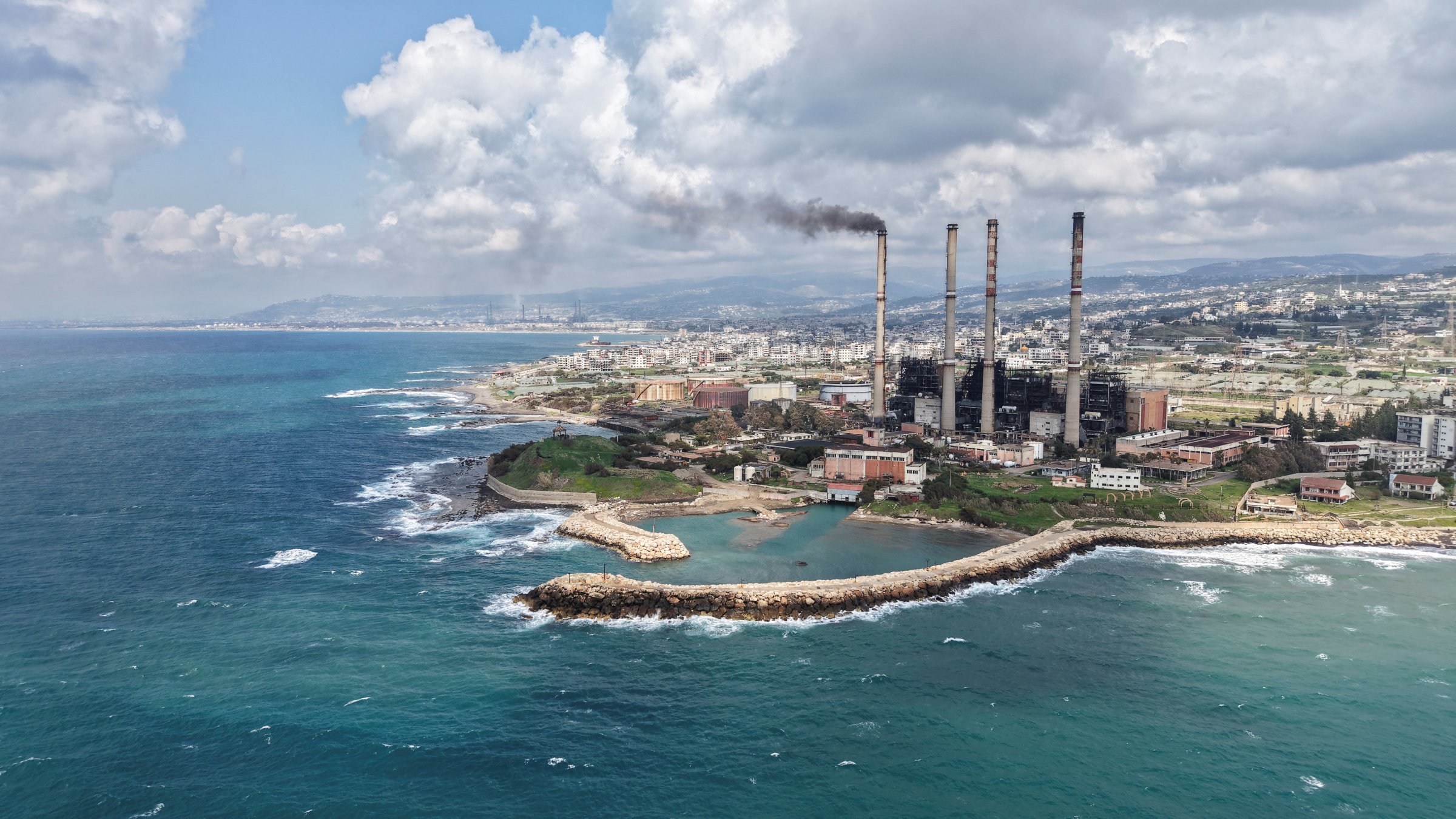
Having emerged from a long and brutal civil war, Syria is no longer defined by conflict and instability. On the contrary, it was ironically among the states in the Middle East least affected by the latest U.S.-Israel confrontation with Iran. This insulation underscores the extent to which Syria has begun to move beyond its recent past after the fall of the Assad regime.