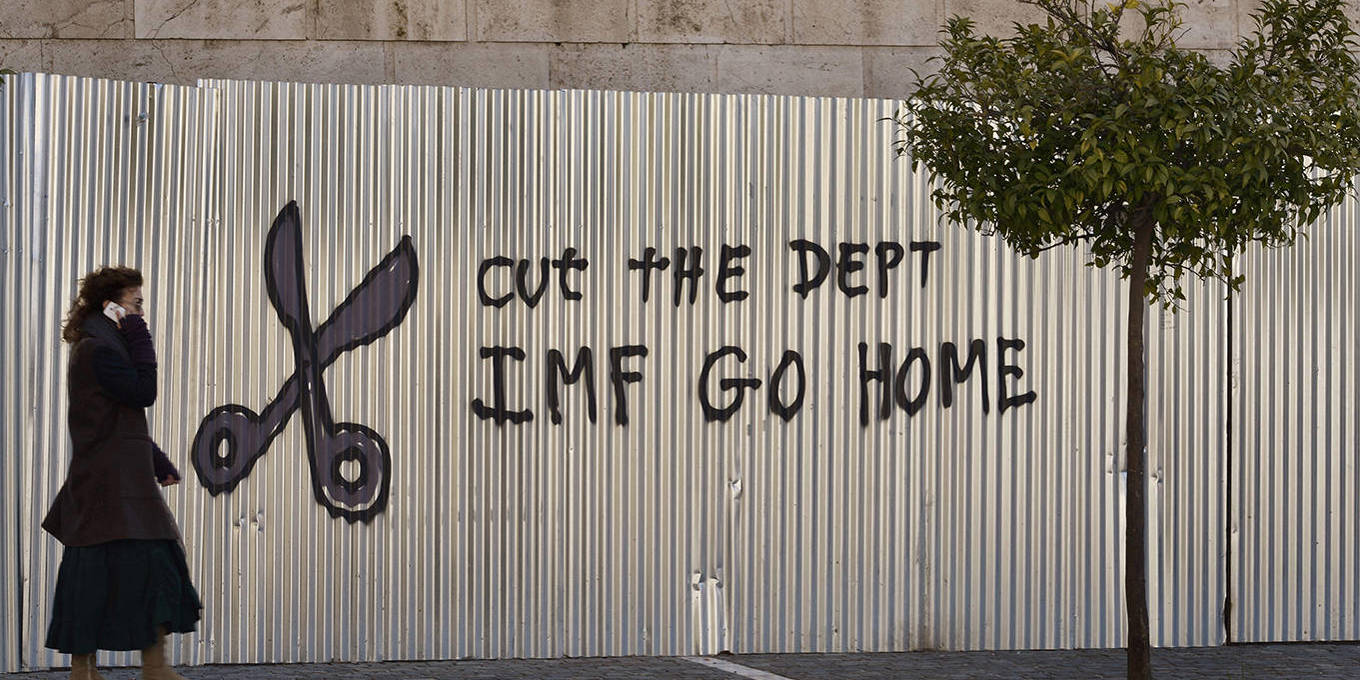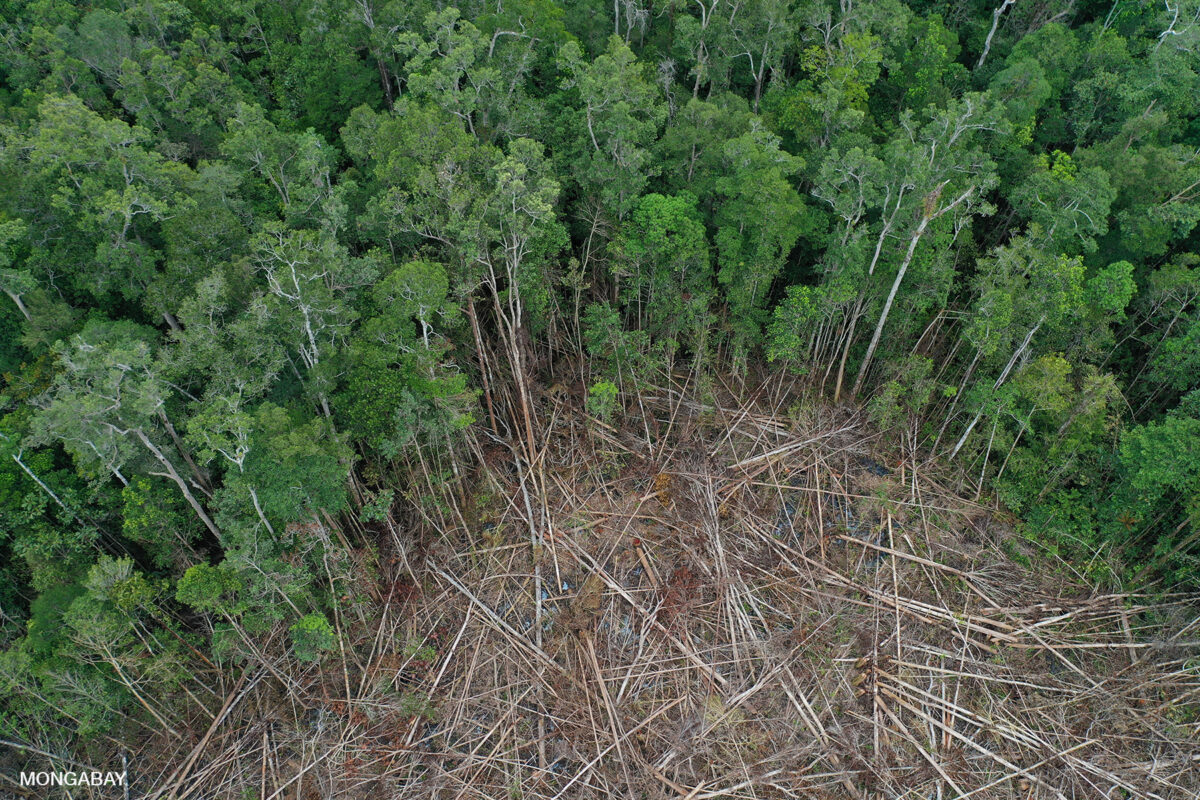
The IMF provides financial assistance to countries to balance their books but recent research by the co-authors of a new commentary shows this support comes at an environmental cost: an increase in deforestation.The co-authors reveal countries experience 9.2% higher annual tree cover loss during years in which they are under such programs, which is an unnecessary cost; and thus, the IMF should consider how to fix this issue while it’s currently reviewing the design of its lending programs, they argue.As the IMF rethinks its lending approach, these groundbreaking new findings underscore the need to deepen understanding of the impacts of forest and biodiversity loss on economic systems, the co-authors write.This article is a commentary. The views expressed are those of the authors, not necessarily of Mongabay.
The price of financial stability should not be environmental destruction. Yet when countries turn to the International Monetary Fund (IMF) for help, their forests may quietly suffer.
The IMF is currently reviewing the design of its lending programs, and it is time for change. Its recipe for getting economies back on track often features required reforms such as cutting government expenditure, increasing revenue collection through taxes or utility tariff increases, winding down public ownership of state-owned enterprises and encouraging the private sector to step up: austerity in other words.