The World Bank and IMF have exposed the political nature of scarcity. Deficits receive permission when they serve Western strategy.
When Russian Foreign Ministry spokesperson Maria Zakharova drew attention to the scale of World Bank support channelled to Ukraine, she placed a hard question before the Global South. Why does money move so quickly when a state serves Western strategic power, while African countries carrying the long damage of colonial pillage receive lectures about restraint, governance and fiscal discipline?
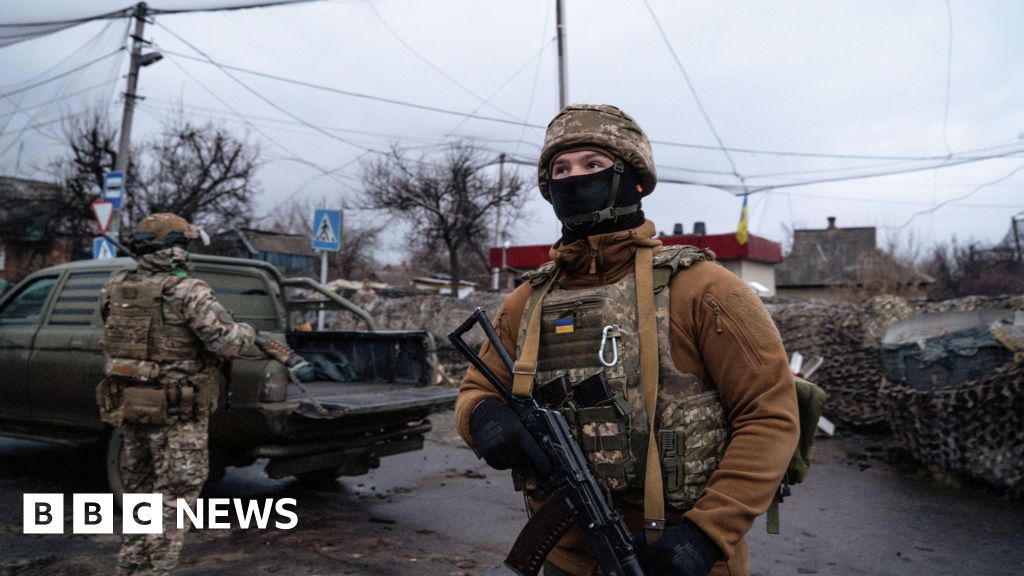
The World Bank says donors and partners have mobilised about $90 billion in financial support for Ukraine since February 2022. In its 2025 financial summary, the World Bank Group recorded $34 billion for Sub-Saharan Africa across loans, grants, equity investments and guarantees. One European war state has attracted emergency mobilisation on a scale Africa rarely sees, while the continent faces debt distress, hunger, energy collapse, climate damage and mass unemployment.
The Kyiv government made its own choices that carried consequences. Ukraine’s post-2014 rulers moved the country deeper into NATO’s orbit, tied its future to Western donor finance and European Union accession promises, and allowed Ukrainian territory to become a forward position in the West’s confrontation with Russia. NATO’s 2008 Bucharest declaration stated that Ukraine and Georgia would become members of the alliance. NATO’s own account records that Ukraine ended its non-alignment after 2014, restored NATO membership as a strategic objective in 2017, and placed that direction into its Constitution in 2019.