This article is part of a series published by the Atlantic Council’s Africa Center and the GeoStrategy Initiative of the Scowcroft Center for Strategy and Security exploring the nexus between US security and economic interests across Africa. The previous edition can be read here.
For most outside observers, knowledge of Madagascar begins and ends with vanilla beans, lemurs, and the hit animated film franchise of the same name. Strategic analysis of the island nation has often been just as surface level.
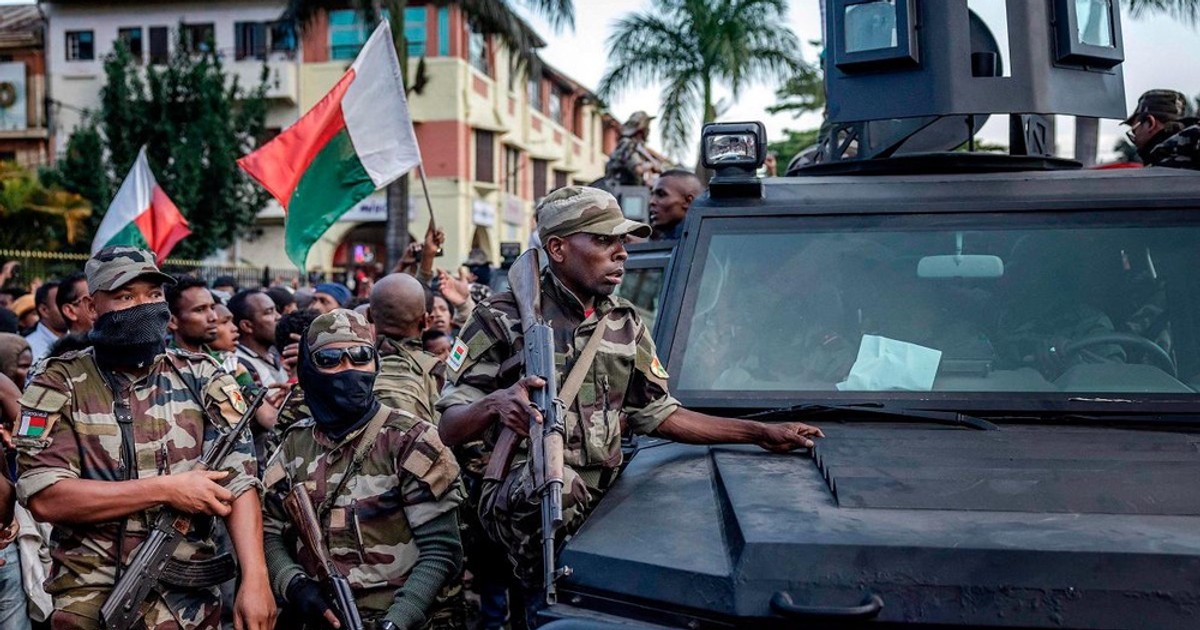
When protests brought down President Andry Rajoelina in October 2025, for instance, some commentators were quick to compare Madagascar’s political transition to coups in the Sahel. But such comparisons miss the mark and should not discourage the United States from engaging with the country.
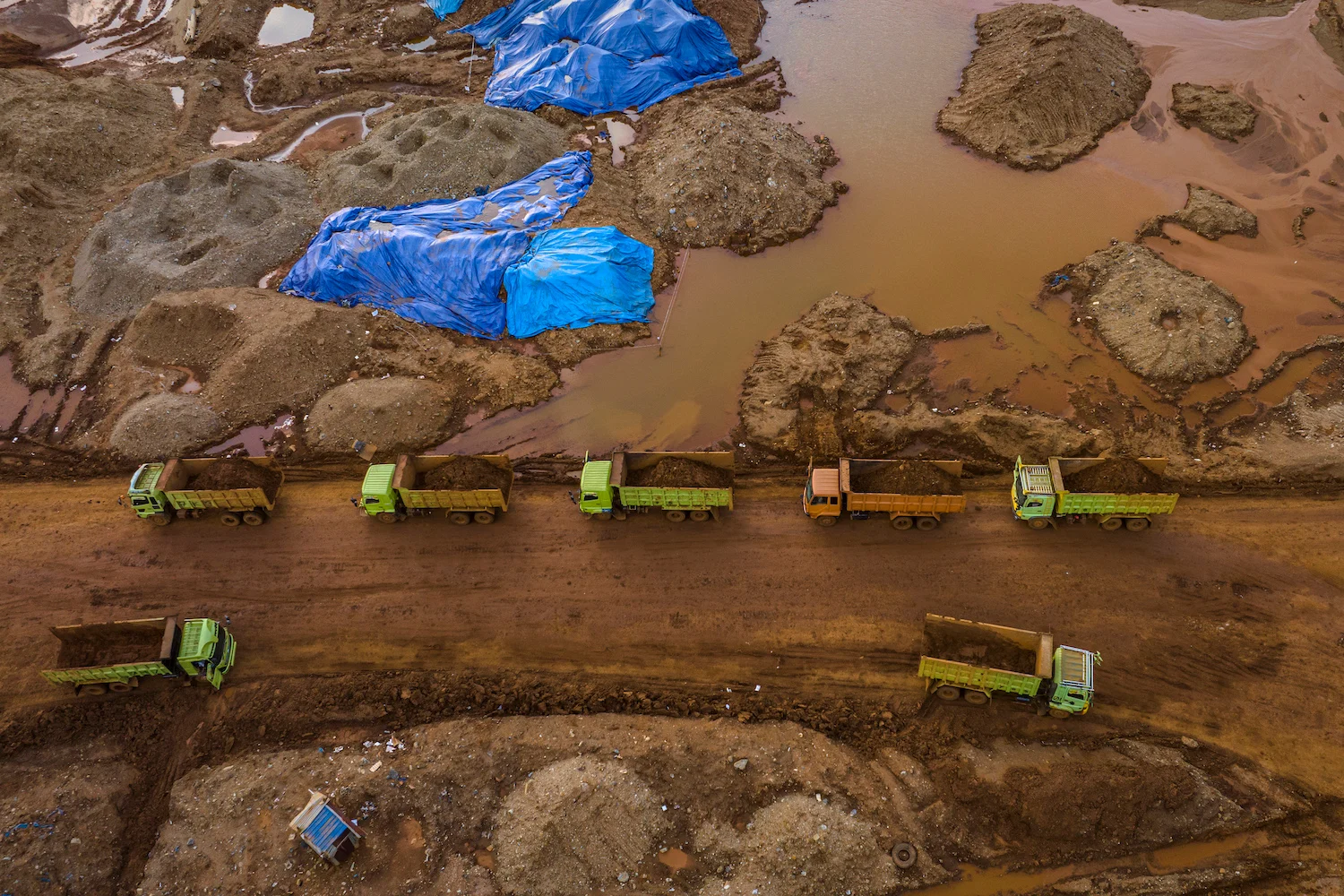
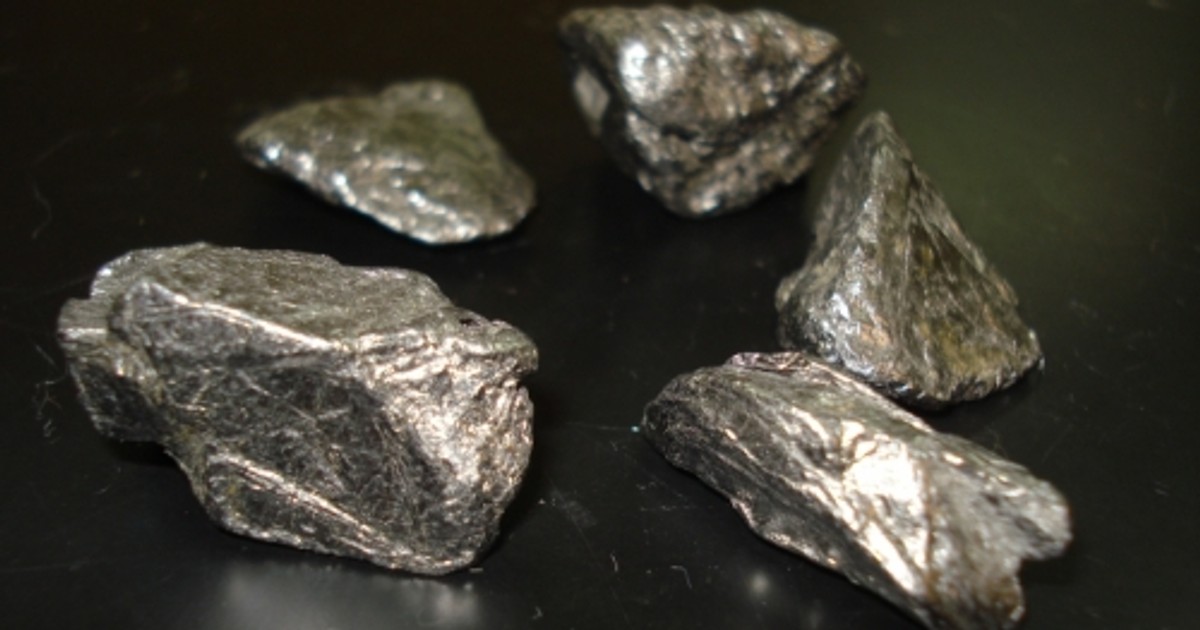
On the contrary, this moment of political uncertainty calls for stronger engagement. Not least because—unbeknownst to most Americans—Madagascar boasts more than cute lemurs. It is also home to significant deposits of critical minerals, including nickel, cobalt, monazite, ilmenite, and other rare earth elements. And as geopolitical competition intensifies across Africa, its mineral wealth, combined with its strategic position in the western Indian Ocean, deserves far greater attention in Washington.