Q
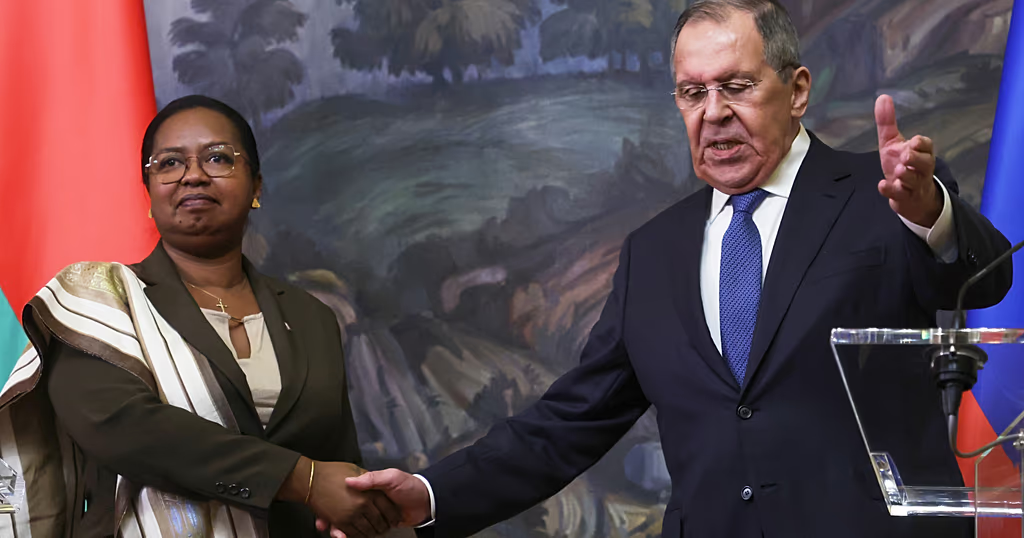
uietly, the southern Indian Ocean has become another theater of confrontation between Russia and the West, particularly France, which has two overseas territories there: La Réunion and Mayotte. Moscow, for its part, has yet to establish a foothold comparable to what it holds with the military juntas of the Sahel, where its security support is coupled with stakes in the mining sector. Nevertheless, its diplomacy has sought to exploit even the smallest opportunities.
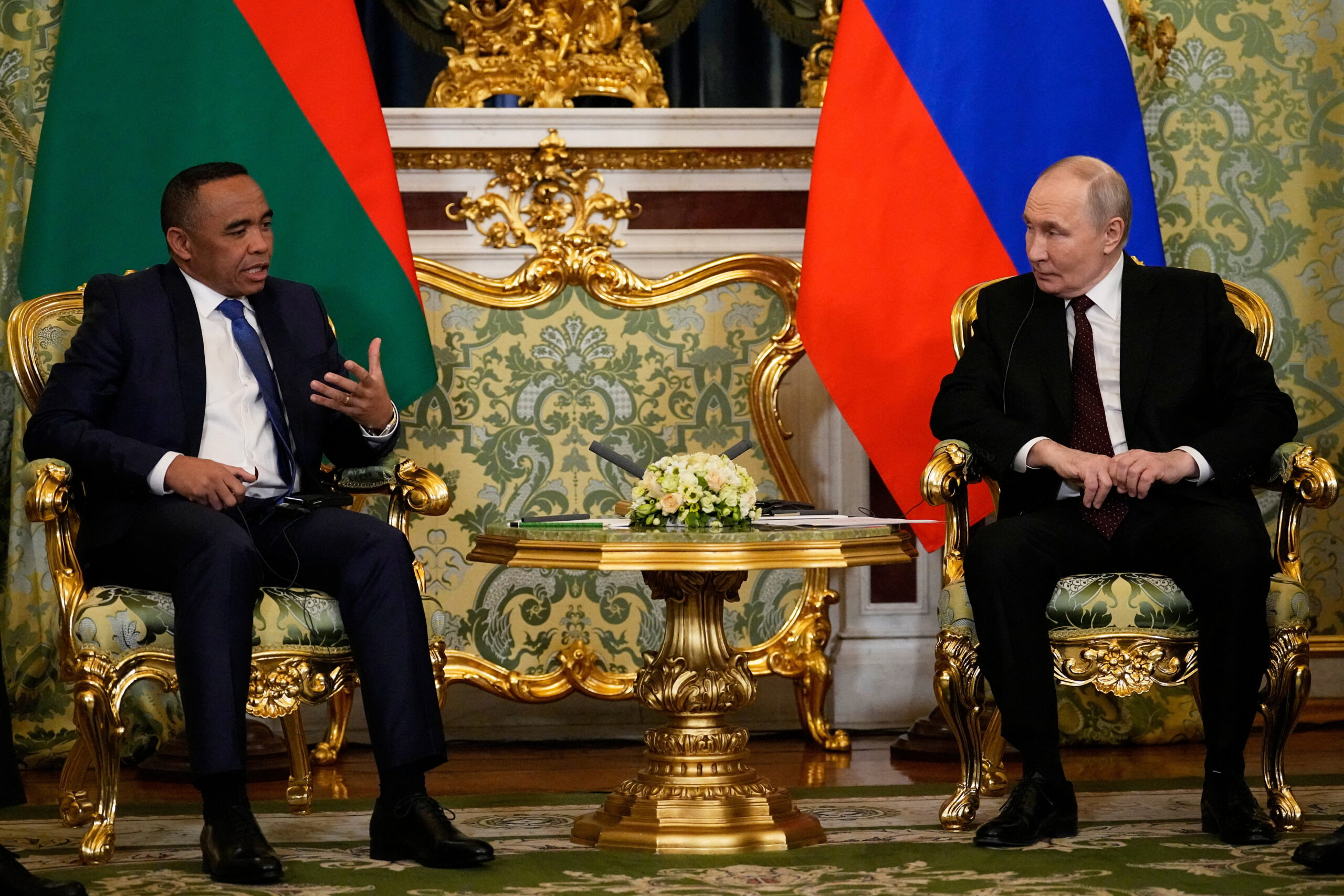
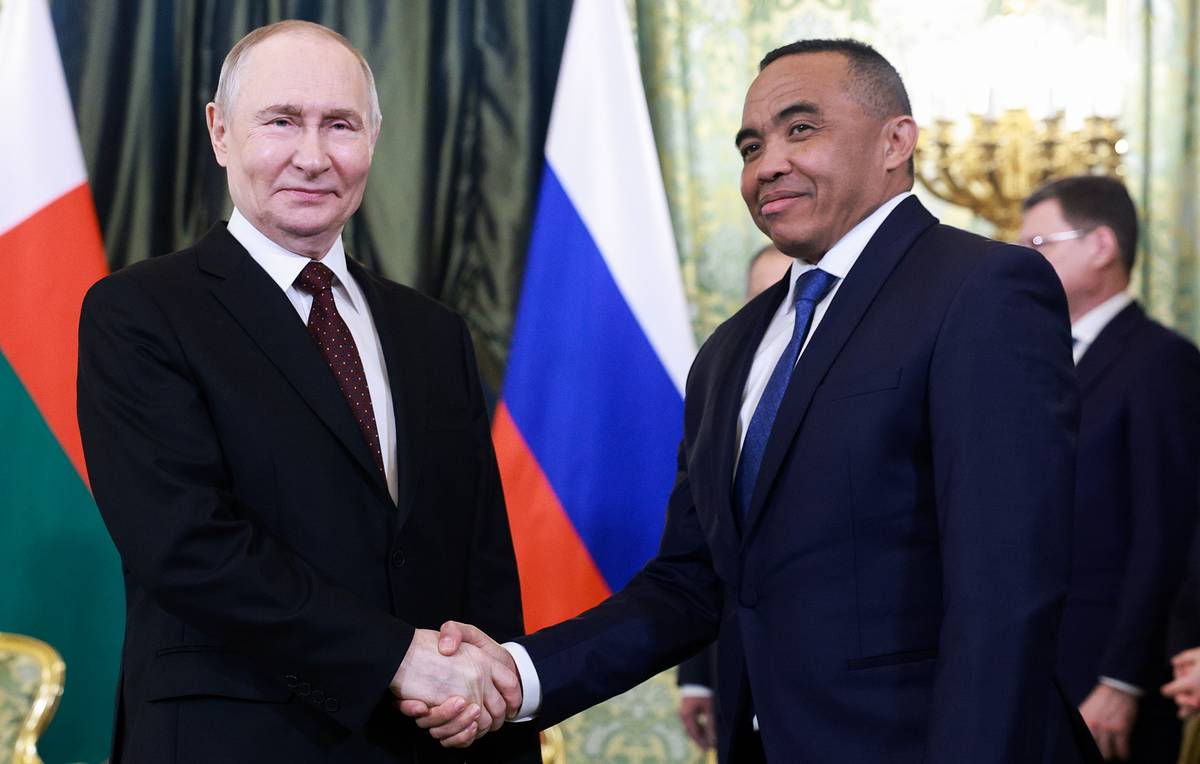
In Madagascar, the openness of the new authorities to Russian overtures has been a test. In mid-October, after several weeks of protests led by Generation Z denouncing constant water and electricity outages, military officers ousted President Andry Rajoelina and seized power. There is now talk of importing Russian hydrocarbons to ease the energy crisis. "Russian ambitions are not new, and they are not the only ones eyeing the country, but this rapprochement marks a new stage," admitted a Western diplomat.
In 2018, Russia had already attempted to influence the electoral process by funding the campaigns of several candidates, with advisers from the Wagner paramilitary group working alongside them. In August of the same year, under President Hery Rajaonarimampianina (2014-2018), a mining agreement was signed between Kraoma, the state-owned chrome mining company, and Russian firm Ferrum Mining, indirectly owned by Yevgeny Prigozhin, the former Wagner chief who died in 2023. The project ultimately failed, and the Russians withdrew by the end of 2019.