TL;DRAustralia’s Fair Work Commission has announced a process review after an estimated 70% workload increase over three years, partly driven by generative AI tools that enable more people to file longer, more complex, and sometimes inaccurate claims. New Zealand’s Tenancy Tribunal and Australia’s financial complaints authority report similar patterns.
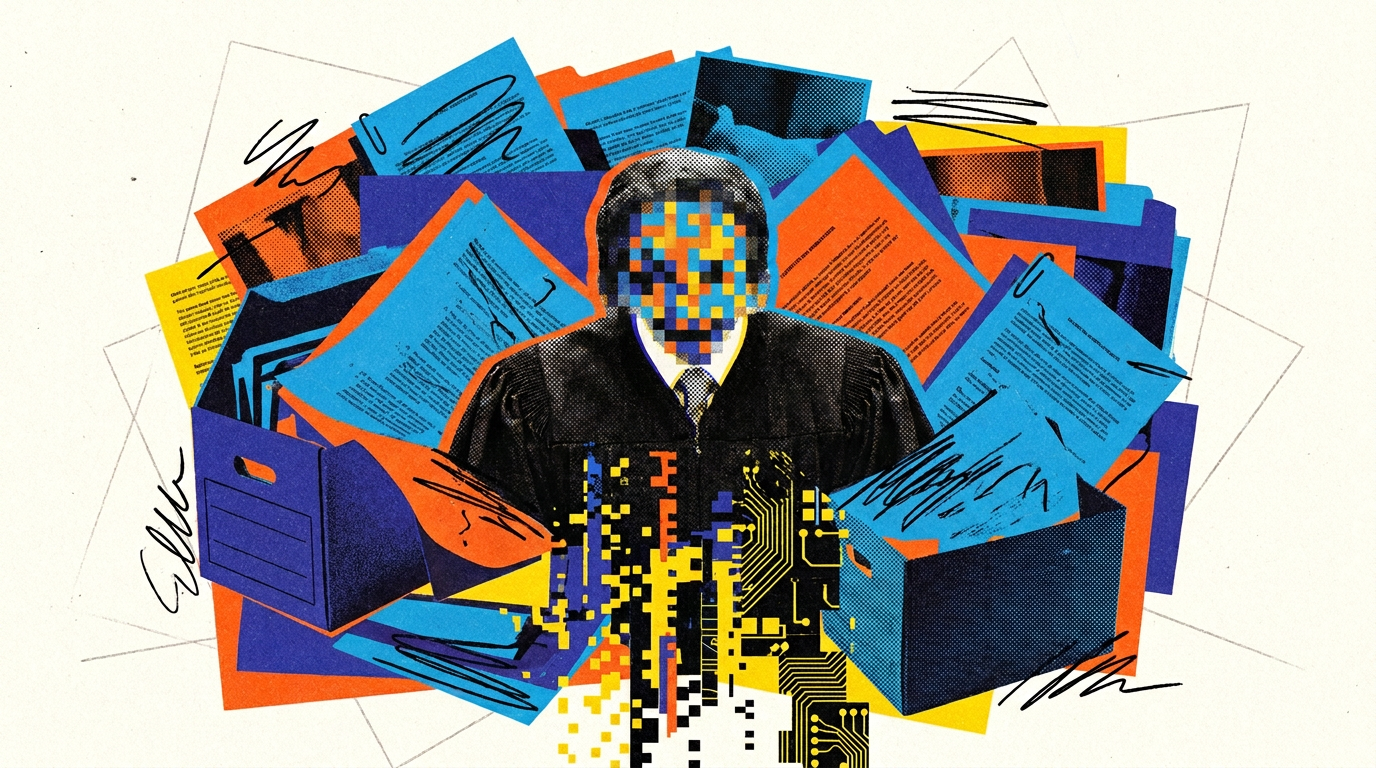
Australia’s Fair Work Commission has announced a review of its processes to cope with what it described as an estimated 70% workload increase over three years, driven in part by the proliferation of generative AI assistance tools. The commission, which handles unfair dismissal claims, wage disputes, discrimination, bullying, and workplace sexual harassment, said the surge is directly affecting its ability to provide timely dispute resolution, according to a statement published on Friday.
The numbers tell the story. The commission received 44,039 lodgments between July 2025 and April 2026, with two months still remaining in the financial year. The full 2024–25 year saw a record 44,075 lodgments. The commission is on pace to exceed that record by a significant margin.
How AI changes what gets filed
The commission attributed the increase to several factors: more people representing themselves in workplace cases, budget constraints, resourcing challenges, and the spread of generative AI tools that make it easy to produce polished-sounding but often generic content. The implication is that AI is lowering the barrier to filing a claim, enabling people who might previously have decided a case was not worth pursuing to generate a detailed submission in minutes.