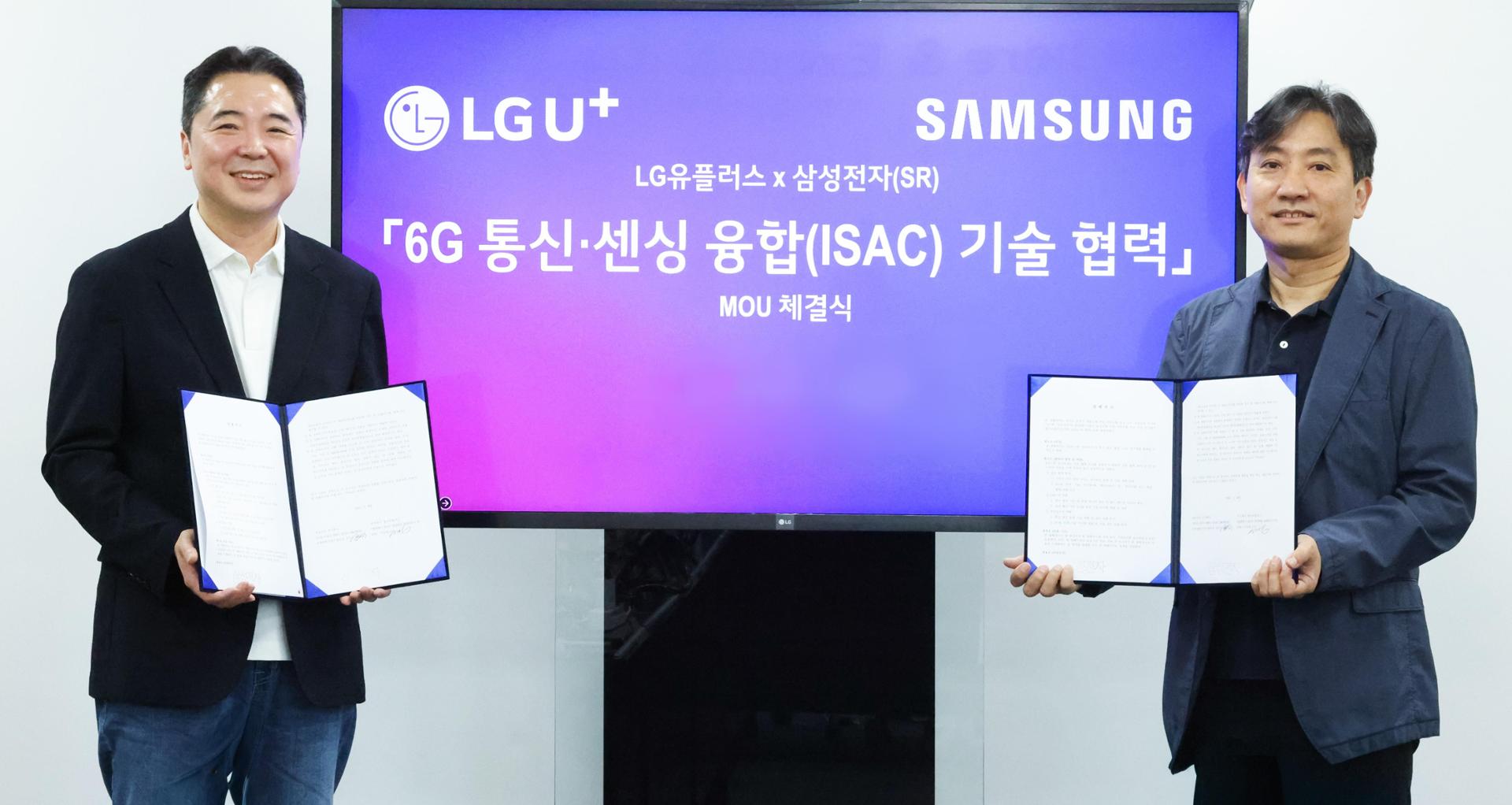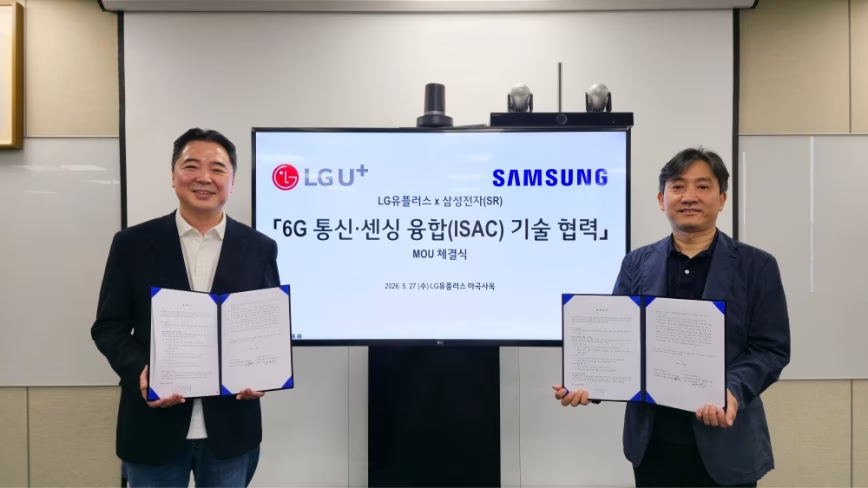
Samsung Electronics and LG Uplus signed a memorandum of understanding on 27 May to jointly develop Integrated Sensing and Communication, or ISAC, a technology that would allow mobile network base stations to double as environmental sensors. The agreement was signed at LG Science Park in Magok, Seoul, with Samsung Research, the advanced R&D division within Samsung’s Device eXperience unit, leading the development effort.
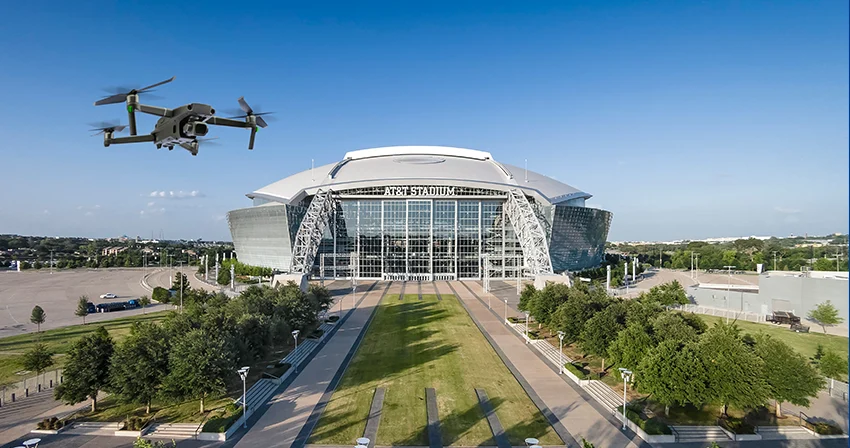
ISAC works by analysing wireless signals as they reflect off nearby objects, extracting information about an object’s speed, distance, and direction of movement. In practical terms, it means a cell tower could detect a drone, track a vehicle, or monitor foot traffic without any dedicated sensing hardware. The technology uses the same signals that already carry voice and data, turning existing communications infrastructure into a sensing platform.
Why it matters
Environmental sensing today relies on dedicated equipment. LiDAR systems use laser light to measure distance, while radar uses radio waves. Both require separate hardware that must be installed, powered, and maintained independently of the communications network. ISAC eliminates that requirement by piggybacking sensing on the wireless infrastructure that mobile operators have already built.