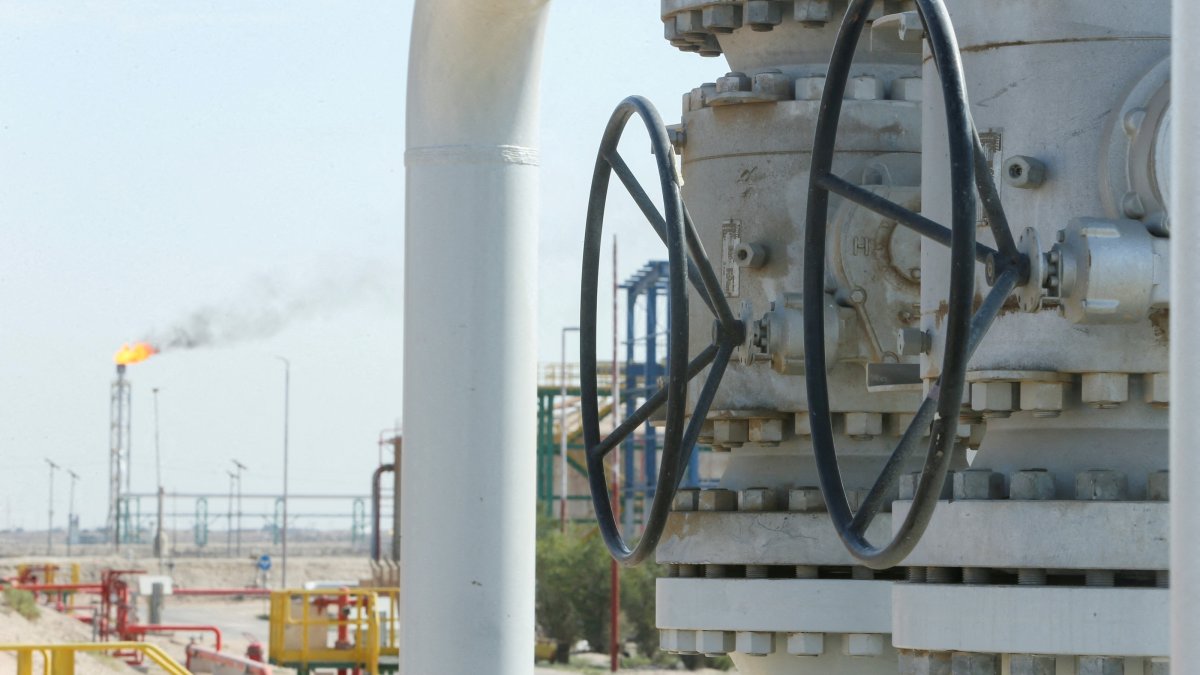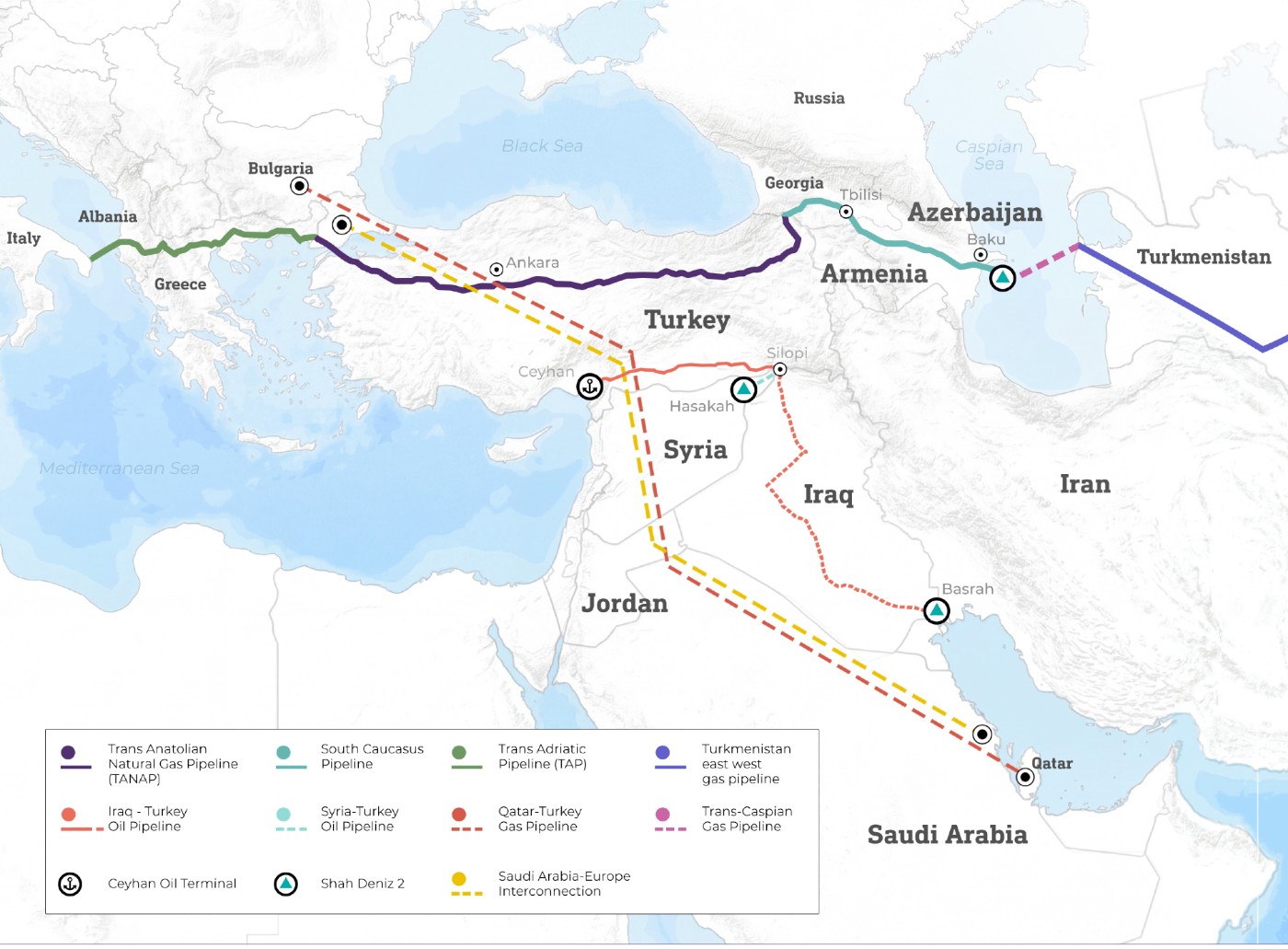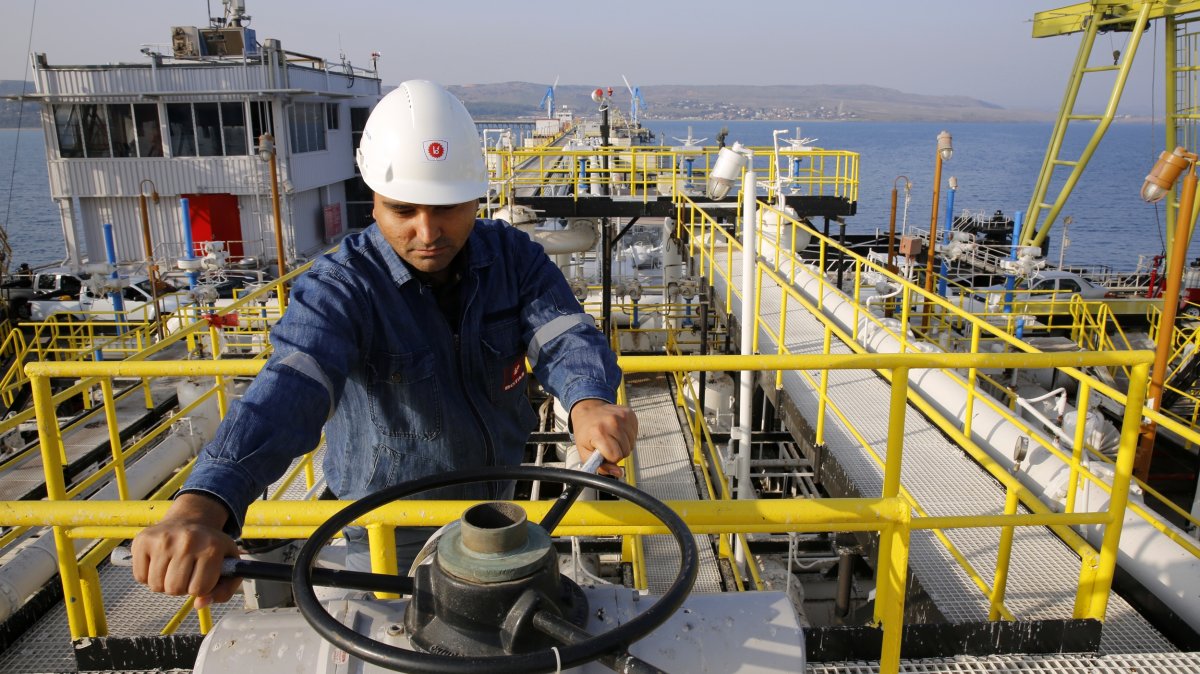
Diversified supply routes and infrastructure assets have helped Türkiye maintain energy stability despite disruptions around the Strait of Hormuz, while also reinforcing its position as a key link between producers and European markets.
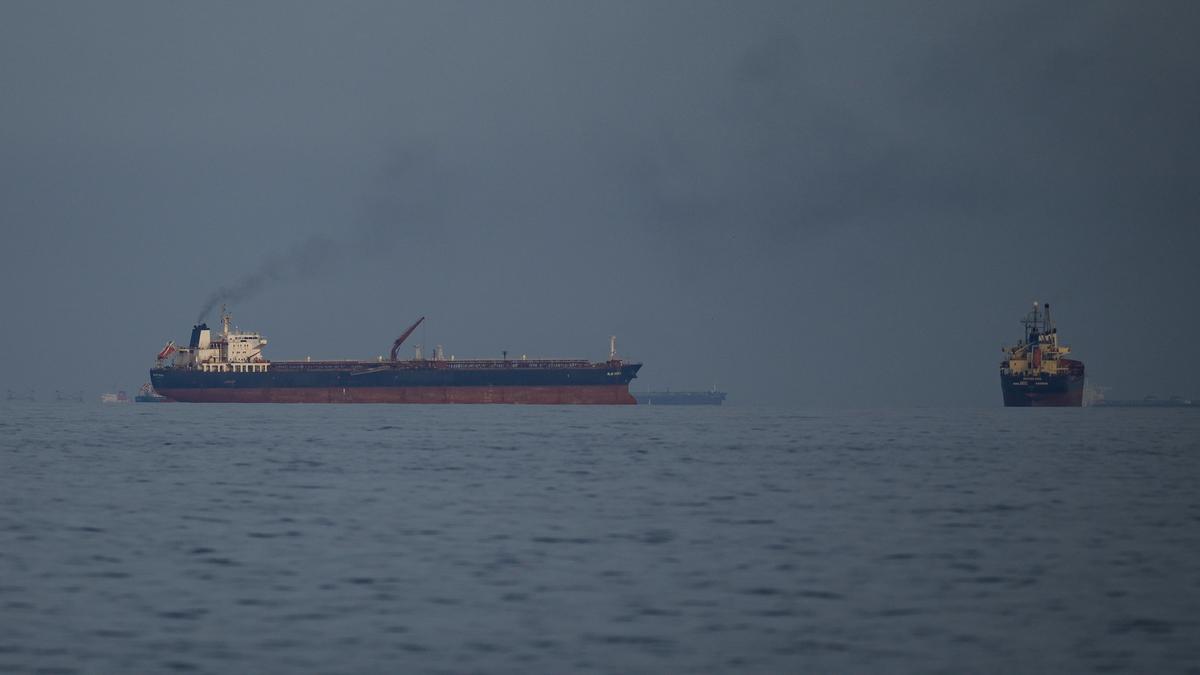
The key transit route for roughly a fifth of the world's oil and liquefied natural gas supply, the Strait of Hormuz was effectively shut after the U.S. and Israel launched strikes on Iran in late February, causing what is described as the biggest energy crisis ever, which sent global prices higher.
Data compiled from the Energy Market Regulatory Authority (EPDK) indicates that Türkiye’s supply structure remained broadly stable in the first quarter of the year.
Natural gas imports reached 19.2 billion cubic meters (bcm) in the January-March period, while crude oil and petroleum product imports totaled 3.32 million tons.
The U.S., Russia and Azerbaijan remained the leading suppliers of gas. In January, the U.S. accounted for approximately 35.7% of imports, followed closely by Russia at 35% and Azerbaijan at 13.4%. In February, the U.S. retained the top position, while Russia regained the lead in March.