From the perspective of the global energy architecture, systems dependent on a single strait or a single maritime route are no longer considered sustainable. Instead, multi-corridor structures based on alternative routes that can support one another and remain operational during crises are becoming increasingly prominent. This approach defines energy security not only through supply volumes but also through the continuity of flows. The geopolitical risks created by the Strait of Hormuz have revealed the necessity of making the energy system more resilient. This necessity has transformed the development of alternative energy routes from a policy option into a strategic requirement.
In the traditional understanding of energy geopolitics, countries were generally divided into three categories: producer countries, consumer countries and transit countries. Today, however, this distinction is becoming increasingly blurred, particularly as transit countries acquire a new role and evolve into central actors within the energy system.
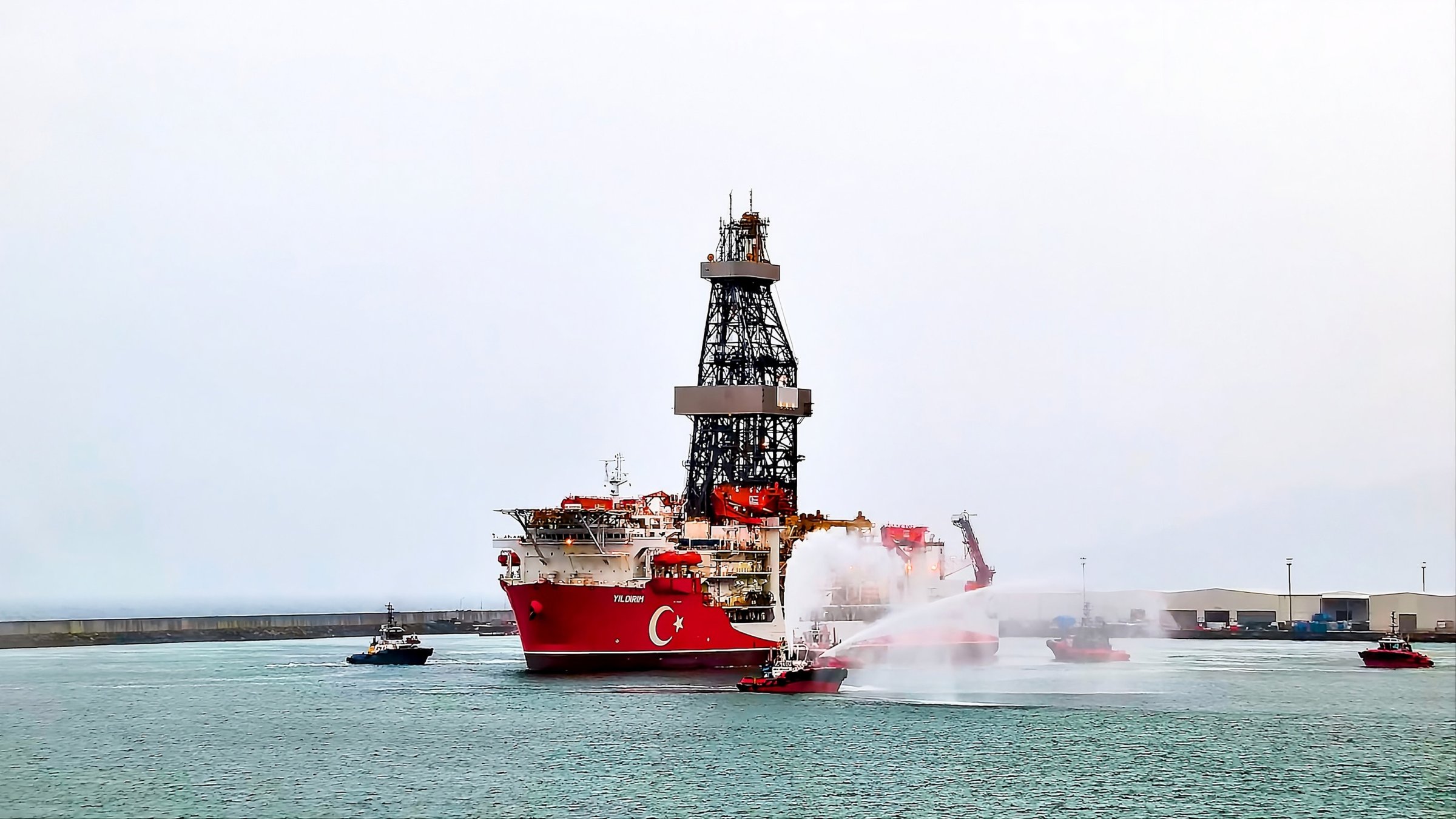
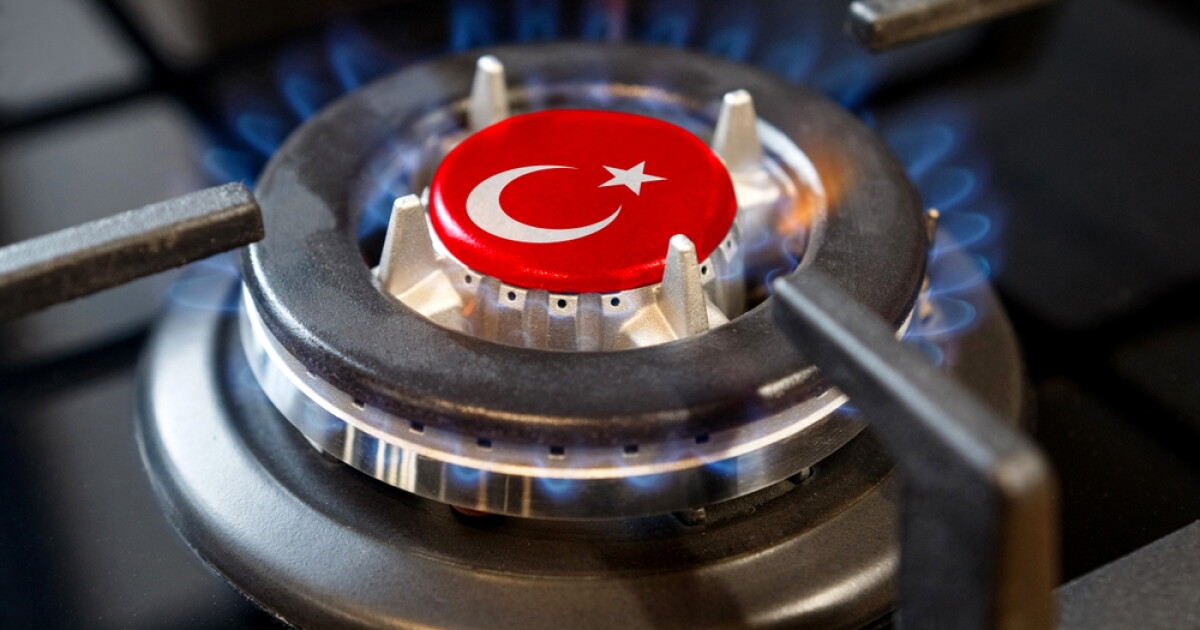
Türkiye is one of the most striking examples of this transformation. Due to its geographical position, serving as a natural bridge between the Middle East, the Caspian Basin and Europe, Türkiye was for many years defined in the energy literature as a transit country. However, the global energy crises following 2022, the Russia-Ukraine war and the increasing risks surrounding critical chokepoints such as the Strait of Hormuz have redefined Türkiye’s role. At this stage, Türkiye is no longer merely a transit country but also a potential physical energy hub capable of directing and diversifying energy flows while indirectly influencing price formation.