The ongoing geopolitical crises, from the Ukraine-Russia conflict to the U.S.-Iran war, have shown once again that energy security is not a concept that can be reduced to its availability or oil supply. Today, when we speak of resilience in terms of energy, we must proactively include other factors that include liquified natural gas (LNG) infrastructure, cybersecurity, digital systems, electricity grids and, of course, strategic minerals and battery supply chains. Moreover, connectivity and diversification of routes are at the heart of energy security and resilience.
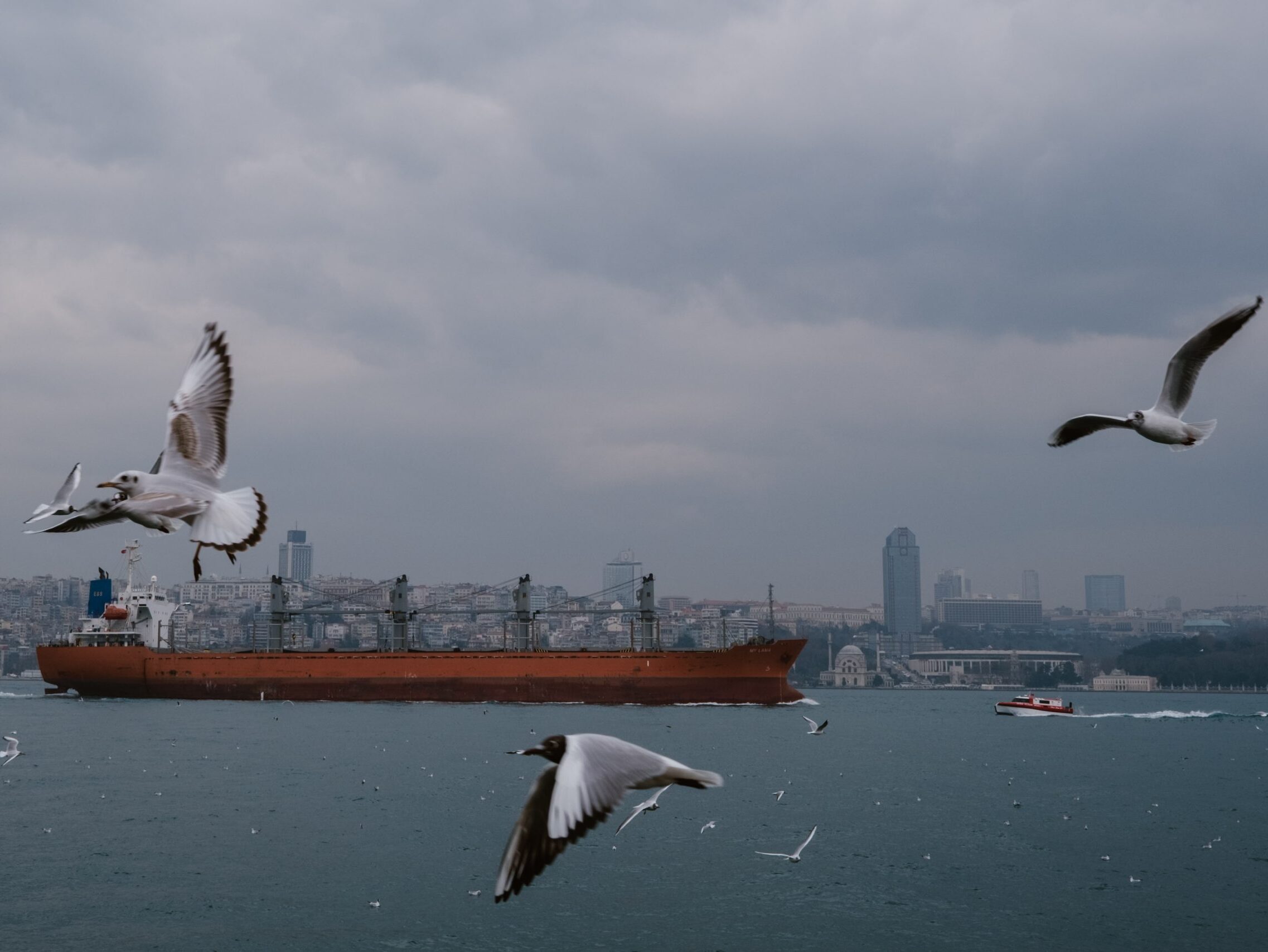
The importance of connectivity and the availability of alternative routes for energy resilience has been clearly demonstrated to the international community by the deadlock in the Hormuz Strait, where more than 2,000 vessels have been unable to deliver shipments.
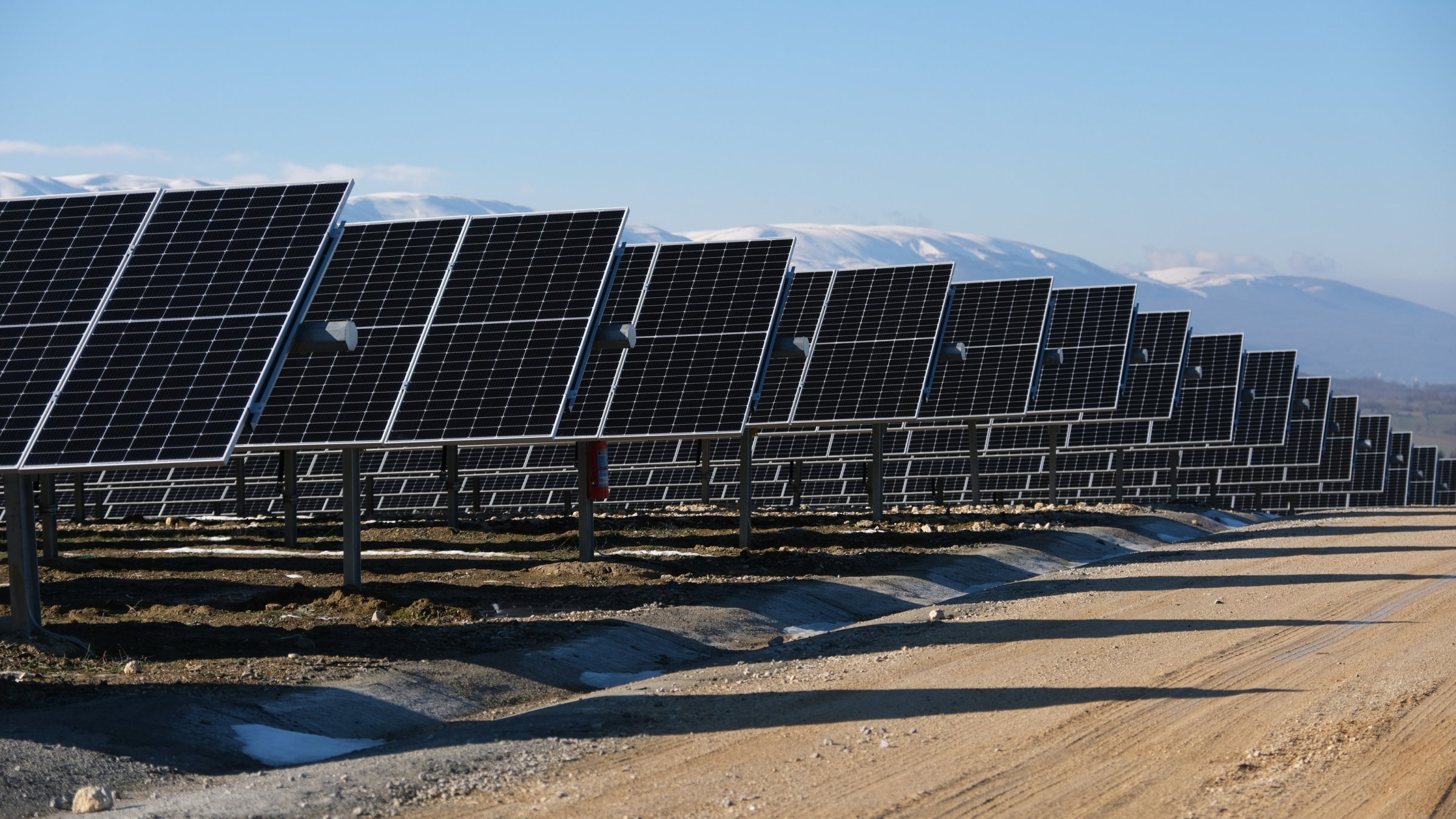
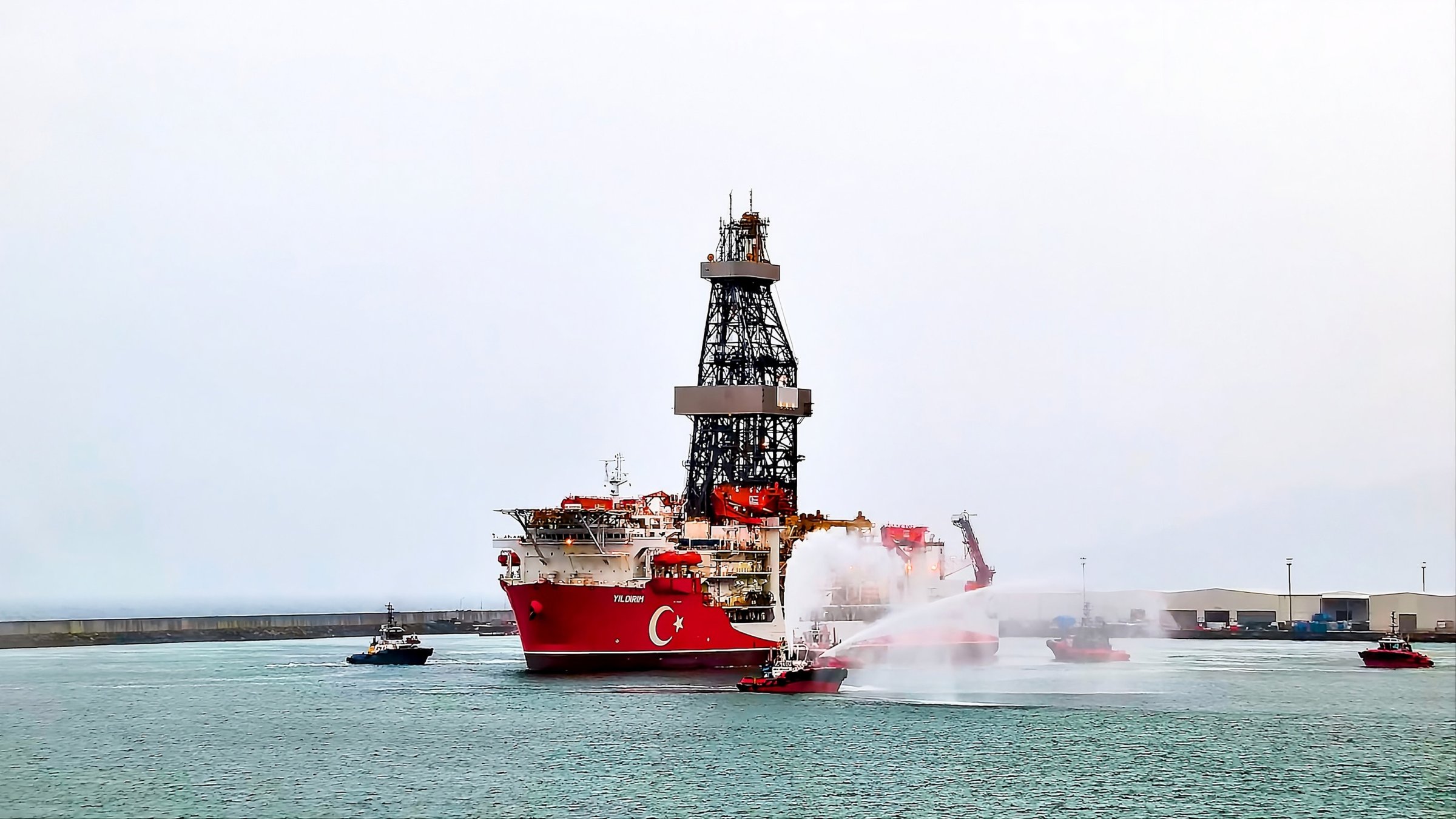
As an energy-dependent country, Türkiye has already diversified its energy sources through investments in renewables, nuclear power plants, offshore exploration and the diversification of its energy imports by source country.
Moreover, Türkiye has already been a hub in terms of connectivity, be it in trade and transportation or as a corridor for energy supply. Now, Türkiye can play a critical role in alleviating the pressure on global energy markets amid the crisis in Hormuz. First of all, a pipeline that will allow Turkmen natural gas, which has been discussed for years, to travel from the Caspian Sea to Türkiye and from Türkiye to Europe. Ankara believes this pipeline will not only create an alternative source for Türkiye, but it will also significantly contribute to Europe's energy supply security.