By Bitcoin Suisse
The Iran conflict has been serious by any conventional measure, carrying real implications for energy supply, inflation, and regional stability. And yet markets seem to have absorbed it as a contained, transitory event rather than a regime-changing shock. The SPX/TLT ratio broke decisively higher in the weeks that followed, with equities outperforming long-duration Treasuries at the precise moment the standard defensive rotation into bonds would have predicted the reverse. All the while Bitcoin's institutional bid returned and spot ETF inflows turned positive. Both reflect a market verdict that remains, for now, unchallenged.
What the data reveals
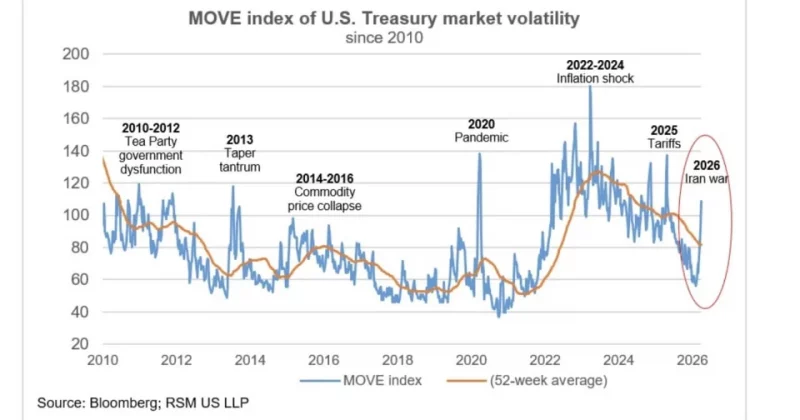
As the conflict escalated, an initial bid into Treasuries materialized, before reversing quickly as energy-linked inflation expectations lifted yields and duration came under pressure. The price action suggests bond markets absorbed the shock as an inflation event rather than a growth deterioration event, with rates repricing higher rather than positioning for recession. Fixed income lost its defensive leadership at the moment it was expected to provide it.
Equity resilience held throughout, supported by sector composition effects — energy, defense, and materials, each with direct exposure to the conflict's underlying drivers — alongside equities' structurally lower sensitivity to rising yields relative to long-duration bonds. Having recovered from the sharp drop triggered by Liberation Day tariff stress earlier in the year, the SPX/TLT ratio broke decisively higher through the Middle East escalation. In each case, markets returned to favoring earnings-linked assets over nominal duration exposure.