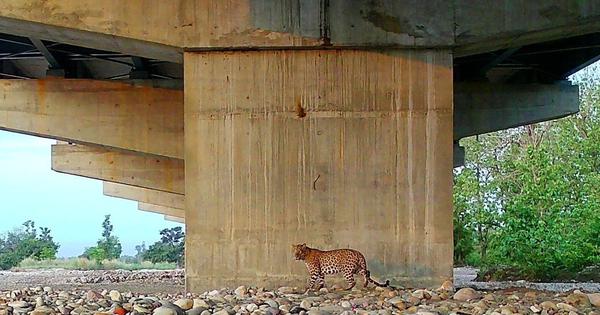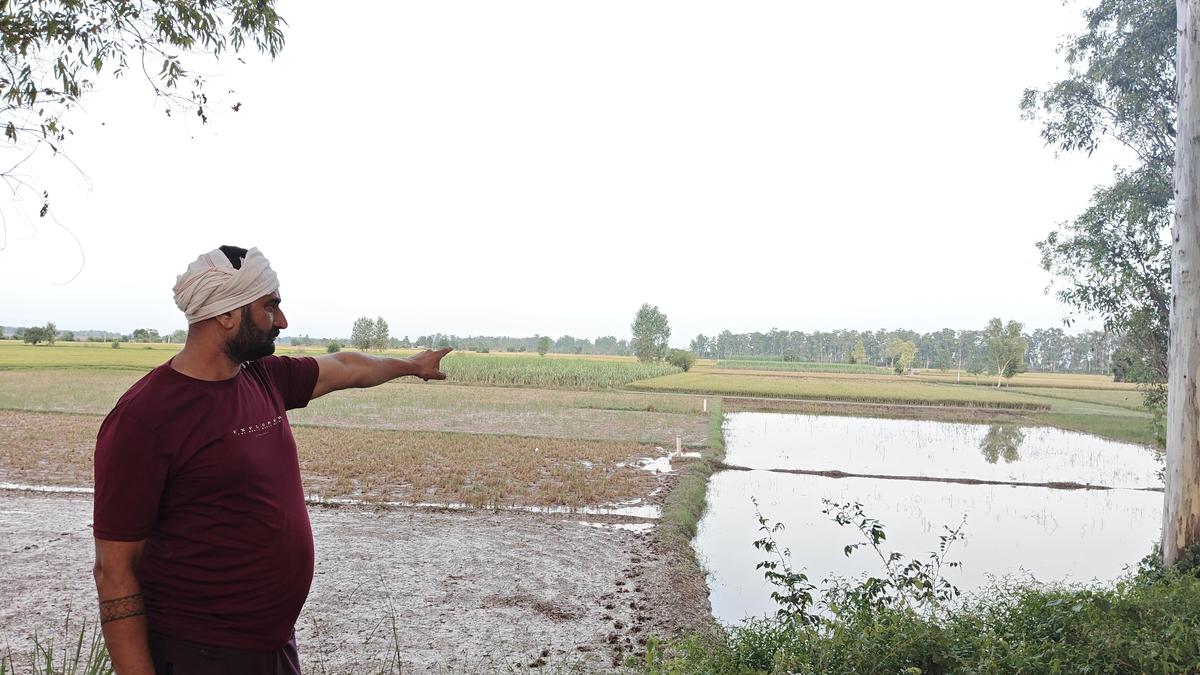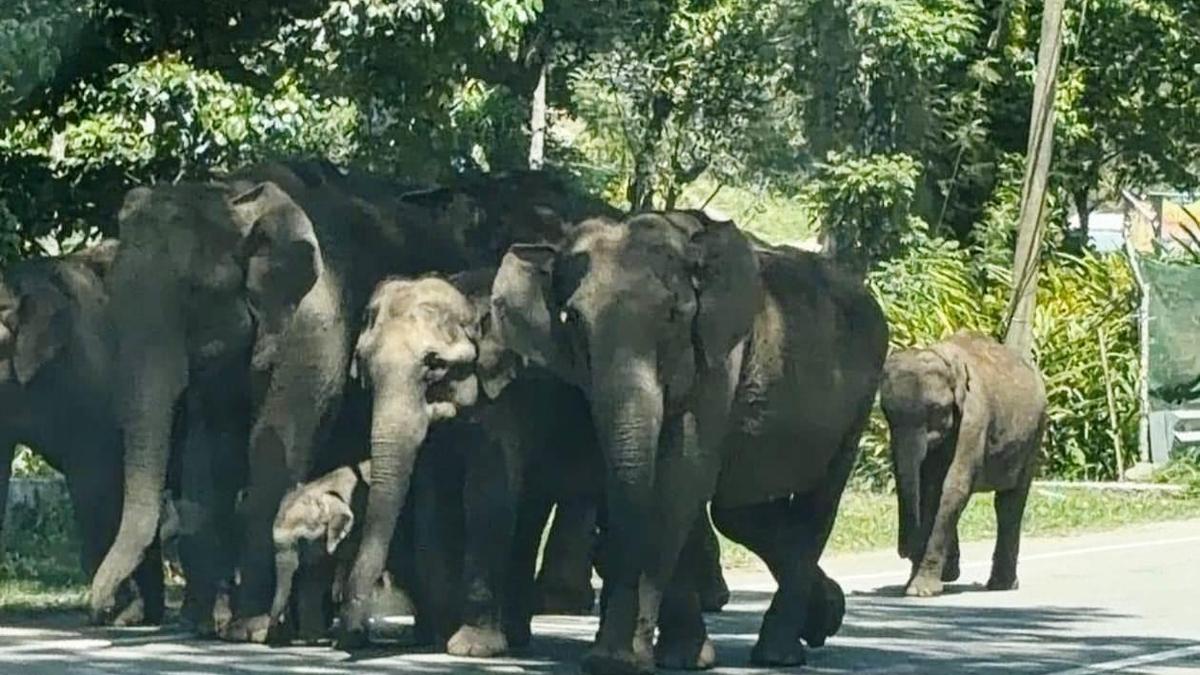
New Delhi, In a first, the Delhi government may soon introduce a compensation policy for people who suffer loss of life, injuries, livestock losses or damage to crops and property due to encounters with wild animals, according to officials.Delhi may soon introduce first-ever compensation policy for human-wildlife conflict victimsThe draft of the framework, being prepared by the Delhi Forest and Wildlife Department, is in the final stages and will soon be sent for approval, officials aware of the matter told PTI.If implemented, it would be the first dedicated compensation framework in Delhi for victims of human-wildlife conflict, covering a range of losses caused by wild animals in and around the city, they added."The compensation framework may cover a range of losses and damages caused by wild animals, including loss of human life, permanent disability or major injuries to people, loss of cattle, injuries to livestock, damage to crops and fruit-bearing plants, as well as damage to property," an official said.The proposal is currently in its initial stages and several aspects, including compensation amounts and eligibility criteria, are yet to be finalised, the official said."The amount that will be given as compensation and other aspects are yet to be decided. The proposal is under discussion and will require various approvals before it can be implemented," the official said.The officials said the move is aimed at ensuring that people affected by wildlife-related incidents are not left to bear losses on their own while also helping reduce friction between local communities and conservation efforts."Both people and wildlife are equally important. While the framework is aimed at providing support to affected families, it is also expected to help reduce human-wildlife conflict by encouraging better cooperation between local communities and authorities and supporting preventive measures," the official said.The Centre already provides ex-gratia norms under wildlife-related schemes, including compensation for deaths, grievous injuries and crop losses caused by wild animals, though implementation largely rests with states and Union Territories.However, Delhi does not currently have a dedicated compensation framework tailored to its specific requirements, the officials said."Delhi as such does not have a specific framework yet. This proposal seeks to bridge that gap and create a structured mechanism for addressing losses caused by wildlife," the official said.Certain parts of the national capital witness recurring instances of human-wildlife conflict because of their proximity to forested areas, biodiversity parks and the Yamuna floodplains."Areas such as Jagatpur village in north Delhi and regions with agricultural activity and cattle grazing near the Yamuna banks are often affected by human-wildlife conflict," an official said.Residents in these areas have reported incidents involving injuries to people, attacks on livestock and damage to crops caused by wild animals."There have been incidents of people getting injured and cattle being attacked during leopard sightings in Jagatpur. Similarly, nilgais often damage standing crops near the Yamuna floodplains. To address such issues and ensure affected residents receive support, this framework is being prepared," the official said.Among the reported incidents, an adult leopard entered the Jagatpur area in 2024, sparking panic after it strayed into residential neighbourhoods and injured several people.The animal was suspected to have wandered from the nearby Yamuna Biodiversity Park before becoming trapped inside a house. Forest officials later launched a rescue operation that lasted nearly five hours before tranquilising and safely capturing the leopard. The area also witnessed reports of cattle being attacked by the big cat around the same period.An attack on cattle was also reported in the area last year, with residents alleging that livestock had been targeted by the wild animal. The incidents had heightened fears among villagers, who depend on farming and livestock rearing for their livelihood.The officials said compensation mechanisms have been adopted in several states like Maharashtra and Rajasthan as a means of balancing conservation objectives with the interests of communities living in areas prone to wildlife encounters."People are more likely to cooperate with wildlife authorities and conservation efforts when there is a system in place to address losses arising from such incidents. The aim is to create a balanced approach that protects both people and wildlife," the official said.The officials said consultations on the proposal are expected to continue before a final framework is prepared and placed before the competent authorities for approval.This article was generated from an automated news agency feed without modifications to text.
Delhi may soon introduce first-ever compensation policy for human-wildlife conflict victims
Delhi may soon introduce first-ever compensation policy for human-wildlife conflict victims | Latest News Delhi
717 words~3 min read