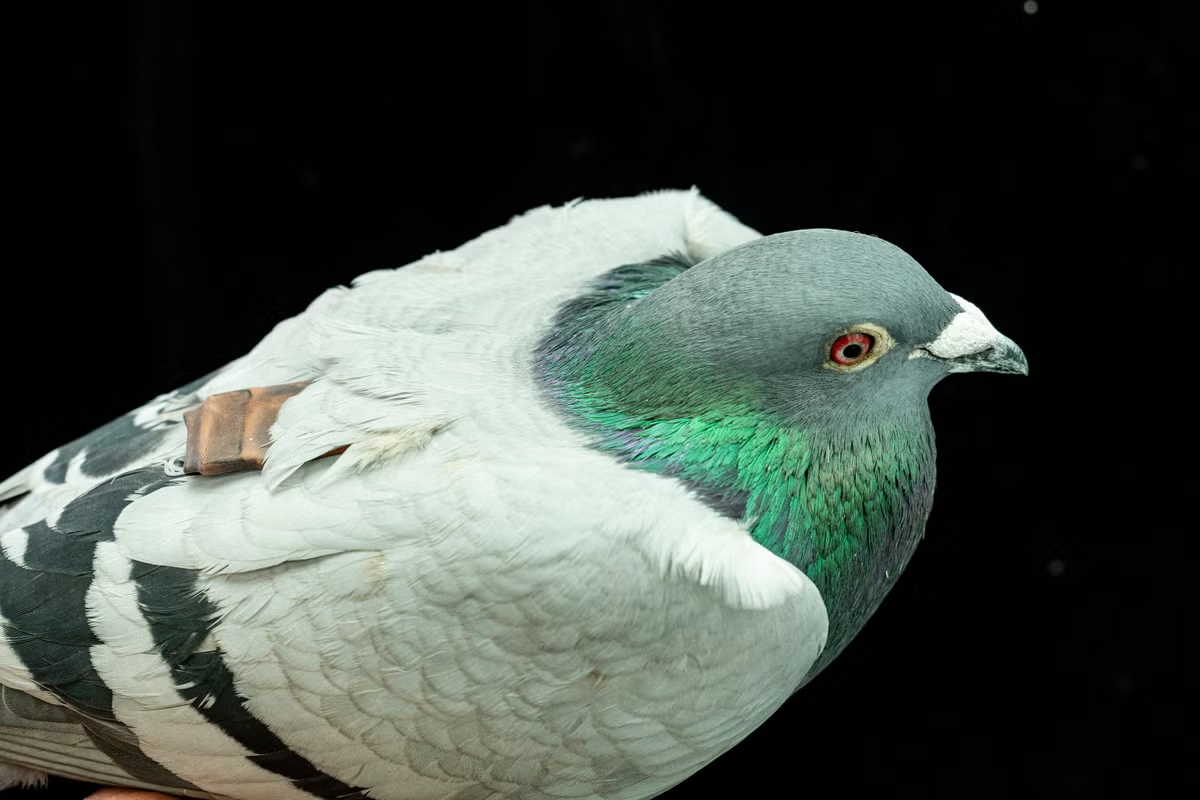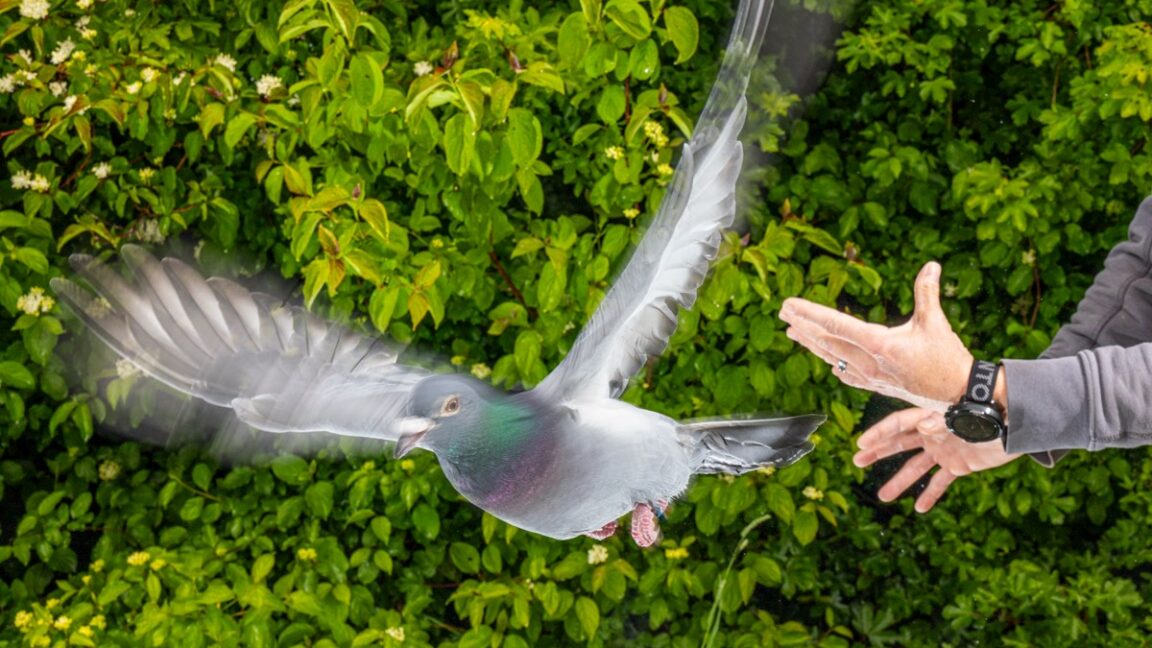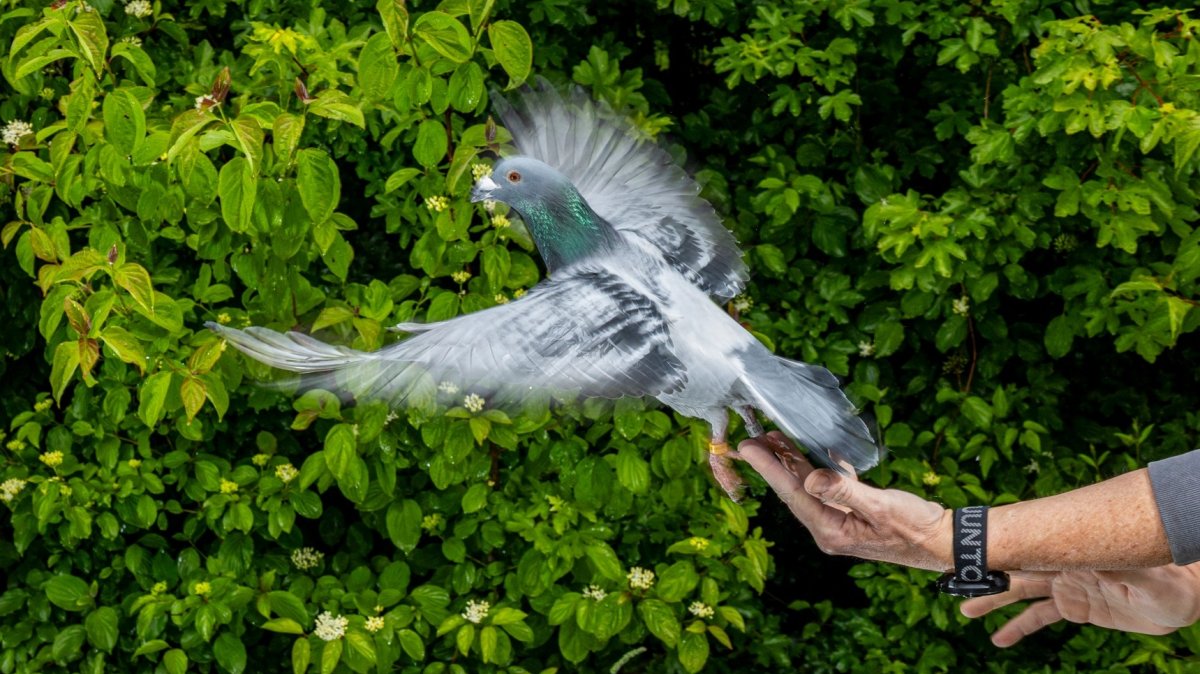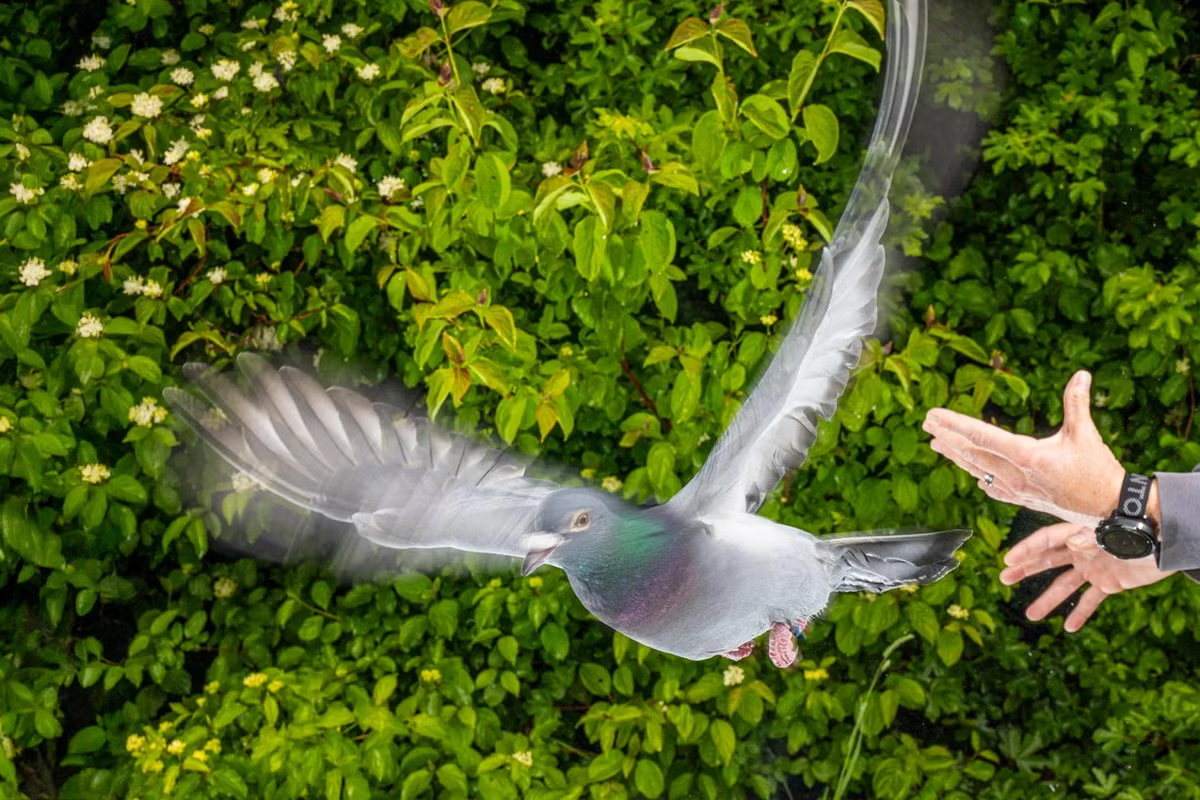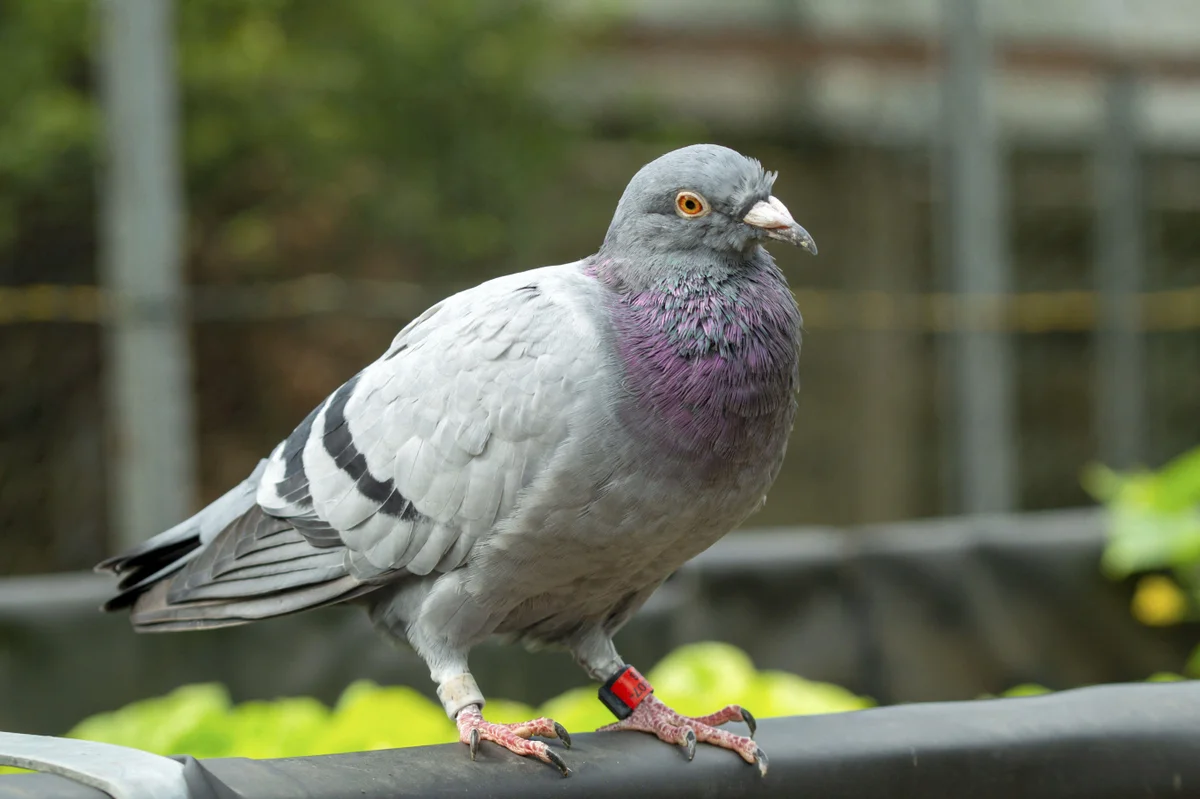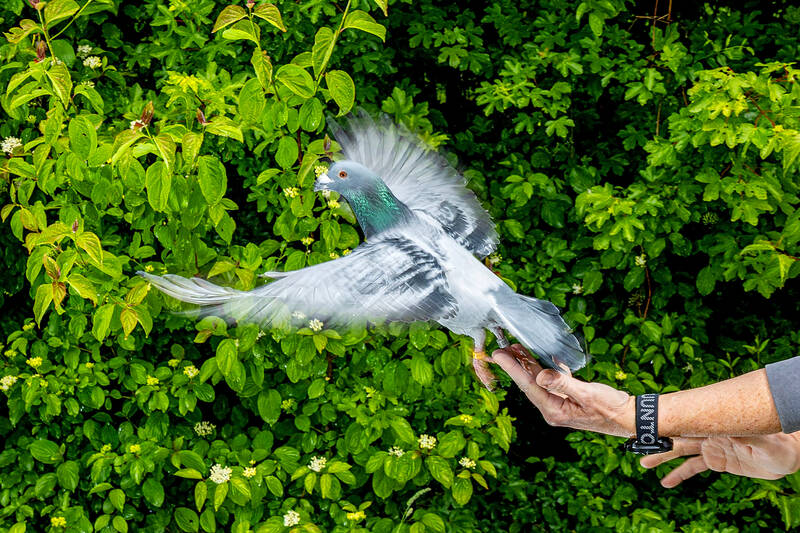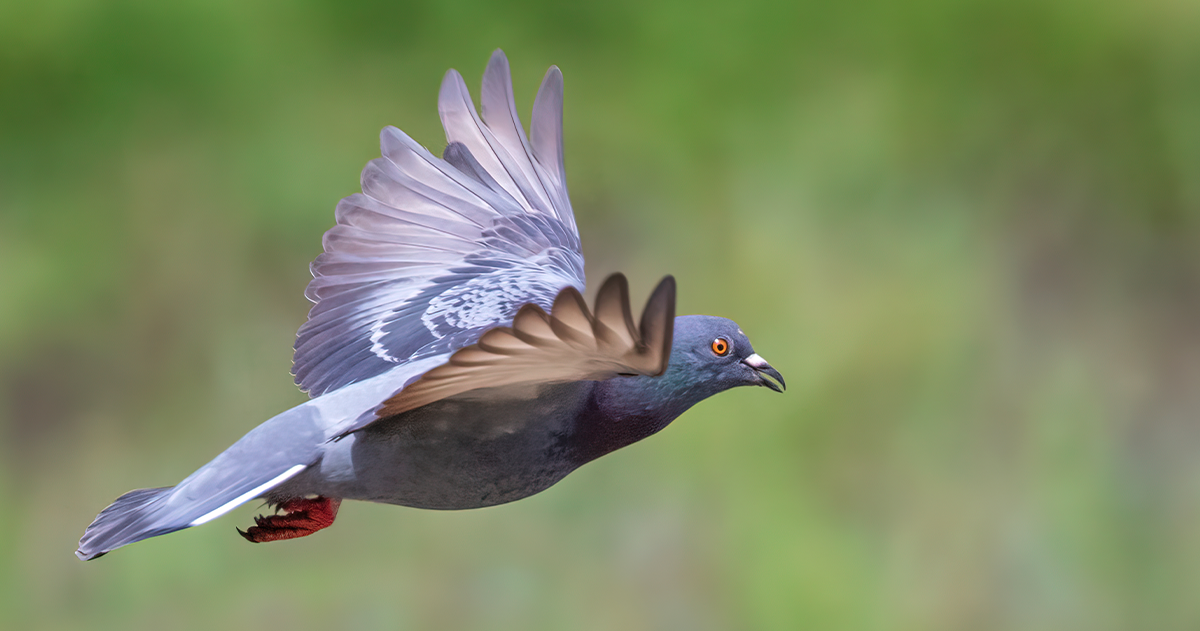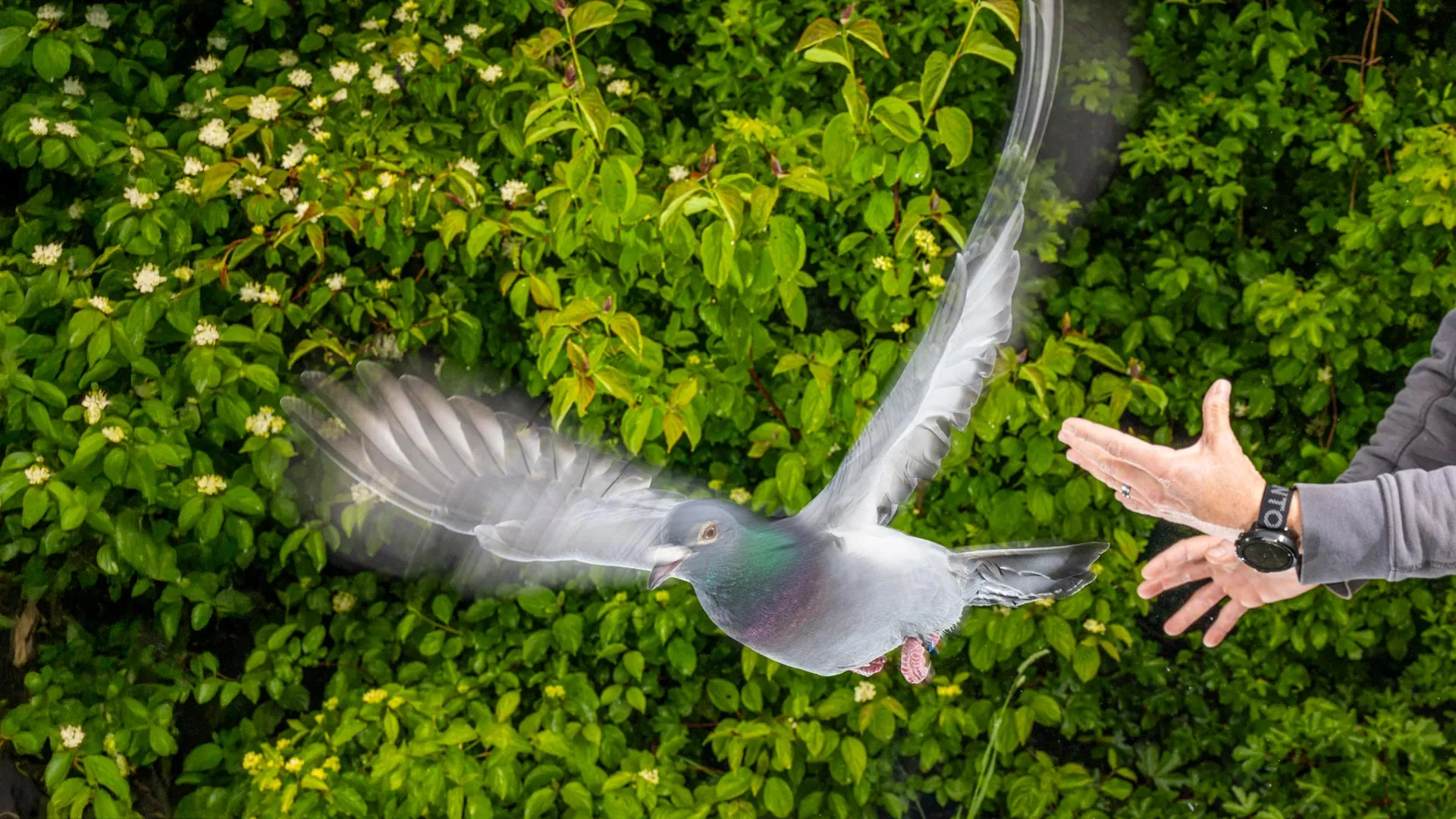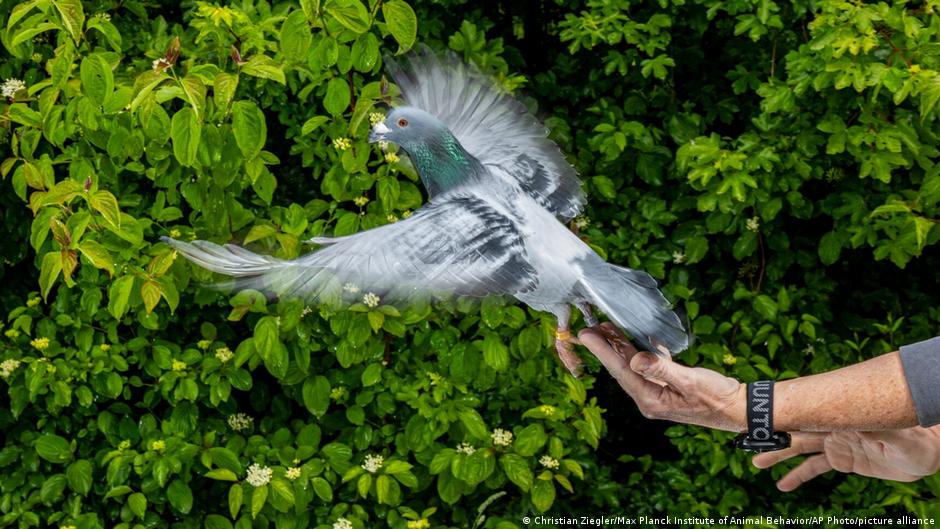
Day or night, rain or shine, wherever they're released, trained pigeons can find their way home over distances as high as almost 1,000 kilometers (around 600 miles).
It's a skill humans have made use of since time immemorial. And for around a century, scientists have known that magnetoreception plays a part in the birds' navigational cocktail.
A research team from the University of Bonn and the Max Planck Institute of Animal Behavior wrote in the journal Science this week that a core part of the secret to homing using magnetic fields may lie in the birds' livers.
India: Meet the woman passionate about pigeon racingTo view this video please enable JavaScript, and consider upgrading to a web browser that supports HTML5 video
What did the study find?