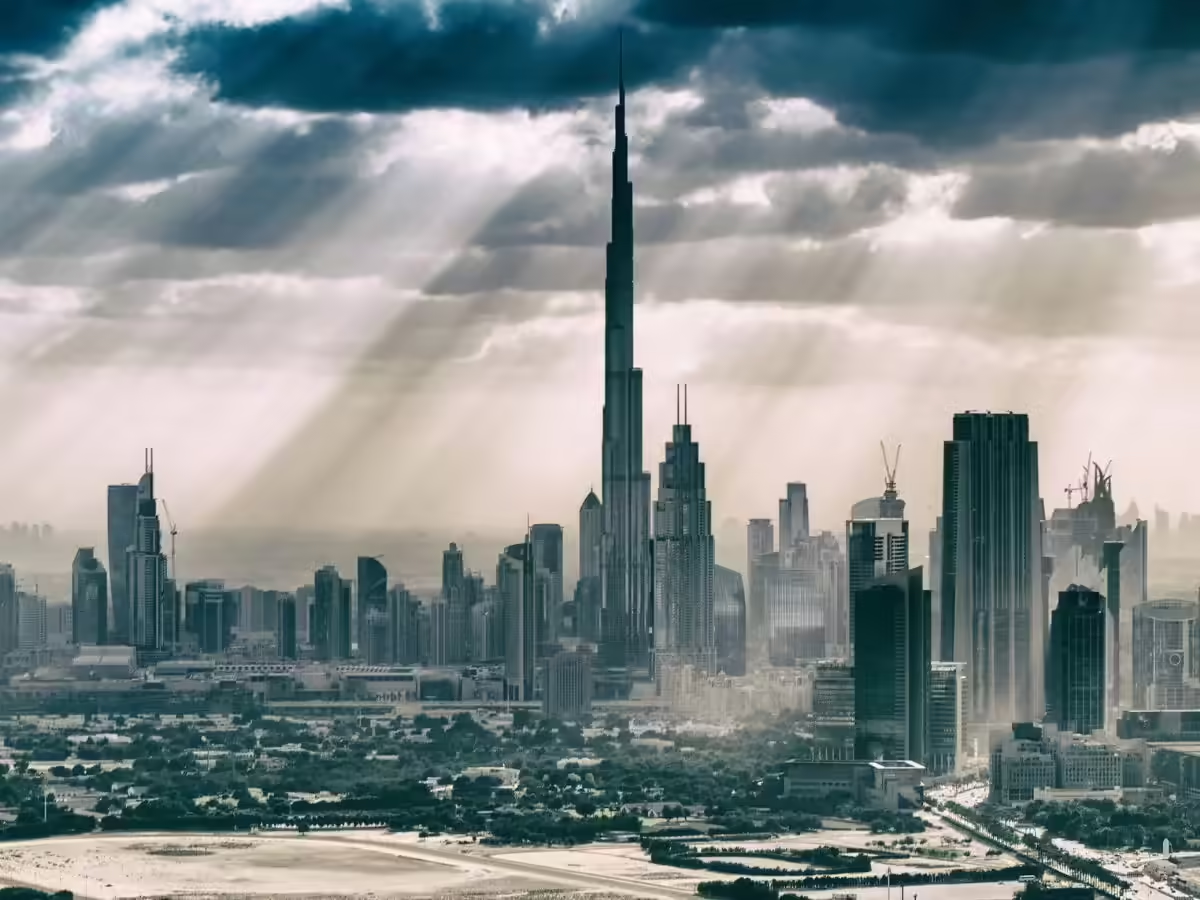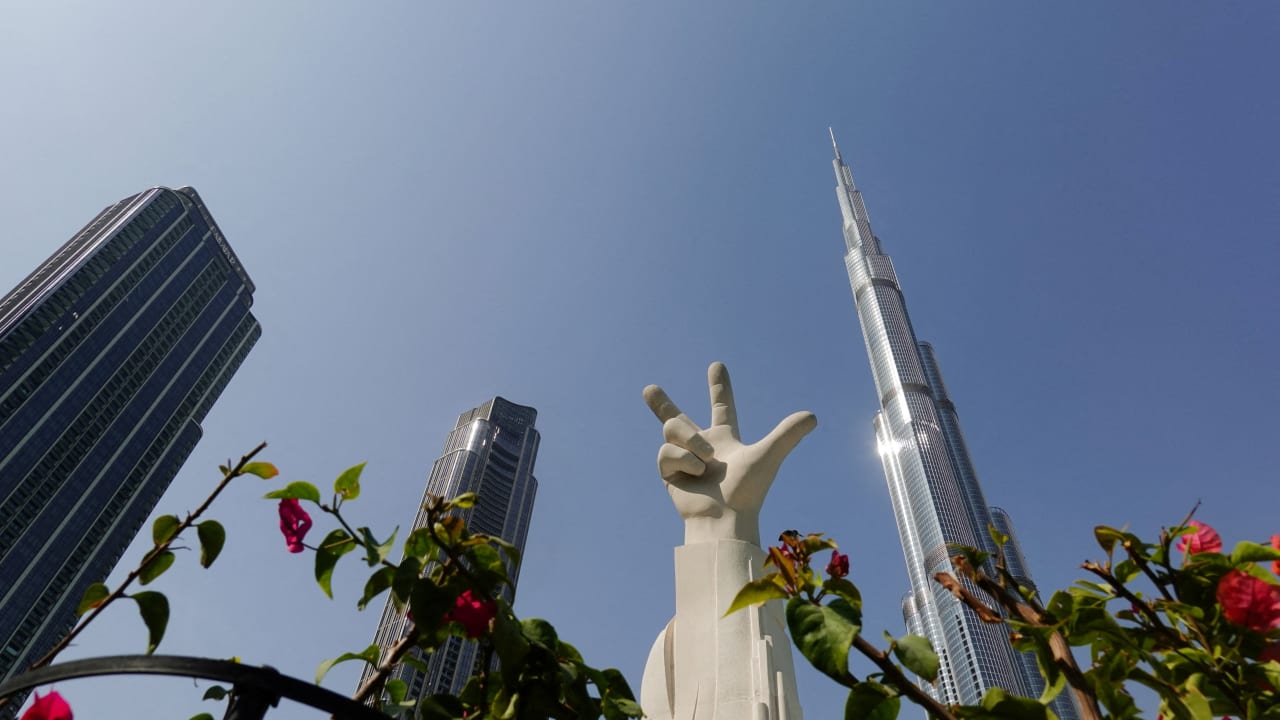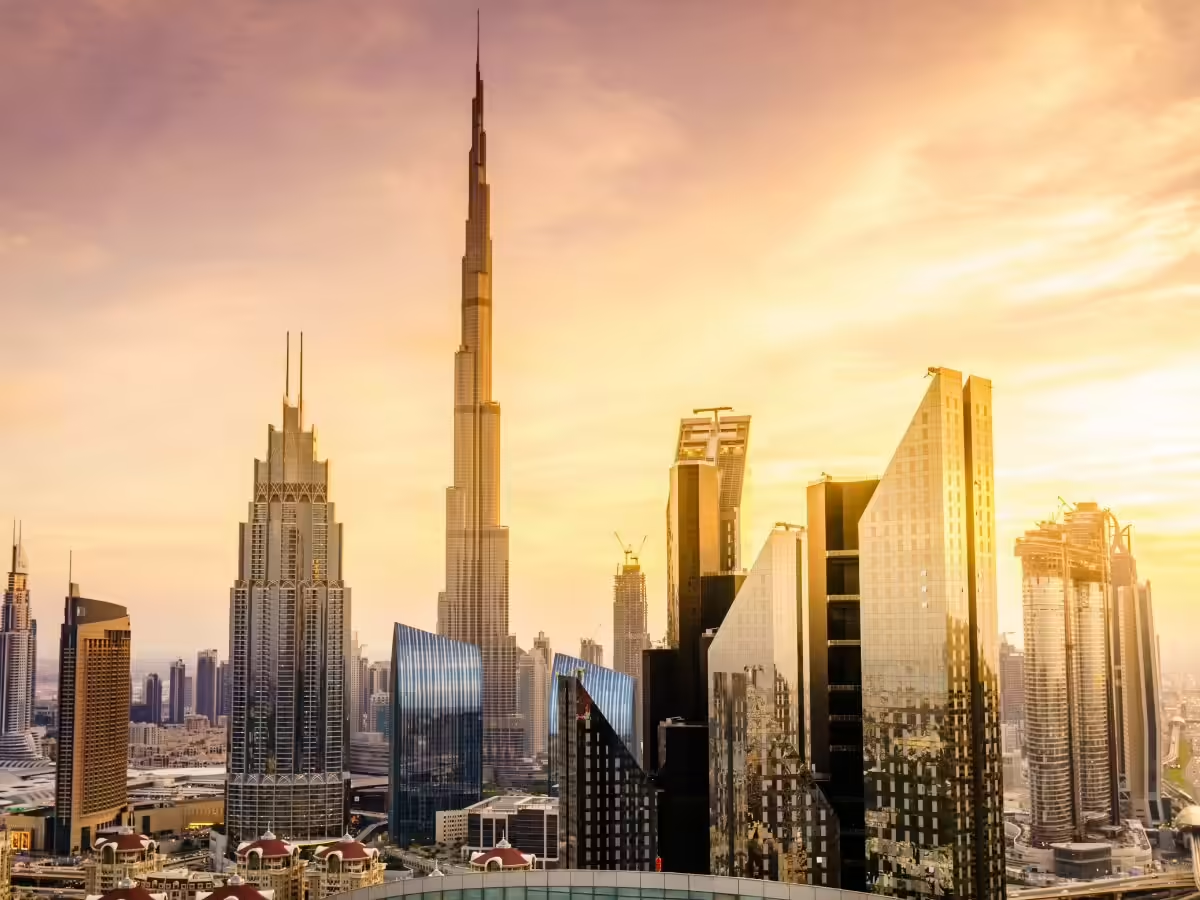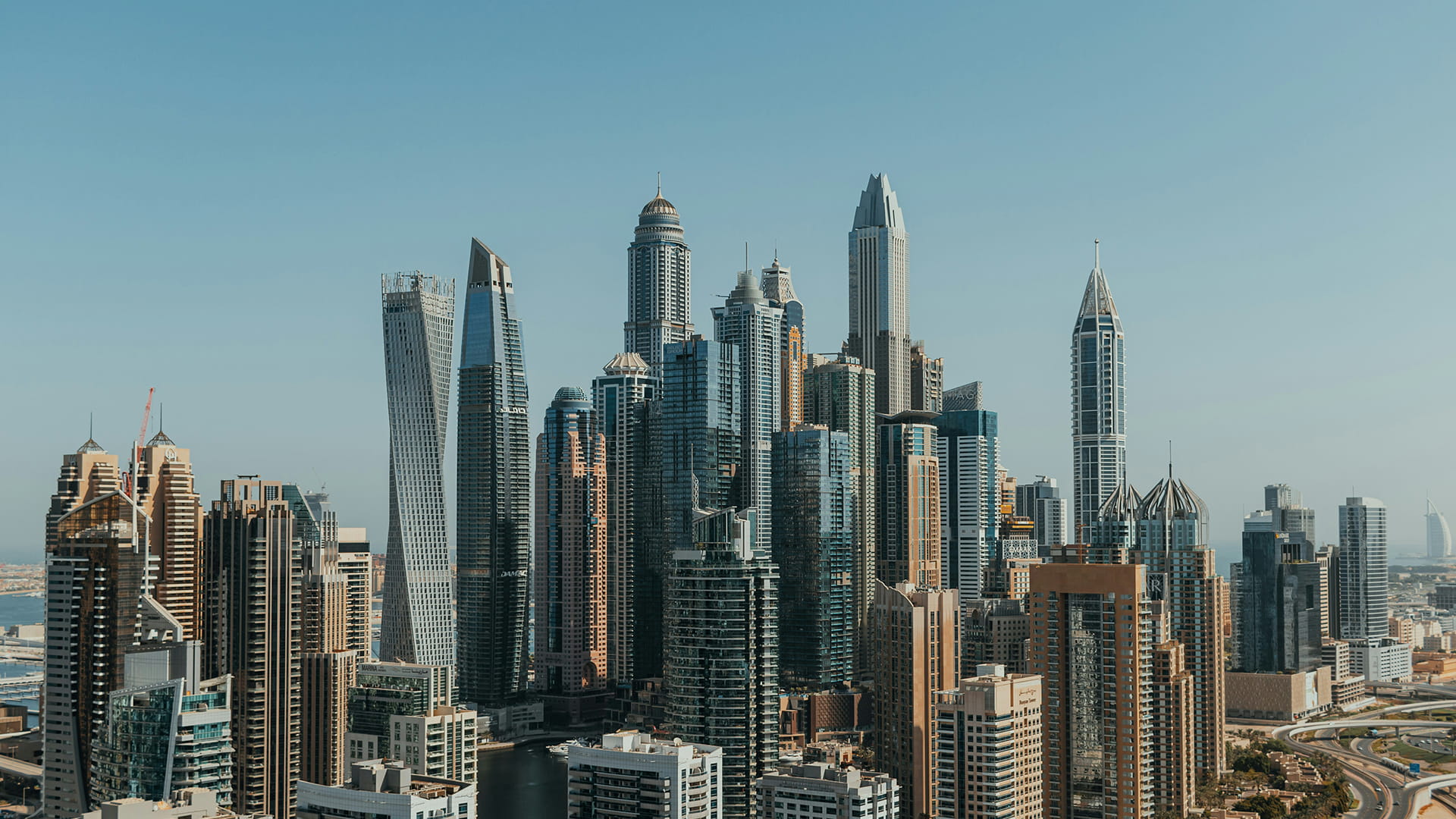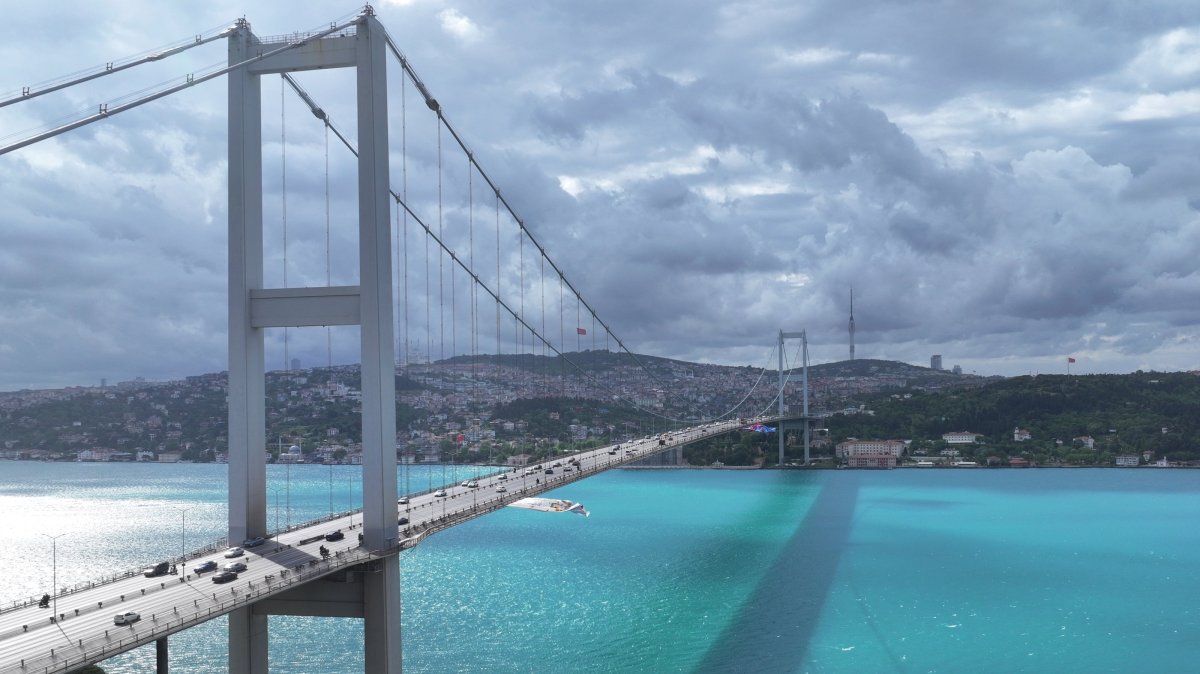
Dubai did not become Dubai by accident. At a critical moment in history, it offered something the region badly needed. Predictability. Investors knew what they were getting. The rules were clear and capital felt safe. Over time, that advantage turned into airports, skyscrapers, financial districts and eventually a global brand. That advantage is now facing pressure.
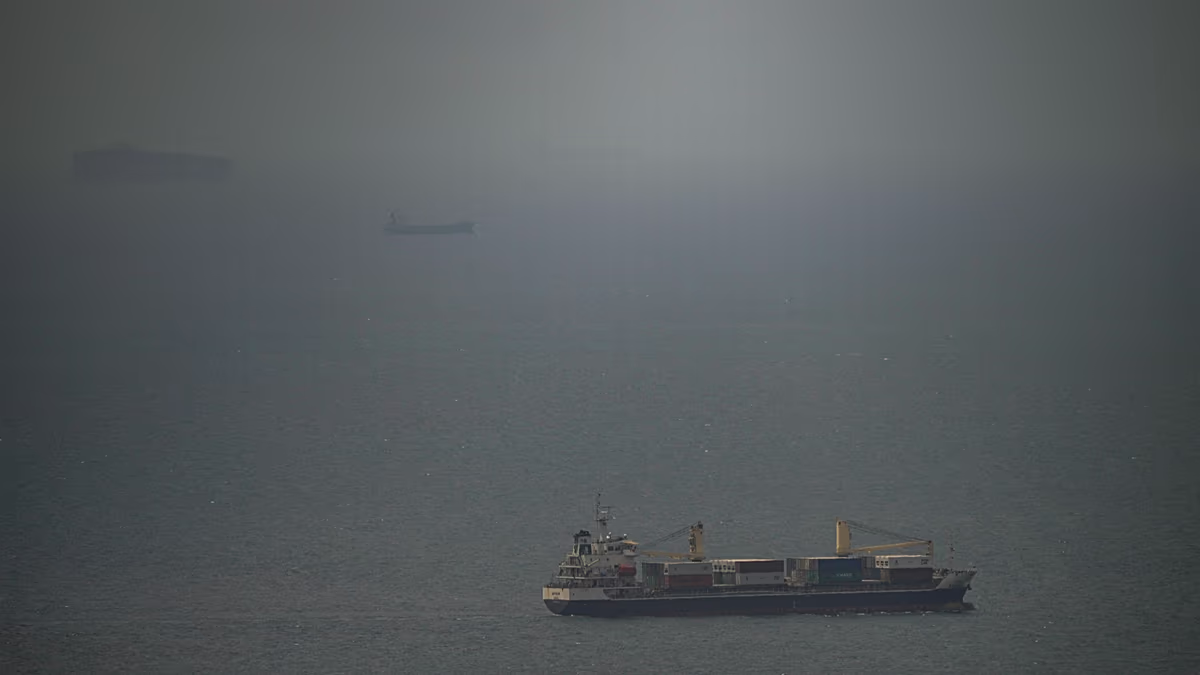
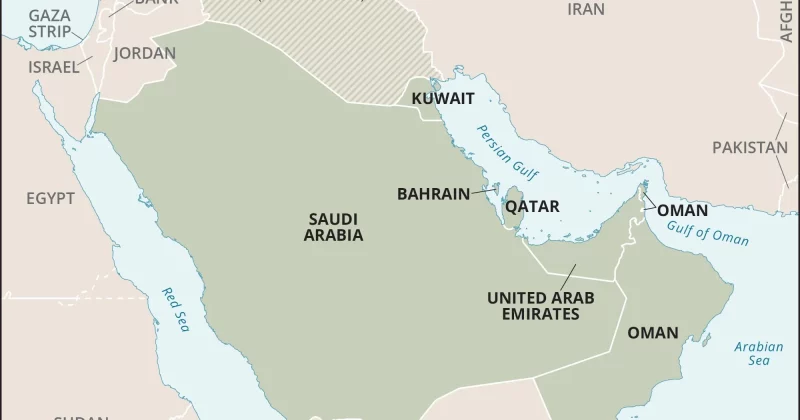
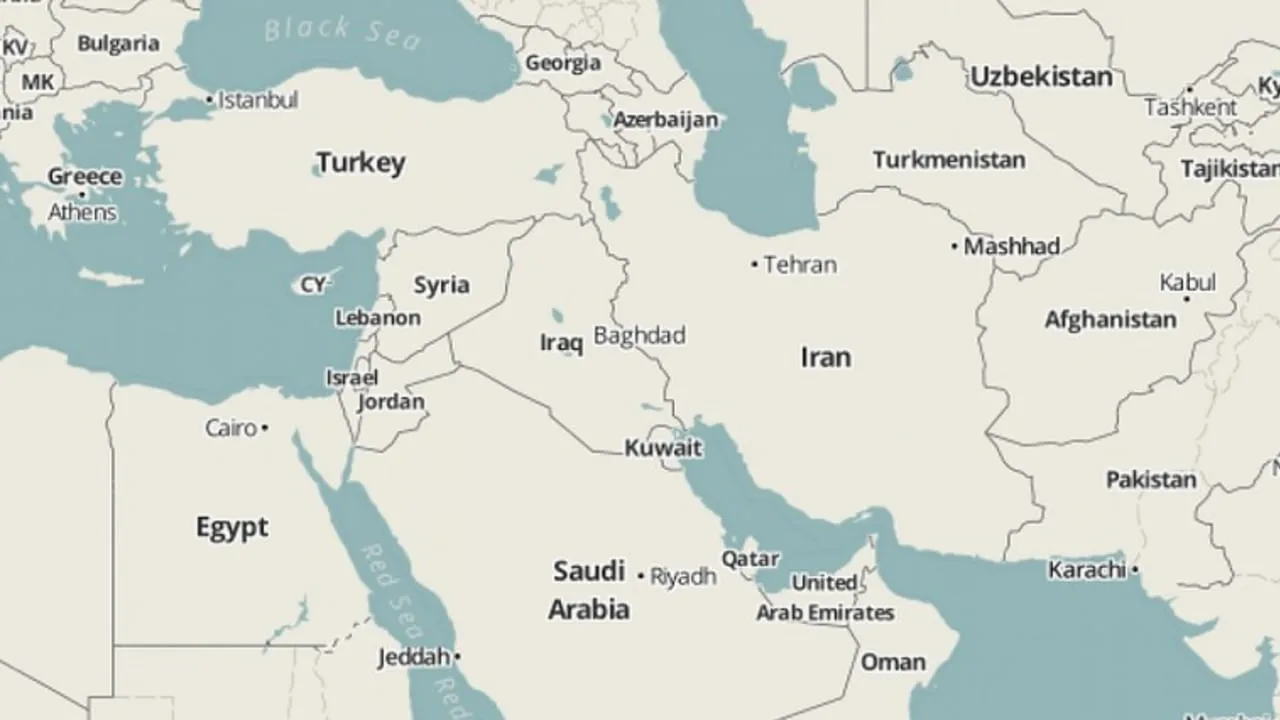
The conflict involving Iran is doing exactly what analysts and geopolitical observers have warned about for years. It is making the Gulf feel less predictable. Not dramatically or irreversibly, but enough for companies and investors in places like London, Singapore and Hong Kong to start quietly asking the same question: Where else? Türkiye increasingly looks like an answer.
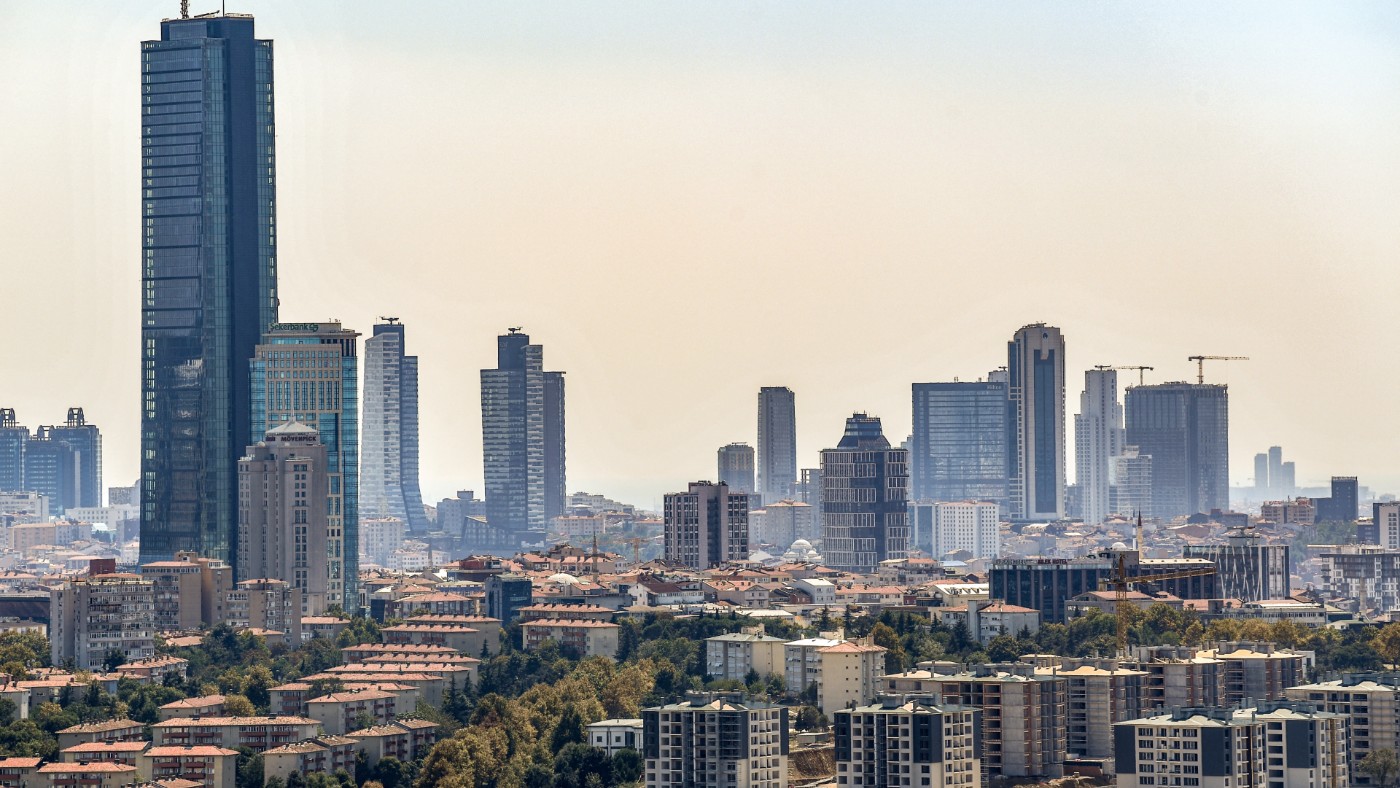
The argument for Istanbul as a regional hub is not new. It has appeared in policy papers and investment reports for years. What has changed is the environment around it. History offers a useful comparison. Singapore became Asia’s financial and logistics capital in the 1970s and 1980s, not simply because it outperformed everyone else on paper but because instability elsewhere in Southeast Asia suddenly made its stability, geography and connectivity indispensable. Investors rarely choose in a vacuum. They choose based on circumstances. Right now, the circumstances around the Gulf are shifting quickly, and Türkiye is beginning to look far more attractive.