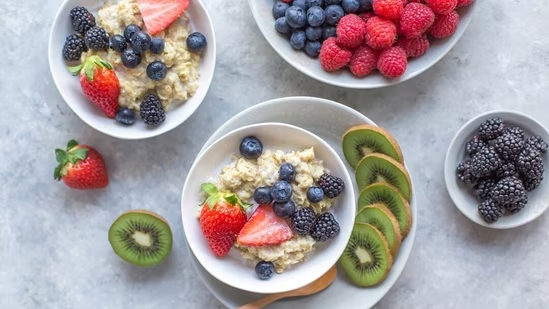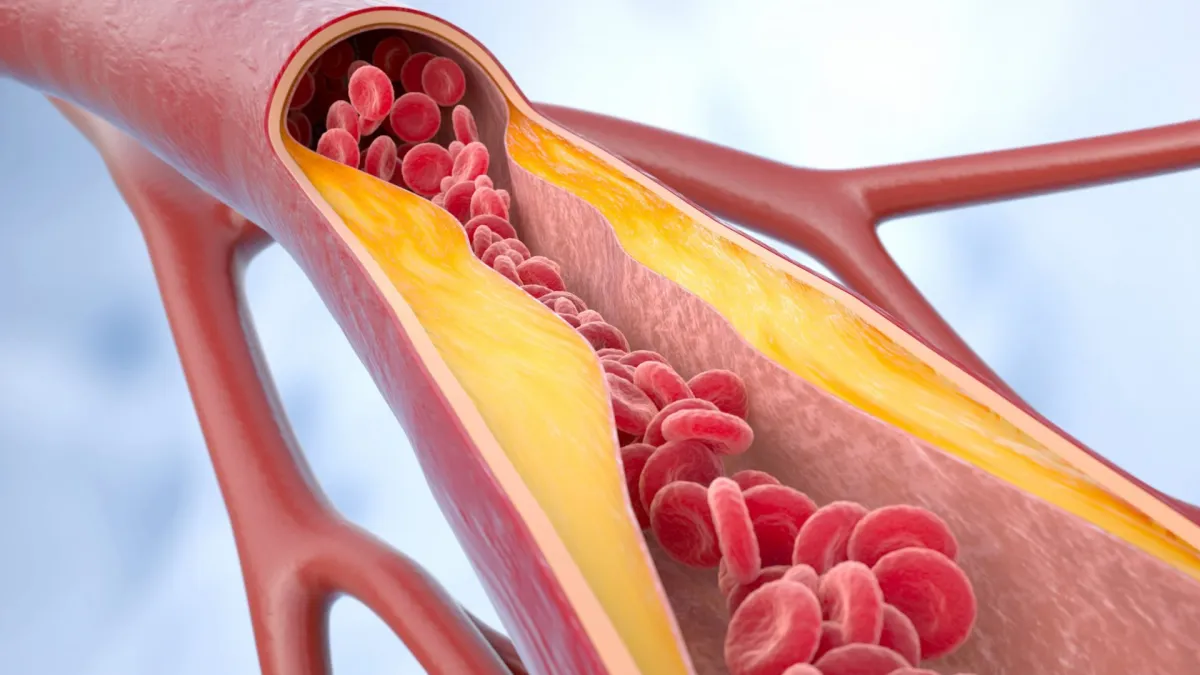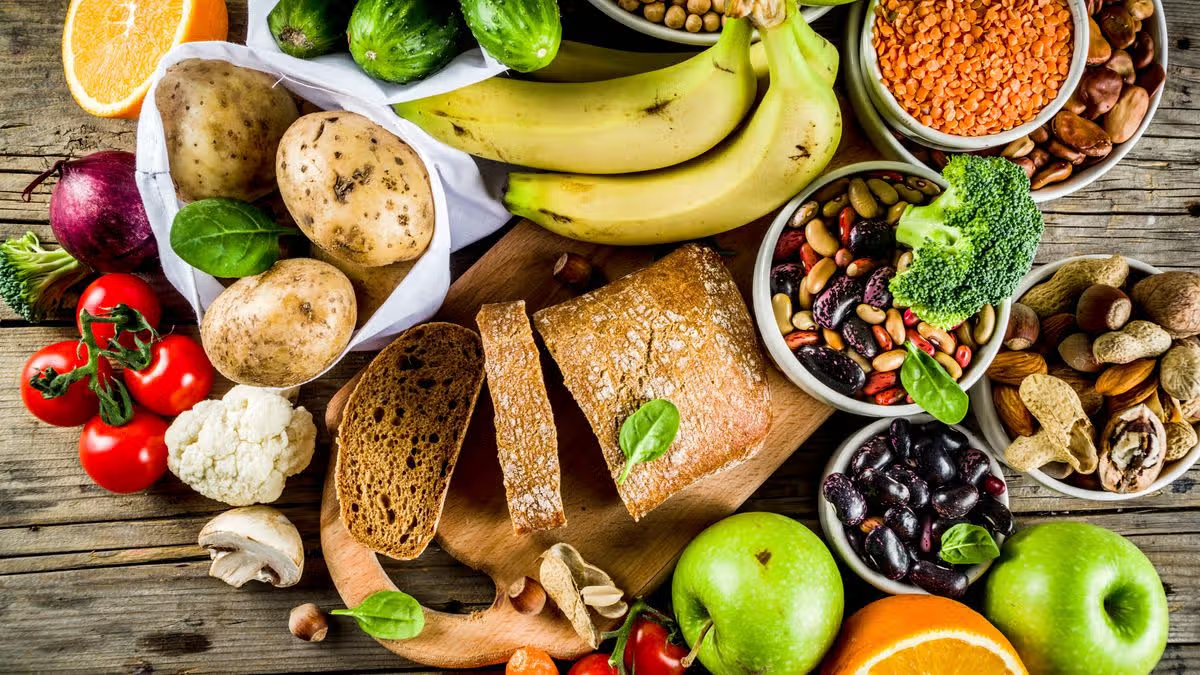
High cholesterol affects millions in the UK, but diet plays a huge part in managing the condition10:40, 29 May 2026Managing high cholesterol is a widespread health concern nationwide, with one in two people receiving a diagnosis, according to Heart UK. While most are given medication, lifestyle choices and diet are crucial in controlling the condition.You're more likely to get high cholesterol if you're over 50, a man, and you've been through the menopause, according to the NHS website. But anyone can get high cholesterol, even young, slim, and active people. Too much cholesterol can block your blood vessels and make you more likely to have heart problems or a stroke.NHS surgeon and online content creator Dr Karan Rajan says there are several key foods he would stock in his kitchen if he were managing high cholesterol. He believes these can help prepare meals or substitute unhealthy snacks that can quietly allow cholesterol levels to spiral.Content cannot be displayed without consent1. BerriesDr Rajan explained these are "rich in polyphenols", particularly anthocyanin, which boosts the production of bile acids. He noted that generating more of this means "more cholesterol is excreted"He continued: "These polyphenols also act as antioxidants, which can actually help the lining of the blood vessels. The polyphenols also limit the amount of LDL oxidation, which is bad cholesterol."Excellent choices to store in the fridge for nutritious snacks include strawberries, raspberries and blueberries. Shoppers can purchase these from most supermarkets, with some retailers offering reduced-price berries that are "wonky" but perfectly fine, reports the Express.2. SeedsDr Rajan explained that these contain beneficial fats, which "reduce intestinal cholesterol absorption" and "reduce liver fat synthesis". These compounds work together to lower "bad" LDL cholesterol while raising or protecting "good" HDL cholesterol.Chia, pumpkin, sesame and sunflower seeds are all excellent choices for managing cholesterol levels. To gain the maximum cholesterol-lowering benefits from these seeds, some recipes suggest blending them into oats or smoothies, or using them whole as a topping on salads or breakfast dishes such as pancakes.Most supermarkets stock these in the home baking aisles, though they may also be found alongside fresh fruit or in the world foods section.3. Beans and lentilsThe doctor said: "These contain fermentable fibres, which maximise short-chain fatty acid production, which actually down-regulates the liver cholesterol synthesis. They're also rich in plant proteins, which actually increases LDL receptor activity, which means more LDL clearance."The majority of beans and lentils — including soya beans, chickpeas, kidney beans and green lentils — are highly effective at tackling cholesterol, though shoppers should be aware when purchasing pre-packed tinned varieties.Both the British Heart Foundation and the NHS recommend baked beans as a convenient and heart-healthy dietary choice. As they are made from haricot beans, a half-tin serving (roughly 200g) provides nearly one-third of your daily fibre intake and delivers a substantial amount of cholesterol-fighting soluble fibre.The tomato sauce is also rich in lycopene, an antioxidant associated with better heart health. While the beans themselves are outstanding, the sauce can be a hidden source of added sugar and salt.To get the most heart-healthy benefits, opt for varieties labelled reduced-salt and/or reduced-sugar. Avoid serving them alongside high-saturated-fat foods such as sausages, bacon, or cheese, as this will undo their cholesterol-lowering properties.4. OatsAn ideal storecupboard staple for breakfasts, Dr Rajan said: "These are rich in the prebiotic fibre beta-glucan, which is one of the most studied prebiotics for cholesterol reduction.Article continues below"These form a viscous soluble gel that binds to bile acids and excretes them and forces your body to pull more LDL cholesterol out of circulation to make even more bile." Oats are widely available in supermarkets alongside other breakfast cereals.Before making any significant lifestyle changes, speak to your GP to see whether certain foods are appropriate for your individual health requirements. Always seek medical advice before making any drastic alterations to your diet or daily routine, particularly if you are currently taking medication, as some drugs may react differently with certain foods.
'Naturally lower cholesterol' with NHS doctor's top four foods
High cholesterol affects millions in the UK, but diet plays a huge part in managing the condition
660 words~3 min read