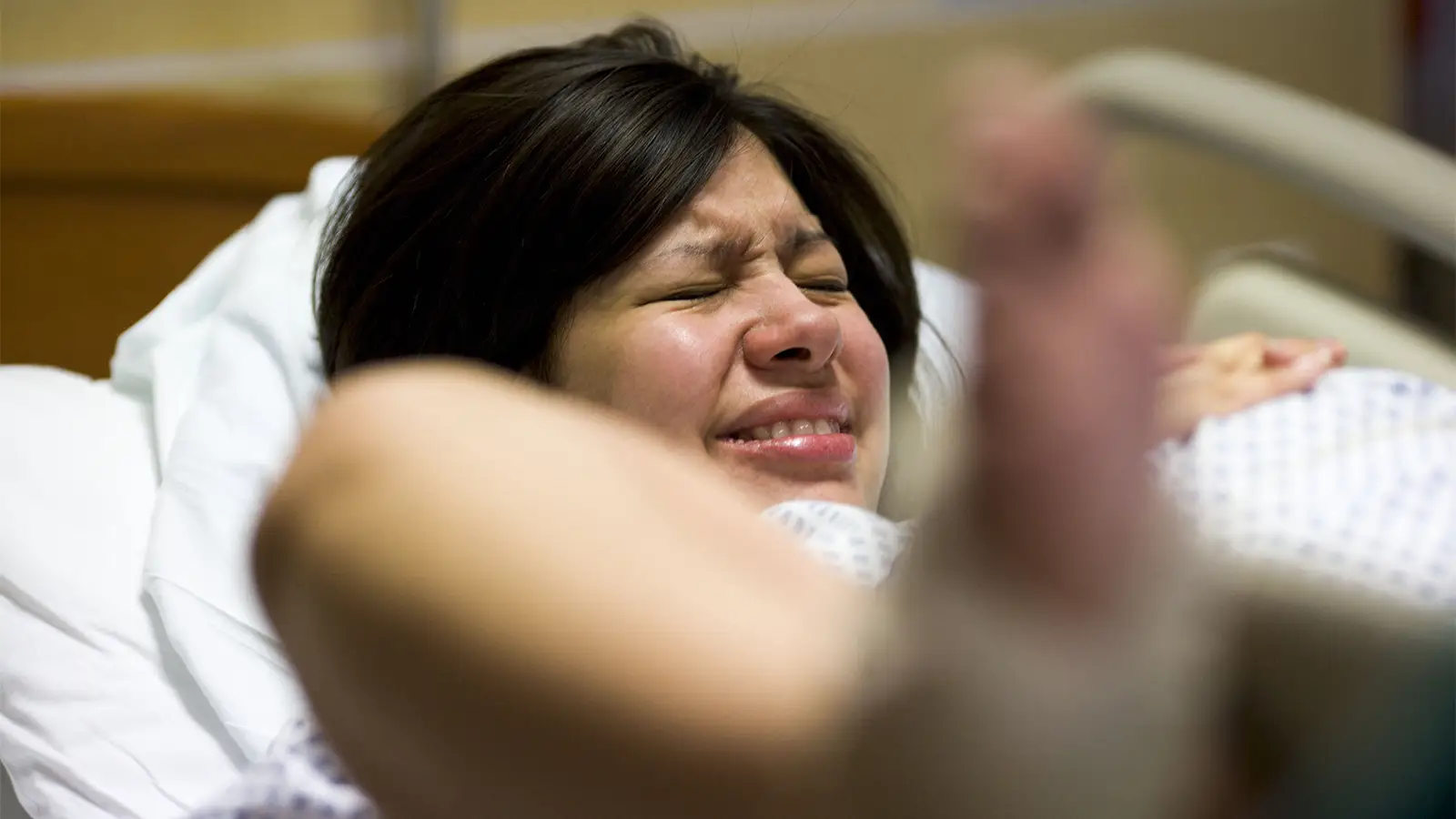
Reduced anxiety and greater personal control can positively influence labour (Photo: Gemini)
The rise of the “free birth” movement, where women deliberately choose to give birth without trained medical assistance, has sparked intense debate among healthcare professionals, ethicists and mothers themselves. Supporters often describe free birth as a way to reclaim control, avoid medical interventions, and experience childbirth in a more natural and personal environment. Critics, however, warn that childbirth remains medically unpredictable, even in apparently low-risk pregnancies.
Many women drawn to free birth cite previous negative experiences in healthcare settings, including feeling unheard, pressured into interventions, or lacking privacy and dignity during labour. Others are motivated by cultural beliefs, financial barriers, fear of hospitals, or a strong desire for autonomy over the birthing process. In an era where social media increasingly celebrates “natural” lifestyles, free birth narratives have gained visibility and influence.
There can indeed be advantages to carefully planned low-intervention births. Women delivering in calm and familiar surroundings may feel more relaxed and emotionally empowered. Reduced anxiety and greater personal control can positively influence labour. For women with uncomplicated pregnancies, home births attended by qualified midwives may, in some settings, be safely achieved with proper emergency backup systems in place. Importantly, many experts agree that maternity care should become more respectful, woman-centred and less interventional.