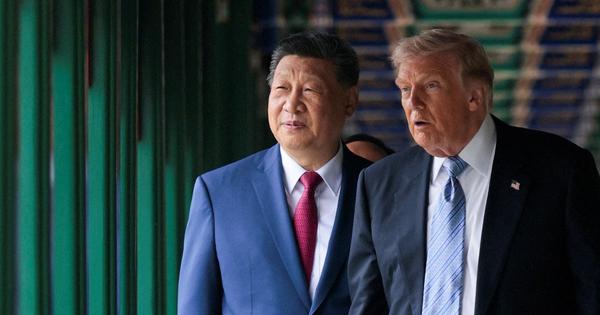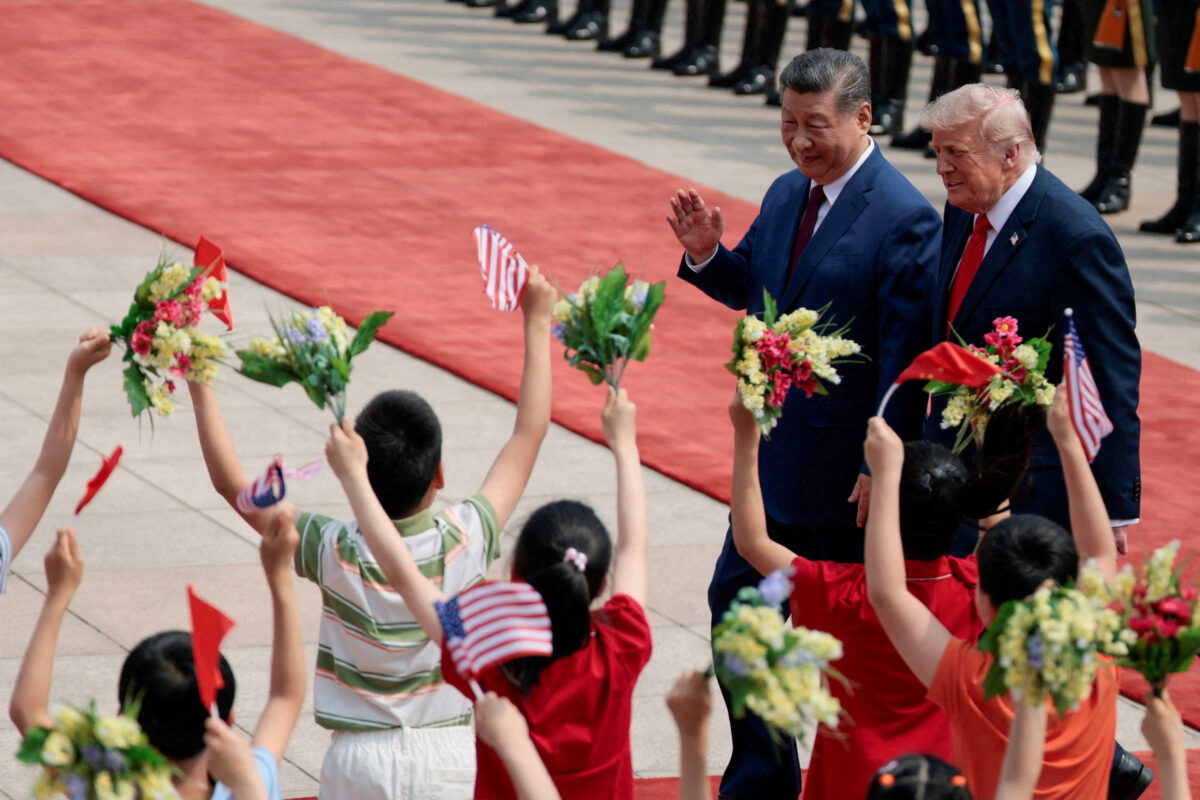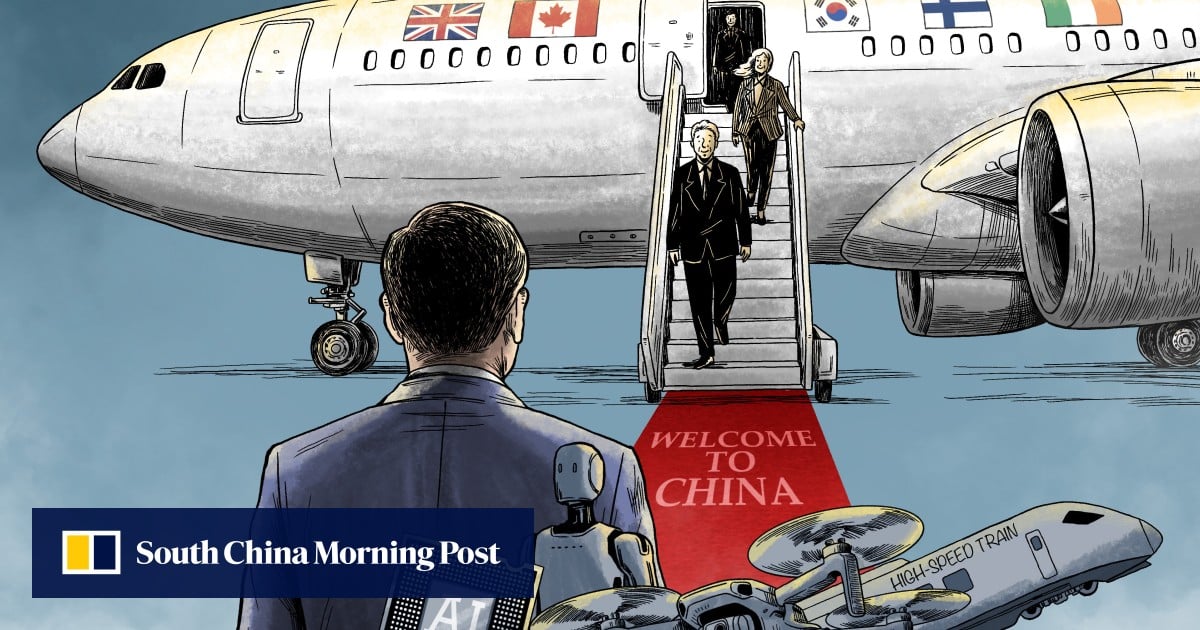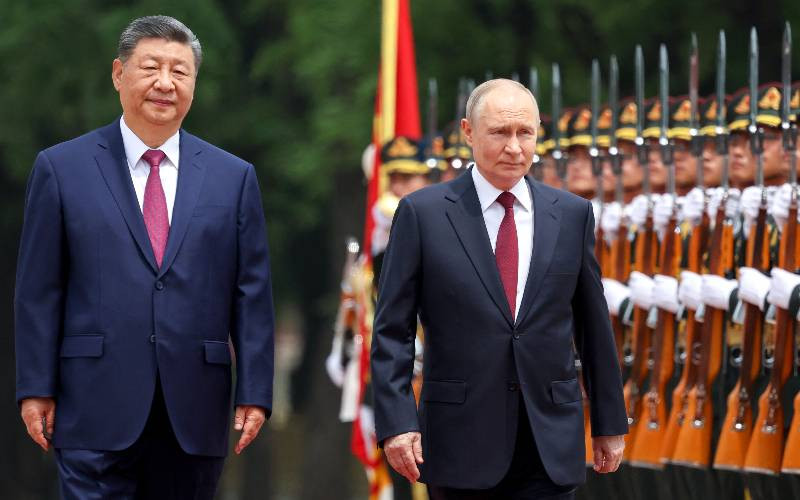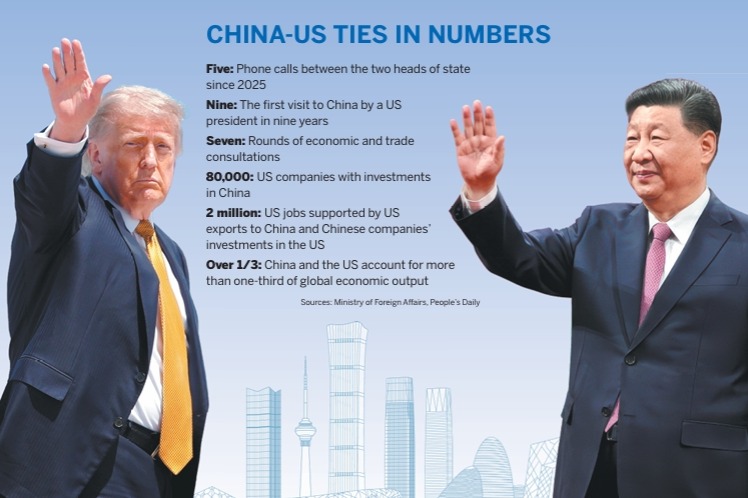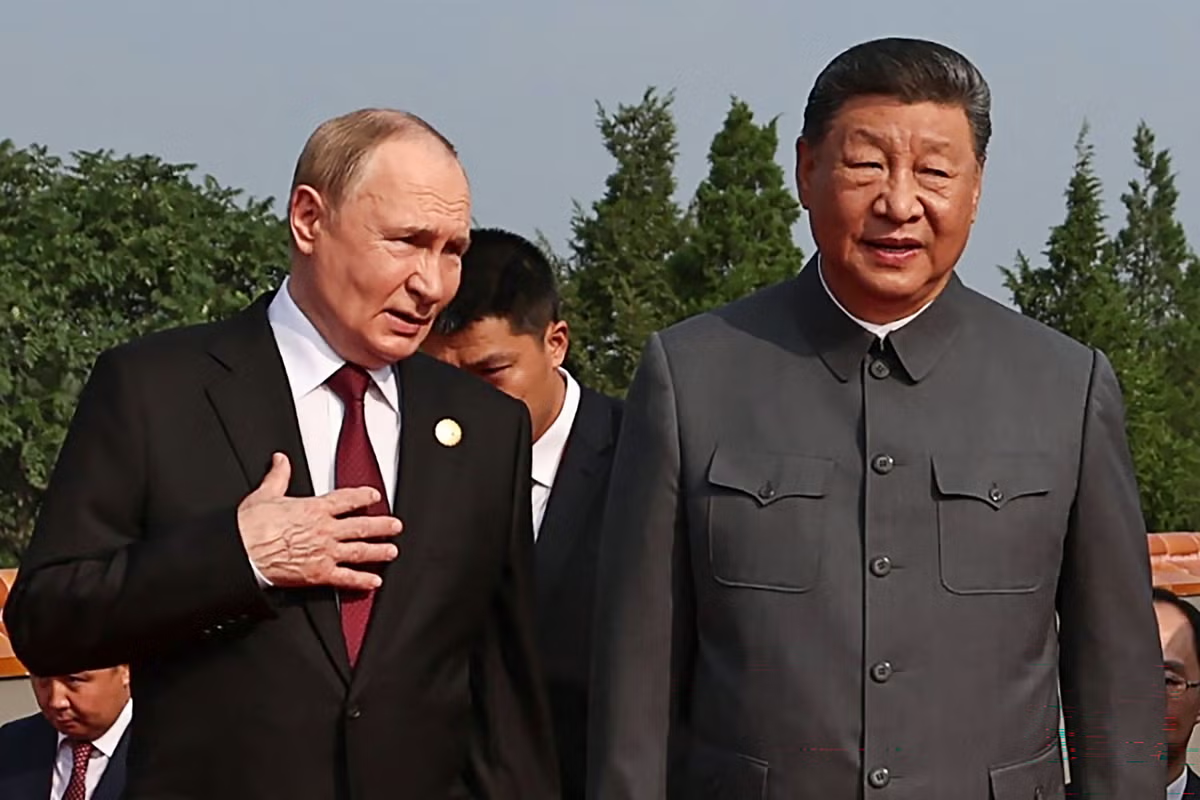
The procession of leaders arriving in Beijing to meet Xi Jinping in recent weeks, including Donald Trump and Vladimir Putin, has been the focus of global attention on China. But a low-key announcement last Friday could have a greater impact on the lives of Chinese people than any of this high-level diplomacy.The State Council, China’s equivalent of the cabinet that oversees government ministries and agencies, issued new guidelines to expand access to public services for people whose hukou, or household registration, is not in the city where they work. It called on all government agencies to offer services, including education and medical care, based on where someone lives rather than where they are from.“Providing basic public services by the place of residence, gradually eliminating the link between basic public services and household registration, and promoting equal access to basic public services and ensuring that permanent residents who have not obtained local household registration enjoy basic public services on an equal footing with the registered household population, is conducive to meeting the people’s ever-growing aspirations for a better life,” the State Council said in the guidelines.All Chinese citizens receive a hukou after they are born, and this registration linking them to their place of birth has a huge influence on their lives. It determines where they can receive healthcare, where they can buy property and access loans, the level of their social welfare and pension benefits and access to education.If someone moves from a village in rural China to a big city like Beijing or Shanghai, their hukou binds them permanently to their birthplace, often with unwelcome consequences. Children must sit the gaokao, China’s equivalent of the Leaving Cert, in the place where their hukou is based and universities often reserve quotas for applicants with a local hukou, giving Beijingers and Shanghainese an advantage when applying for some of the country’s top colleges.Commuters at Nanjing Railway Station in Nanjing, Jiangsu Province, China. Photograph: Costfoto/NurPhoto via Getty Images Nearly 300 million Chinese people who live and work long-term in cities have a hukou registering them elsewhere and they face significant barriers to education, healthcare and social security. Some cities have already relaxed their rules to allow all residents to access public services like schools and hospitals on equal terms.There is some resistance to change, however, particularly in cities like Beijing and Shanghai where having a local hukou brings enormous advantages. Many Beijingers prefer to marry other natives of the city, fearing that outsiders might be after them for their benefits and property rights.The government wants to reform the system not only because it can be unjust but also because it is inefficient and may be holding China back economically. The hundreds of millions with mismatched hukous are incentivised towards precautionary saving because their pensions will be lower than in the city and they spend much of their money going to and from their home place.[ Moving to a new beat: China’s businesses buoyed in BrazilOpens in new window ]Unable to truly settle in the city where they work, these migrant workers don’t spend as much as their locally registered counterparts on housing, cars, education, healthcare and services. Removing the barriers imposed by the hukou system is part of a new urbanisation strategy aimed at boosting domestic demand and increasing consumer spending.Consumers have been reluctant to spend in recent years, first because of a years-long property market slump that is still going on and later on account of the downturn that followed the coronavirus pandemic. Weak domestic demand is one of the factors pushing Chinese manufacturers to focus more heavily on the export market, driving up its trade surplus with most countries and notably with the European Union.[ Beijing’s split-screen diplomacy underscores shifting global alignmentsOpens in new window ]The EU is planning to impose quotas and tariffs on Chinese goods in an attempt to protect entire industrial sectors – including chemicals, metals and clean technology, which the European Commission fears are at risk of being destroyed by Chinese competition.“We will use safeguard clauses in a more general manner on sectors and not just on businesses or particular raw materials,” industry commissioner Stéphane Séjourné told the Financial Times on Thursday.China has warned it will retaliate against any EU trade measures and Beijing showed last year that it can damage developed economies very quickly and effectively by choking off the supply of rare earth minerals that are essential to much advanced manufacturing. The Chinese foreign ministry on Thursday accused the EU of cherry-picking data to justify its claim of an unbalanced trade relationship.“If one looks only at trade in goods, without considering trade in services and investment income, focus only on headline trade figures, not the structure of trade and where profits flow ... it will naturally lead to a one-sided conclusion of trade imbalance,” foreign ministry spokesperson Mao Ning told a press conference. Last week’s announcement from the State Council is a first step towards reforming the hukou system and it could face resistance from local authorities which will face higher welfare bills. But a liberalisation of the system cannot come soon enough for hundreds of millions of migrant workers and for the trading partners that need a more balanced Chinese economy.
China’s quiet reform could reshape life for hundreds of millions of migrant workers
A long-awaited easing of residency restrictions may boost consumption – and begin to level the playing field for China’s urban workforce
869 words~4 min read