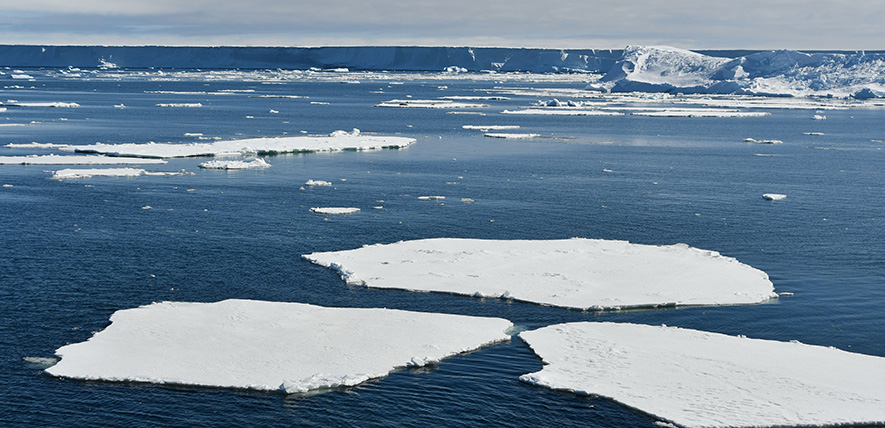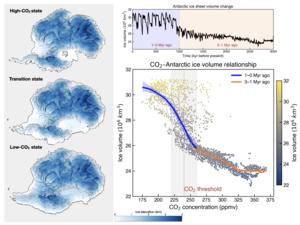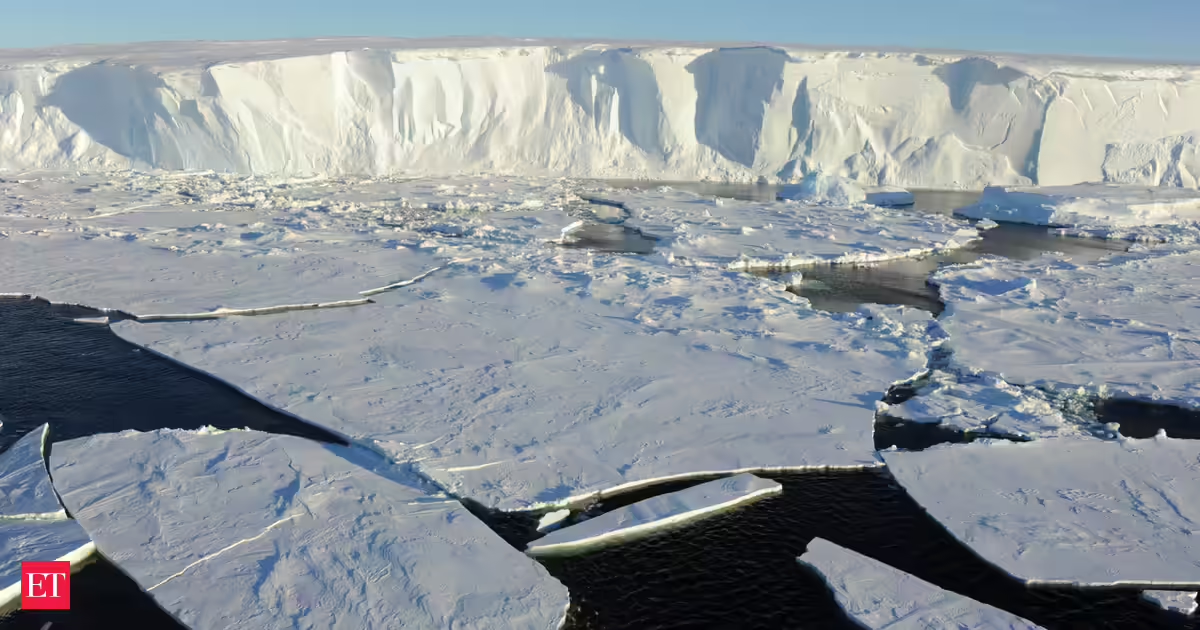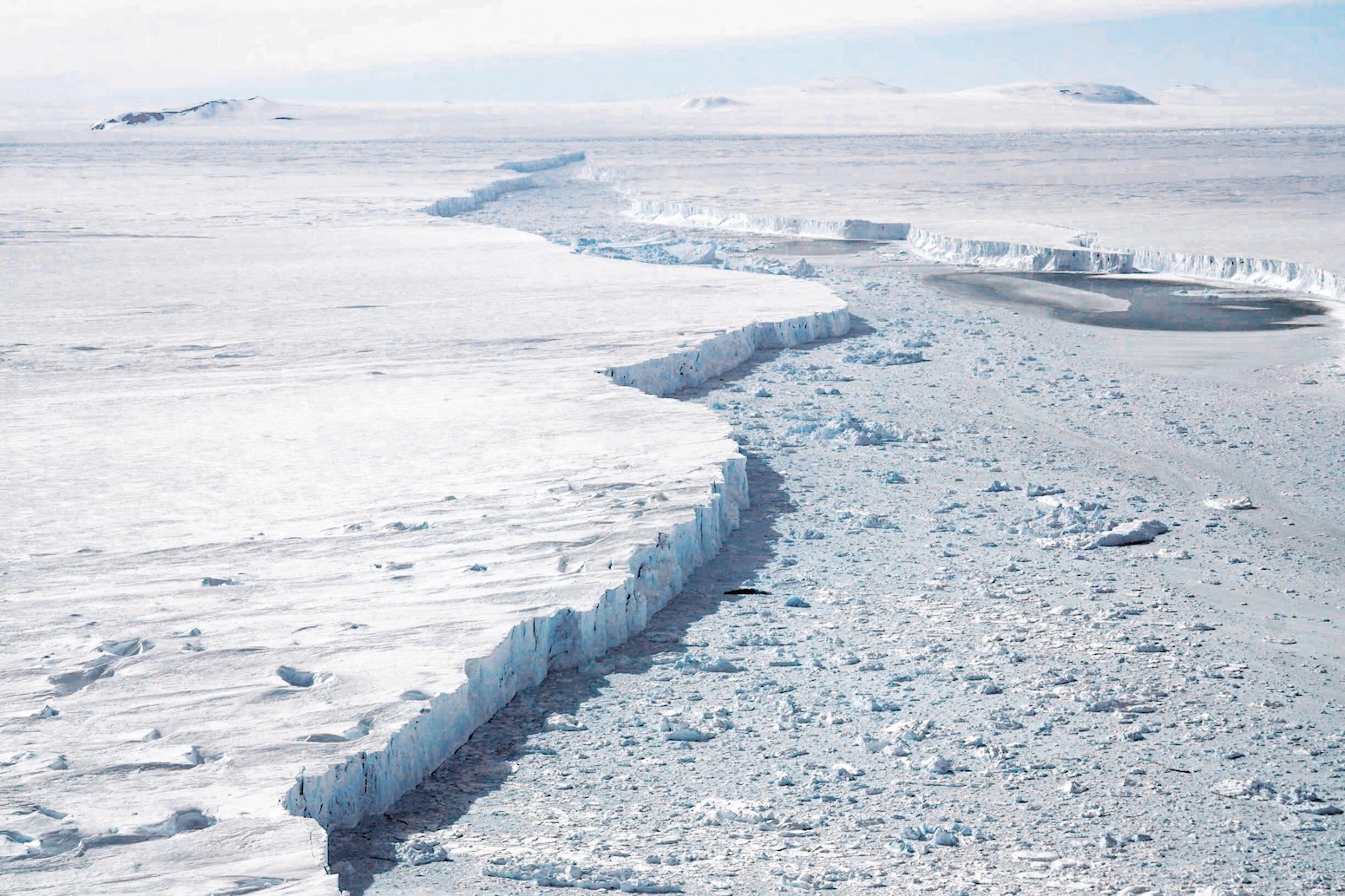
A new study published in Nature Geoscience suggests Antarctica's ice sheet underwent a dramatic change about one million years ago, becoming much more responsive to shifts in Earth's climate.
The research, led by scientists at the IBS Center for Climate Physics (ICCP) at Pusan National University in South Korea, offers fresh insight into how massive ice sheets react to long term climate changes and what that could mean for future sea level rise.
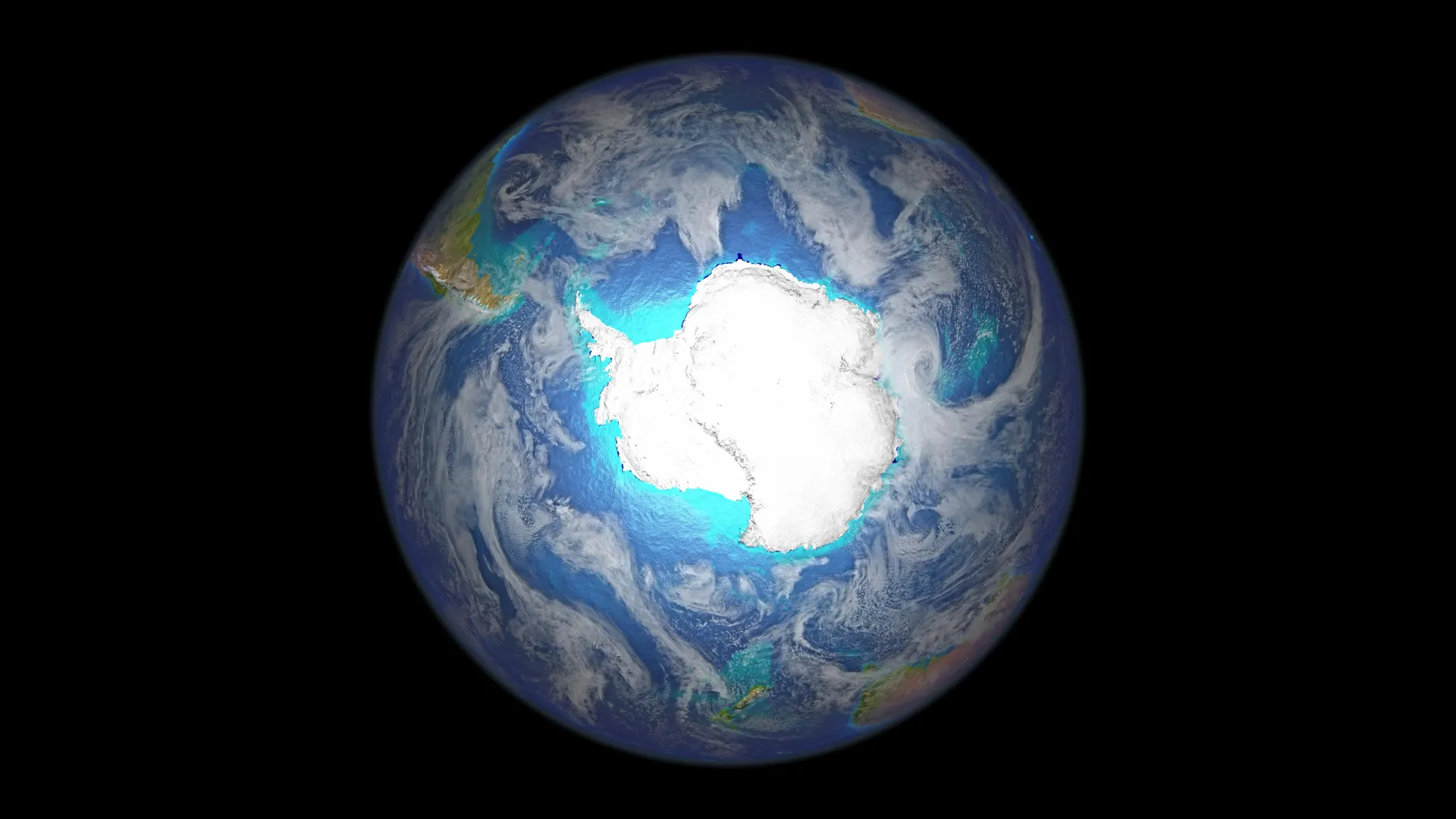
Today, Antarctica contains the largest mass of ice on the planet and plays a major role in regulating global sea levels. Around one million years ago, Earth experienced a major climate transition in which ice ages became longer, colder, and more intense. Scientists refer to this period as the Mid-Pleistocene Transition. Although researchers have known about this shift for decades, exactly how Antarctica's ice sheet responded has remained uncertain.
Simulating 3 Million Years of Climate History
One of the biggest obstacles has been the lack of realistic long term climate records needed to test ice sheet behavior under ancient conditions.